Planning for the Chaos Before the First Truck Arrives
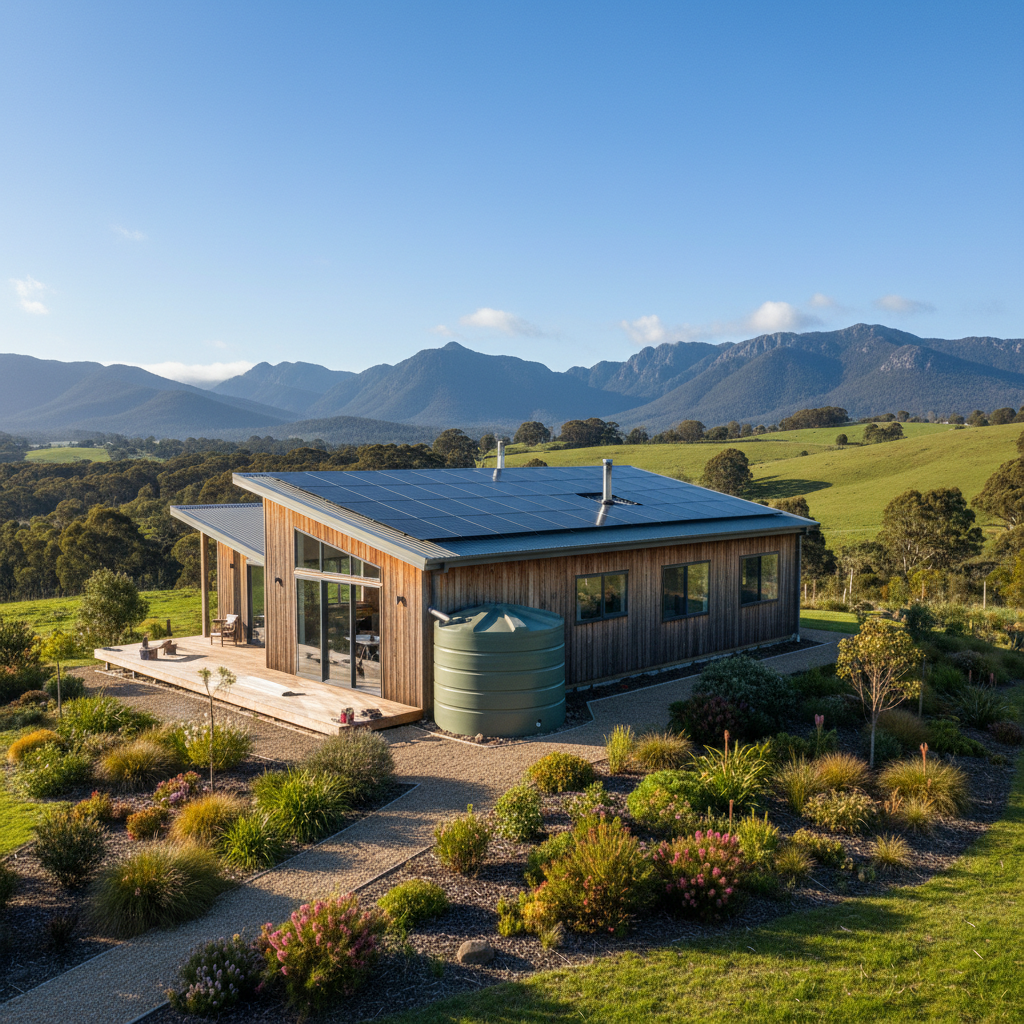
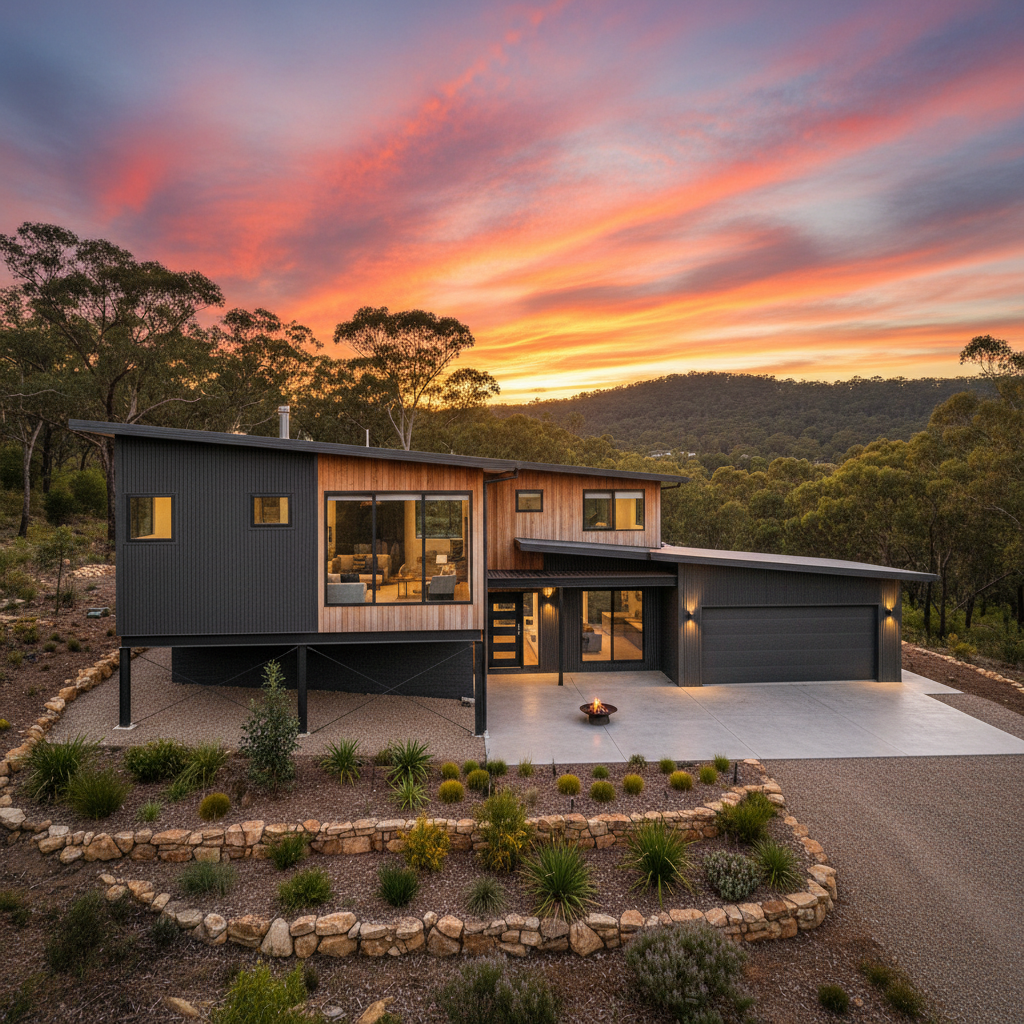
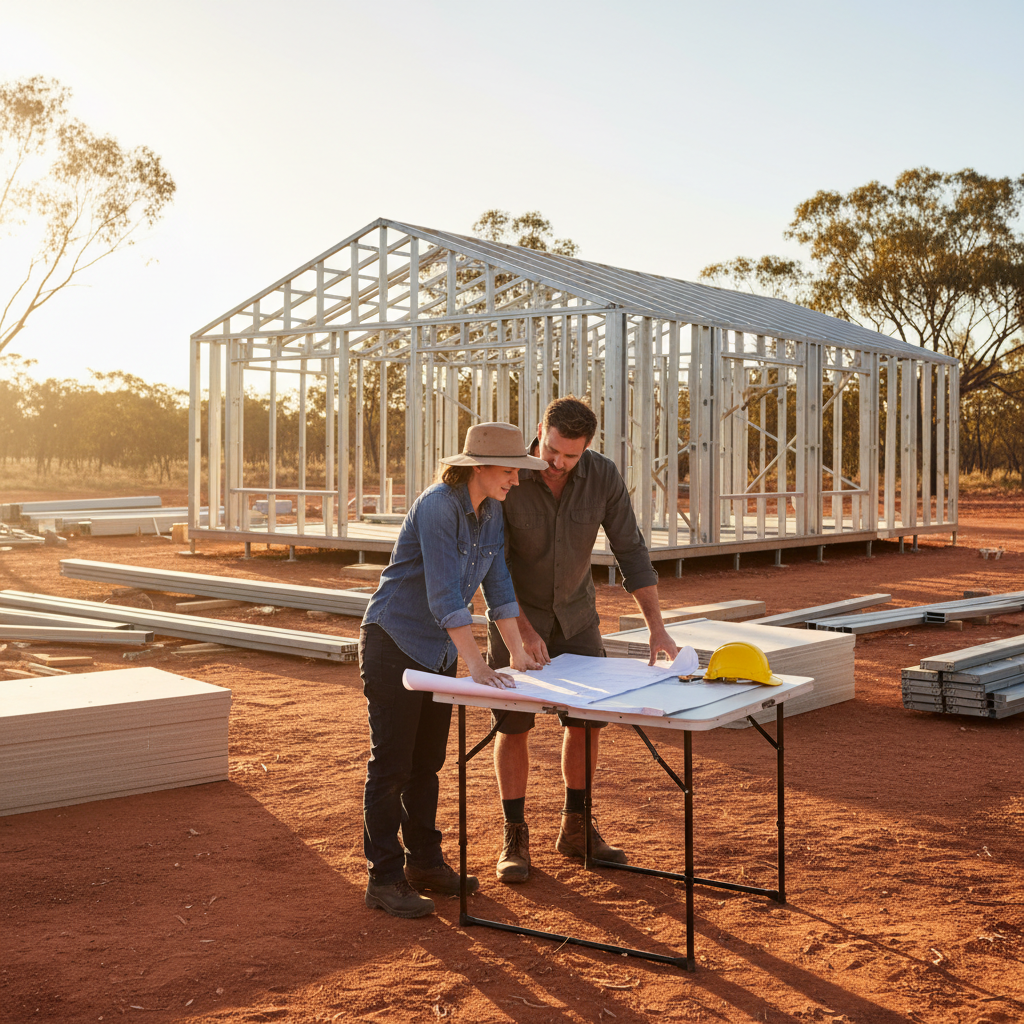
Nobody tells you about the paperwork. You see the glossy photos of a finished kit home sitting on a ridge in the Hunter Valley or tucked away in the Perth Hills and you think about the hammers and the saws. But the reality of being an owner builder in Australia starts long before you're swinging a mallet. It starts with a ring binder that's about four inches thick and a desktop folder overflowing with PDFs from your council and your frame supplier. If you can't find your engineering certificates in under thirty seconds, you're already behind the eight-ball.
I've seen blokes who are magicians with a spirit level fall apart because they lost a bushfire attack level (BAL) report or forgot to lodge a notice of commencement with the PCA. Being an owner builder means you're the project manager first and a tradesperson second. You have to be obsessed with the details. This isn't just about being neat. It's about making sure that when the building inspector rocks up on a Tuesday morning, you aren't digging through the glovebox of your ute looking for the plumbing compliance certificate.
The Logistics of the Delivery Day
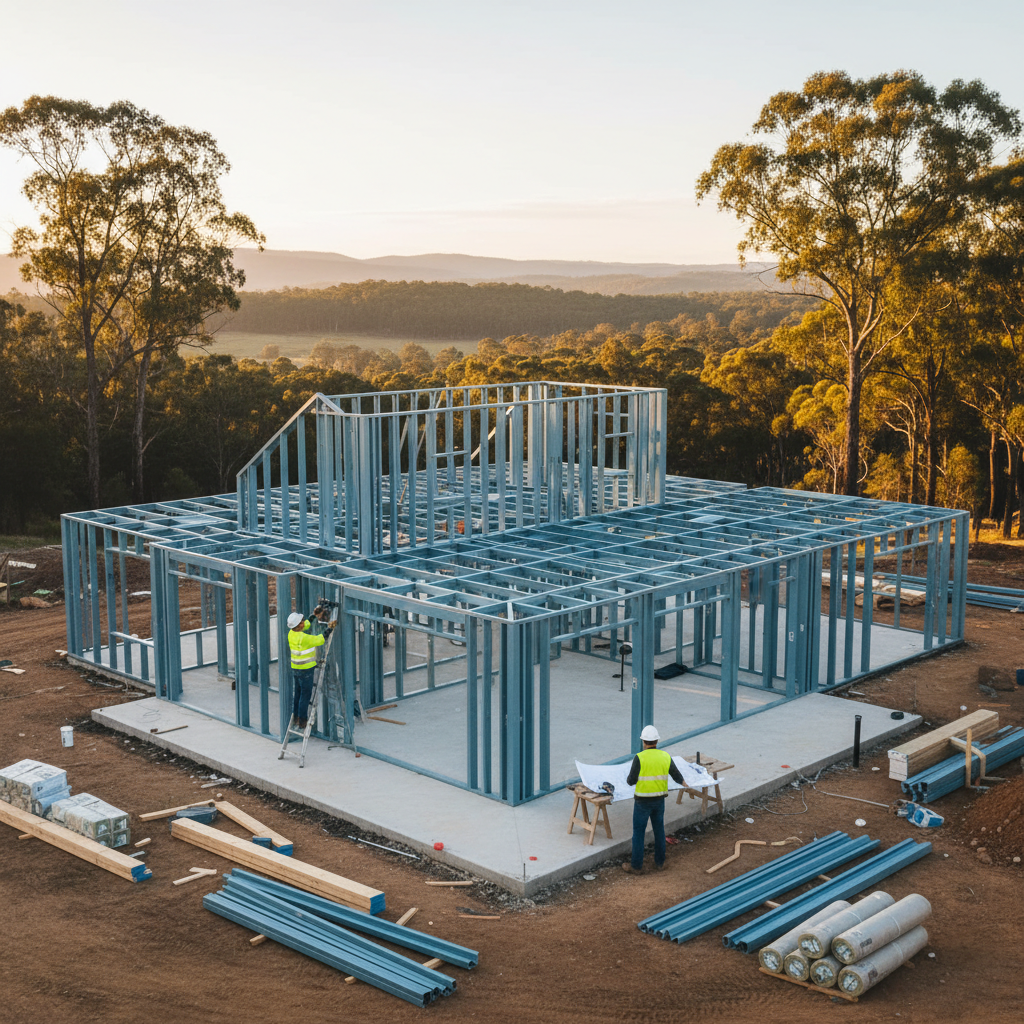
When that semi-trailer pulls up with your kit, things move fast. Your kit home arrives with the BlueScope steel frames, the roofing sheets, the cladding, and the windows. It's a massive amount of gear. If you haven't planned exactly where that crane or hiab is going to drop those packs, you're screwed. You don't want your wall frames sitting in the one spot where you need to dig your trenching for the septic later that week. Trust me, moving steel frames by hand because they're 5 metres from where they should be is a mistake you only make once.
Check the weather. If there's a heavy rain event coming for the Sunshine Coast or wherever you're building, get those window crates up off the ground on some scrap 100x100 timber. Keep the insulation dry. Wet batts are useless garbage. Organization on site is about clear access. Keep your site clean. A messy site is a dangerous site and it slows down every trade you hire. If the sparky has to trip over offcuts of Colorbond to get to the meter box, he's going to charge you for the hassle, or worse, not show up the next day.
Managing the Trades Without Losing Your Mind
You aren't just building a house. You're managing a circus. As an owner builder, you'll be hiring concretors, plumbers, and electricians. Here's a tip that'll save you thousands: have your site ready before they get there. If the plumber shows up at 7am and you haven't finished clearing the site or the temp fence is blocking his way, you're burning money. I always tell people to have a dedicated 'Site Book'. It stays in the shed or the back of the car. Every conversation you have with a contractor gets written down. Dates, prices quoted, and what was agreed. Because when the tiler says he never agreed to do the floor-to-ceiling splashback, you want to be able to show him the dated note from three weeks ago.
Steel frame kit homes are great because they're straight. They don't warp like timber. But they require specific fasteners and a bit of different thinking when it comes to the fit-out. Make sure your sparky knows it's a steel frame so he brings the right grommets for the wiring. If you don't mention it until he's on site, he'll be making a run to Bunnings on your dime. Details matter. Being organized means thinking three steps ahead of the subbies.
The Paper Trail and the Council
Every state has different rules, but whether you're under the NCC Volume 2 in NSW or dealing with local planning in Vic, the council loves a paper trail. You need to keep a folder for your certificates of occupancy and structural certifications for the TRUECORE steel members. Why? Because when you go to sell that house in ten years, or even when you just want to get your final sign-off, those papers are your gold.
Create a digital backup of everything. Take photos of the plumbing lines in the ground before the slab is poured. Take photos of the frame before the plasterboard goes up so you know exactly where the noggins are. It's so simple, yet hardly anyone doing a DIY build actually does it. Then three months later, they're trying to hang a heavy TV and they're drilling holes blindly into the wall like a madman.
The Specifics of the Build Site
1. Storage: Get a shipping container. They're worth their weight in gold for locking up tools and keeping your windows and doors out of the weather until you're ready to hang them. 2. Signage: Put your owner builder permit number and your site contact details on the fence. It's usually a legal requirement anyway, but it also helps delivery drivers who are looking for 'Lot 42' on a dirt road with no street signs. 3. Waste: Rent a skip bin from day one. Don't let the waist-high piles of offcuts build up. It's a fire hazard and a trip hazard.
Building your own kit home is about the long game. You'll have days where it feels like nothing is happening and then days where three trucks show up at once and the council inspector is calling you about a silt fence. Stay in control of the schedule. Use a simple spreadsheet. It doesn't have to be fancy, just a list of what needs to happen and when. Slab, then frames, then roof, then windows. Get it 'dried in' as fast as you can. Once the roof is on and the cladding is fixed, you can breathe a bit easier because the weather isn't the boss of you anymore.
You have to be realistic about your time. If you're working a full-time job and trying to manage a build on the weekends, you're going to be exhausted. That's when mistakes happen. That's when you forget to order the insulation batts or you miss the call from the glazier. If you can, take a week off for the big milestones. Being on site when the frames go up is vital. You see how it all fits together. You understand the house in a way a person who just buys an existing home never will. It's your house. You're the one who made sure the termite barrier was installed correctly and that the insulation was tucked into the corners properly. That's the pride of being an owner builder, but you only get that reward if you don't let the process bury you in stress first.
So, get your folders ready. Charge your phone. Get your site levelled and cleared. The kit home process is a massive win for people who want a quality home without the massive builder margins, so long as they're willing to do the legwork. It's a lot of work. But seeing that steel frame standing tall against the sky on your own block of land? There's nothing quite like it. Just make sure you know where the paperwork is before you crack that first celebratory beer.