Creating a Bright and Breezy Australian Kit Home
There is something uniquely Australian about a home that feels connected to the outdoors. Whether you are building on a bushy block in the hinterland or a suburban lot, the way your home breathes and welcomes the sun can make or break your living experience. For owner builders, the beauty of a kit home lies in the ability to influence the design stage to suit your specific site.
When you start looking at floor plans, it is easy to get caught up in room dimensions and kitchen layouts. However, two of the most critical elements for long term comfort are often overlooked: natural light and cross-ventilation. A well-designed kit home should stay cool in the scorching summer months and feel warm and inviting during winter, all while reducing your reliance on artificial heating and cooling. In this guide, we will explore how to optimize your kit home design to harness the best of the Australian climate.
The Power of Orientation: North is Your Best Friend
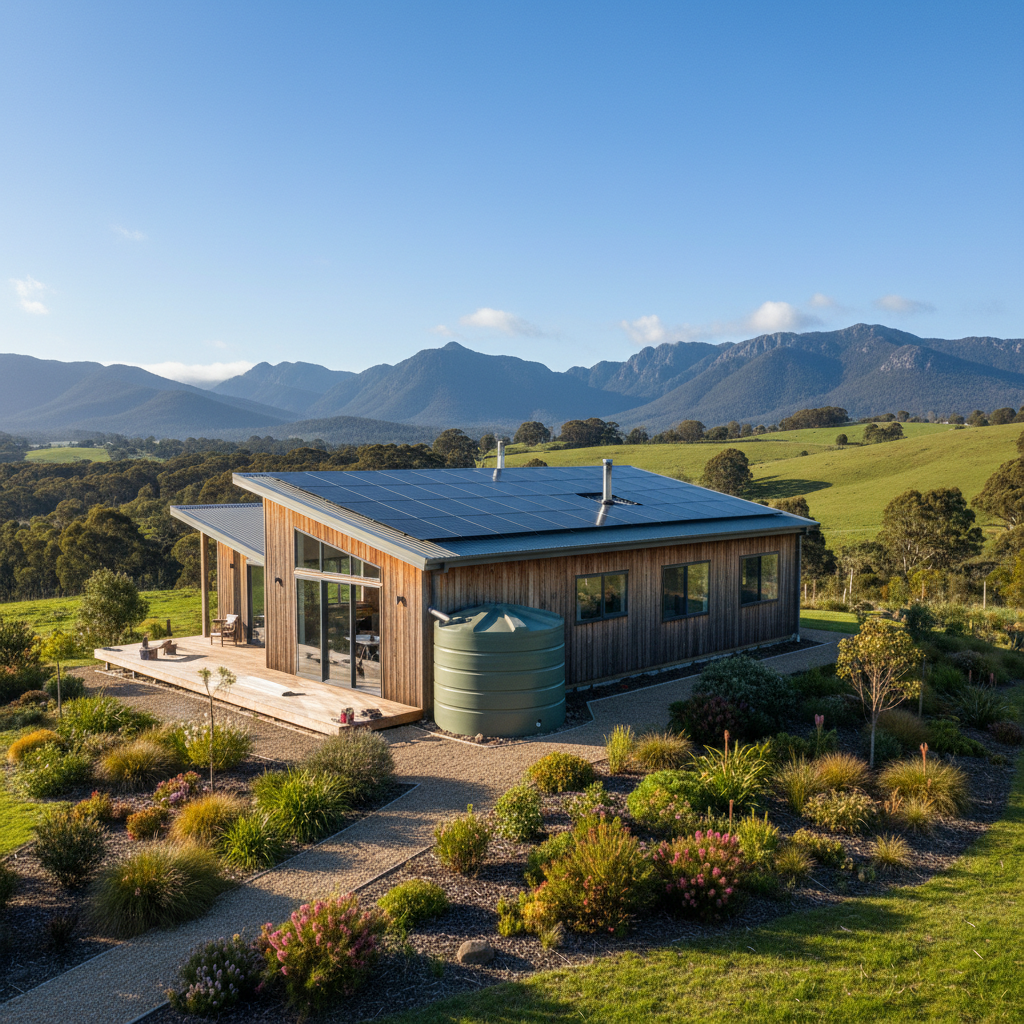
In the southern hemisphere, the path of the sun is our greatest asset. Proper orientation is the foundation of a comfortable home. If you can, try to position your main living areas, such as the lounge, dining, and kitchen, to face north. This allows for maximum solar gain during winter when the sun is lower in the sky, while making it easier to shade those same windows during the peak of summer.
When planning your site layout, consider how the sun moves across your specific plot of land. Providing your northern facade with generous windows or sliding glass doors will flood your home with light. If your block does not perfectly align with north, do not worry. You can compensate with smart window placement and shading solutions like eaves or pergolas. The goal is to ensure that the spaces where you spend the most time are not shrouded in darkness throughout the day.
Smart Window Placement for Light and Airflow
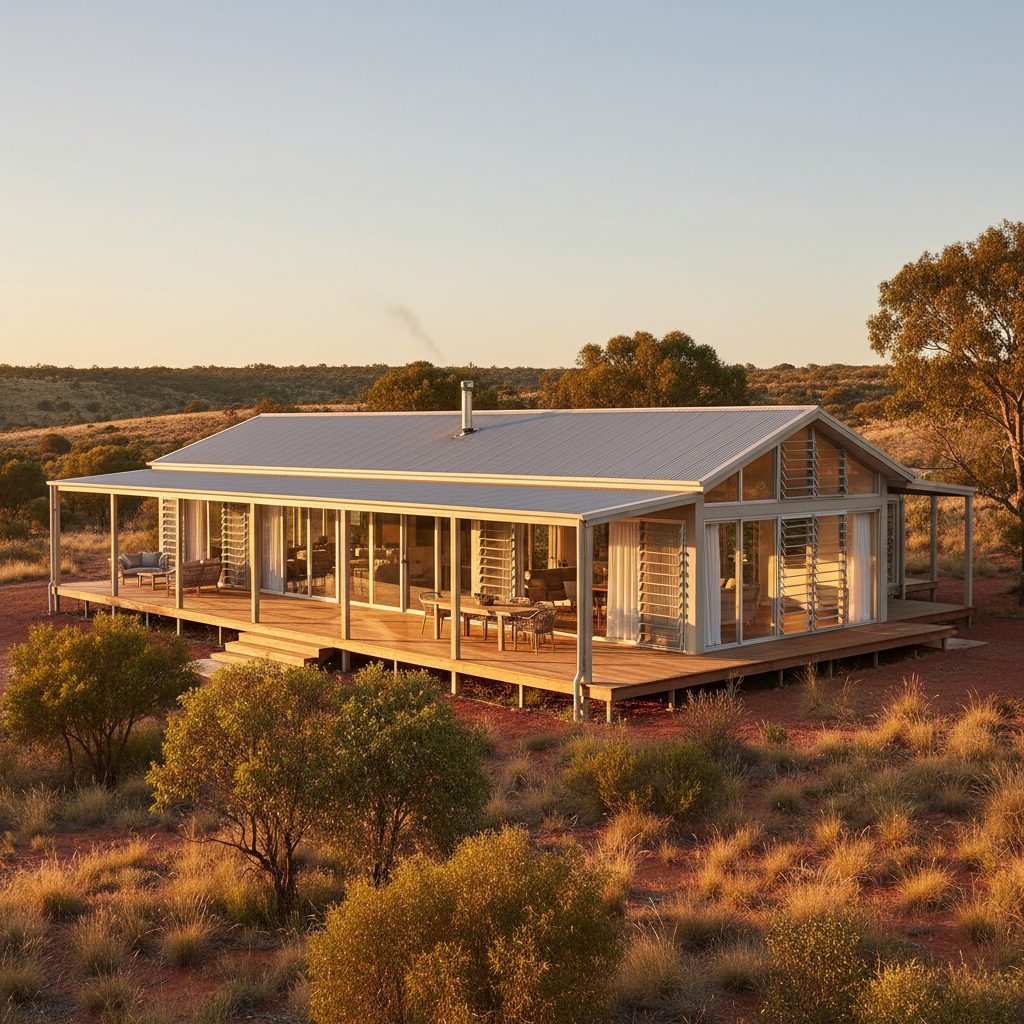
Windows are more than just holes in the wall, they are the lungs of your home. To achieve effective cross-ventilation, you need to think about the 'path of least resistance' for air. Placing windows on opposite or adjacent walls creates a breeze path that pulls fresh air through the house. This is especially important in Australia, where a cooling afternoon sea breeze or a gully wind can drop the indoor temperature significantly without you ever touching the air conditioner.
Consider the type of windows you choose for your kit. Lourve windows are fantastic for ventilation because they allow for nearly 100 percent airflow and can be adjusted to direct the breeze. Awning windows, which are hinged at the top, are great for letting air in even during a light rain shower. When you are reviewing your kit home options, look for opportunities to include larger openings in your living zones and smaller, strategically placed windows in bedrooms to maintain privacy while still allowing for airflow.
Leveraging the Strength of Steel Frames
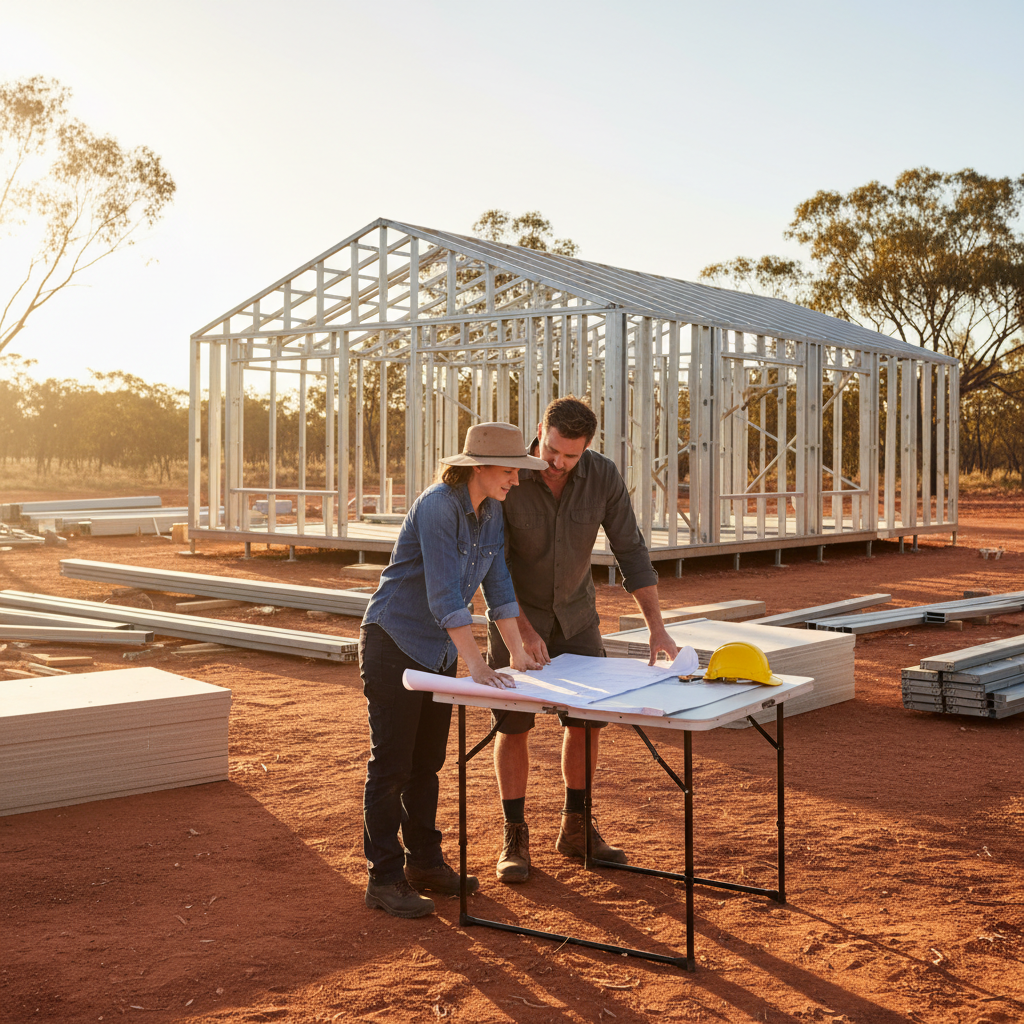
One of the hidden advantages of using a steel frame construction, specifically those utilizing high-quality Australian products like TRUECORE steel, is the structural integrity it provides. Steel has a high strength-to-weight ratio, which allows for wider spans and larger openings without the need for bulky load-bearing walls or heavy timber lintels.
For the owner builder, this means you can often incorporate larger glass sliding doors or expansive picture windows that might be more complex or expensive with traditional timber framing. The precision of a steel frame also ensures that window and door openings are perfectly square, making the installation of your kit's glazing much smoother. Because steel does not warp or twist over time, those large glass doors will continue to slide easily, ensuring your ventilation remains effortless for years to come.
The Role of High Ceilings and Voids
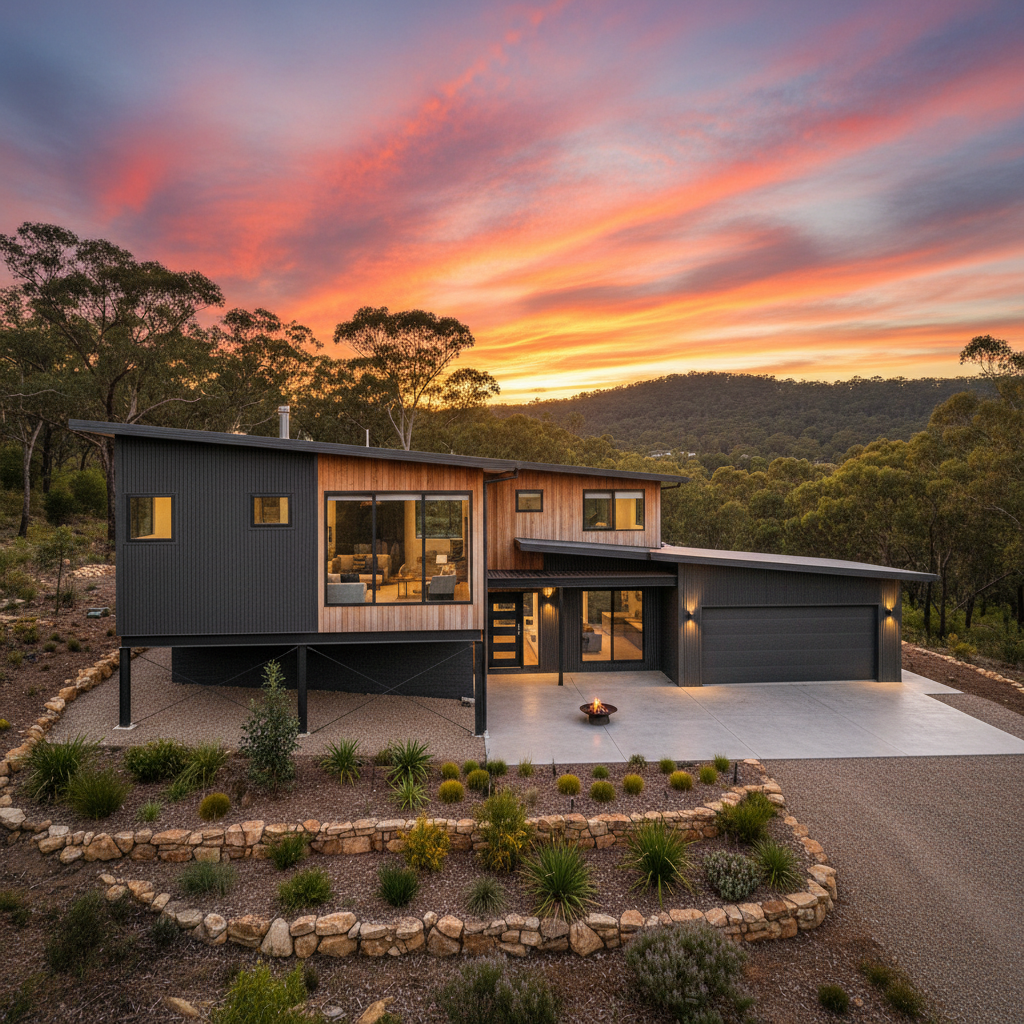
Light and air need space to move. If your kit home design allows for it, consider increasing your ceiling height or incorporating a raked ceiling in the main living area. Higher ceilings allow for higher window placement, which can throw light deeper into the floor plan. This is particularly useful in open plan designs where the center of the room might otherwise feel a bit dim.
High-level windows, often called clerestory windows, are a brilliant addition to any kit home. They can be used to let hot air escape as it rises, creating a natural chimney effect that pulls cooler air in from windows at a lower level. This passive cooling technique is a game changer for Australian summers. It keeps the air moving and prevents that 'stuffy' feeling that can plague poorly ventilated homes.
Practical Tips for Owner Builders
If you are managing your own project, here are some practical steps to ensure your finished home is as bright and airy as possible:
- Check Your Eave Depths: Eaves are essential for shading. Wide eaves on the northern side will block the high summer sun but allow the lower winter sun to enter and warm your thermal mass.
- Think About Internal Doors: Open plan living is great for airflow, but if you have separate rooms, consider using large internal sliders or even glazed doors to allow light to pass from one room to another.
- Consider the Flooring: If you are getting plenty of northern sun, a darker floor like polished concrete or dark tiles can act as a thermal mass, absorbing heat during the day and releasing it slowly at night.
- Landscaping Matters: Deciduous trees planted on the northern or western side of your home provide shade in summer but drop their leaves in winter, letting the sun through when you need it most.
Improving Insulation and Sealing
While we want to let the light and breezes in, we also want to be able to seal the home up when the weather turns nasty. Modern kit homes come with comprehensive insulation packages, which are vital for maintaining the internal temperature. When you are installing your kit, pay close attention to the sealing around your windows and doors. Even the best-designed home will feel drafty and inefficient if there are gaps where air can leak out.
The insulation provided with your steel frame kit works in tandem with your design choices. By reflecting radiant heat away in summer and trapping warmth in winter, it supports the natural light and ventilation strategies you have put in place. It is all about creating a balanced system where design and materials work together for your comfort.
Designing for Your Specific Climate
Australia is a vast country with diverse climates. A kit home designed for the humid tropics of Queensland will look and feel different from one built in the snowy reaches of the Victorian High Country. If you are in a tropical zone, prioritize maximum airflow and shaded outdoor living areas. If you are in a cooler climate, focus more heavily on northern solar gain and high-quality glazing to trap heat.
Regardless of where you are building, the principles of light and air remain the same. Take the time during the planning phase to 'walk through' your floor plan in your mind. Imagine where the sun will be at 8am, noon, and 4pm. Think about the direction of the prevailing winds. These small considerations during the kit design phase will pay massive dividends once you move in.
Conclusion
Building a kit home as an owner builder is an empowering journey that gives you a say in how your future home functions. By focusing on natural light and smart ventilation, you are not just building a house, you are creating a sanctuary that is healthy, energy efficient, and a joy to live in.
Remember that the frame is the bones of your home, and choosing a durable steel frame provides the perfect foundation for a design that embraces the Australian outdoors. With a bit of planning and a focus on these design principles, your kit home will be a bright, breezy, and beautiful space for many years to come.