The Australian sun is a brutal beast in February. If you've ever sat under a cheap polycarbonate roof during a Perth heatwave, you know exactly what I'm talking about. It feels like being a rotisserie chicken in a slow cooker. Most people treat their outdoor area as an afterthought, something they'll 'sort out later' with a few bags of quick-set concrete and a gazebo from a big-box retailer. That's a mistake. When you're building a kit home, your alfresco area isn't an add-on. It's the most important room in the house. Get it wrong, and you've got a wasted slab of concrete. Get it right, and you've doubled your living space for a fraction of the effort.
Orientation is Everything
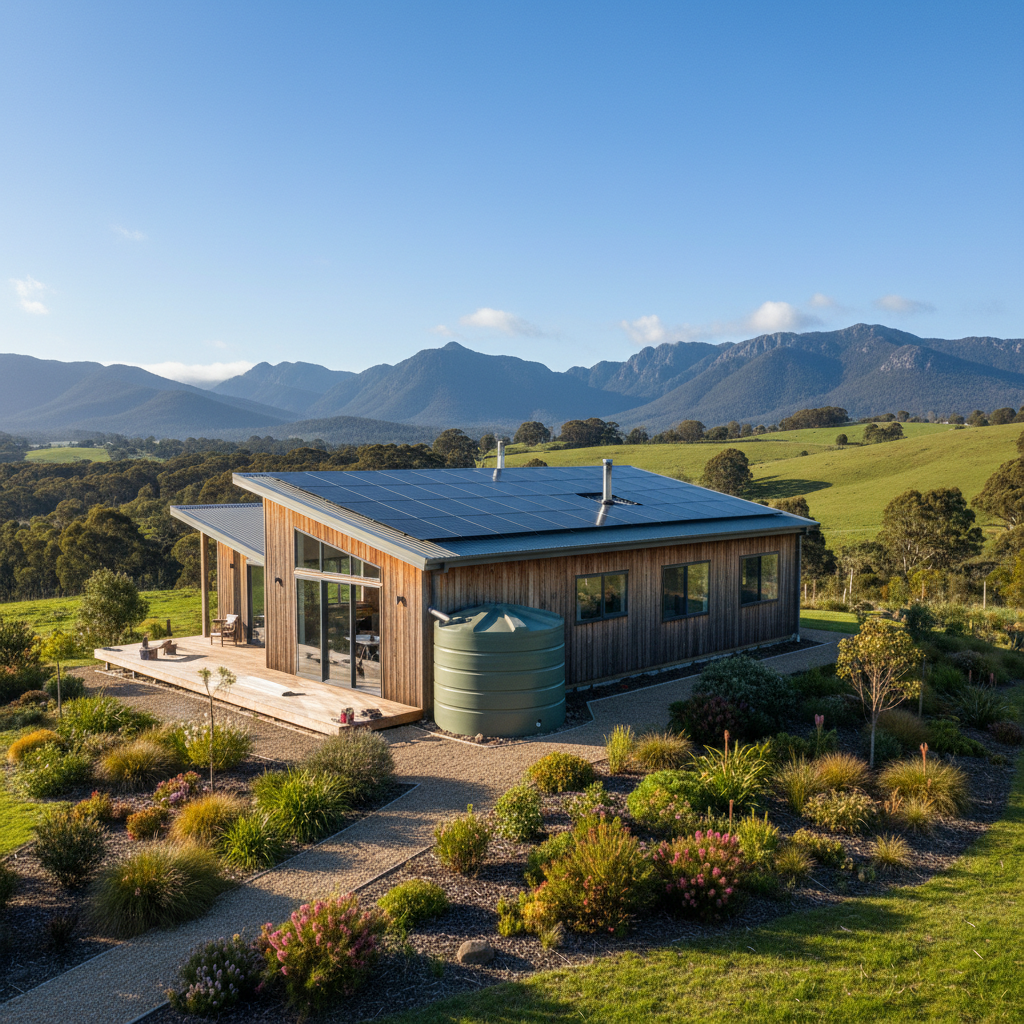
I've seen it a hundred times. A bloke buys a beautiful kit with a massive veranda, sticks it on his block facing West, and then wonders why his living room feels like the inside of a furnace at 4pm. In Australia, the sun is your best friend or your worst enemy. Because of our latitude, we want that winter sun poking into the house to warm the floors, but we need to hide from that summer glare. You want your main outdoor entertaining area facing North. This allows you to control the light. A well-calculated roof overhang on your kit home can block the high summer sun while letting the low winter sun flood in over your morning coffee. If you're stuck with a West-facing block, you're going to need more than just a roof. You'll need vertical screening or deep eaves. Think about the wind too. If you're on the coast, that afternoon sea breeze is a godsend, but in the valley, a gusty southerly can blow your Weber lid across the yard. Site your home so the structure itself acts as a windbreak for your deck.
Steel Frames and Wide Spans
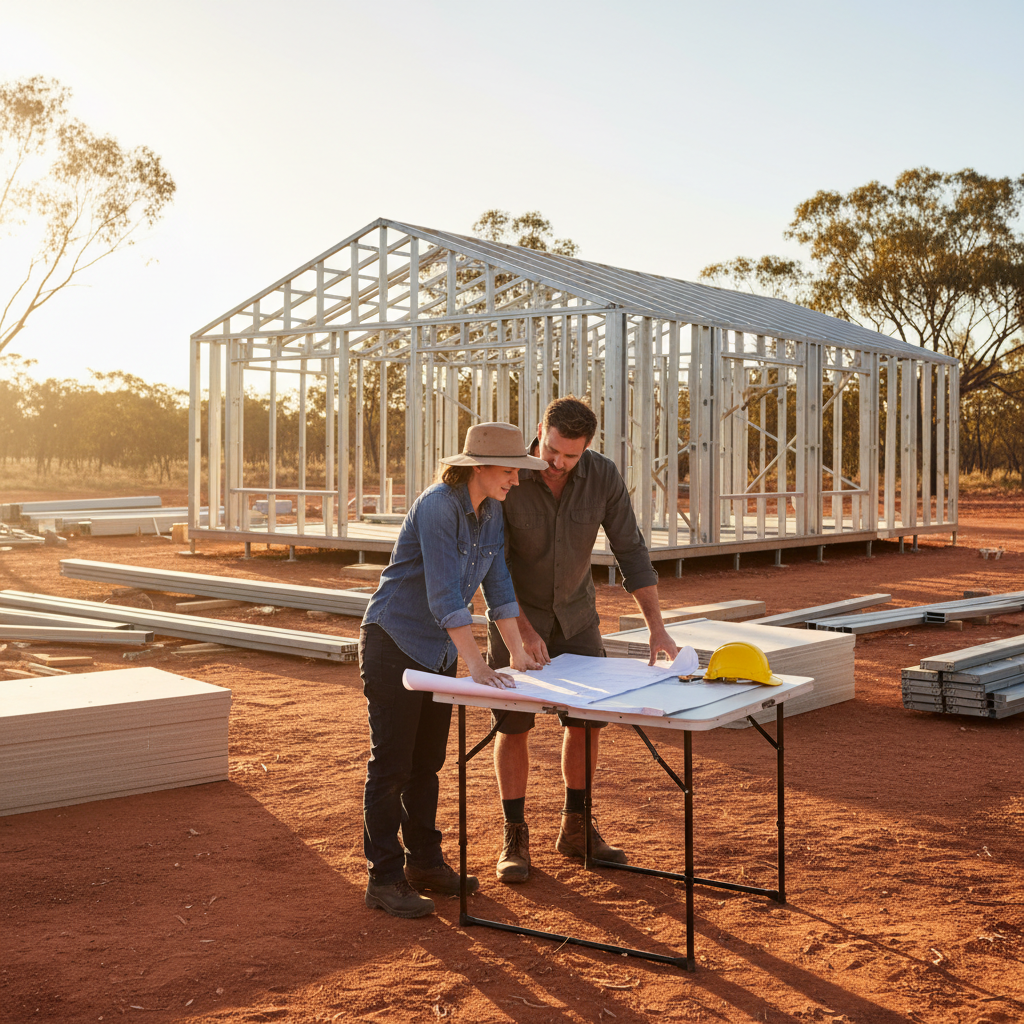
One of the best things about using a kit with TRUECORE steel frames is the strength-to-weight ratio. It's a game-changer for alfresco design. Why? Because steel allows for wider spans without needing a forest of chunky timber posts every two meters. You want a clear, unobstructed view of the pool or the bush. You want to open up those wide glass sliding doors and have a seamless transition from the kitchen to the deck. Steel doesn't warp or twist over time like some green timber does, so those doors will actually keep sliding five years down the track. Plus, in high BAL (Bushfire Attack Level) areas, having a non-combustible frame is just common sense. It's one less thing to worry about when the sky turns that nasty shade of orange in January.
The Kitchen Integration Trick
Stop thinking about the 'barbecue area' and start thinking about the outdoor kitchen. If you have to walk back through two doors and a hallway every time you need a fork or a cold beer, you won't use the space. Period. When you're picking your kit home floor plan, look for designs where the kitchen sink backs onto the alfresco area. It's a simple plumbing trick. You can install a servery window—a big wide awning window that flips up—and suddenly you're passing steaks and salads directly onto the outdoor table. It keeps the mess outside. It keeps the heat of the oven out of the house. And it makes you look like a pro when you're hosting the family Christmas. If you're an owner-builder, talk to your plumber early about running a gas line and a waste pipe out to the deck. It's ten times harder to do once the slab is poured and the walls are up.
Material Choice and Longevity
Australia is hard on buildings. The UV levels alone will destroy cheap plastics and inferior coatings in a couple of seasons. For the roof of your alfresco, stick with what works. We use BlueScope steel because it's tested at sites all over the country to make sure it doesn't just peel off when the sun gets angry. For the floor, you've got choices. Concrete is low maintenance but can be hard on the knees and gets hot. Timber decking looks incredible but requires you to be out there with a sander and a tin of oil every year or two. Composite decking is a solid middle ground, though it can get pricey. Whatever you pick, make sure it's rated for the outdoors. Don't try to save a few bucks by using indoor-rated timber in a semi-enclosed area. The moisture will get to it, the termites will find it, and you'll be ripping it out in three years. Speaking of termites, that's another win for the steel frame kits. They don't eat steel. Simple as that.
Owner-Builder Tip: Management of Trades
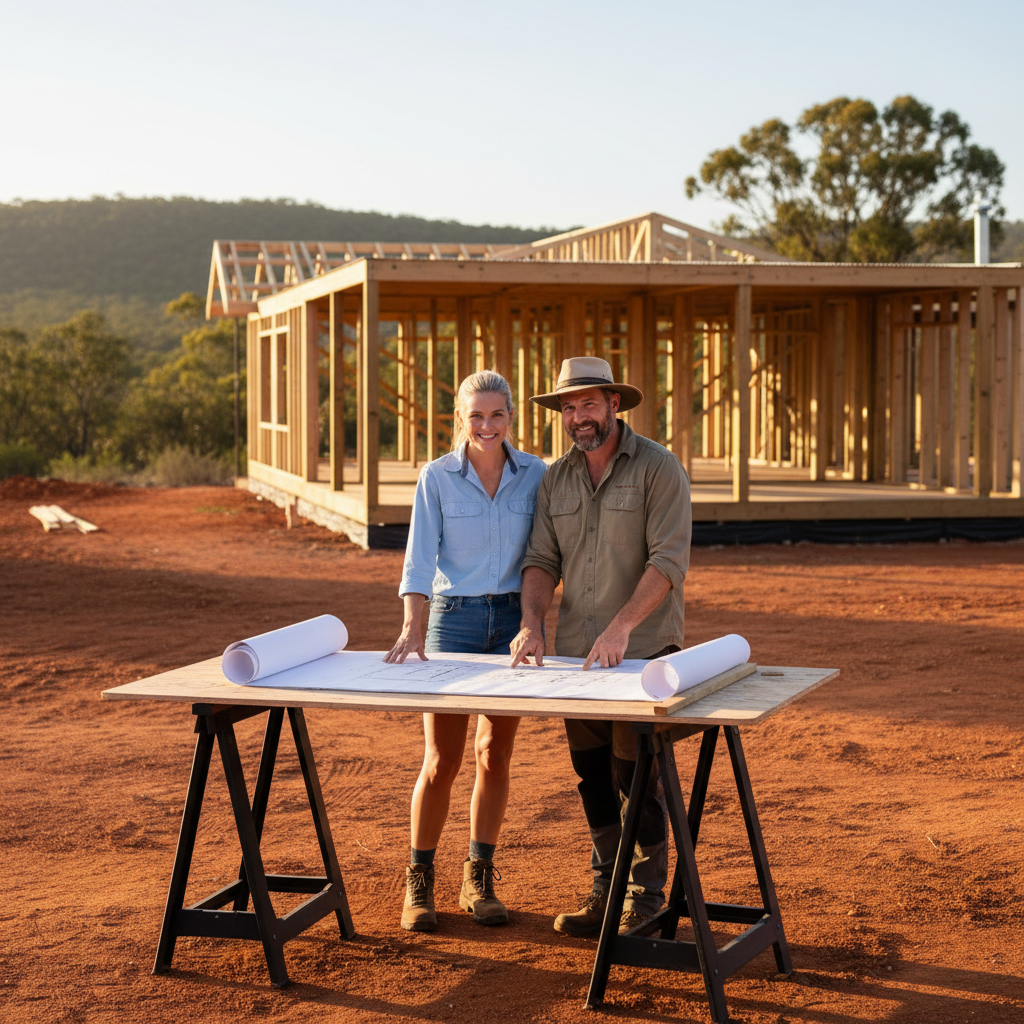
As an owner-builder, you're the boss. That means you need to coordinate the handover between the guys setting up the kit and the tradies doing your fit-out. When your kit arrives with the frames, roofing, and cladding, you've got the skeleton and the skin. But the 'soul' of the alfresco depends on the lighting and the ceiling. I always tell people to lined their alfresco ceilings. Don't just leave the underside of the roofing iron exposed. It looks unfinished and it's noisy when it rains. Use a moisture-resistant lining or even some nice cedar tongue-and-groove boards. Get your sparky in there early to wire up some big, slow-moving ceiling fans. Air movement is the secret to surviving a humid humid humid Queensland or NSW summer. Without a fan, the hot air just sits under the roof and bakes you. You'll also want dimmable LED downlights. Nobody wants to eat dinner under the glare of a stadium floodlight.
Designing for Four Seasons
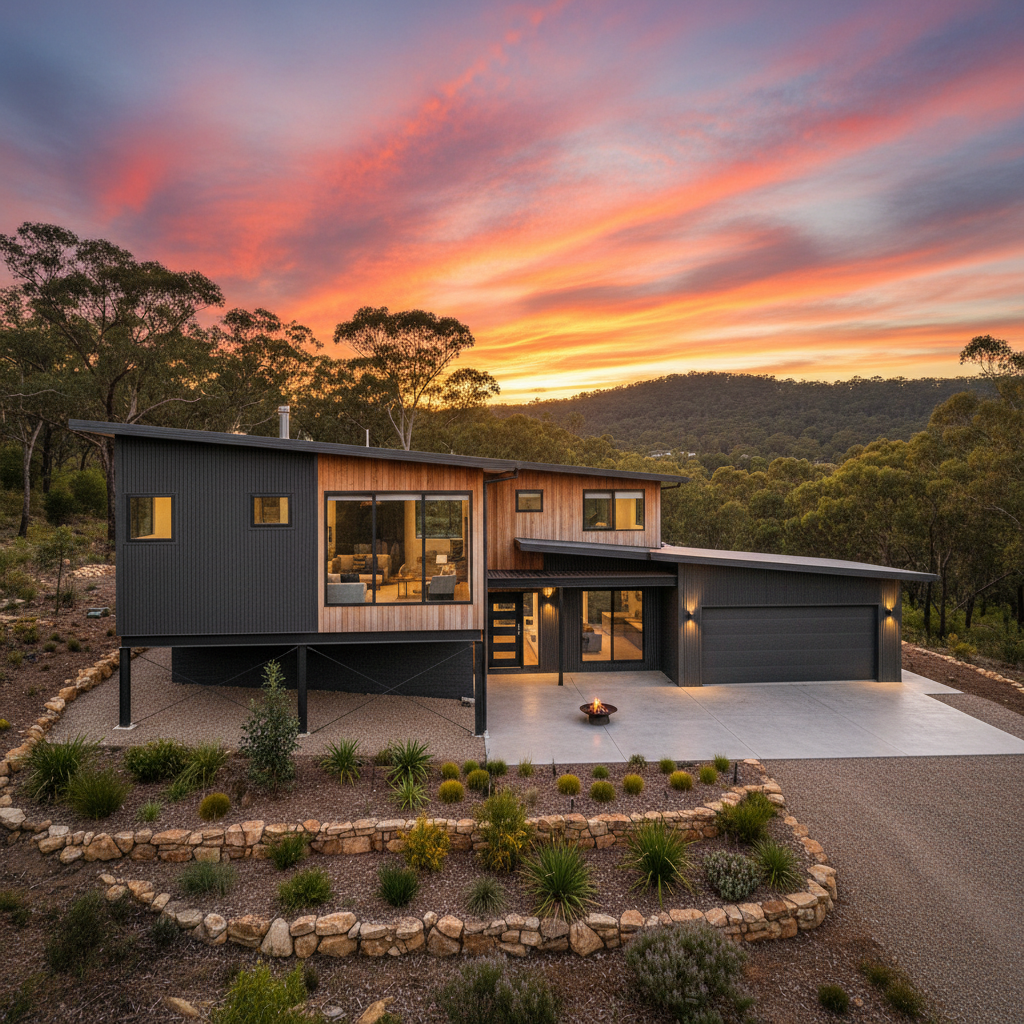
We've talked a lot about the heat, but what about July? A lot of kit home owners find their beautiful outdoor area sits empty for four months of the year because it's too bloody cold. It doesn't have to be that way. Build in some 'active' weather protection. This could be outdoor blinds that drop down to block the wind, or even a designated spot for a fire pit just off the edge of the deck. If you're building on a slab, you can even look into outdoor heaters. But the real trick is the layout. If you design a 'U' shaped house where the kit frames wrap around the alfresco on three sides, you create a courtyard effect. This traps the sun and blocks the wind, making it a useable space even in the middle of a Melbourne winter. It's about being smart with the footprint of the house.
Building a home is stressful. Managing the site, dealing with councils, and trying to figure out if your slab is actually level—it's a lot. But when you finally move in, and you're sitting out on that deck with a cold drink, looking out at the yard you've worked so hard on, it all makes sense. Don't skimp on the alfresco. It's the part of the house where you'll actually live your life. Make it big, make it breezy, and for heaven's sake, make sure it faces the right way.