Nobody wants to spend their Monday morning staring at a pile of unwashed breakfast dishes while trying to finalize a project report. It feels like half of Australia is currently perched on a stool at a kitchen bench, ruining their posture and their sanity. When you start looking at kit home designs, the office usually feels like a secondary thought, tucked into a corner or labeled as a third bedroom. But if you're building a new place in 2024, you need to get serious about where that desk goes. It's not just about a power point and a chair.
The Death of the Guest Bedroom Hybrid
For years, the standard move was to chuck a desk in a spare room and call it a day. That doesn't work anymore. If you're building a kit home like the popular Valley View or something similar, you need to think about the physical boundary between your life and your spreadsheet. I've seen too many owner-builders realize six months after move-in that they can't take a Zoom call because the kids are watchng Bluey in the lounge room ten feet away. Acoustic privacy is the big one here. When you're putting your TRUECORE steel frames together, consider where you want to add extra bulkheads or thicker batts. Standard wall insulation is great, but for a home office, you might want to look at high-density acoustic gold batts. It's much harder to retro-fit soundproofing once the plasterboard is up and the skritings are nailed on.
Windows matter too. Most people think they want a massive window right in front of their desk. Big mistake. You'll spend the whole afternoon fighting glare on your monitor or squinting like you're lost in the Simpson Desert. Position your desk so the natural light comes from the side. It makes the space feel bigger without turning your screen into a black mirror. Plus, it gives you something to look at during those boring Friday arvo meetings when your brain has checked out anyway.
Layout Strategy for the Owner Builder
When you're the one managing the site, you have the power to make these calls early. Look at your floor plan. If the office is right next to the laundry, every time the washing machine hits the spin cycle, your desk is going to vibrate. It's annoying. It's distracting. Try to buffer the office with a bathroom or a walk-in robe. This creates a physical distance from the noisy parts of the house. We call it 'zoning'. It's a simple concept but heaps of people skip it because they're focused on the kitchen layout or the deck size.
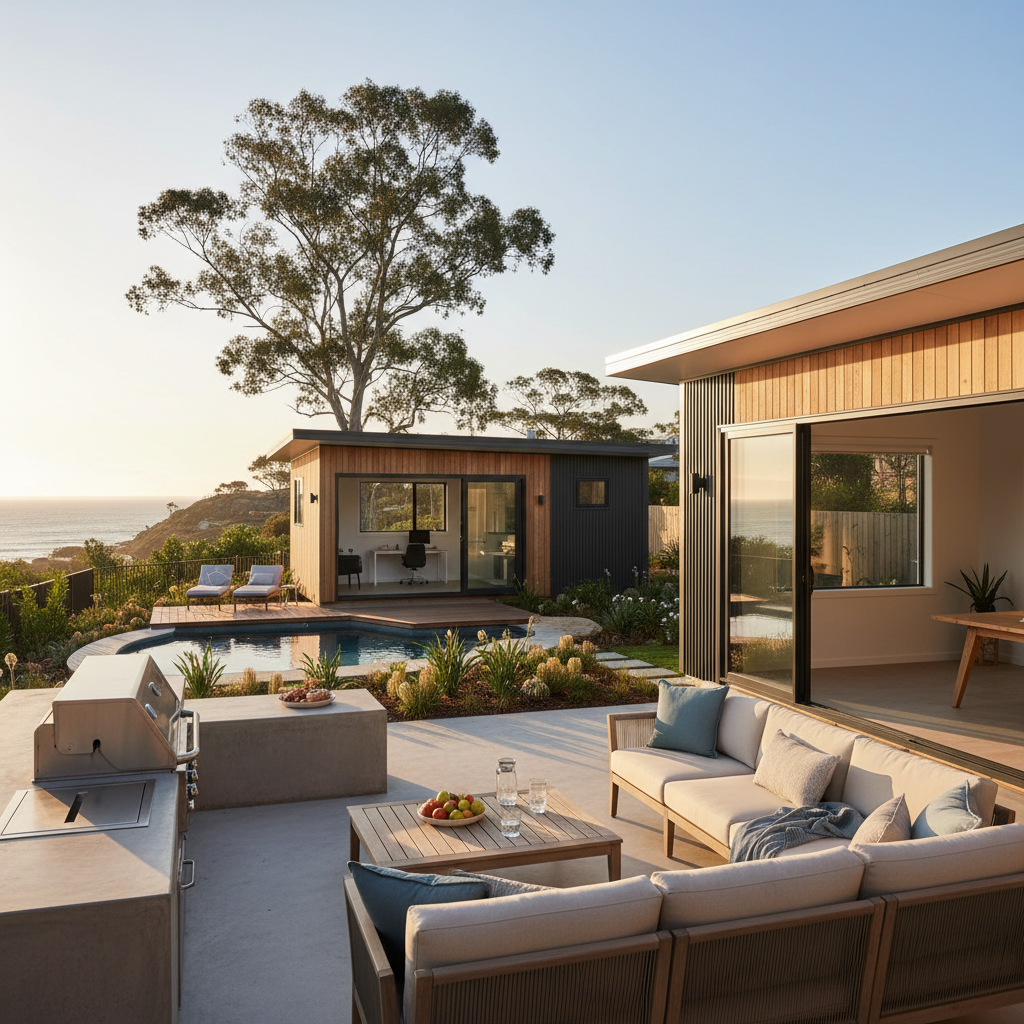
And let's talk about the 'Separate Entrance' trend. If you're running a business where clients actually show up at your house, you don't want them walking past your unmade bed or through a messy kitchen. Look for kit designs that allow for a door near the front entry that leads straight into the office. It keeps your private life private. Even if you don't have clients over, having a dedicated door to the office can help you 'leave' work at 5:00 PM. You walk out, close the door, and the work day is done. No mental bleed-over.
The Tech Skeleton Behind the Plaster
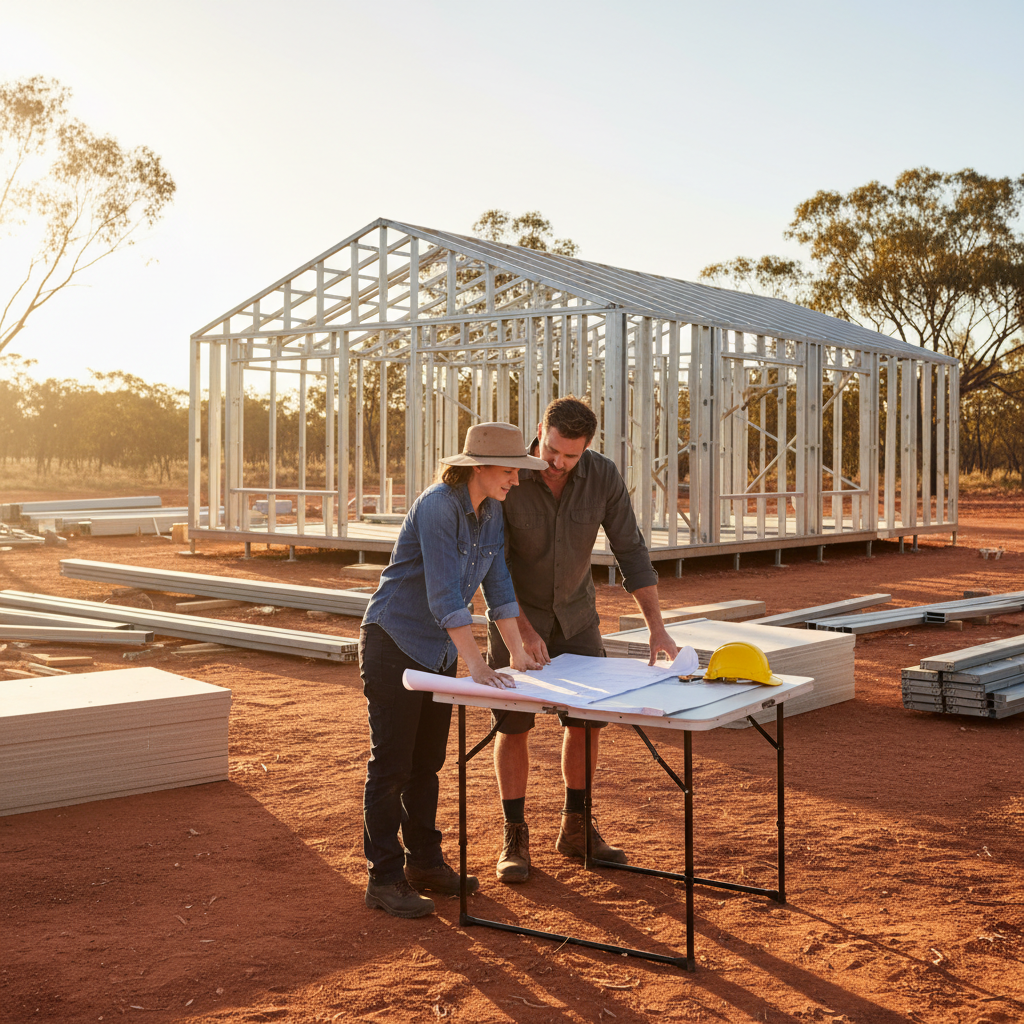
One of the best things about steel frame kit homes is how easy it is to run services. You've got those pre-punched holes in the studs. Use them. Don't rely on Wi-Fi for everything. If you're building from scratch, run Cat6 data cabling to your office space. It's cheap to do while the house is just a skeleton of BlueScope steel, but it's a nightmare once the walls are finished. Hardwiring your main computer means no drop-outs when the neighbors start using their microwave or when everyone in the street jumps on Netflix at 7:00 PM. Plus, it adds real value to the property.
While you're at it, think about power point placement. One double GPO behind the desk is never enough. You've got monitors, printers, chargers, and lamps. I reckon you should put in at least two double power points at desk height and another one down low for the heater or vacuum. It saves you from having a 'nest' of power boards and extension leads tangled under your feet. It's messy and it's a dust trap.
Ventilation and the 2pm Slump
Small offices can get stuffy fast. Because modern kit homes are built so tight for energy efficiency, CO2 levels can actually rise in a small room with the door shut. This makes you feel tired and sluggish. Make sure your design includes a window that allows for good cross-ventilation. If you're in a humid spot like North QLD or even parts of NSW, a ceiling fan is a non-negotiable for the office. Air conditioning is great, but sometimes you just need a bit of air moving to keep your head clear while you're grinding through paperwork.
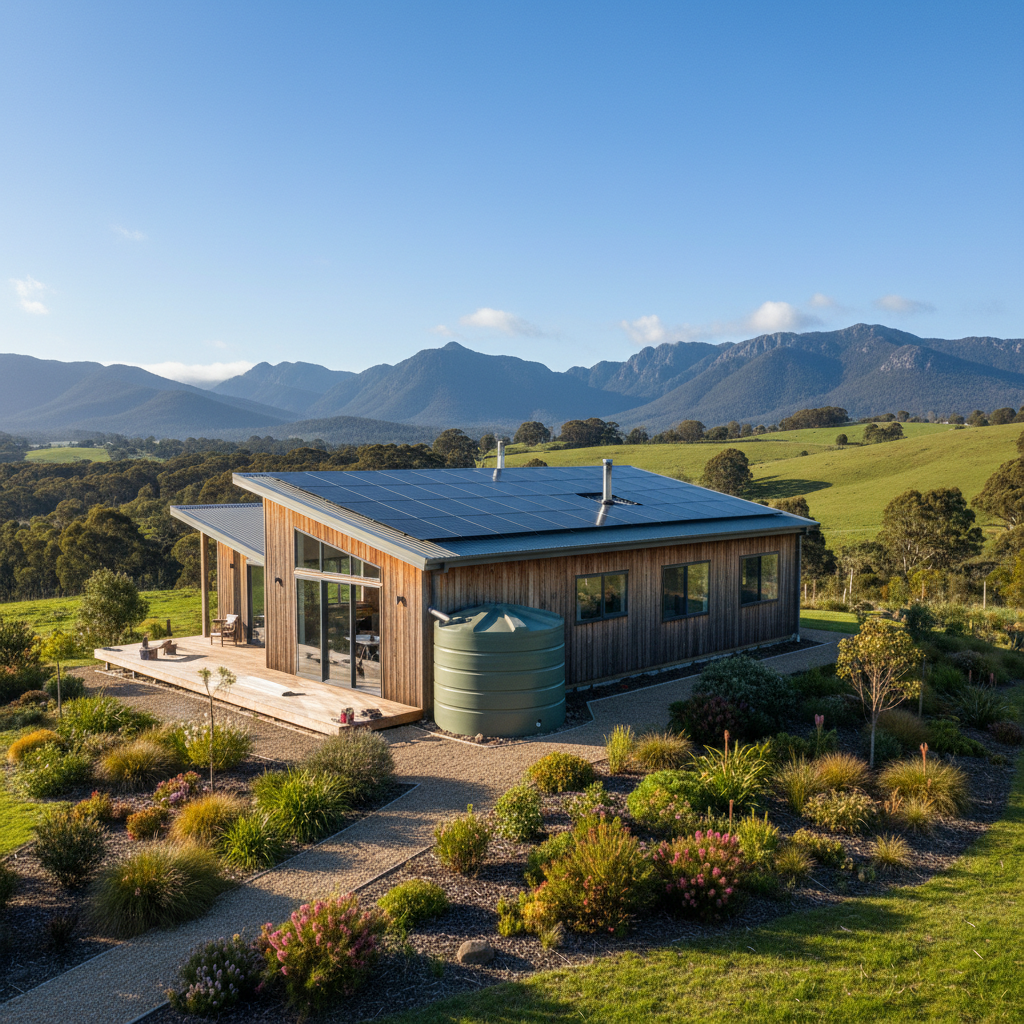
Choosing your cladding can influence this too. If your office faces West, that afternoon sun is going to cook you. You might want to look at extended eaves or external shading like battens. We use Colorbond steel for roofing and cladding because it handles the Aussie sun better than almost anything else, especially with the Thermatech technology. But even with the best steel, you still need to be smart about solar orientation. Don't put your office in the hottest corner of the house unless you plan on spending a fortune on the power bill for the AC.
Tips for Designing Your Workspace Layout
- Check your NBN connection point. Make sure the internal tech hub is located somewhere sensible, not in a bedroom wardrobe across the house.
- The 'L' shaped desk is your friend. It gives you a computer zone and a 'clean' zone for writing or reading.
- Storage is king. Plan for built-in shelving during the framing stage. It's much cleaner than buying cheap flat-pack bookshelves later.
- Floor finishes matter. If you're using a rolling office chair, timber or polished concrete is heaps better than carpet. Carpet gets shredded by chair wheels in about six months.
Building a kit home gives you the freedom to customize the internal fit-out to suit exactly how you work. You aren't stuck with what a developer thinks you need. If you're a creative who needs a massive drafting table, or an accountant who needs wall-to-wall filing, you can suss that out during the planning stage. Just remember that the office is an 'active' room. It's not a bedroom where you're just sleeping. You're spending eight hours a day in there. Treat it with the same respect you give your kitchen or your master suite.
It's about making the house work for your actual life, not some stylized version of it you saw in a magazine. If you spend 40 hours a week at a desk, that office is the most important room in your new home. Don't treat it like an afterthought. Get the lighting right, get the data sorted, and make sure you've got enough room to stretch your legs without hitting a wall. Your back, and your boss, will thank you for it.