Stop building ovens and start catching breezes
I've seen it a hundred times in Queensland and the NT. A owner-builder gets their kit home delivered, sticks it right in the middle of the block, and lines up the windows so they look 'neat' from the street. Then January hits. The sun beats down on that roof, and because they didn't think about pressure zones or prevailing winds, the house turns into a slow-cooker. You can't just rely on insulation to do the heavy lifting. If you want a house that actually breathes, you've got to understand how air moves around a structure. It's not magic. It's physics.
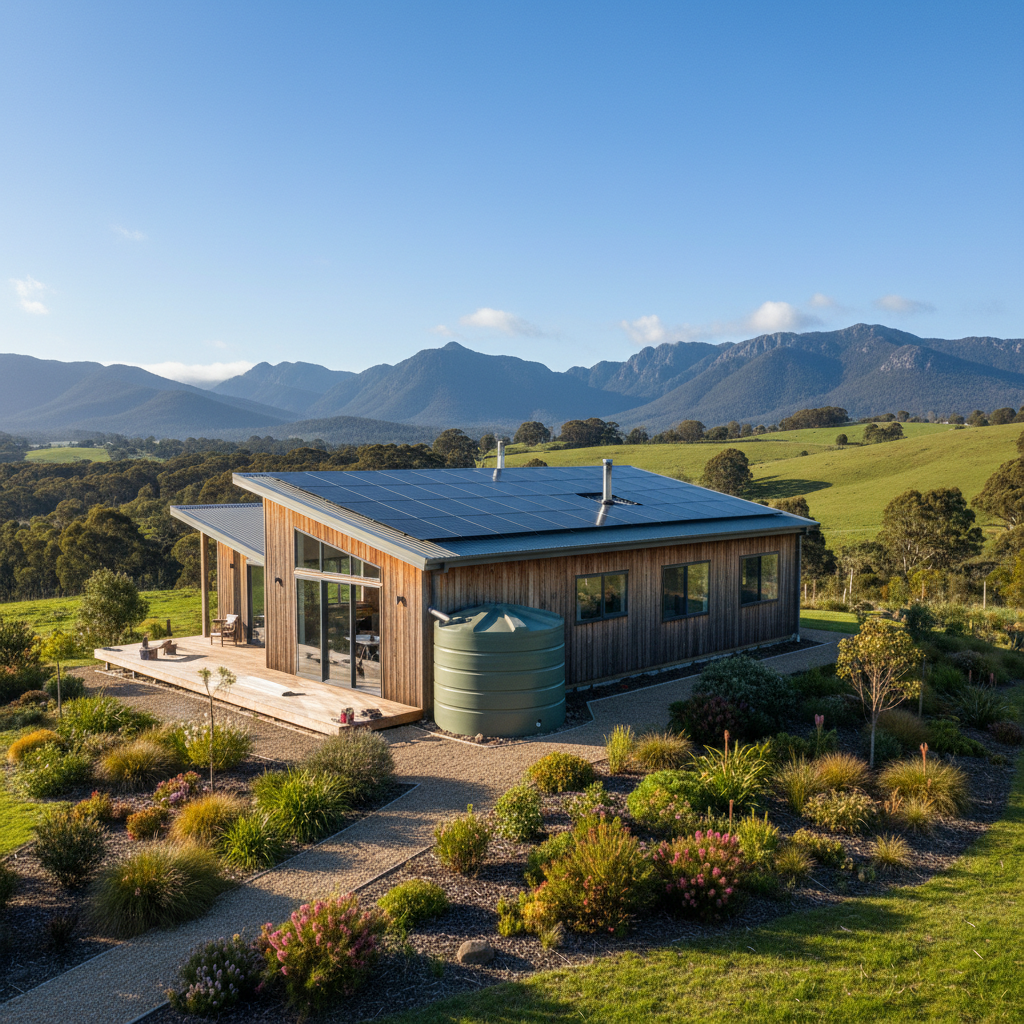
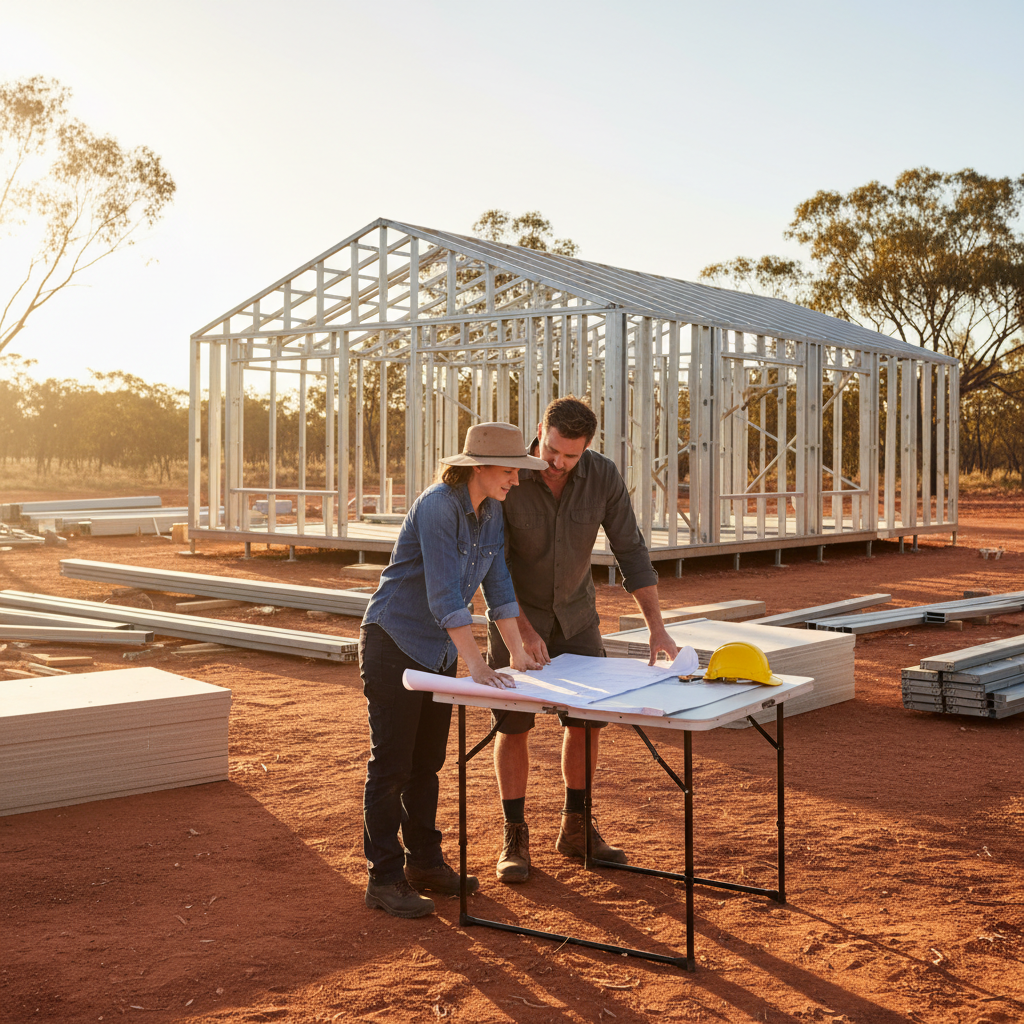
When we're talking about steel frame kits, you've got a massive advantage. Using BlueScope TRUECORE steel means your frames are dead straight. They don't warp or twist over time. This is huge for window placement because your openings stay pin-drop accurate, meaning those sliding or louvre windows won't bind up when the house settles. But a perfectly straight window won't help you if it's stuck on the wrong side of the house. You need to map out your site's wind patterns before you even pour the slab.
The pressure game: Why one window isn't enough
Air doesn't just wander into a house because you opened a window. Air moves because of pressure differences. To get a breeze, you need a high-pressure zone on one side of the house and a low-pressure zone on the other. This usually means an inlet and an outlet. If you open a window on the windward side of your home but have everything else shut tight, nothing happens. The air hits a wall of internal pressure and stops. Think of it like a straw. You can't blow air into a straw if your finger is over the other end. Not happening.
In most parts of coastal Australia, you're looking for that afternoon sea breeze. It usually comes from the North-East or South-East depending on where you're at. Don't just guess this. Go to the Bureau of Meteorology website and check the 'wind roses' for your specific town. Look at the 3pm stats. That's your target. You want your largest openings facing that direction. But here's the trick: your exit windows on the opposite side should ideally be slightly smaller than your inlets. This creates a venturi effect. It speeds the air up as it passes through the house. It's the difference between a stagnant puff of air and a genuine cooling draft that pulls the heat right off your skin.
Louvres are the unsung heroes of the kit home world
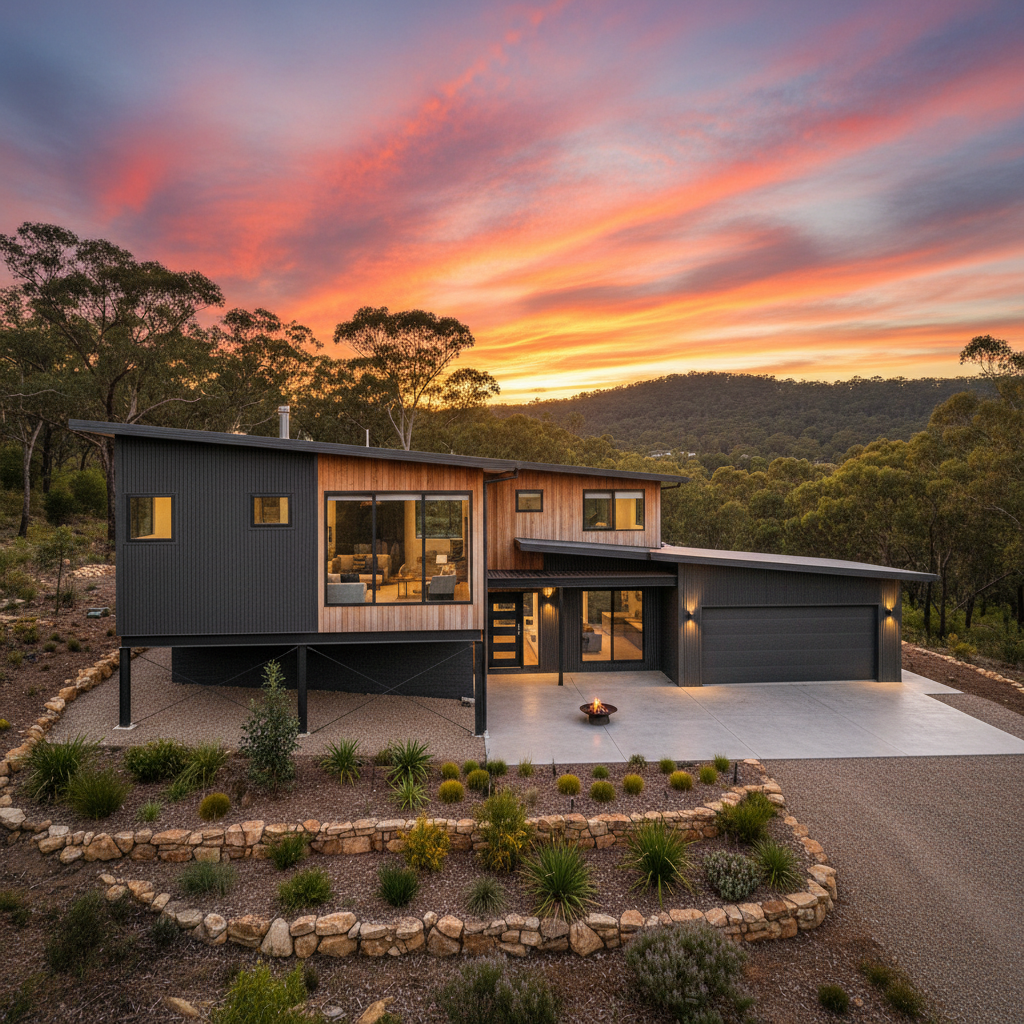
I'm a massive fan of louvres, especially for laundry areas, hallways, or high clerestory windows. Why? Because they give you nearly 100% airflow for the size of the opening. A standard sliding window only gives you 50% max because one pane is always blocking the other. Louvres also let you control the direction of the air. You can angle them up to flush out the hot air trapped against the ceiling. Heat rises. That's basic science. If you have a high ceiling in a kit home design like the 'Valley' or any skillion-roof plan, and you don't put a small window up high to let that hot air out, you're trapping a heat bank right above your head. It's a rookie mistake that costs a fortune in power bills later.
Steel frames and thermal bridging
We need to talk about the elephant in the room: steel is a conductor. While steel frames are superior for termite resistance and staying straight, they can transfer heat if you're lazy with your build. This is where your thermal break comes in. Under the NCC (National Construction Code), specifically Volume 2 for residential builds, you need to manage this. When you're installing your windows into a TRUECORE frame, ensure your window reveals and the foil-faced blankets or rigid board insulation are installed correctly. You want a continuous thermal envelope. If you get the insulation right and pair it with smart window placement, the steel frame actually stays protected from the exterior temperature extremes. It becomes a stable skeleton for a very high-performing house.
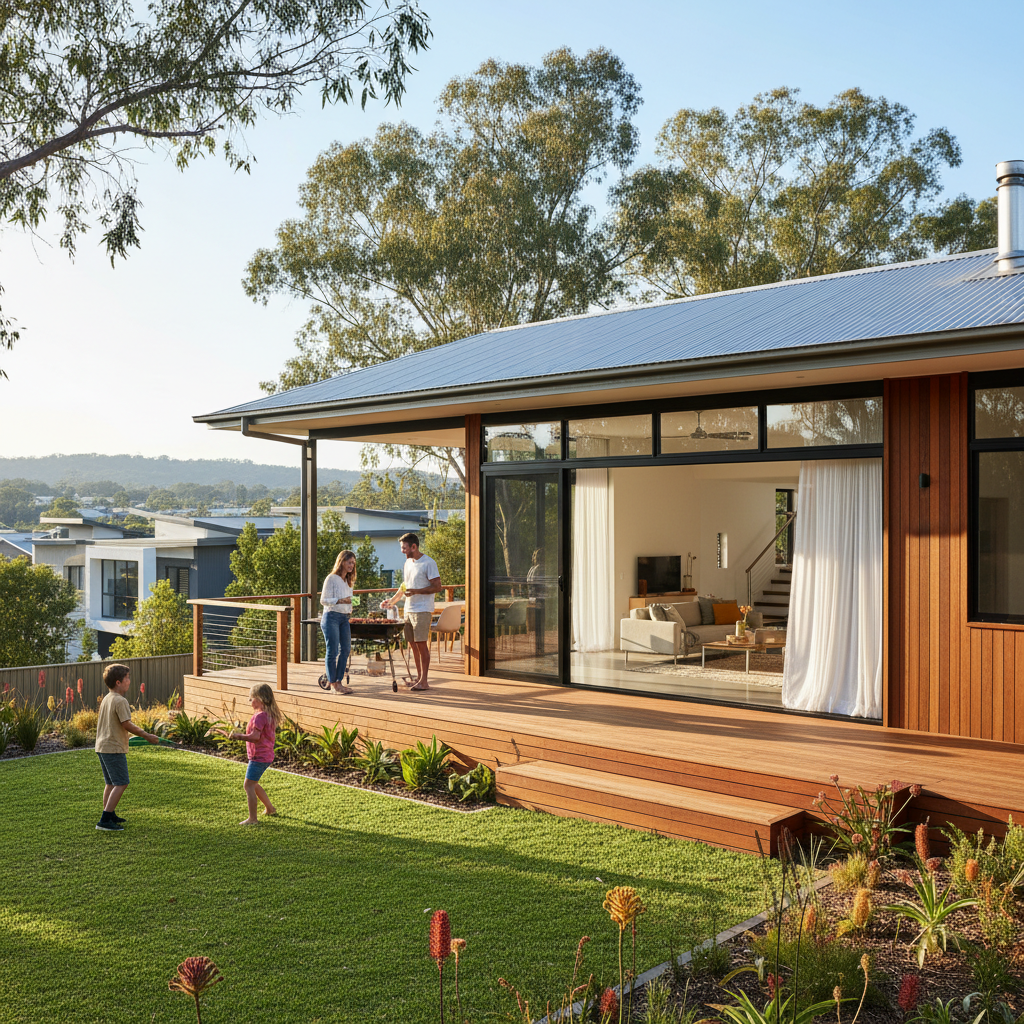
And don't forget the glass. If you're building in a high-wind area or somewhere like Western Sydney where it hits 45 degrees, don't skimp on the glazing. Get the low-E coating. It reflects the radiant heat back outside while letting the light in. Pair that with a decent eave. I reckon an 800mm or 900mm eave is the sweet spot for most Aussie builds. It shades the glass in summer when the sun is high but lets the winter sun creep in when it's lower in the sky.
The 'Double-Dogleg' path
Internal walls are breeze killers. If you've picked a kit home floor plan that's all tight corridors and closed-off rooms, you're going to struggle with cross-ventilation. You want a clear path for the air. This doesn't mean your house has to be one giant room. Use large internal openings or even high-level internal transom windows above bedroom doors. This lets air circulate through the house even when doors are shut for privacy. I always tell owner-builders to look at the 'path of least resistance'. If you stood at your front door with a leaf blower, where would the air go? If it just hits a wall and bounces back, you need to rethink your internal door placements or add a highlight window.
Another tip. Consider the placement of your flyscreens. I know, you need them because the mozzies in some parts of Oz are the size of small birds. But heavy-duty security mesh can actually reduce airflow by up to 30%. If you're in a safe area or high up, maybe stick to high-flow fibreglass mesh for the windows that are your primary breeze catchers. Every little bit counts when the humidity is sitting at 90%.
Orientation: The mistake you can't fix later
You can change your carpet. You can repaint a wall. You can't easily rotate a slab once the concrete's hard. Before the site works start, take your plans down to your block at midday. Mark out where the house will sit with some stakes and string. Where is the sun? If your big sliding glass doors are facing West without any protection, you're building a glasshouse. You'll be living behind closed blinds all summer, which sucks. Rotate the house if you have to. Even a 15-degree shift can make a massive difference in how the sun hits the glass and how the wind channels between your house and the neighbor's shed.
Plus, think about 'night purging'. This is a fancy term for opening the house up when the sun goes down to let the cool night air soak into your internal materials. In a steel kit home, you don't have the thermal mass of double brick, which is actually a benefit in summer because the house cools down much faster once the sun drops. You aren't sleeping in a brick oven that's still radiating heat at midnight. But you need to have the window openings to let that hot air escape quickly. It's about being active with your home. You've got to drive it like a car. Open the windward side, crack the high louvres, and let the house reset for the next day.
Building your own place is a massive undertaking. It's stressful, it's dusty, and you'll probably argue with your partner over tile choices. But getting the airflow right? That's the stuff that makes a house feel like a home. There is nothing better than sitting in a living room that feels five degrees cooler than the outside world just because you were smart with your window layout. Take the time to look at your site, suss out the wind, and don't be afraid to tweak the standard plan to suit your patch of dirt.