Taking the Reins: The Art of Owner-Builder Communication
So, you have decided to take the plunge and become an owner-builder. You have picked out your dream kit home design, the site is ready, and the excitement is building. It is a rewarding path that offers a level of creative control and personal satisfaction you simply cannot get from a volume builder. However, there is one skill that will determine the success of your project more than your ability to swing a hammer: your ability to communicate.
When you act as your own project manager, you are the bridge between the suppliers providing your high quality steel frames and the local trades who will turn those components into a finished home. In the Australian building industry, clear communication is the currency that buys you respect, quality workmanship, and a project that stays on schedule. This guide focuses on bridging the gap between your vision and the reality on site, ensuring your experience as an owner-builder is as smooth as possible.
Understanding the Supplier Relationship
Your journey usually begins with your kit home supplier. Unlike a traditional builder where you might be hands-off, as an owner-builder, you are the primary point of contact for the delivery of your home components. This includes your BlueScope steel frames, roofing, cladding, and windows. Effective communication here starts long before the truck arrives at your gate.
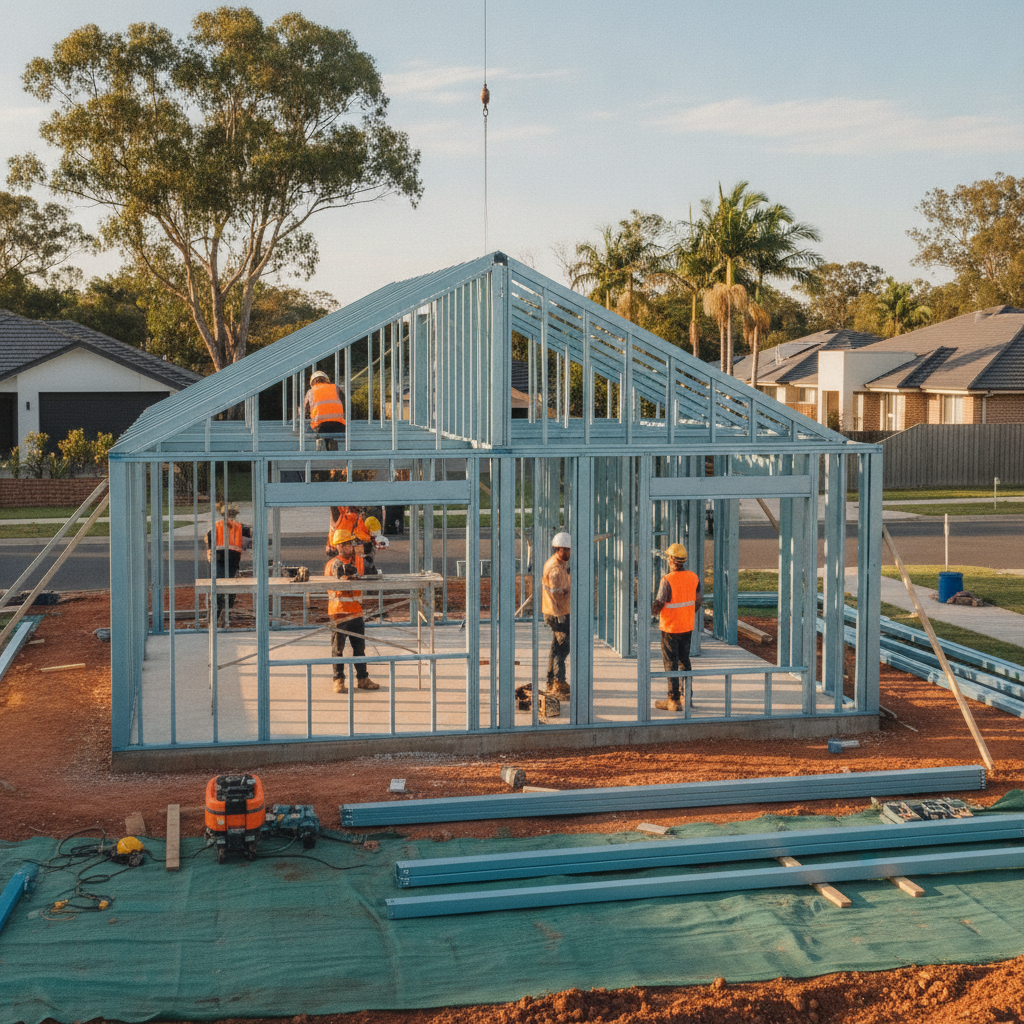
The key is to ask questions early and often. Take the time to understand the lead times for different components. Suppliers work on tight schedules, and a delay in one area can have a ripple effect on your entire project. When talking to your kit provider, ensure you have a firm grasp of the delivery sequence. For instance, knowing exactly when the TRUECORE steel frames will arrive allows you to coordinate your slab pour and your framing crew with precision.
Practical Tip: Create a dedicated email folder for your supplier correspondence. In the world of construction, having a paper trail of specifications, delivery dates, and technical drawings is your best defense against misunderstandings. If it is not in writing, it does not exist.
The Tradie Talk: Speaking the Local Language
Walking onto a construction site can feel like entering a different country if you are not used to the lingo. Plumbers, electricians, and carpenters all have their own shorthand. As an owner-builder, you do not need to be a technical expert, but you do need to be a clear communicator.
The most successful owner-builders are those who treat their trades as partners rather than just contractors. When you are looking for trades to install your kit home components, be upfront about your role. Tell them clearly that you are an owner-builder and that you are managing the project. Most Aussie tradies appreciate the honesty and are often happy to offer advice if they know you are eager to learn and well-organized.
The Power of the Scope of Work
One of the biggest causes of friction on a job site is a vague scope of work. To avoid this, provide every trade with a written document outlining exactly what you want them to do. If you are hiring a carpenter to erect your steel frame kit, specify that they are responsible for the frames, the trusses, and the external cladding. If you want them to install the windows as well, make that clear from the start.
A clear scope of work prevents the dreaded “extras” from appearing on your invoice. It also shows the trades that you are professional and prepared, which encourages them to take your project seriously.
Managing Site Logistics and Deliveries
Logistics can be the undoing of many owner-builders. You might have the best steel frame kit in Australia, but if the delivery truck cannot get up your driveway or the crane arrives before the slab is ready, you are in for a stressful day. Communication with suppliers regarding site access is critical.
Take photos of your site entry and send them to your suppliers. Mention any low-hanging branches, narrow gates, or boggy ground. If you are building in a rural area, give detailed directions that don’t rely solely on GPS, which can sometimes lead heavy trucks astray. By being proactive, you ensure that components like your roofing and wall cladding are dropped in a spot that is convenient for your trades, reducing double-handling and potential damage.
Harmonizing Kit Components with Local Trades
Because you are purchasing a kit that includes frames, roofing, and insulation, but sourcing your own trades for install and fit-out, you are the central hub of information. Your plumber and sparky need to know that they are working with steel frames. Modern steel frames come with pre-punched service holes, which makes their job easier, but they need to know this ahead of time so they can bring the right tools and grommets.
Hold a “pre-start” meeting on site with your key trades. Show them the plans and the kit specifications. This is the time to discuss things like where the internal walls meet the floor and how the insulation will be layered. When everyone is on the same page before a single nail is driven, the quality of the finish improves dramatically.
Conflict Resolution: Keeping Your Cool
Even with the best planning, things can sometimes go wrong. A delivery might be missing a trim, or a trade might not show up when they said they would. In these moments, your communication style will be tested. The golden rule is to remain calm and solution-focussed.
Instead of looking for someone to blame, focus on how to fix the problem. If a supplier has sent the wrong color cladding, call them immediately with the order number and photos. If a trade is running behind, ask for a revised timeline so you can update your other contractors. Aussie construction thrives on mutual respect. If you remain professional and reasonable, people will generally go out of their way to help you get back on track.
The Importance of Regular Check-ins
Do not be a stranger on your own building site. While you do not want to hover over your trades and micromanage every movement, regular check-ins are vital. A quick chat in the morning to discuss the day’s goals can catch potential errors before they become permanent. It is much easier to move a doorway on a steel frame before the plasterboard goes up than after.
Use these check-ins to ask, “Is there anything I can provide to make your job easier today?” Sometimes, it might be as simple as moving a pallet of materials or ensuring there is adequate power on site. This proactive approach builds a positive culture on your job site.
Wrapping Up the Journey
Building your own kit home is an incredible achievement. By mastering the art of communication, you transform from a casual observer into a capable project lead. Remember that your suppliers and trades want the project to be a success just as much as you do. They take pride in their work and their products.
By providing clear instructions, maintaining organized records, and fostering a respectful environment, you will navigate the complexities of the Australian building industry with confidence. Your reward will be a high-quality home, built to your standards, and the immense pride of knowing you steered the ship from start to finish. Happy building!