The Rise of the Savvy Owner Builder in Australia
There is a unique sense of pride that comes with standing on a plot of land and watching a house rise from the dirt, knowing you are the one pulling the strings. In Australia, the kit home movement has empowered thousands of everyday people to take charge of their housing future. By choosing a kit home, you get the precision of high quality components, like TRUECORE steel frames from BlueScope, delivered to your site, but the magic happens in how you assemble your team.
Being an owner builder is not just about swinging a hammer. In fact, for many, the most important tool they will ever use is their smartphone. Managing subcontractors is the heartbeat of a successful project. Whether you are building a coastal retreat or a rural homestead, the tradies you hire will determine the quality, timeline, and overall experience of your build. This guide dives deep into the art of managing subcontractors specifically for kit home projects in the Australian landscape.
Understanding Your Role in the Kit Home Process
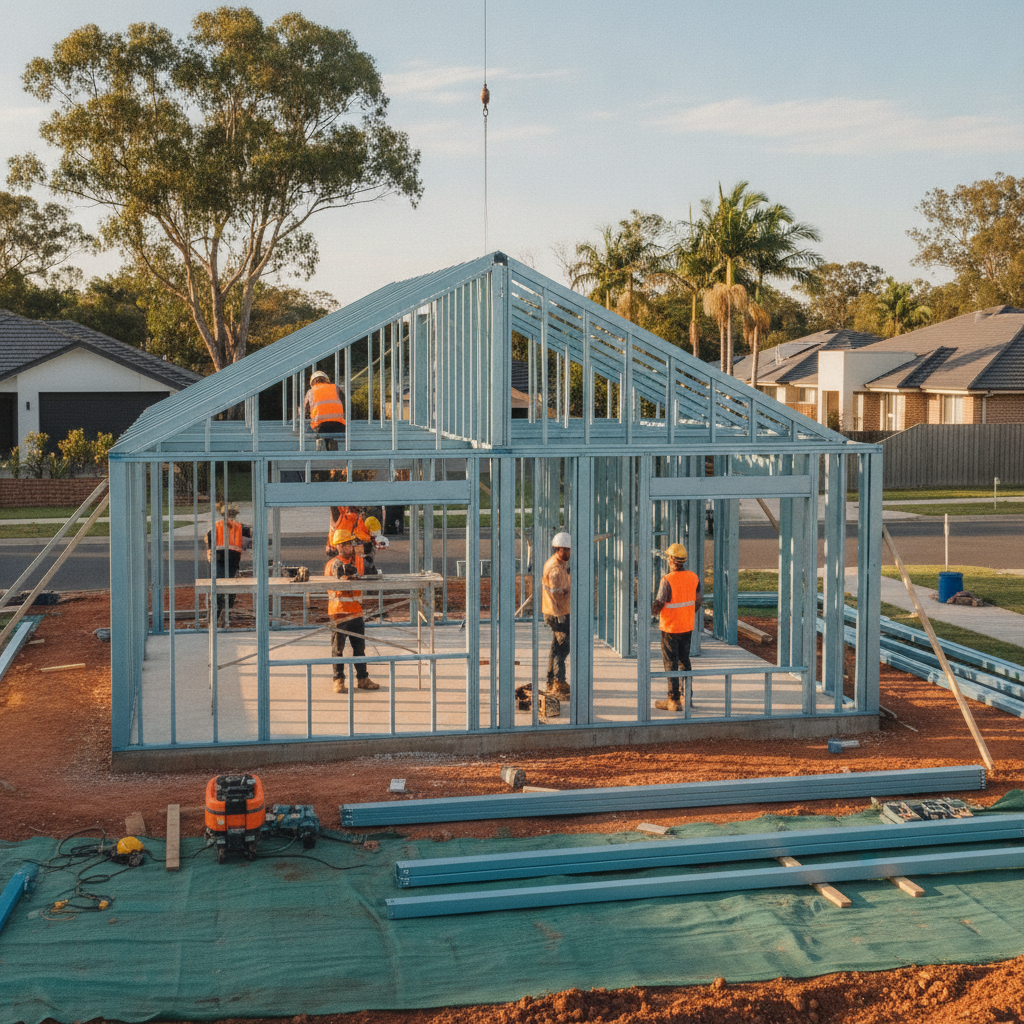
Before you start calling around for quotes, it is vital to understand where the kit provider ends and where you begin. When you purchase a kit home in Australia, you typically receive the structural components: the steel frames, trusses, roofing, cladding, and often the windows and doors. The kit provider is your supplier, but you are the project manager.
Your job is to coordinate the site works, the slab or flooring system, and the specialized trades like plumbers and electricians who make the house functional. You aren't just a client, you are the boss. This means you need to be organized, clear, and ready to lead.
Finding the Right Tradies for a Kit Home Project
Not all subcontractors are created equal when it comes to kit homes. Some tradies are accustomed to traditional timber stick-builds and might be hesitant when they see a steel frame kit arrive on site. Your goal is to find subcontractors who are forward thinking and adaptable.
Ask for References and Experience
When interviewing a carpenter or a roof plumber, ask if they have worked with steel frames before. Modern steel frames are incredibly accurate and easy to work with once a tradie knows the system, but you want someone who appreciates that precision rather than someone who wants to do things the old fashioned way. Ask to see photos of previous projects or, better yet, speak to a former client who was also an owner builder.
The Power of Word of Mouth
In the Australian building industry, a good reputation is gold. Join local owner builder Facebook groups or visit your local hardware store early in the morning. Ask around about who is reliable. A tradie who shows up when they say they will is worth their weight in BlueScope steel.
The Importance of Clear Communication
The biggest cause of friction on a building site is a lack of clarity. When you are managing subcontractors, you cannot afford to be vague. You need to provide them with the full picture from the start.
The Scope of Work
Never hire a subcontractor based on a verbal agreement alone. Create a simple "Scope of Work" document for each trade. If you are hiring a plumber, detail exactly what is required: under-slab drainage, rough-in for the kit home walls, and final fit-out of fixtures. This prevents the dreaded "I didn't know that was part of the job" conversation halfway through the build.
Provide the Manufacturer Specifications
One of the perks of a kit home is the detailed documentation provided by the supplier. Share these plans with your subcontractors early. If the electrician can see the layout of the steel studs before they arrive on site, they can plan their wiring routes more efficiently. Using steel frames means the holes for services are often pre-punched, which is a massive time saver for plumbers and sparkies, provided they know what to look for.
Scheduling: The Great Australian Jigsaw Puzzle
Managing a project timeline is perhaps the most challenging part of being an owner builder. In Australia, weather and supply chain issues can throw a wrench in the works, so your schedule needs to be both firm and flexible.
Sequence Matters
You cannot have the plasterers inside until the roof is on and the windows are in. You cannot have the electrician finish the fit-out until the walls are painted. Understanding the logical flow of construction is crucial. For kit homes, the arrival of the delivery truck is the starting gun. Ensure your slab is cured and your site is accessible before that truck arrives.
The Buffer Zone
Always build in a buffer. If a carpenter says the frames will be standing in five days, don't book the roof plumber for day six. Give it a couple of days of breathing room. This reduces stress for you and ensures your subcontractors aren't tripping over each other on a crowded site.
On-Site Management and Quality Control
You don't need to be an expert in every trade, but you do need to be an expert in your own house. As an owner builder, you should be on site as often as possible. Your presence signals to subcontractors that you care about the details.
The Daily Walk-Through
At the end of each day, walk through the site. Check that the work matches your plans. If something looks off, address it immediately. It is much easier to move a pipe before the slab is poured than it is afterward. Because kit homes are engineered to high tolerances, even a small error in the footings can cause headaches later when the steel frames are being bolted down.
Keep a Clean Site
A messy site is a dangerous and inefficient site. Encourage your subcontractors to clean up after themselves, but be prepared to do a bit of tidying yourself. A tidy workspace shows respect for the project and helps the next trade move in without delays.
Managing Relationships: The Human Element
In the Australian heat, a little bit of hospitality goes a long way. Treats like a cold drink on a Friday afternoon or a box of donuts can build immense rapport with your crew. Treat your subcontractors with respect. They are the experts in their craft, and a positive relationship means they are more likely to go the extra mile for you when things get tricky.
Listen to their advice. If an experienced concreter suggests a slight change to the driveway approach to better suit the local drainage, take it on board. They have seen hundreds of sites and their practical knowledge is one of the best resources you have access to as an owner builder.
Compliance and Paperwork
While we aren't talking about the dollars and cents, we must talk about the rules. Every subcontractor you hire must be licensed and insured. In Australia, this is non-negotiable. Before they start, ask for a copy of their current license and their public liability insurance certificate. Keep these on file in your project folder.
Furthermore, ensure you are across the Work Health and Safety (WHS) requirements for your state. As the owner builder, you have a responsibility to provide a safe working environment. This includes things like site fencing, toilet facilities, and ensuring the site is free of hazards.
The Reward of the Kit Home Journey
Managing subcontractors requires a mix of leadership, patience, and organization. By choosing a kit home with a high quality steel frame, you have already simplified a large part of the structural process. The precision of the components minimizes on-site guesswork, allowing you to focus your energy on coordination and finishing touches.
Yes, there will be days when the rain pours down or a tradie runs late, but the moment you walk through the front door of your finished home, knowing you managed the process from start to finish, is unbeatable. The Australian owner builder spirit is all about taking a hands-on approach to create a lifestyle that fits your needs. With the right team of subcontractors behind you, your kit home will stand as a testament to your hard work and vision for years to come.