Taking the Reins: The Owner-Builder Journey
There is a unique sense of pride that comes with standing in the middle of a home you helped bring to life. In Australia, the owner-builder path is a popular route for those who want more control over their housing destiny, and kit homes offer a fantastic framework to make that dream a reality. However, moving from a vacant block of land to a completed residence requires more than just a tool belt and a vision. It requires high-level organizational skills that would make a project manager blush.
When you choose a kit home, you are stepping into a partnership. The provider supplies the structural essentials, like the high quality steel frames, roofing, cladding, and windows, but the logistical dance of site works, trades, and compliance rests on your shoulders. Staying organized is not just a nice-to-have skill; it is the backbone of a successful build. In this guide, we will explore how to manage the moving parts of your owner-builder journey without losing your sanity.
The Digital Headquarters: Managing Your Paperwork
Before the first truck arrives on site, your project will generate a mountain of paperwork. From Council approvals and Owner-Builder permits to engineering specifications and delivery schedules, you need a system that ensures no document is more than two clicks away.
Create a dedicated digital environment for your project. Cloud-based storage folders like Google Drive or Dropbox are invaluable. Organize these folders by category: 'Approvals & Permits', 'Site Drawings', 'Trade Quotes', and 'Supplier Delivery Notes'. Having digital copies on your phone means that when a plumber asks for the slab dimensions while you are standing in the middle of a muddy site, you can pull up the PDF instantly.
Don't ditch the physical world entirely, though. A heavy-duty weather-proof binder kept on-site is essential. Include a set of laminated floor plans and electrical layouts so that any sub-contractor can reference the master design without needing to touch your clean tablet or phone.
Mastering the Timeline: The Sequencing Secret
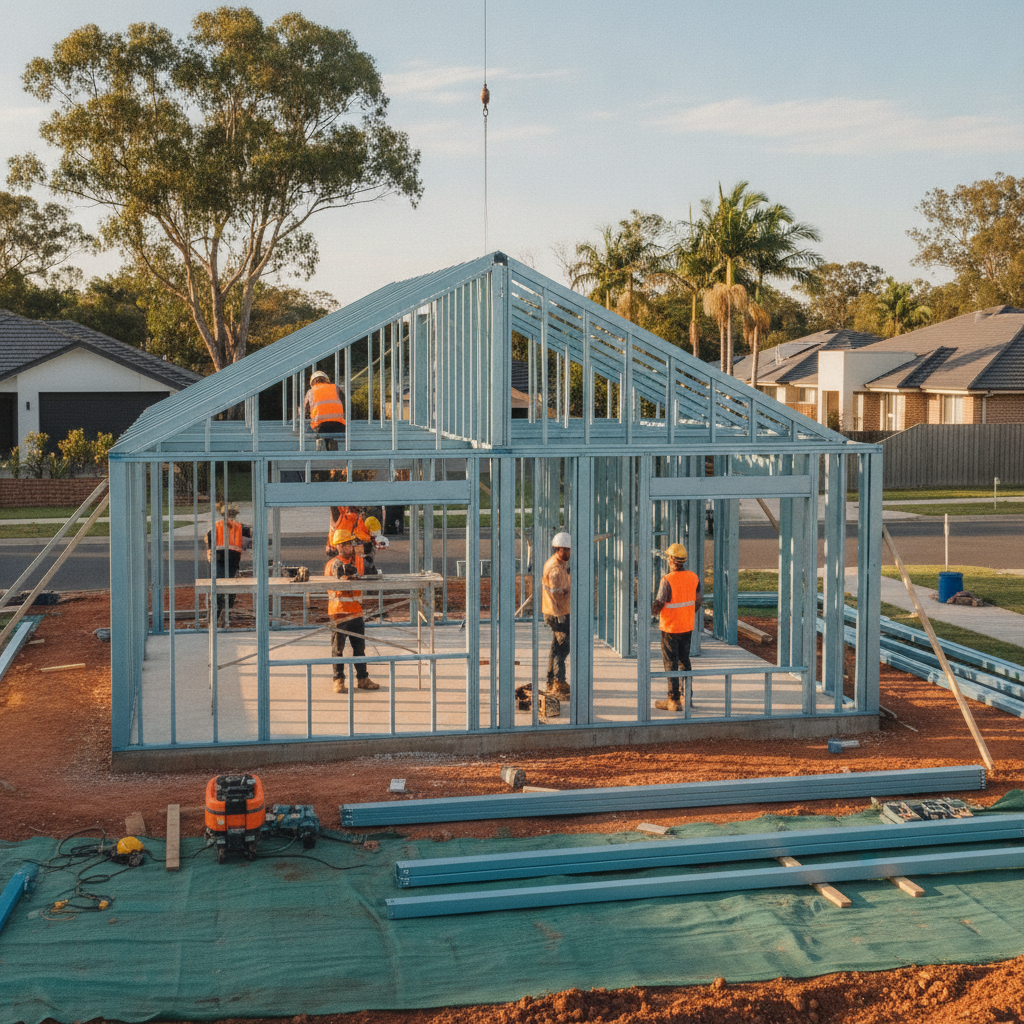
The most common hurdle for new owner-builders is the 'sequence of works'. Building a kit home is like a giant puzzle where some pieces must be laid before others can even exist. You can't install your insulation until the steel frames are up and the roof is on, and you can't get the frames up until your slab is poured and cured.
Map out your project using a Gantt chart or a simple digital calendar. Start from your target move-in date and work backward, but be realistic. In the Australian building industry, delays are part of the landscape. Rain can halt a slab pour, and a busy sparky might push you back a week. Build 'buffer time' into your schedule. If you think the cladding will take five days, allot seven. This prevents a domino effect where one small delay ruins your entire month of scheduled trades.
The Trade Relationship: Communication is Key
As an owner-builder, you are essentially the Site Supervisor. This means you need to speak the language of different trades. Whether it is the earthmover, the concretor, or the licensed electrician, clear communication is your best tool for staying organized.
When booking trades, always follow up a phone call with an email or a text message. Summarize what was agreed: the date, the time, the specific task, and the agreed rate. This creates a paper trail that prevents misunderstandings later on. Remember, good tradespeople are often booked out months in advance. Part of your organizational strategy should be identifying and 'soft-booking' your primary trades as soon as your council permits are in hand.
Site Logistics and Kit Deliveries
A kit home arrives in stages, often as a significant delivery of steel frames, roofing, and components. Unlike a traditional build where a builder handles the site mess, you are responsible for the logistics of the delivery day. You need to ensure there is clear access for a heavy truck and a designated, flat, dry area to store your materials.
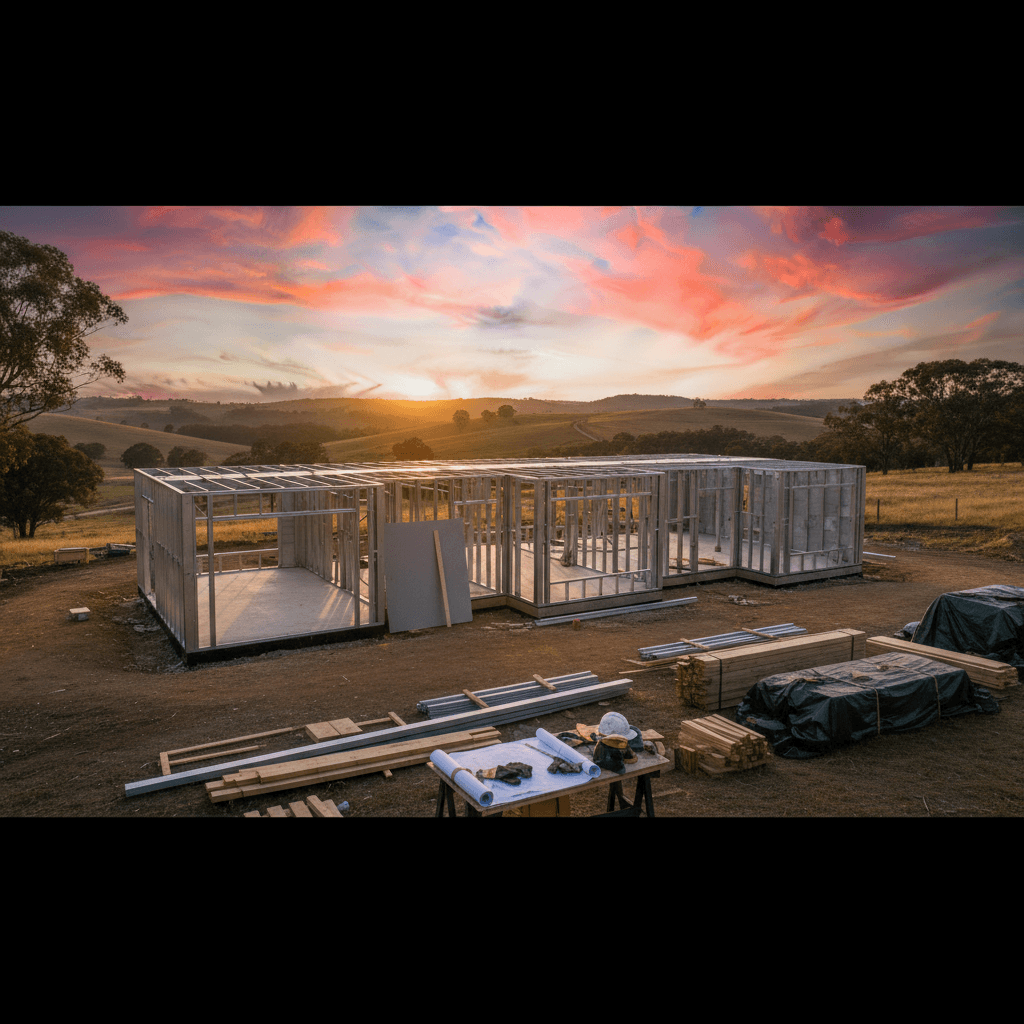
Organizing your site properly before the kit arrives will save you hours of back-breaking work later. If you drop your wall frames in the spot where the concrete truck needs to park, you will be moving those frames by hand in the heat of the day. Plan your 'drop zones' meticulously. Use timber dunnage to keep steel components off the ground and have heavy-duty tarpaulins ready to protect items from the unpredictable Australian weather.
The Importance of Quality Foundations
While the excitement usually centers on the walls going up, a well-organized owner-builder knows that everything depends on the slab or the flooring system. If your slab is even a few centimeters out of alignment, the precision-engineered steel frames of your kit home will be difficult to install.
Stay organized by being present during the formwork stage. Double-check your dimensions against the plans provided by your kit supplier. It is much easier to move a piece of timber formwork than it is to grind down cured concrete. Being hands-on during these foundational stages ensures that the rest of the 'bolt-together' process runs like clockwork.
The Internal Fit-Out: Planning Ahead
As the structure becomes lockable, your focus shifts to the internal fit-out. This is where your organizational skills really shine. Because you are sourcing your own kitchens, bathrooms, and floor coverings, you need to sync these deliveries with your internal trades.
A great tip is to create a 'Selection Schedule'. This is a simple spreadsheet that lists every room and the items needed within it, right down to the tapware and door handles. By choosing these items early, you avoid the 'decision fatigue' that often hits owner-builders mid-way through the project. It also allows you to provide your plumber and electrician with the 'rough-in' specifications they need before the walls are sheeted over.
Safety and Compliance: Non-Negotiables
You cannot be truly organized if your site is unsafe. As an owner-builder, you have a legal responsibility to maintain a safe work environment. This includes having a clearly defined site boundary, proper signage, and ensuring all trades have their 'White Card' and relevant insurances.
Keep a 'Site Induction' logbook. Every time a new trade enters the site, have them sign in and acknowledge the site safety rules. It keeps you compliant and sets a professional tone for the project. When trades see an organized, clean, and safe site, they are more likely to respect your timeline and deliver high-quality work.
Maintaining Momentum and Mental Health
The owner-builder journey is a marathon, not a sprint. To stay organized, you must also manage your own energy. Set small, achievable milestones rather than looking only at the finished house. Celebrating the completion of the roof or the day the windows are installed keeps the momentum high.
Try to keep your 'admin time' separate from your 'build time'. Dedicate one evening a week to sitting down at your desk to pay invoices, check the schedule, and place orders. This prevents the feeling of being constantly overwhelmed by the project 24/7.
Conclusion: The Reward of an Organized Build
Building your own kit home in Australia is an incredible way to secure your future. By choosing a system that utilizes durable BlueScope steel and high-quality components, you are starting with a solid advantage. The rest comes down to your ability to lead, plan, and organize.
Remember that every successful build is simply a series of small tasks completed in the right order. By keeping your paperwork in check, communicating clearly with your trades, and planning your site logistics in advance, you move from being a dreamer to a doer. Stay focused on the process, keep your binder updated, and soon enough, you will be turning the key to a home you built with your own two hands.