The Importance of Getting it Right
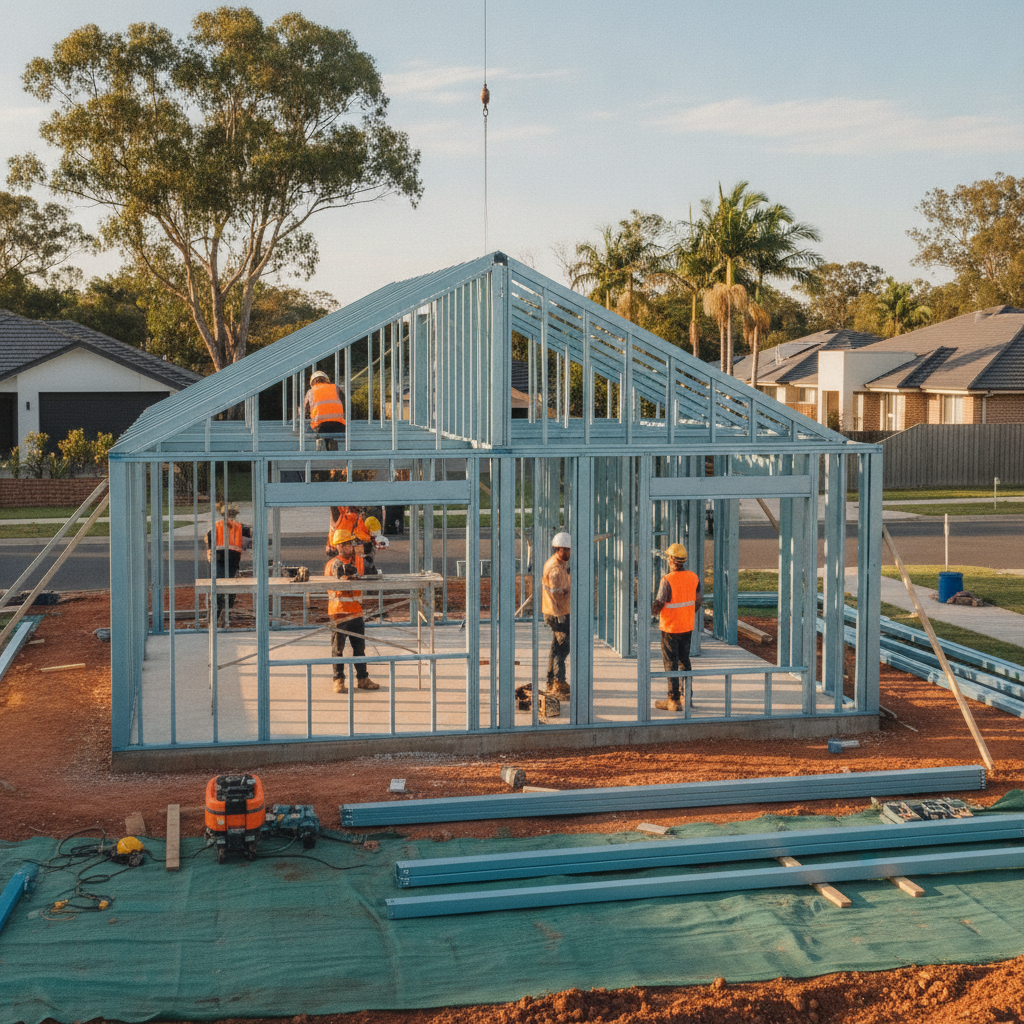
When you are embarking on the journey of building your own kit home, the sense of accomplishment as the steel frames go up is second to none. However, once the structure is secure and the roof is on, the focus shifts to the internal finishes. Among the most critical technical stages of any Australian build is waterproofing. In the world of building techniques, waterproofing is often where the amateurs are separated from the professionals.
In Australia, water damage is one of the leading causes of structural issues in residential buildings. For an owner builder, a failure in a wet area membrane can lead to timber rot, corrosion of fixings, and unsightly mould that can compromise the health of your family. This guide breaks down the professional approach to waterproofing your kit home wet areas, ensuring your build stands the test of time while meeting all Australian Standards (AS 3740).
The Fundamentals: AS 3740 and Compliance
Before you pick up a roller or a brush, you must understand the rules. In Australia, the National Construction Code (NCC) dictates that all wet areas must be waterproofed or water resistant. AS 3740 (Waterproofing of domestic wet areas) is your bible here. It specifies exactly where the membrane needs to go, how high it must climb up the walls, and how it should integrate with your drainage systems.
Even if you are doing the work yourself as an owner builder, you must ensure the work is compliant. In many states, you may be required to have a licensed professional sign off on the waterproofing or provide a certificate of compliance. Always check with your local council or private certifier before starting. Even if you choose to hire a pro for this specific task, knowing the technique allows you to supervise the work effectively.
Step 1: Surface Preparation is Everything
Professional waterproofers will tell you that the actual sealing is only 20 percent of the job, the other 80 percent is preparation. In a kit home, you are often working over a concrete slab or compressed fibre cement (CFC) flooring. The surface must be bone dry, structurally sound, and clinical levels of clean.
Start by sweeping and vacuuming the area to remove every speck of dust. If there are any oily residues or construction debris, the membrane will not bond correctly. Next, check for level. If your shower base requires a fall to the waste, this should be built into the screed or the floor structure before the membrane is applied. Any sharp protrusions, like screws that are not flush or bits of dried mortar, must be sanded back or removed.
Step 2: Priming the Substrate
Never apply a waterproofing membrane directly to raw villaboard or concrete. These materials are porous and will suck the moisture out of the membrane too quickly, leading to cracking and failure. Use a high quality primer specifically designed for the membrane system you have chosen. The primer acts as a bridge, ensuring the waterproof layer sticks to the substrate like glue. Apply the primer evenly and allow it to dry completely, usually a few hours depending on the Australian humidity levels.
Step 3: Bonds, Breakers, and Reinforcement
This is where many DIYers make mistakes. Buildings move. Whether it is thermal expansion in your steel frames or minor settling of the site, your home will move over time. If you apply a rigid membrane across a joint where a wall meets a floor, the movement will snap the membrane.
To prevent this, pros use "bond breakers." This usually involves a neutral cure silicone applied to all internal corners (wall to floor and wall to wall joints). Once the silicone is in, you apply a reinforcing fabric tape over the joint while the first coat of membrane is wet. This creates a flexible bridge that allows the house to move slightly without tearing the waterproof seal.
Step 4: The First Coat and Vertical Terminations
When you are ready to apply the liquid membrane, start with the corners and the "penetrations" (where pipes come through the wall). Use a brush to work the membrane into these tight spots. Once the corners are reinforced with tape and a base coat, use a thick nap roller to apply the membrane to the rest of the floor and walls.
How high should you go? For a shower area, the Australian standard requires the membrane to reach at least 1800mm high on the walls within the shower enclosure. For the rest of the bathroom, the floor must be waterproofed, with a "skirt" that goes up the wall at least 100mm. Pro tip: It is often safer and easier to waterproof the entire bathroom floor and up the walls to 150mm to create a complete "tanked" room.
Step 5: The Second Coat and Curing
Patience is a virtue in building techniques. One coat is never enough. After the first coat has dried (refer to the manufacturer's instructions, but usually 4 to 24 hours), apply a second coat at right angles to the first. This "cross hatching" technique ensures that any tiny pinholes left in the first layer are completely sealed by the second. The final result should look like a continuous, rubbery skin across the entire room.
Once finished, do not rush the tiler. The membrane usually needs 48 to 72 hours to fully cure before it can be walked on or have tiles bonded to it. If you apply tile adhesive too early, it can react with the membrane and cause it to re-emulsify, effectively melting your waterproof seal.
Integrating with Kit Home Structures
One of the advantages of building with a steel frame kit home is the precision and stability of the product. Steel does not warp or twist like timber when exposed to minor moisture during construction, which provides a very stable base for your wet areas. However, because steel is so rigid, ensuring those bond breakers in the corners are installed correctly is even more important to accommodate the micro movements of the structure.
When installing your wall linings, such as Villaboard or other wet area boards, ensure they are fixed firmly to the steel studs as per the manufacturer's layout. Any bounce in the wall boards will eventually lead to cracks in the waterproofing and tiles.
Common Pitfalls to Avoid
- The "Just One More Squirts" Error: Using the wrong silicone. Always use neutral cure silicone for bond breakers. Acid cure silicone can eat away at some waterproofing membranes.
- Skipping the Water Stop: Professional builds include a water stop angle (a small aluminium L-bracket) across the doorway. This prevents water from "wicking" through the tile glue into the hallway carpet or floorboards.
- Ignoring the Puddle Flange: The drain in the floor should have a puddle flange installed flush with the floor. The membrane must be painted down into this flange to ensure water that gets under the tiles goes down the drain, not into your subfloor.
Testing Your Work
If you want to be 100 percent sure, perform a flood test. Plug the drains and fill the floor with a few centimetres of water, marking the level on the wall. Leave it for 24 hours. If the water level hasn't dropped (accounting for evaporation), you have a perfectly sealed wet area. This gives you immense peace of mind before you lay expensive tiles over the top.
Final Thoughts
Waterproofing is a technical skill, but it is one that a diligent owner builder can master with the right knowledge and attention to detail. By following Australian Standards, preparing your surfaces meticulously, and using high quality materials compatible with your kit home's steel frame structure, you are protecting your investment for decades to come. Take your time, don't cut corners, and remember: if it isn't waterproof, it isn't finished.