The Owner Builder Guide to Better Communication
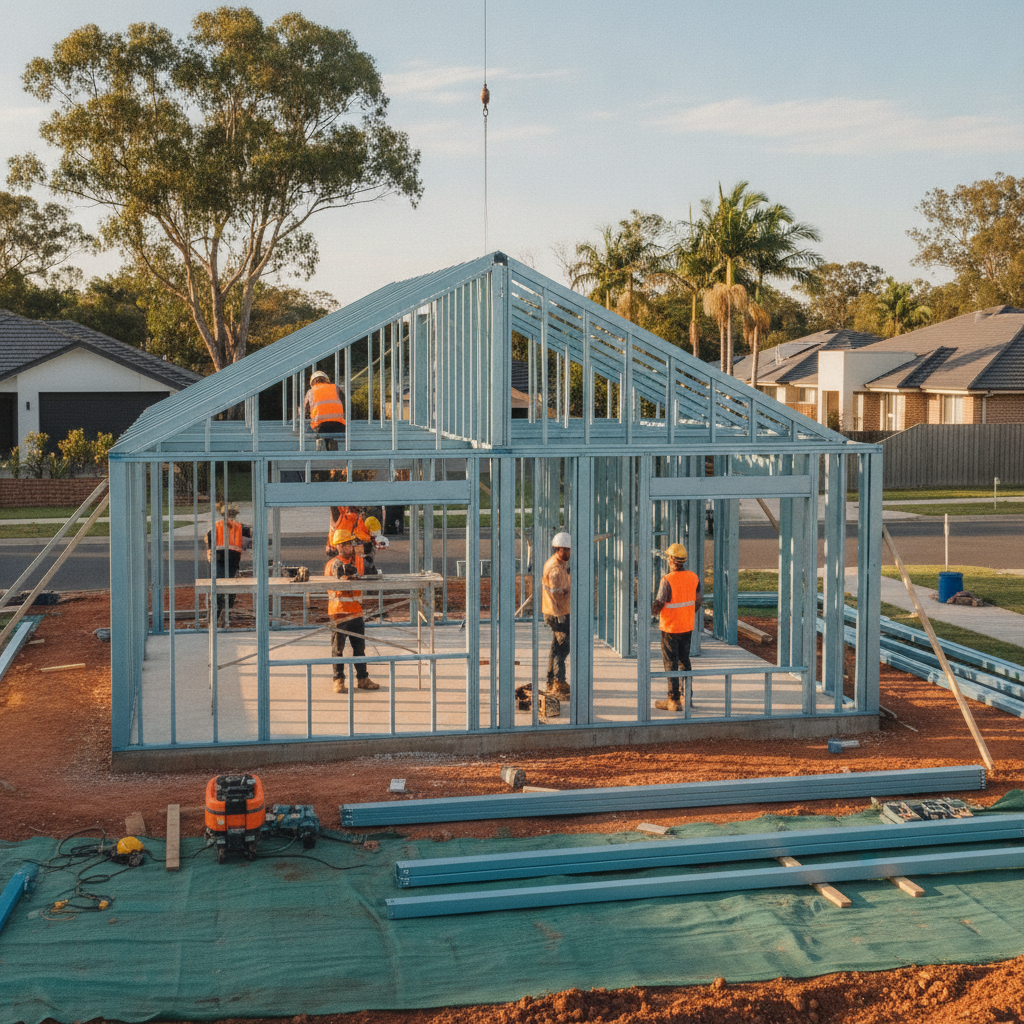
Taking on the role of an owner builder for your kit home project is one of the most rewarding challenges a homeowner can face. You are essentially the CEO of your own construction site. While the physical components of your home, like the TRUECORE steel frames and cladding, arrive ready for assembly, the human element of the build is often where the real work begins. Managing a building site requires more than just a set of tools, it requires the ability to communicate clearly, assertively, and professionally with a diverse range of tradespeople and suppliers.
Whether you are talking to the concreter about the slab or coordinating with a plumber to rough-in through your steel frames, your words carry weight. Effective communication ensures your vision is understood, prevents costly mistakes, and keeps the project moving on schedule. In this guide, we will explore how to navigate these professional relationships to ensure your owner builder journey is as smooth as possible.
Speaking the Language of Construction
One of the first hurdles for any owner builder is the terminology. You do not need to be an expert in every trade, but you do need to understand the basics of what each person is doing. When you speak the same language as your surveyor, sparky, or tiler, you build immediate rapport. They see that you have done your homework and are less likely to brush off your questions.
Before any trade arrives on-site, spend time reviewing your plans and the specific technical manuals provided with your home kit. Understand the difference between a load-bearing wall and a non-structural partition. Know where your service points are located in the floor plan. If you are unsure of a term, ask for clarification. Most tradespeople are happy to explain things to a client who shows a genuine interest in doing the job right. However, try to do your research beforehand so you are not slowing them down during their busiest hours.
Setting Clear Expectations from Day One
Misunderstandings happen when assumptions are made. As the owner builder, it is your job to eliminate guesswork. This starts with the quoting process. When requesting a quote, provide a clear scope of work in writing. Do not just say, I need a bathroom tiled. Instead, specify the tile size, the layout pattern, whether you want floor-to-ceiling coverage, and who is providing the grout and adhesive.
Once you have selected a tradesperson, have a pre-start meeting. This is your chance to discuss specific site rules, such as where they can park, any noise restrictions, and where their materials should be stored. Establishing these boundaries early sets a professional tone for the entire project. It shows that you are organized and that you respect their time as much as your own property.
The Power of Written Records
In the fast-paced environment of a building site, verbal instructions can easily be forgotten or misinterpreted. One of the best tips for an owner builder is to follow up every significant conversation with a summary email or text message. Even a simple message like, Hey Steve, just confirming we agreed on the 600mm spacing for the downlights today, can save hours of frustration later.
This creates a paper trail that protects both you and the tradesperson. If a mistake is made, you have a record of what was originally agreed upon. Additionally, keep a detailed site diary. Note down who was on-site, what work was completed, and any weather conditions that impacted the build. This practice is invaluable for tracking progress and managing the arrival of subsequent trades.
Managing Deliveries and Suppliers
Your kit home involves many moving parts, literally. From the moment your steel frames arrive to the delivery of your windows and doors, coordination is key. Suppliers generally work on tight schedules, and a delay on your end can have a ripple effect on their entire delivery route.
When communicating with suppliers, always confirm delivery dates 48 hours in advance. Ensure you have clear site access. Is the driveway clear? Is there a flat, dry area for the crane to unload the frames? If you are having your roofing or cladding delivered, make sure you have the necessary manpower on-site to help if required, or that the delivery driver knows exactly where to drop the materials to avoid moving them twice.
When the kit components arrive, conduct an immediate inventory. Check your delivery docket against what is on the ground. If there is a discrepancy or any visible damage, report it to the supplier immediately while the driver is still on-site. Clear, immediate communication regarding missing or damaged parts prevents delays during the assembly phase.
The Importance of Site Etiquette
A construction site is a workplace, and tradespeople appreciate a professional environment. While it is your home, while they are there, it is their office. Simple gestures can go a long way in building a positive relationship. Providing access to clean water, a kettle for morning tea, and a designated toilet facility is not just polite, it is often a legal requirement for site safety and health.
Try to stay out of the way while they are working. It is tempting to hover and watch every screw being turned, but this can be distracting and may lead to safety issues. Instead, schedule specific times for walkthroughs, perhaps at the end of the day or during a lunch break, to discuss progress or ask questions.
Handling Conflict with Professionalism
Even with the best planning, issues can arise. A wall might not be perfectly square, or a plumber might miss a pipe location. When you spot an error, address it immediately but calmly. Avoiding the problem will only make it harder to fix later, and getting angry usually shuts down productive conversation.
Approach the tradesperson with the mindset of problem-solving. Use your plans as a reference point. Say something like, I noticed the window opening doesn't match the dimensions on the kit layout, can we look at how to pull this back into alignment? This approach is much more effective than placing blame. Most professionals take pride in their work and will want to fix a mistake once it is pointed out politely.
Coordinating the Trade Sequence
One of the biggest communication challenges for an owner builder is the scheduling of trades. You need to ensure that the sparky completes the rough-in before the internal lining goes on, and that the plumber has finished their work before the slab is poured. This requires constant communication between you and all parties involved.
As you manage your kit home build, keep a master schedule and share relevant dates with your trades. If the frame assembly is taking longer than expected, let your following trades know as soon as possible. Giving a week's notice of a delay is much better than telling them the night before they are due to arrive. They will appreciate the heads up and will be more likely to fit you back into their schedule quickly.
Listening is Just as Important as Talking
Effective communication is a two-way street. Your tradespeople have years of experience and may offer suggestions that improve the build or save you time. Listen to their advice. If a carpenter suggests a slightly different way to finish a corner, or a roofer recommends an alternative flashing detail for better water runoff, take it into consideration.
While you are the boss, you are also working with experts. Valuing their input fosters a sense of teamwork. When trades feel that their expertise is respected, they are often more willing to go the extra mile to ensure your home is built to the highest possible standard.
Wrapping Up Your Build Journey
Building a kit home as an owner builder is a marathon, not a sprint. By prioritizing clear, honest, and professional communication, you set yourself up for a successful construction process. Remember that the people working on your site are your most valuable resource. Treat them with respect, keep your documentation organized, and never be afraid to ask questions.
As you watch your steel frames rise and your house take shape, you will realize that the relationships you built with your trades and suppliers were just as foundational as the slab itself. With these tips in mind, you can step onto your site with confidence, knowing that you have the communication tools to see your dream home through to completion.