Taking the Reins: The Owner Builder Journey
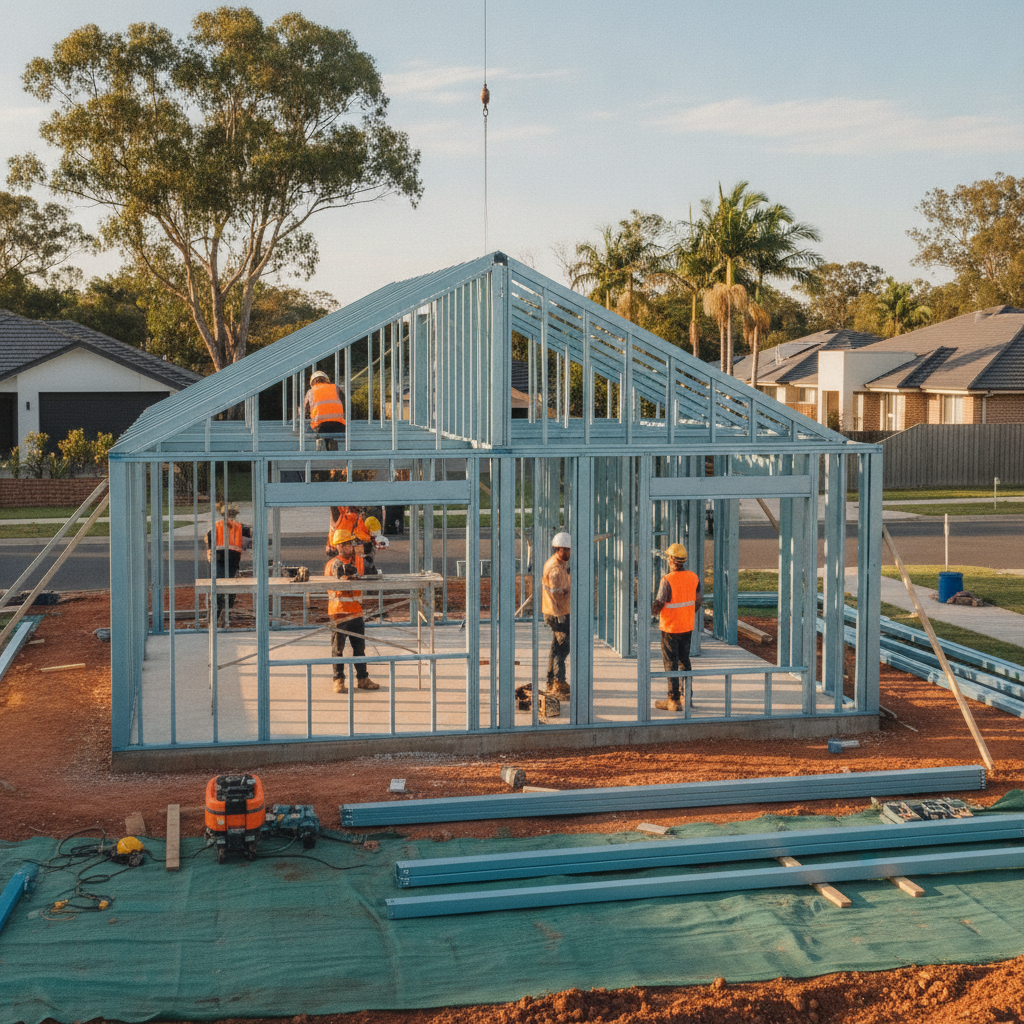
Stepping into the world of owner building is one of the most rewarding challenges a homeowner can undertake in Australia. There is a unique sense of pride that comes from watching a pile of steel frames and building materials transform into a finished dwelling under your own supervision. While your kit home provider delivers the high quality bones of the structure, including those precision engineered BlueScope steel frames, the success of the finish line depends heavily on how you manage the people on the tools.
Managing subcontractors is perhaps the most critical skill for any owner builder. You are essentially the project manager, the site supervisor, and the head of communications all rolled into one. When you are building a kit home, you aren't just a spectator, you are the conductor of a complex architectural orchestra. This guide will walk you through the essential steps to managing trades effectively, ensuring your steel frame masterpiece is completed to the highest standard.
1. Preparation is Your Best Friend
Before any tradie sets foot on your site, you need to have a clear roadmap. For an owner builder, this means having your council approvals, site surveys, and engineered drawings ready to go. Because you are working with a kit home, many of the technical headaches regarding structural integrity are already addressed in your plans. However, you need to ensure your site is prepared for the specific requirements of a steel frame build.
Subcontractors appreciate a site that is organized. If the plumber arrives to find the slab isn't poured or the excavator hasn't cleared the access point, you are losing money and time. Start by creating a detailed project timeline. While it is rarely a linear process, having a sequence of trades, such as plumber (rough-in), slab pour, frame assembly, and roofing, helps everyone stay on the same page.
2. Finding and Vettting the Right Tradies
The success of your kit home depends on the quality of the trades you hire. Don't simply go for the cheapest quote. In the Australian building industry, word of mouth is gold. Ask other owner builders in your local area for recommendations or check local community groups. When you are interviewing subcontractors, ask them specifically about their experience with steel frame construction.
Steel frames, like those made from TRUECORE steel, offer incredible precision and straight edges. You want a carpenter or a plasterer who appreciates working with materials that are consistently square. Ask for their license numbers and proof of insurance. As an owner builder, the liability rests on your shoulders, so ensuring every subcontractor is fully insured is a non-negotiable step.
3. The Art of the Scope of Work
Miscommunication is the leading cause of disputes on building sites. To avoid the classic it wasn't in my quote argument, you must provide a detailed Scope of Work (SOW) to every subcontractor. This document should outline exactly what you expect them to do, what materials they are providing, and what you (as the owner) will provide.
For example, when hiring a carpenter to erect your kit home frames, specify that they are responsible for following the assembly manual provided by the kit home supplier. Clarify who is responsible for the windows and doors installation. Since your kit includes the roofing and cladding, ensure the roofer knows exactly which profile they are working with. Clarity from day one prevents mid-project friction.
4. Communication: Keeping the Wheels Turning
Good communication doesn't mean hovering over a tradie's shoulder all day. It means being available to answer questions and making sure everyone knows who is meant to be on site and when. A weekly check-in with your upcoming subcontractors is a great habit. A quick phone call on a Thursday afternoon to confirm they are still coming on Monday can save you a lot of stress.
On-site, be polite but firm. If something doesn't look right, ask the question immediately. It is much easier to move a pipe or adjust a frame before the insulation and plasterboard go up. Remember, as an owner builder, you are the quality control officer. Using a steel frame makes this easier, as you won't have to worry about timber warping or twisting, giving you a reliable baseline for your finishings.
5. Understanding the Steel Frame Advantage for Trades
One of the best talking points you have with your subcontractors is the nature of the materials you’ve chosen. Australian steel frames are significantly lighter than traditional timber, which your carpenters will likely appreciate during the assembly phase. They are also pre-punched with holes for electrical and plumbing services.
When briefing your sparky and plumber, point out these service holes. It saves them time on drilling and ensures the structural integrity of the frame remains intact. If your subcontractors understand that the kit home system is designed to make their jobs more efficient, they are more likely to enjoy the project and deliver a better result.
6. Managing Deliveries and Site Logistics
An often overlooked part of subcontractor management is site logistics. If you have a delivery of roofing iron or windows arriving at the same time the electrician is trying to park his van, you’ll have a bottleneck. Coordinate your kit home deliveries to ensure they arrive when the relevant trades are ready to use the materials.
Steel frames should be stored flat and off the ground if they aren't being erected immediately. Ensure you have clear zones on your site for material storage. A tidy site is a safe site, and subcontractors are much more likely to respect your project if they aren't tripping over rubbish or hunting for parts in a disorganized pile.
7. Quality Control and Sign-Offs
As each trade finishes their portion of the work, conduct a thorough walkthrough before they leave the site. Check that the work matches the plans and meets Australian Standards. For an owner builder, this is where your White Card training and your owner builder permit knowledge come into play.
Check the plumbness of walls and the level of floors. One of the joys of a steel-framed kit home is that the frames stay true, providing the perfect canvas for your plasterers and tilers. If you find a mistake, address it then and there. Most tradies would rather fix a small issue now than have to come back in three weeks when another trade has blocked their access.
8. The Importance of Documentation
Keep a project diary. Note down who was on site, what they did, and any issues that arose. Take photos of everything, especially the stuff that gets covered up by walls, like plumbing lines, electrical wiring, and the insulation within the steel frames. These photos are invaluable for future maintenance and can be helpful if you ever need to clarify something with a building inspector.
Keep all your compliance certificates in one folder. Your plumber and electrician must provide you with certificates of compliance for their work. You will need these for your final occupation certificate from the council or your private certifier.
Conclusion: Leading Your Project to Success
Managing subcontractors as an owner builder is about more than just barking orders, it is about building relationships based on mutual respect and professional clarity. By choosing a high quality steel frame kit home, you have already set a foundation of precision and durability. Your job now is to lead your team of trades to match that quality in the fit-out and finishing.
Stay organized, communicate clearly, and don't be afraid to get your hands dirty alongside your team. The transition from a set of plans to a beautiful, livable home is a journey of a thousand small steps, and with the right management approach, your Australian owner builder experience will be a resounding success. Happy building!