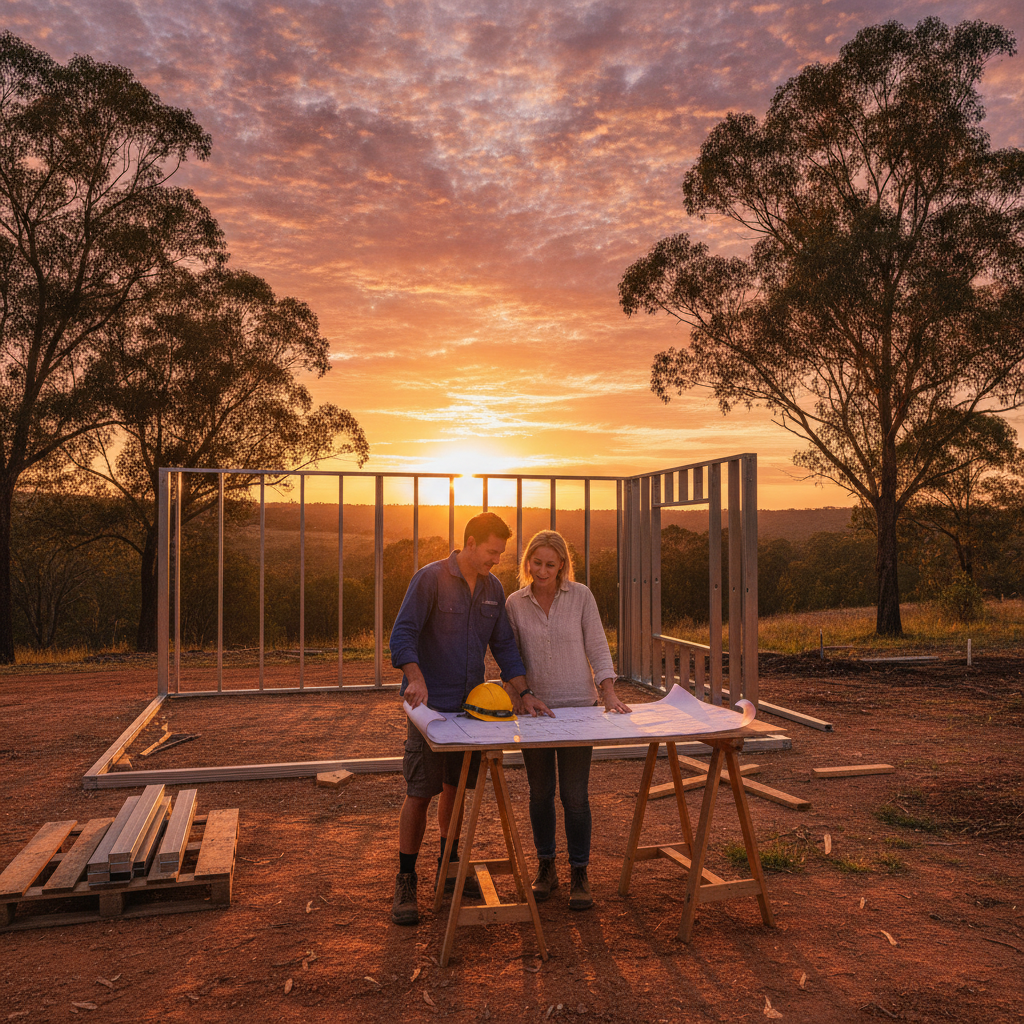
So, you've decided to be the boss?
There is nothing quite like the feeling of standing on your block of land, looking at a delivery of BlueScope steel frames, and knowing you are the one calling the shots. It is the ultimate Australian dream. But let's be fair dinkum for a second. Being an owner builder is about much more than just swinging a hammer or picking out paint colours. The real work happens in the gaps between the frames. It happens when you are on the phone at 7:00 AM chasing a sparky who was meant to show up yesterday.
Managing subcontractors is the make or break skill for any DIY project. You aren't just building a house; you're conducting an orchestra of tradies. If the percussion is out of sync, the whole song falls apart. We've seen plenty of projects run like clockwork, and we've seen others where the owner looks like they haven't slept since the slab was poured. The difference? Systems, communication, and a bit of old fashioned respect.
Finding the right crew for your kit home
Where do you even start? You can't just pick a name out of a hat and hope for the best. When you're building a kit home, you need tradies who understand the system. Some contractors might be used to traditional timber framing and might get a bit sussed out when they see a steel frame sitting on the slab. You want people who are keen to work with modern materials and aren't stuck in their ways.
Word of mouth is your best friend here. Head down to the local hardware store or the tradie cafe in the arvo and start asking around. Who is reliable? Who cleans up after themselves? But don't just take a stranger's word for it. Always ask for references and, if you can, go see a finished job. A quick chat with a previous client can save you heaps of heartache later on down the track.
One thing that catches people off guard is the licensing. In Australia, rules vary between states, but one thing remains constant: your contractors must be licensed and insured. Do not just assume they are. Ask for the paperwork. If they get shifty about showing you their license or their public liability insurance, that's your cue to walk away. It's not worth the risk.
The art of the scope of work
Ever told someone to "just get it done" and ended up with something completely different from what you imagined? Sound familiar? This is why a clear scope of work is vital. You need to be incredibly specific about what is included and, more importantly, what isn't.
For a kit home, this is where things get interesting. Since the frames, roofing, and cladding are often part of the kit, you need to make sure your installer knows exactly which parts they are responsible for. Are they doing the windows too? What about the insulation? Don't leave it to guesswork. Write it all down. Even a simple printed list is better than a verbal agreement made over a cuppa.
But how do you keep track of it all? Some people use fancy apps, others use a massive whiteboard in the shed. Use whatever works for you, as long as it's clear. When a plumber arrives on site, they should know exactly where they are supposed to be and what is expected of them by the end of the day. No excuses.
Scheduling: The big juggling act
Construction is a linear process. You can't put the plasterboard up before the electrical rough-in is finished. You can't do the rough-in before the steel frames are standing. It sounds simple on paper, but in reality, things go wrong. Rain happens. Delivery trucks get delayed. People get sick.
A good owner builder builds a buffer into their schedule. If you think the frame stage will take five days, book the plumber for day seven. Giving yourself that extra bit of breathing room prevents a massive pile-up of trades all trying to work in the same small space. Have you ever tried to have a tiler and a cabinet maker working in a laundry at the same time? It's a recipe for a blue.
And keep talking to them. A quick text message a few days before they are due to arrive can confirm they are still on track. Most tradies appreciate the reminder. It shows you're on top of things and respect their time. If you wait until the morning they are supposed to start to check in, you're asking for trouble.
Creating a site they actually want to work on
If your site is a mess, don't expect your subcontractors to be tidy. Lead by example. Keep the site clear of debris and make sure there is a designated spot for waste. If the site is organized, the work tends to be more organized too.
Small gestures go a long way in this industry. You don't have to put on a full roast lunch every day, but having a clean toilet on site is a non-negotiable. Maybe have an esky with some cold water or put on a barbie when a major milestone is reached. If the guys and girls on site feel appreciated, they'll be much more likely to go the extra mile for you when you need a favor later on.
Remember, you are the project manager. Your job is to clear the path so they can do their job. If they are waiting on you to make a decision or fetch a part, you're burning daylight. Be available to answer questions. Be decisive. If you don't know the answer, find out quickly.
The steel frame advantage for tradies
When you're dealing with subcontractors, it's worth pointing out the benefits of the materials you've chosen. Working with steel frames, especially those made from TRUECORE steel, can actually make their lives easier. The frames are straight and true. There's no warping or twisting to deal with like you might find with some timber. This means the windows fit perfectly and the plasterers get a flat surface to work with.
Electricians and plumbers often find that the pre-punched holes in steel frames save them a massive amount of time. No more spending hours drilling through studs. When you mention these types of details during the quoting stage, it can sometimes help your case. It shows you've thought the project through and have chosen a system that is efficient to work with.
Handling the hiccups
What happens when something goes wrong? Because it will. A tap is in the wrong place or a door opens the wrong way. Don't go off like a cut snake. Stop, take a breath, and look for a solution. Most mistakes are just a breakdown in communication.
Address issues as soon as you see them. It is much easier to move a pipe before the slab is poured than it is after. This is why you need to be on site as much as possible. You don't need to hover over their shoulder (nobody likes a micromanager), but you should be doing a walk-through at the end of every day. Check the work against your plans. If something looks wonky, speak up politely but firmly.
And what about those times when a contractor just isn't working out? If they are consistently late, do poor work, or are disrespectful, you might have to part ways. It's a tough conversation to have, but your home is likely your biggest investment. You can't afford to settle for sub-par work. Have a clear termination clause in your agreement so everyone knows where they stand if things go south.
Quality control and the final sign-off
Before you pay that final invoice, you need to be 100% happy with the work. This isn't being difficult; it's being thorough. Create a punch list (or a snag list) of small things that need fixing. Maybe a skirt board is loose or there's a scratch on a window frame. Walk through with the contractor and point these things out.
In Australia, we have strict building standards for a reason. Don't be afraid to ask for certificates of compliance for things like electrical, plumbing, and glazing. You'll need these for your final occupation certificate anyway, so get them as the jobs are finished. Don't wait until the end of the project to chase up a dozen different certificates from people who have already moved on to the next job.
Enjoying the win
It's easy to get bogged down in the stress of managing people, but don't forget why you started this. You're building a home. Every time a subcontractor finishes a stage, take a moment to appreciate the progress. The day the roof goes on is a cracker of a day. Celebrate it.
By the time you get to the end, you'll have a set of skills that most people never acquire. You'll know your house inside and out. You'll know exactly where every wire and pipe is hidden because you were there when they were put in. That's the real benefit of being an owner builder. It's not just about the house; it's about the pride of knowing you managed the whole show yourself.
So, take the plunge. Get your ducks in a row, find yourself a top-notch crew, and get building. It'll be a challenge, sure, but the result? Pure gold. No worries at all.