Taking the Reins: The Art of Managing Trades as an Owner Builder
There is a unique sense of pride that comes with standing on a plot of land and knowing that the house rising from the soil is a direct result of your hard work and coordination. In Australia, the owner builder path is a popular route for those who want more control over their living space and the building process itself. However, moving from the planning phase to the actual construction requires a shift in mindset. You are no longer just a homeowner, you are a project manager.
One of the most critical aspects of this role is managing subcontractors. From the plumber who lays the initial pipes to the electrician who finishes the lighting, your ability to communicate and coordinate will determine the success of your project. This guide dives deep into how to manage your trades effectively, with a specific focus on the benefits that come when working with modern steel frame kit homes.
Understanding the Workflow: Sequence is Everything
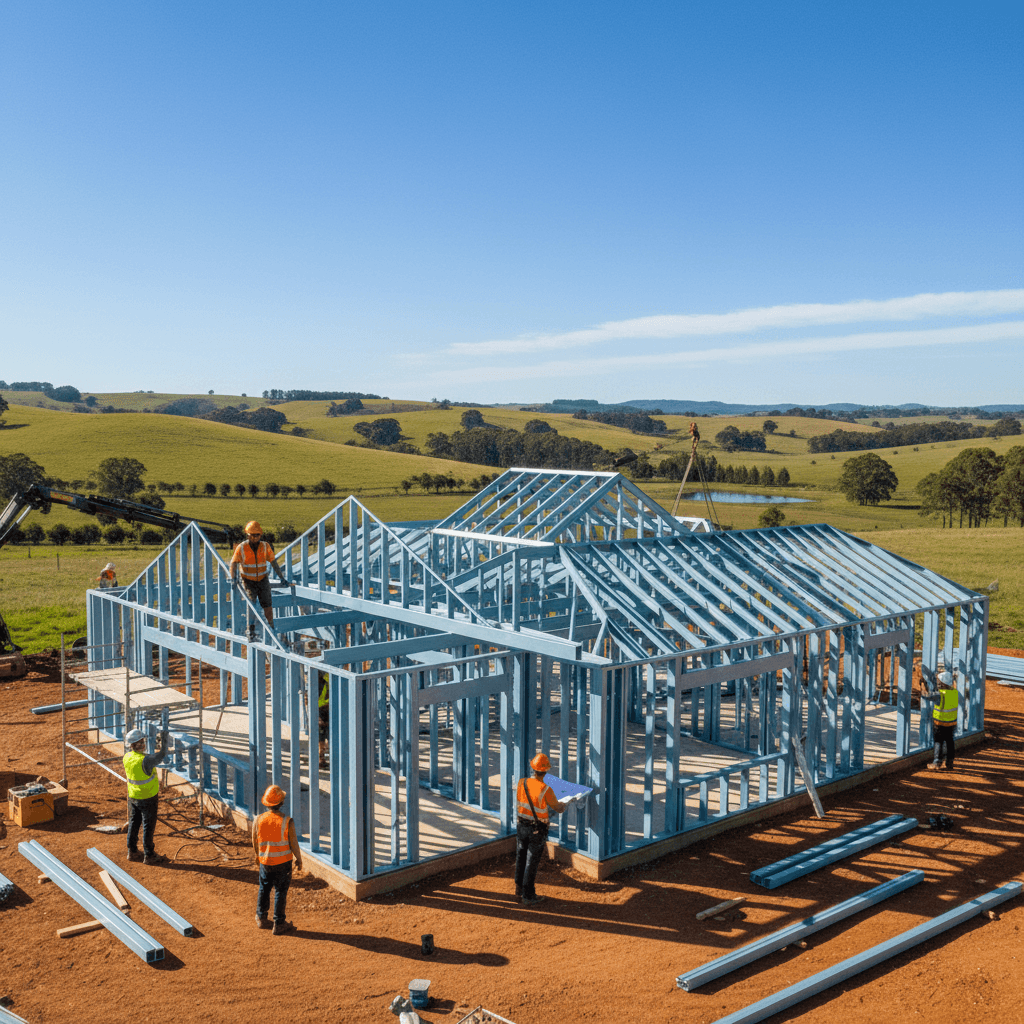
The first step in managing subcontractors is understanding the order of operations. You cannot have the plasterers showing up before the electrical rough-in is complete, and you certainly cannot have the roofers on site before your steel frames are standing. Building a kit home follows a logical progression, and your job is to ensure the hand-off between trades is seamless.
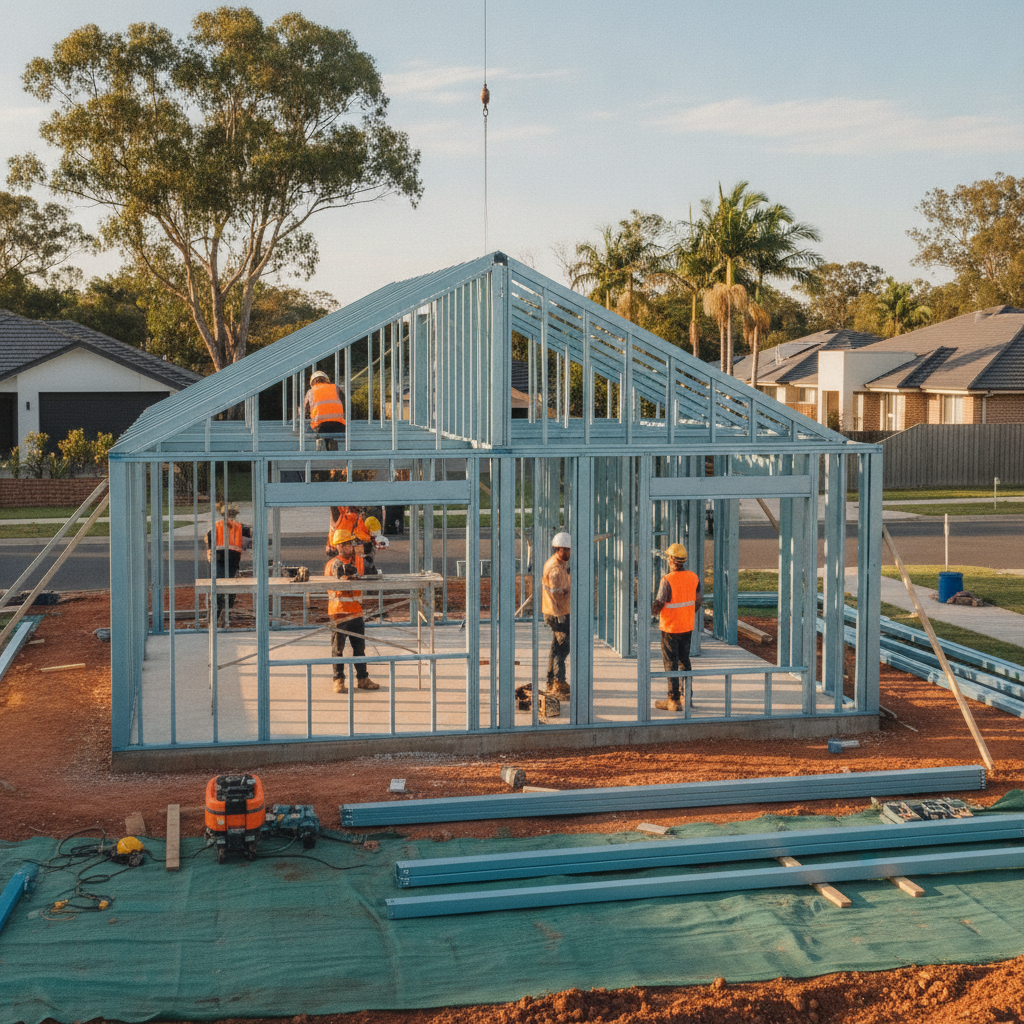
When you opt for a steel frame kit home using high-quality Australian steel like BlueScope TRUECORE, the structural phase often moves faster than traditional timber framing. The components arrive pre-punched for services, which is a major win for your subcontractors. Before your plumber or sparky arrives, point out these service holes. It saves them time on drilling and ensures the structural integrity of the frame remains intact. By making their lives easier, you establish a positive professional relationship from day one.
Finding and Vetting Your Team
Not all tradespeople are created equal, and not all are comfortable working on owner builder sites. When you start your search, be upfront about your status as an owner builder. This transparency ensures you hire professionals who are happy to provide guidance and work within your specific management style.
Ask for recommendations from local building supply stores or other owner builders in your community. When you speak to potential subcontractors, ask if they have experience with steel frame construction. While the basics are the same, a tradesperson who understands that steel frames are perfectly straight and true will often prefer working on your site because it makes their installations, such as cabinetry or tiling, much simpler.
Check Licenses and Insurances
This is a non-negotiable step. Every subcontractor you hire must have a valid license for their trade and their own public liability insurance. As an owner builder, you carry significant responsibility, and ensuring your team is fully insured protects you and your project. Don't be afraid to ask for copies of these documents for your records before they set foot on site.
The Power of Clear Communication
Communication breakdowns are the leading cause of delays on building sites. To manage your subcontractors effectively, you need to be clear about expectations, timelines, and the scope of work. Provide your trades with the full set of plans provided with your kit home. These plans are the bible for your build, and the precision of the steel frame diagrams will help them provide accurate quotes.
Use written contracts or detailed work orders for every trade. This doesn't have to be overly complex, but it should clearly outline what they are responsible for, what materials you are providing (such as the frames, windows, and cladding from your kit), and what they need to supply (such as consumables or specialized fixings). Clearly state that the site must be left clean at the end of each day. A tidy site is a safe site, and it reflects the standard of work you expect.
Scheduling Without the Stress
The Australian weather can be unpredictable, and so can delivery timelines. When scheduling subcontractors, build in 'buffer days'. If you expect the steel frames to be erected in five days, don't schedule the roof plumber for day six. Give yourself a couple of days of wiggle room in case of rain or minor hiccups.
A digital calendar or a simple spreadsheet can be your best friend here. Keep track of when each trade is booked and follow up with a phone call or text message one week prior, and again 48 hours before they are due on site. Regular check-ins show that you are an organized and professional manager, which encourages them to prioritize your job.
The Steel Frame Advantage for Trades
One of the hidden benefits of managing a kit home build featuring a steel frame is the accuracy it offers. Because steel frames are manufactured to millimetre precision in a controlled environment, they do not warp, twist, or shrink over time. This is a massive advantage for your subcontractors.
For example, when your window and door installer arrives, they will find that the openings are perfectly square. When the kitchen installer comes to fit the cabinetry, they won't have to spend hours shimming and adjusting for wonky walls. Pointing these benefits out to your trades can often lead to more competitive quotes, as they know the job will be straightforward and won't involve fixing structural inconsistencies.
Managing On-Site Conflict
Even with the best planning, disputes can arise. Perhaps a trade hasn't followed the plans precisely, or there is a disagreement about the quality of finish. The key is to address issues immediately and calmly. Point back to the agreed-upon plans and the kit manufacturer's instructions. As an owner builder, you are the final authority on site, but listening to the professional advice of your trades is equally important. Often, a quick conversation can resolve a misunderstanding before it becomes a costly error.
Practical Tips for a Smooth Build
- Site Access: Ensure there is clear access for delivery trucks and that there is a designated spot for materials to be stored safely, away from the main thoroughfare of the site.
- Document Everything: Take photos of the work at every stage, especially before the wall linings go on. Knowing exactly where the electrical cables and plumbing pipes are located within the steel frame is invaluable for future maintenance.
- Health and Safety: You are responsible for site safety. Ensure there are proper amenities for workers and that everyone follows standard safety protocols, including wearing appropriate PPE.
- Payment Schedules: Never pay the full amount upfront. Agree on progress payments based on completed milestones. For example, pay the plumber Once the rough-in is inspected and approved.
Final Inspections and Sign-Offs
As each subcontractor finishes their portion of the work, conduct a walk-through with them. Check that everything has been completed as per the plans and that the quality meets your standards. In Australia, certain trades like plumbing and electrical must provide you with a certificate of compliance or a certificate of electrical safety. Do not make the final payment until you have these documents in hand, as you will need them for your final occupancy certificate.
Conclusion: Empowerment through Coordination
Managing subcontractors as an owner builder is a learning curve, but it is also incredibly rewarding. By choosing a kit home that utilizes a precision engineered steel frame, you are already one step ahead, providing your trades with a stable and accurate environment to work in. Whether you are building on a suburban block or a rural retreat, the principles of clear communication, rigorous vetting, and organized scheduling remain the same.
Embrace the role of project manager with confidence. You are the architect of your own project's success. With the right team around you and a high-quality kit home as your foundation, you are well on your way to turning your dream into a tangible, beautiful reality.