Taking the Reins: Insurance for the Australian Owner Builder
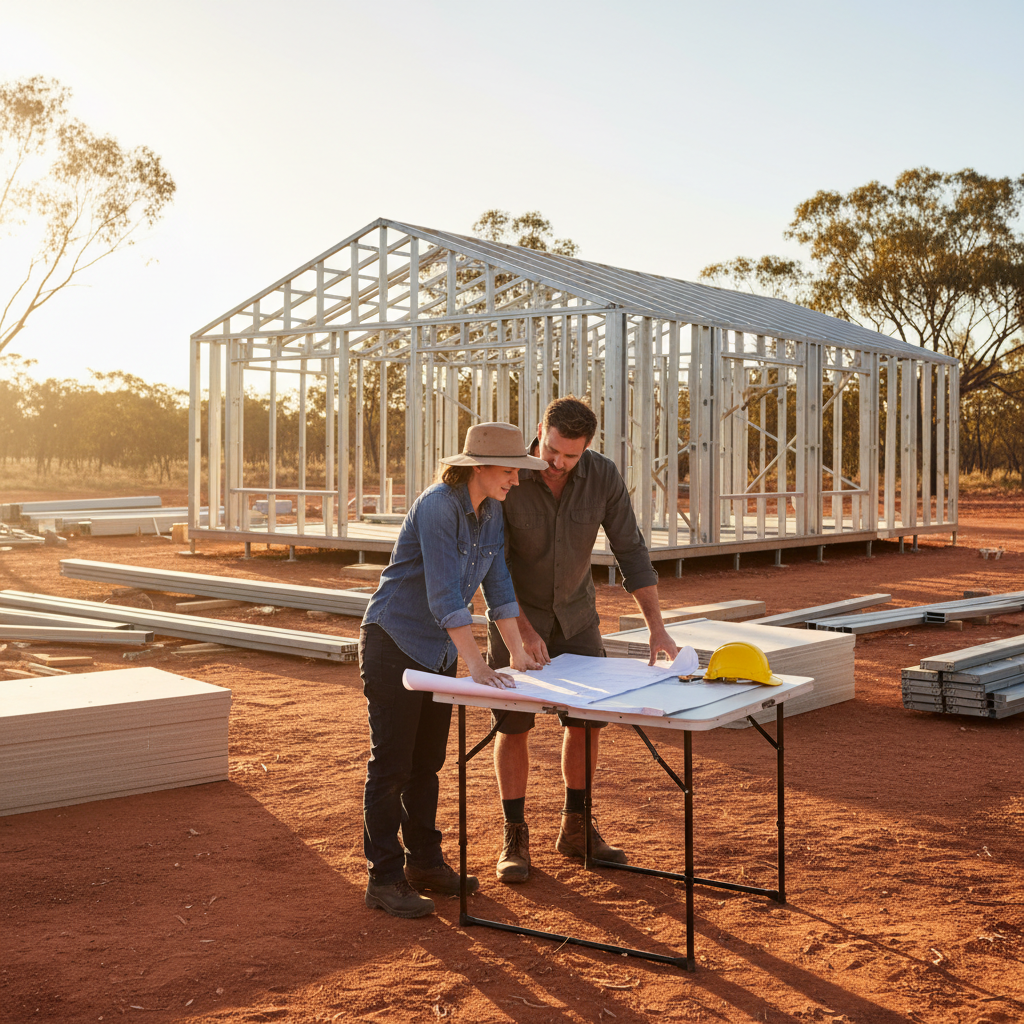
There is a unique sense of pride that comes with being an owner builder in Australia. Stepping onto your site, watching the steel frames of your new kit home rise against the horizon, and knowing you are the one calling the shots is an incredible feeling. However, with that control comes a significant amount of responsibility. While you might be focused on the technical aspects of the build, like ensuring your BlueScope Steel frames are perfectly aligned, there is a less exciting but equally vital side to the project: insurance.
Insurance is often the last thing an owner builder wants to think about, yet it is arguably the most important safety net you will ever have. When you take on the role of a builder, you aren't just a homeowner anymore. You are a project manager, a site supervisor, and the person legally responsible for everything that happens on that block of land. In this guide, we will break down exactly what coverage you need to ensure your journey from slab to move-in day is as smooth and protected as possible.
The Essential Trio: Foundation Cover for Your Build
When you are managing a kit home project, your insurance needs differ significantly from a standard home and contents policy. In fact, most standard policies will not cover a home under construction. You need specialized products designed for the specific risks associated with a building site. Here are the three pillars of owner builder protection.
1. Construction and Public Liability Insurance
This is the big one. Construction insurance (often called Contract Works insurance) protects the physical structure of your kit home while it is being built. If a freak storm rolls through and damages your partially installed roofing or cladding, this policy is what keeps you from having to pay for replacements out of your own pocket. It generally covers events like fire, flood, storm damage, and malicious damage.
Public Liability is equally critical. It protects you if a third party is injured on your site or if your construction activities cause damage to someone else's property. Imagine a delivery driver tripping over a stack of timber or a fence being damaged during site works. Without Public Liability, you could be personally liable for massive legal and medical costs.
2. Personal Accident or Income Protection
As an owner builder, you are often the primary labor force or at least the primary coordinator. If you take a tumble on site and find yourself unable to work for six months, who is going to manage the trades? More importantly, how will you support yourself? Since owner builders are generally not covered by workers' compensation in the same way an employee would be, having a personal accident policy is a smart move to protect your lifestyle while you recover.
3. Volunteer Labor and Trades
Aussies love to help out their mates. It is common for friends and family to offer a hand with painting or landscaping. However, if a friend gets hurt while helping you, your standard liability might not be enough. Some owner builder policies offer specific add-ons for volunteer labor. For professional trades, you must always ensure they have their own current insurance, but your policy acts as the secondary layer of protection for the site as a whole.
Domestic Building Insurance: The Legal Requirement
It is important to distinguish between insurance that protects you during the build and insurance that protects future owners. Many Australian states require owner builders to obtain Domestic Building Insurance (DBI), also known as Home Warranty Insurance, if they decide to sell their home within a certain period (usually six to seven years) after completion.
This insurance covers the purchaser for structural defects and non-completion if the builder (in this case, you) dies, disappears, or becomes insolvent. Even if you plan on living in your kit home forever, life happens. Understanding the DBI requirements in your specific state is vital for long-term compliance and peace of mind.
Why Kit Homes Require Specific Attention
Building a kit home is a great way to manage a project because much of the heavy lifting, such as the engineering of the steel frames and the supply of quality materials like TRUECORE steel, is handled at the supply stage. However, the period between delivery and installation is a vulnerable time. When your kit materials arrive on site, they become your responsibility.
Ensure your insurance policy covers "transit and off-site storage" if possible, or at the very least, ensure your Construction Insurance kicks in the moment the materials are unloaded on your block. Having a pile of high-quality glass windows and steel cladding sitting on site without insurance coverage is a risk no owner builder should take.
Practical Tips for Managing Your Risk
The best way to keep your insurance premiums down and your site safe is through proactive risk management. Here are some hands-on tips to help you stay protected:
- Keep a Clean Site: A messy site is a dangerous site. Tripping hazards are the leading cause of minor injuries. Regularly clear away offcuts and debris.
- Secure the Perimeter: Proper temporary fencing is often an insurance requirement. It prevents members of the public from wandering into danger and discourages theft of materials.
- Document Everything: Take photos of your progress weekly. If you ever need to make a claim, having a visual record of the state of the build prior to the incident is incredibly helpful.
- Verify Your Trades: Before a plumber or electrician steps onto your slab, ask for a copy of their Certificate of Currency for their insurance. Store these in a dedicated folder or digital drive.
- Update Your Policy: If the scope of your work changes significantly or if the build takes much longer than expected, call your broker. An expired policy is the same as no policy.
The Role of Steel Frames in Risk Mitigation
While insurance covers the "what-ifs," the materials you choose can help reduce some inherent risks. For example, using steel frames for your kit home provides a level of resilience that insurance companies appreciate. Steel is non-combustible, which is a major factor in bushfire-prone areas across Australia. It is also termite-proof, meaning you won't be facing structural issues down the track caused by pests that are often excluded from standard insurance policies once the home is finished.
Common Pitfalls to Avoid
One of the biggest mistakes owner builders make is assuming that their home and contents insurance will carry over once the home is at the "lock-up" stage. Most insurers will not cover the home until a Certificate of Occupancy has been issued. There is often a gap between finishing the build and moving in where the house is most vulnerable to theft of appliances or fixtures. Make sure your construction policy extends until the moment you officially transition to a standard residential policy.
Another pitfall is under-insuring. When calculating the sum insured, don't just think about the cost of the kit. Think about the cost of the site works, the labor of the trades, the cost of clearing the site after a total loss, and the rising cost of materials. It is always better to be slightly over-insured than to find yourself short during a rebuild.
Conclusion: Peace of Mind for Your DIY Journey
Becoming an owner builder is one of the most rewarding ways to create a home in Australia. By choosing a kit home, you are already taking a smart, organized approach to construction. Pairing that high-quality steel-framed kit with the right insurance coverage is the final piece of the puzzle.
Insurance isn't just a box to tick for the council, it is your protection against the unexpected. It allows you to focus on the joy of building, the precision of the installation, and the eventual lifestyle you will enjoy in your new home. Take the time to speak to a specialist broker who understands the Australian owner builder market, read the fine print, and then pick up your tools with the confidence that you, your family, and your investment are well-protected.