Creating a Sanctuary for Every Member of the Family
For most Australians, the dream of owning a home isn't complete without a wagging tail at the door or a cat curled up in a sunlit corner. We are a nation of pet lovers, and as more of us turn to the flexible, rewarding world of kit homes to build our own bit of paradise, pet-friendly design has moved from a 'nice to have' to a top priority. Moving into a home you have built yourself is a milestone, and ensuring it stands up to the rigours of pet ownership while looking like a magazine spread is the ultimate goal.
Whether you are situated on a sprawling rural acreage or a cozy suburban block, the way you layout and finish your kit home can drastically change how you and your pets live together. The beauty of the kit home process is the level of customization available during the design phase. As an owner-builder, you have the unique opportunity to integrate smart, pet-centric features into the very bones of your house. In this guide, we will explore why pet-friendly design is trending across Australia and how you can make your new build a durable, stylish haven for everyone.
The Rise of Pet-Centric Australian Living
In recent years, Australian housing trends have shifted toward 'multi-species' living. We no longer view pets as purely outdoor animals. They are indoor companions who share our couches and our floor space. This shift has led to a demand for designs that handle high traffic, shedding, and the occasional muddy paw print without sacrificing aesthetic appeal. When you are looking at kit home floor plans, it is important to think about the 'flow' of the home not just for humans, but for your four-legged friends too.
Smart Flooring: The Foundation of a Pet-Friendly Home
The biggest challenge for any pet owner is the floor. Scratches from claws and the inevitable 'accidents' mean that carpet is often off the menu for high-traffic zones. Many Australian owner-builders are opting for polished concrete or high-quality hybrid laminate flooring. These options are incredibly durable and easy to clean.
If you prefer a warmer feel, luxury vinyl planks are a fantastic choice. They mimic the look of hardwood but are water-resistant and provide better grip for older dogs who might struggle on slick surfaces. When your kit arrives with its steel frame and roofing, and you begin the fit-out phase, prioritizing hard-wearing flooring will save you hours of maintenance in the long run. Remember to choose matte finishes or textured surfaces to help hide hair and dust between cleans.
Mudrooms and 'Paws-Stops'
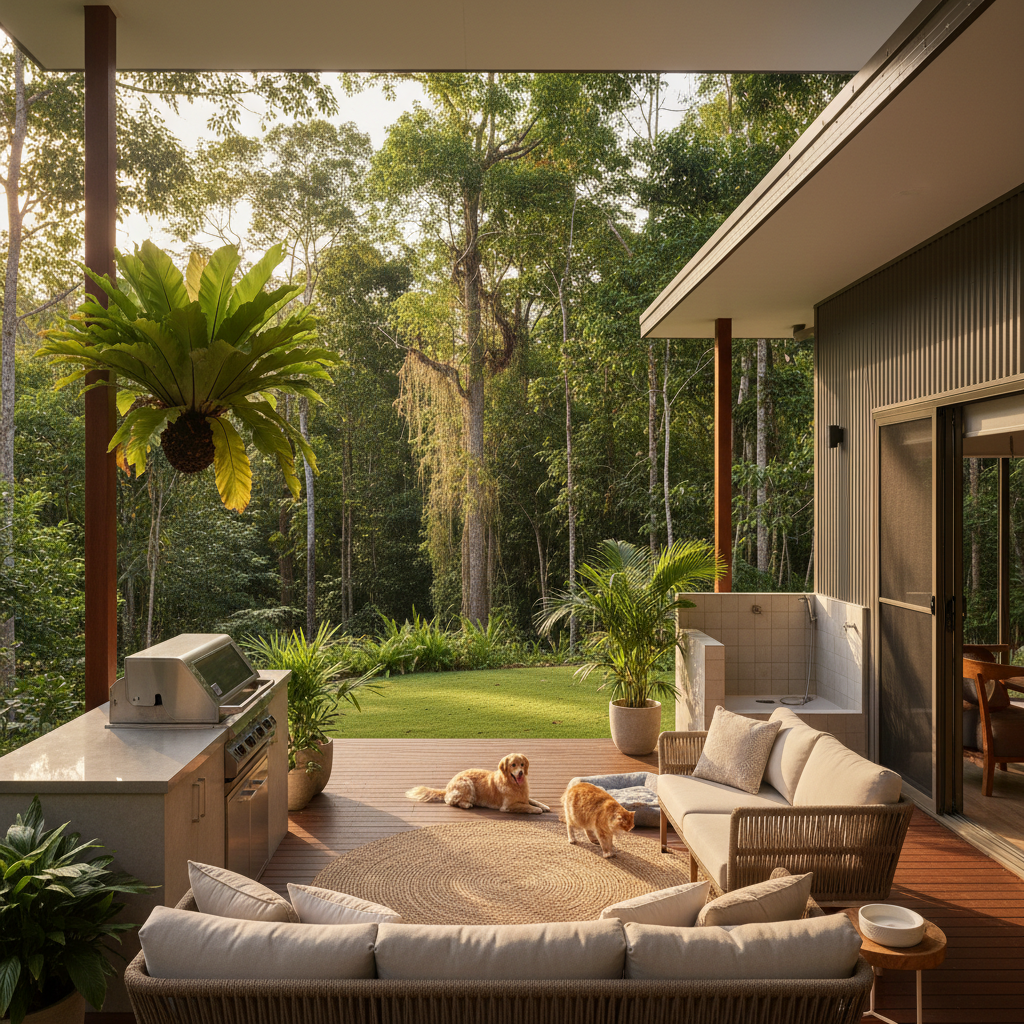
One of the most practical additions to an Australian kit home is a dedicated mudroom or an oversized laundry. If your site is prone to red dust or wet winters, having an entry point where you can intercept a muddy dog before they reach the living room is a game changer. Many kit home owners are now installing 'paw-wash' stations. This is essentially a raised tiled shower base within the laundry or mudroom, equipped with a handheld shower head.
This design feature allows you to wash off dirt, sand, and ticks after a bushwalk without breaking your back over a bathtub. It also doubles as a great spot to wash muddy boots or gardening gear. By planning this plumbing into your slab and kit layout early on, you turn a standard utility room into a high-functioning pet spa.
Integrated Pet Furniture and Storage
Clutter is the enemy of great interior design. Large dog beds in the middle of the hallway or bags of kibble sitting on the kitchen bench can disrupt the harmony of your home. During your kit home design phase, consider 'built-in' solutions. This might include:
- Under-stair dens: If your kit home is a two-story design, the space under the stairs is perfect for a cozy, built-in dog crate or bed nook.
- Kitchen island bowls: Designing a recessed alcove at the end of a kitchen island for water and food bowls keeps them out of the way of foot traffic.
- Dedicated cabinetry: Allocate a tall cupboard in the laundry specifically for pet food, leashes, and toys to keep the rest of the house tidy.
Natural Light and Safe Outdoor Access
Australians love indoor-outdoor living, and so do our pets. Large glass doors and windows are a staple of modern kit home designs, providing plenty of natural light. For cats, a wide window sill or a 'Catio' accessible via a small pet door can provide hours of entertainment. For dogs, ensuring that your kit home features easy access to a secure backyard is essential.
When selecting your windows and doors for the kit, consider the height of the glass. Floor-to-ceiling windows allow even small dogs to see outside, reducing anxiety and territorial barking because they can actually see what is happening on their 'patch'. Just ensure you choose high-quality glass that can withstand a few enthusiastic nose prints!
The Benefits of Steel Frame Construction for Pet Owners
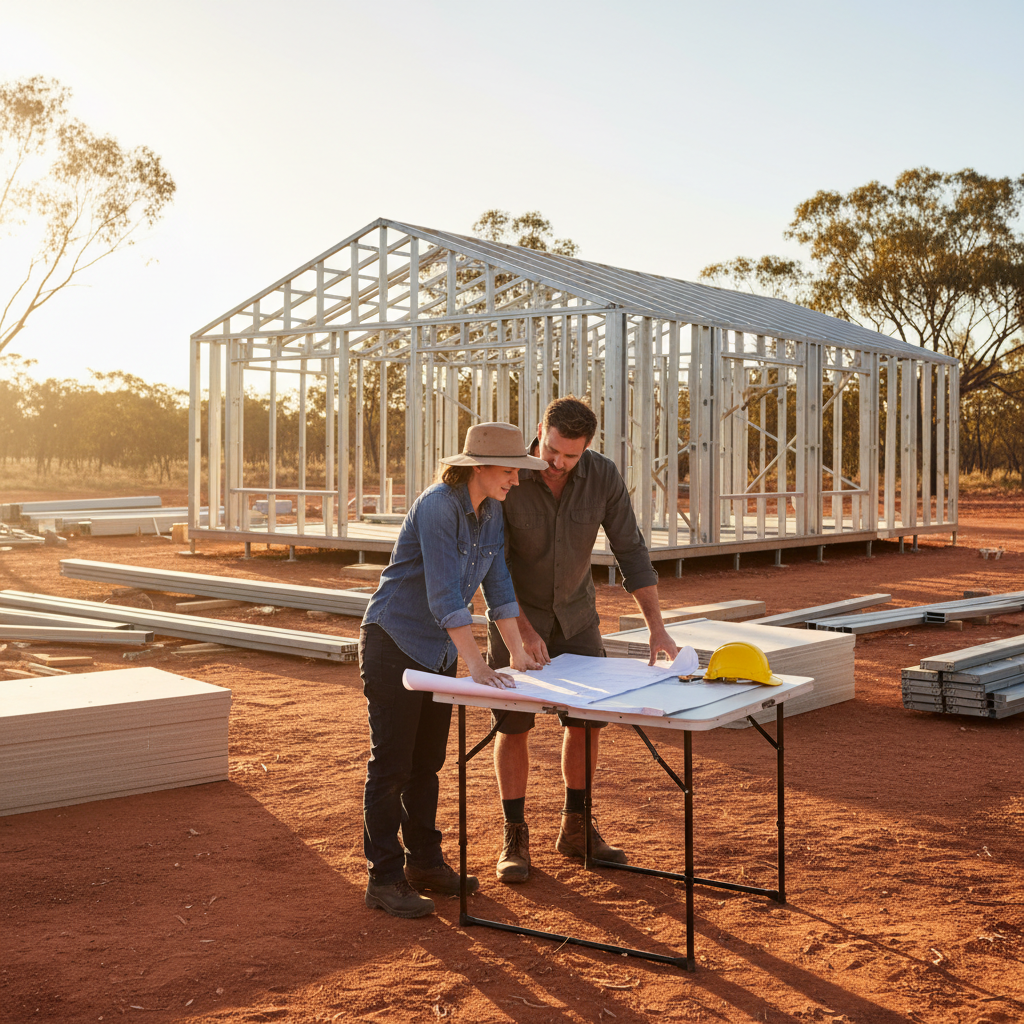
While the focus is often on the finishes, the structural integrity of your kit home plays a role in its longevity. Most modern high-quality kits, such as those using BlueScope Steel, offer a level of durability that is perfect for busy households. Steel frames are termite-proof, which is a major concern in many parts of Australia. Furthermore, they won't warp or move over time like some traditional materials, providing a rock-solid foundation for your pet-friendly fit-out. Knowing that the 'bones' of your home are resilient gives you peace of mind to focus on the more decorative and functional aspects of the interior.
Owner-Builder Tips: Navigating the Build with Pets
If you are managing the build yourself as an owner-builder, you need to consider your pets during the construction phase as well. Here are a few practical tips:
- Secure the site: Construction sites are dangerous for curious animals. Ensure your site fencing is secure even before the kit arrives.
- Plan for acoustics: Some pets are sensitive to noise. If you have a nervous dog, consider upgrading your insulation within the kit walls to dampen sound from outside, like thunderstorms or heavy rain on the roof.
- Choose pet-safe landscaping: As you finish your home, avoid plants like lilies, azaleas, or certain types of mulch that can be toxic to dogs and cats.
Ventilation and Air Quality
Pet dander and odors can accumulate quickly in a well-sealed modern home. When planning your kit home layout, prioritize cross-ventilation. Ensuring you have strategically placed windows to catch the prevailing breeze will keep your home smelling fresh. Ceiling fans are also a must-have in the Australian climate, helping to keep your pets cool during those scorching summer afternoons while you are at work.
Conclusion: A Home Designed for the Whole Pack
Building a kit home in Australia is an incredible journey that allows you to tailor every square inch of your environment to your specific lifestyle. By integrating pet-friendly features like durable flooring, dedicated wash stations, and integrated storage, you aren't just building a house; you are creating a home where every family member can thrive. The trend towards thoughtful, animal-centric design reflects our deep bond with our pets and our desire for homes that are as functional as they are beautiful. With a sturdy steel frame as your starting point and a bit of creative planning, your new kit home will be a place of comfort, joy, and plenty of tail wags for years to come.