The Science of a Straight Line: Understanding Precision Engineering
When you embark on the journey of building your own home in Australia, the first thing you realise is that the margin for error in traditional construction can be surprisingly wide. For decades, residential building relied on on-site measurements, hand-cut materials, and the hope that every corner ended up square. However, the modern Australian owner-builder is turning toward a more sophisticated solution: precision-engineered steel frame kit homes.
At the heart of this shift is the transition from manual labor to advanced CAD (Computer-Aided Design) technology. When we talk about precision engineering in the context of steel frames, we are talking about structures designed to a tolerance of less than one millimetre. This isn't just about being perfectionists, it is about creating a building system that empowers the everyday Australian to achieve professional results without the need for a lifetime of carpentry experience.
The BlueScope TRUECORE Advantage
In the harsh Australian climate, the material you choose for your skeleton matters. Using BlueScope TRUECORE steel ensures that the engineering isn't just smart on paper, but durable in practice. This high-bond, zinc/aluminium alloy coated steel is specifically designed for residential framing. Unlike traditional materials that may warp, twist, or shrink over time due to moisture content or temperature fluctuations, steel remains dimensionally stable.
For an owner-builder, this stability is a game changer. Imagine trying to install windows or hang internal doors only to find the frame has moved by 10mm since it was installed. With steel, what you see on the architectural plans is exactly what ends up on your slab. This 100 percent straight and true nature of the product simplifies every following step of the build.
From Digital Blueprint to Physical Reality
The process of creating a precision-engineered kit home begins long before a single piece of steel arrives at your site. Every component is digitally modelled using specialised software. This allows for rigorous testing of load-bearing capacities, wind speed resistances, and structural integrity before manufacturing even begins.
Once the design is finalised, the data is sent directly to roll-forming machines. These machines punch every hole, notch every join, and cut every length with absolute accuracy. This level of detail includes pre-punched service holes for electrical wiring and plumbing. By integrating these needs into the engineering stage, the struggle of drilling through studs on-site is eliminated, saving time and reducing the risk of compromising the structural integrity of the frame.
Why Accuracy Saves You Time and Stress
One of the biggest hurdles for DIY enthusiasts is the fear of making a mistake that is difficult to fix. Precision engineering acts as a safety net. Because the components are manufactured to fit together like a high-tech jigsaw puzzle, the assembly process becomes intuitive rather than guesswork.
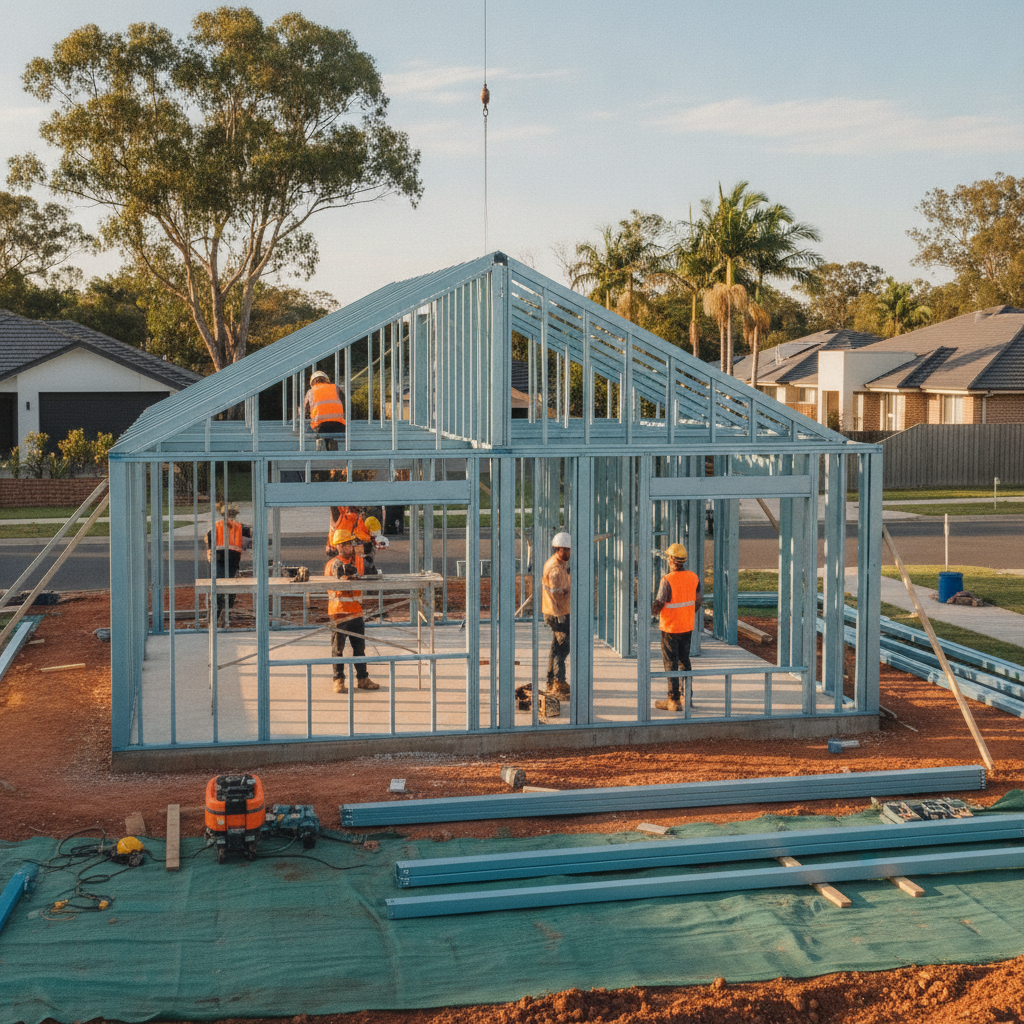
When your frames arrive, they are typically delivered as ready-to-assemble panels or clearly coded components. Because the engineering ensures every piece is the correct length, there is no need for on-site cutting or adjustments. This significantly reduces the noise, waste, and physical toll on the builder. Furthermore, a square and level frame ensures that subsequent trades, such as plasterers and tilers, can work more efficiently. Flat walls mean less packing out and a much higher quality finish for your interior.
Structural Integrity and the Australian Environment
Australia is known for its extreme conditions, from the humid tropics of Queensland to the dry heat of the outback. Precision engineering allows kit homes to be tailored to specific wind classifications, including cyclonic regions. By using high-strength steel, engineers can design trusses and wall frames that provide superior strength-to-weight ratios.
This strength allows for modern, open-plan designs with larger spans that would be difficult or more expensive to achieve with other materials. Additionally, steel is non-combustible. In bushfire-prone areas, having a precision-engineered steel frame provides an added layer of resilience and peace of mind. Since steel is also termite-proof, the structural integrity of your home isn't at risk from pests, ensuring that the engineering remains sound for the life of the building.
Tips for Navigating Your Steel Kit Home Build
If you are considering taking the leap into owner-building, here are some practical tips to ensure your project runs smoothly:
- Focus on the Slab: Precision-engineered frames require a level base. Ensure your concrete slab is poured as accurately as possible, as any significant deviations in the slab can negate the benefits of a millimetre-perfect frame.
- Understand Your Site: Before ordering, ensure your engineer knows the specific wind speed and soil classification of your block. A precision kit is only as good as the data it was designed for.
- Organise Your Delivery: Steel frames are lightweight but can be bulky. Have a clear, flat space on your site ready for delivery so you can organise your components in the order they will be used.
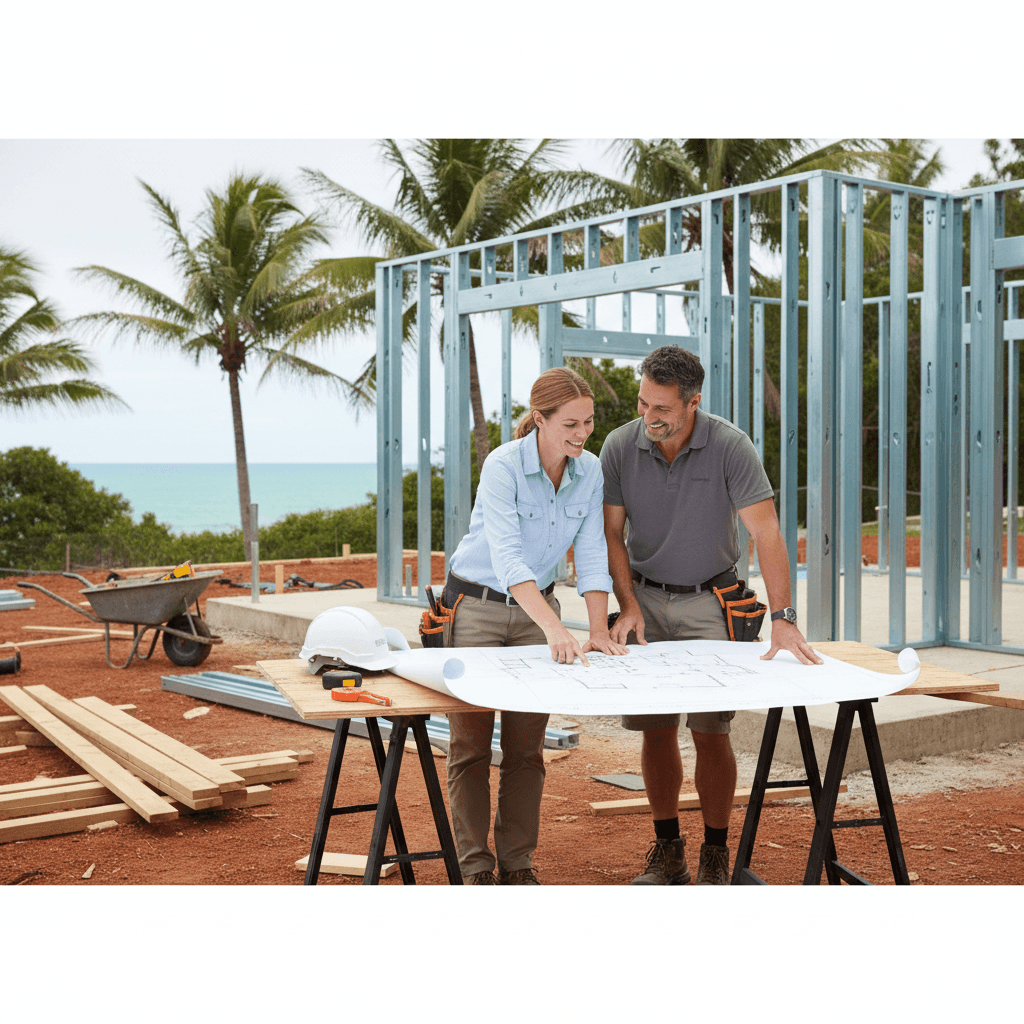
- Lean on the Documentation: Your kit should come with comprehensive assembly layouts. Study these before you start. The beauty of engineering is that there is a specific place for every screw and bracket.
The Environmental Side of Precision
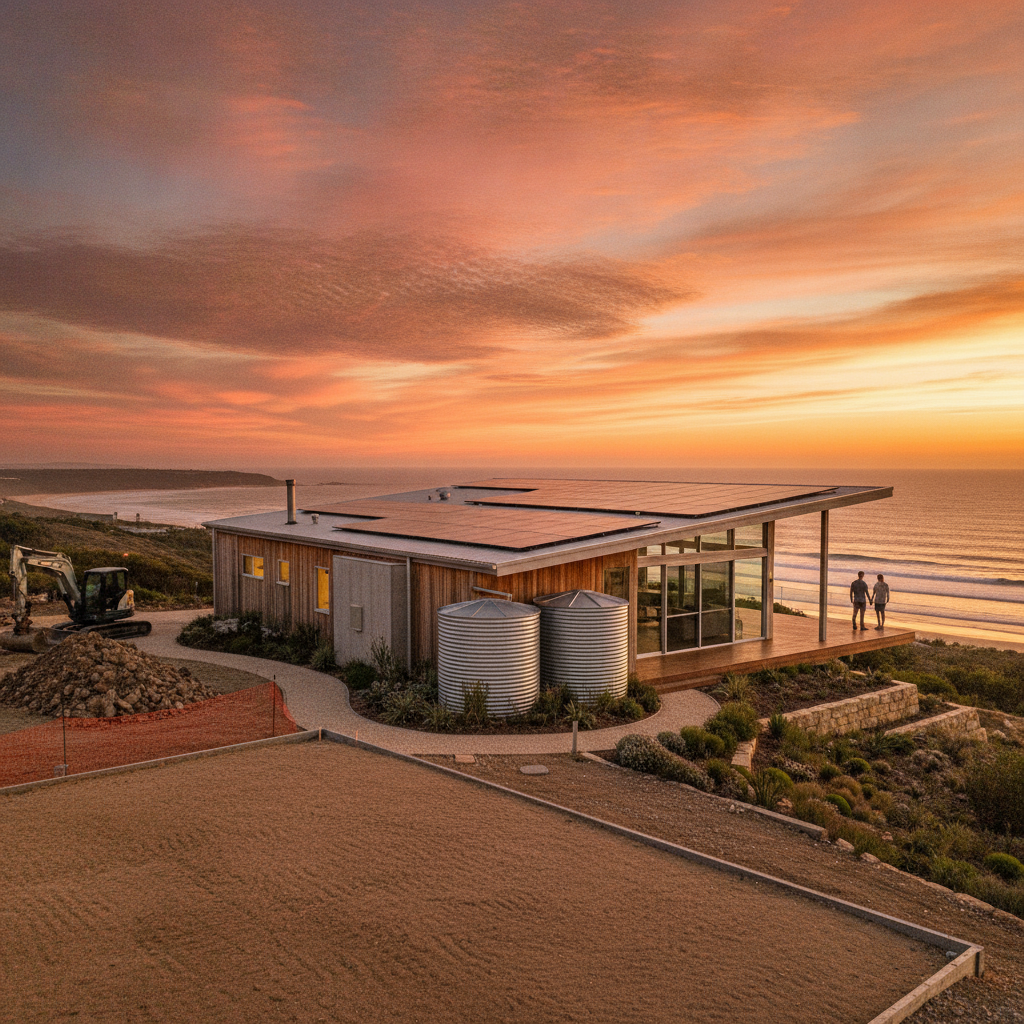
Sustainability is becoming a key driver for Australian homeowners. Precision engineering contributes to a more sustainable build in several ways. Firstly, because the kits are made to order, there is virtually zero waste on-site. Traditional building often results in skips full of off-cuts, but a steel kit is optimised for efficiency.
Steel is also 100 percent recyclable. While we build homes to last for generations, it is heartening to know that the material can be repurposed in the future. Furthermore, the lightweight nature of steel frames can sometimes reduce the footprint and depth required for footings, leading to less ground disturbance during the initial phases of construction.
Conclusion: Peace of Mind Through Better Building
Choosing a kit home is a significant decision, and the framing system you select is the most important choice you will make for the longevity and ease of the build. By opting for a precision-engineered steel frame, you are investing in a system that removes the barriers to entry for owner-builders. You are choosing a material that won't warp, won't burn, and won't be eaten by termites.
The true value of engineering lies in the confidence it gives the person holding the tools. When every hole is pre-punched, every span is calculated, and every wall is perfectly straight, the dream of building your own Australian home becomes an achievable, rewarding reality. It is about working smarter, not harder, and letting technology do the heavy lifting so you can focus on making your house a home.