Twenty-four months of staring at the same four walls did something weird to the Australian psyche. We used to be obsessed with the massive open-plan living area where the kitchen, lounge, and dining all bled into one giant, echoing hall. Then we actually had to live in them 24/7. Suddenly, that 'hub of the home' felt like a high-traffic railway station with no peace and quiet. We've seen a massive pivot in what people are asking for in their floor plans lately. It isn't about more square meterage anymore. It is about better zoning and reclaiming the backyard with a secondary dwelling or a dedicated workspace that actually has a door you can lock.
The Death of the Guest Bedroom
Nobody builds a 'spare room' for auntie to visit once a year anymore. That's dead space. Real estate is too expensive to let a Queen bed gather dust in a room that stays shut for 360 days. These days, every kit home we see going through the design phase has that fourth bedroom being repurposed before the slab is even poured. It is becoming a multi-purpose sanctuary. Think built-in desks, sound-proofing for late-night calls to overseas offices, and enough natural light to make sure you don't look like a ghost on a screen. Because we aren't just sleeping and eating in these houses now. We are running businesses out of them.
Kit Homes and the Great Regional Migration
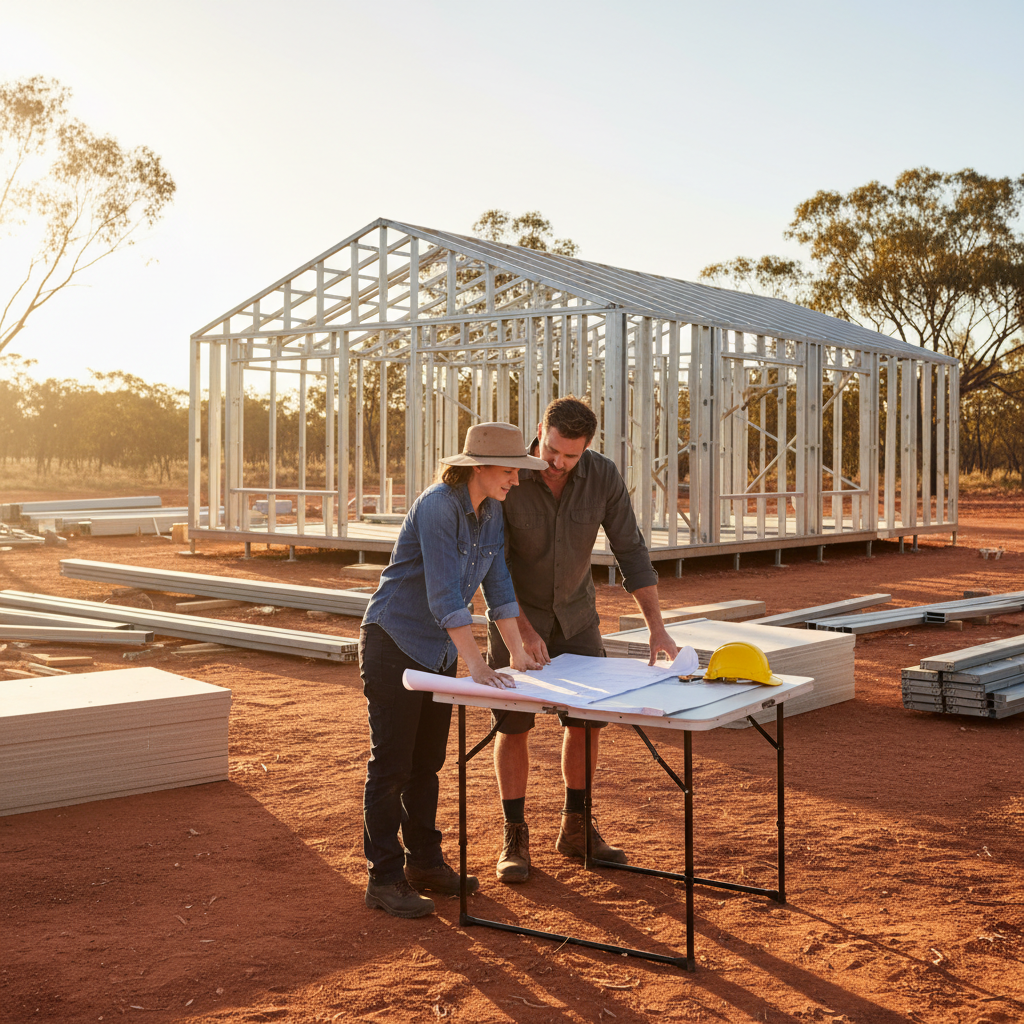
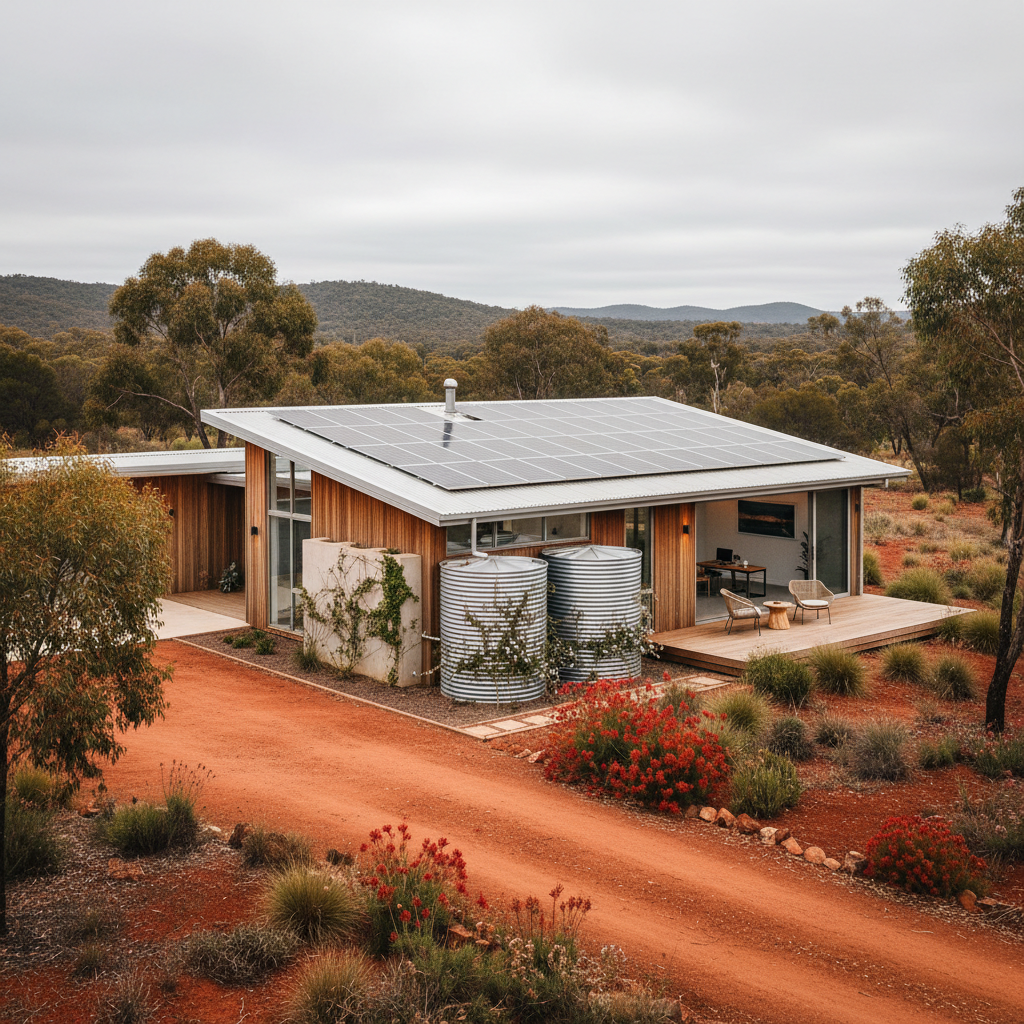
If you walked through a hardware store in Dubbo or Orange lately, you'll see half the people there look like they just hopped off a train from Sydney. The regional shift is real. People are selling up their 600 square meter blocks in the suburbs and buying five acres in the sticks. But then they realise the local builders are booked out until 2026. This is where kit homes have stepped in to save the day for owner-builders who actually want to get a roof over their heads this decade. Plus, when you are building in regional Australia, you have to worry about the local wildlife eating your house. Using a steel frame kit, specifically something like TRUECORE steel from BlueScope, is basically an insurance policy against termites. Those little buggers can't eat steel. Simple as that. It gives you a level of precision you just don't get with timber that's been sitting in the rain on a job site for three weeks.
Practical Tip: The Slab is Your Foundation (Literally)
One thing new owner-builders always mess up is the site prep. You'll get your kit delivered, and it arrives on a truck, all neat and tidy. But if your concrete slab is even 10mm out of square or has a dip in the middle, you are in for a world of pain. Steel frames are manufactured to the millimetre. They don't have the 'give' that timber does. You can't just shave a bit off with a plane if it doesn't fit. Before you pour, get a second set of eyes on those formwork measurements. Check your diagonals twice. Then check them again. It'll save you thousands in frantic phone calls to a carpenter later on.
Zoning for Sanity
Australian housing trends are moving away from that 'big box' feel. We're seeing a return to the 'snug' or 'breakout zones'. If you're looking at kit home designs, look for ones that offer a bit of separation. Putting the master bedroom at the opposite end of the house from the kids' rooms isn't being a bad parent, it's survival. We've noticed a spike in demand for floor plans that incorporate a mudroom too. It's that classic country influence coming into modern design. Somewhere to kick off the dirty boots and dump the school bags before they migrate into the living room. It's about keeping the chaos of the outside world away from the places where you're trying to relax.
The Steel Factor in Modern Bushfire Zones
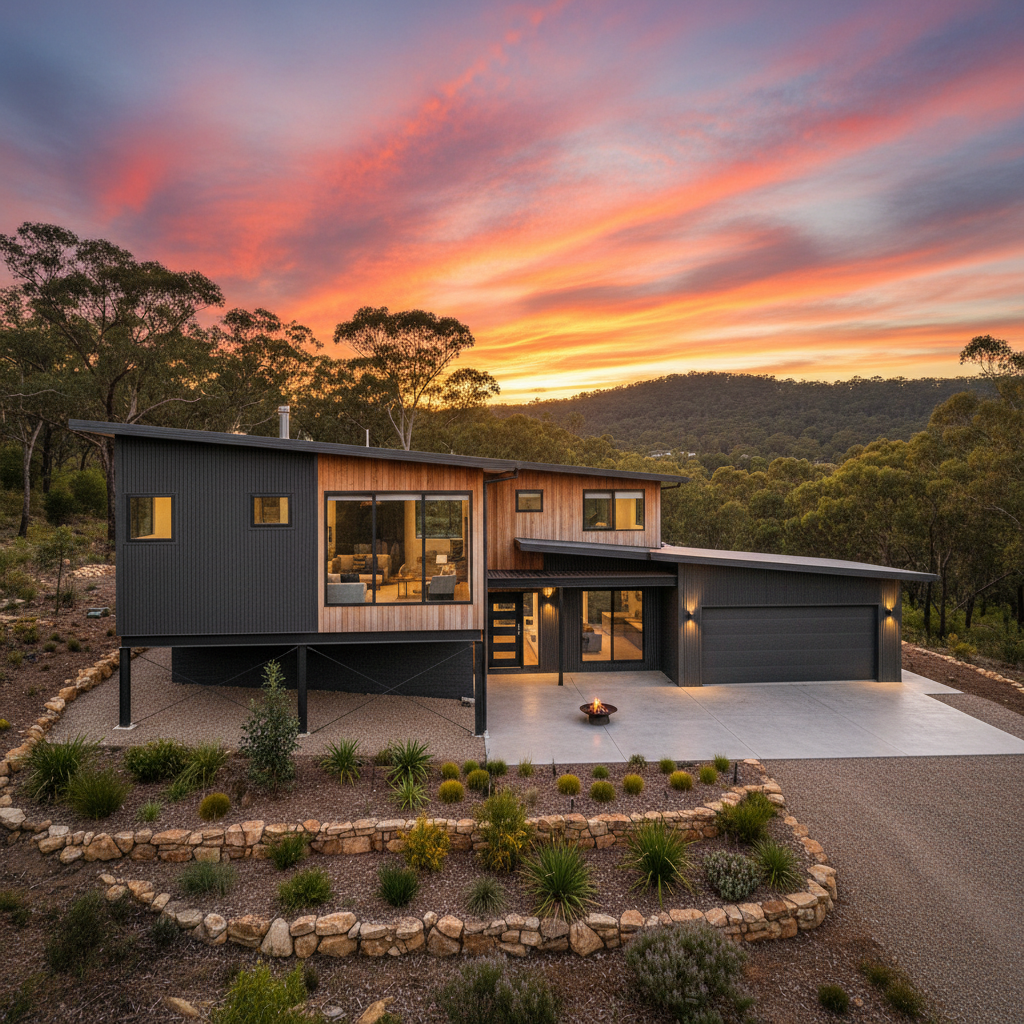
Let's talk about BAL ratings. If you're building anywhere near the bush in Australia, you're going to have to deal with the Bushfire Attack Level. It's not just a suggestion, it's the law under AS 3959. A lot of people choose kit homes because they can get a high-quality steel frame and non-combustible cladding as part of the package. It's a massive head start. When the Council starts asking about your BAL rating, having a steel-framed house with metal roofing and proper insulation already baked into the design makes the DA process a whole lot smoother. It's one less thing to stress about when you're already juggling trades and deliveries.
Owner-Builder Advice: Don't Underestimate the Windows
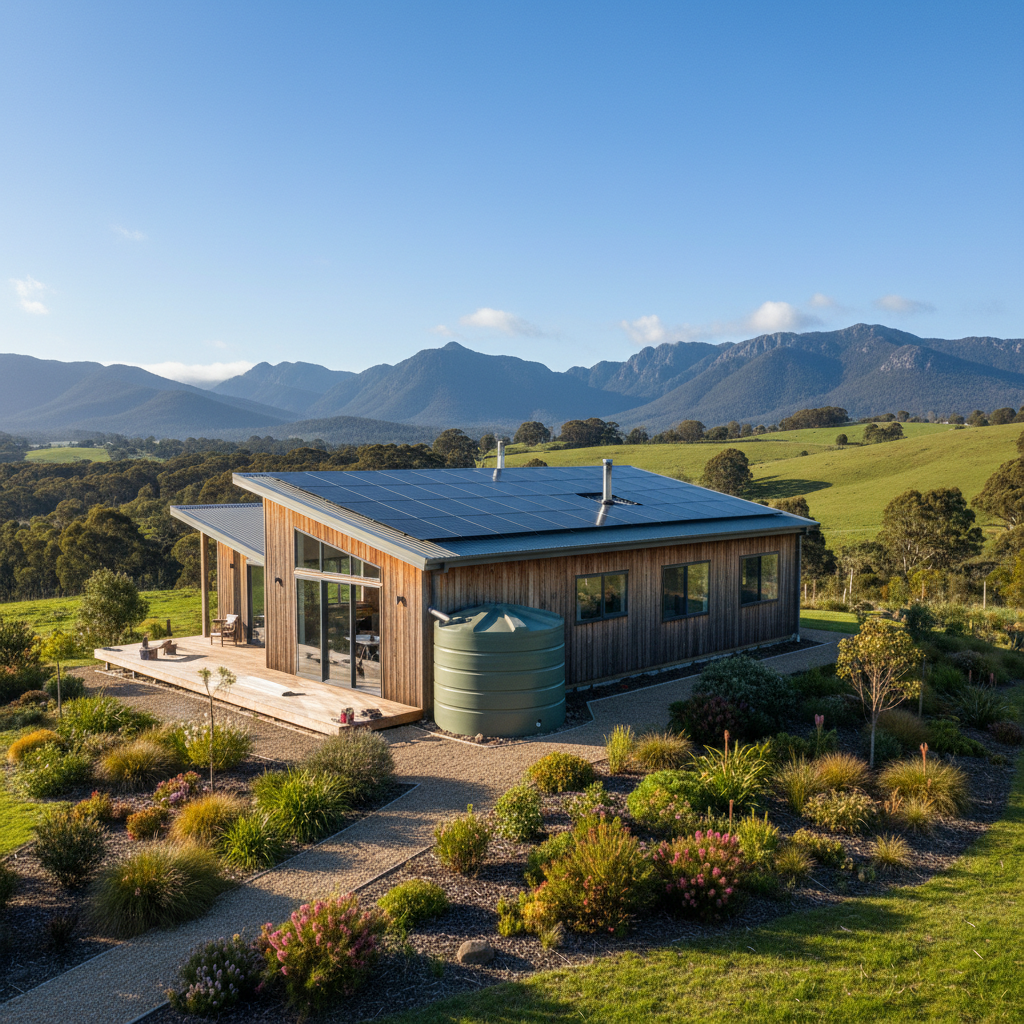
In our kits, we include the windows and doors, but how you position them is everything. Look at where the sun hits your block at 3pm in February. You don't want a massive west-facing window in Queensland without some serious eaves or a verandah. You'll turn your beautiful new home into an oven. Conversely, down in Tassie or Victoria, you want that northern sun pouring in to heat up the house for free. Passive solar design isn't just for hippies anymore, it's for anyone who doesn't want to pay a five-hundred-dollar power bill every month.
The Rise of the Internal Courtyard
This is a trend I'm personally a fan of. Australians are starting to embrace the U-shaped or L-shaped house design. It creates this private little outdoor sanctuary that's protected from the wind. It brings the outdoors inside without the flies. When you're building a kit home, you have the flexibility to play with these shapes. It's not like buying a project home from a massive developer where you get three choices and that's it. You are the one in charge. You can choose a design that wraps around a central deck, which is perfect for those Friday arvo drinks while the snags are on the barbie.
Building your own place is a massive undertaking. I won't sugarcoat it. There'll be days when you're standing in the mud, it's raining, and the delivery driver has dropped your insulation in the only puddle on the property. But when you finally move in, and you're sitting in a house that you saw grow from a pile of steel frames into a finished home, it's a massive win. You've got a house that's built for how we live now, not how people lived in 1995. And honestly, having that dedicated office with a real door is going to be the best thing you ever did for your marriage and your sanity.