The Myth of the Cramped Cottage
Most people look at a two bedroom kit home floor plan and immediately worry about where the vacuum cleaner goes or how they'll host Christmas lunch without everyone sitting in each other's laps. I've spent fifteen odd years looking at these drawings. Here is the truth. A small house only feels small if the person who designed it didn't understand how Australians actually live. We don't spend our lives tucked away in bedrooms. We spend them in the kitchen, on the deck, and increasingly, in multi-functional zones that work twice as hard as an old-fashioned formal dining room ever did.
Living small is about ruthlessness. It's about deciding that every single square metre of your slab has to earn its keep. If you've got a hallway that's just a dark tunnel leading to a bathroom, that's wasted money. In a compact footprint, every corridor is a missed opportunity for a bookshelf, a study nook, or a linen cupboard. I reckon the best small designs are the ones that feel like they're breathing. That starts with high ceilings and finishes with how you choose your windows.
Zoning for Privacy and Sanity
One of the biggest mistakes I see owner builders make when picking a kit is ignoring the 'acoustic' map of the house. In a big house, you can hide from the sound of the dishwasher or your teenager's music. In a 70 or 80 square metre kit home, you're right in the thick of it. You need to think about 'broken plan' living rather than just wide open spaces. Using a central living area to separate two bedrooms is a classic move for a reason. It creates a buffer. It means you aren't sharing a wall with the guest room or the kids. Plus, it cuts down on that wasted hallway space I mentioned earlier.
And let's talk about the bathroom. If your floor plan has the toilet opening directly into the kitchen or living room, change it. It's awkward. It's loud. Even in a tight space, you want a little bit of a transition zone. A tiny laundry recess tucked behind a sliding door can act as that perfect middle ground between the social areas and the private ones.
Light is Your Best Friend
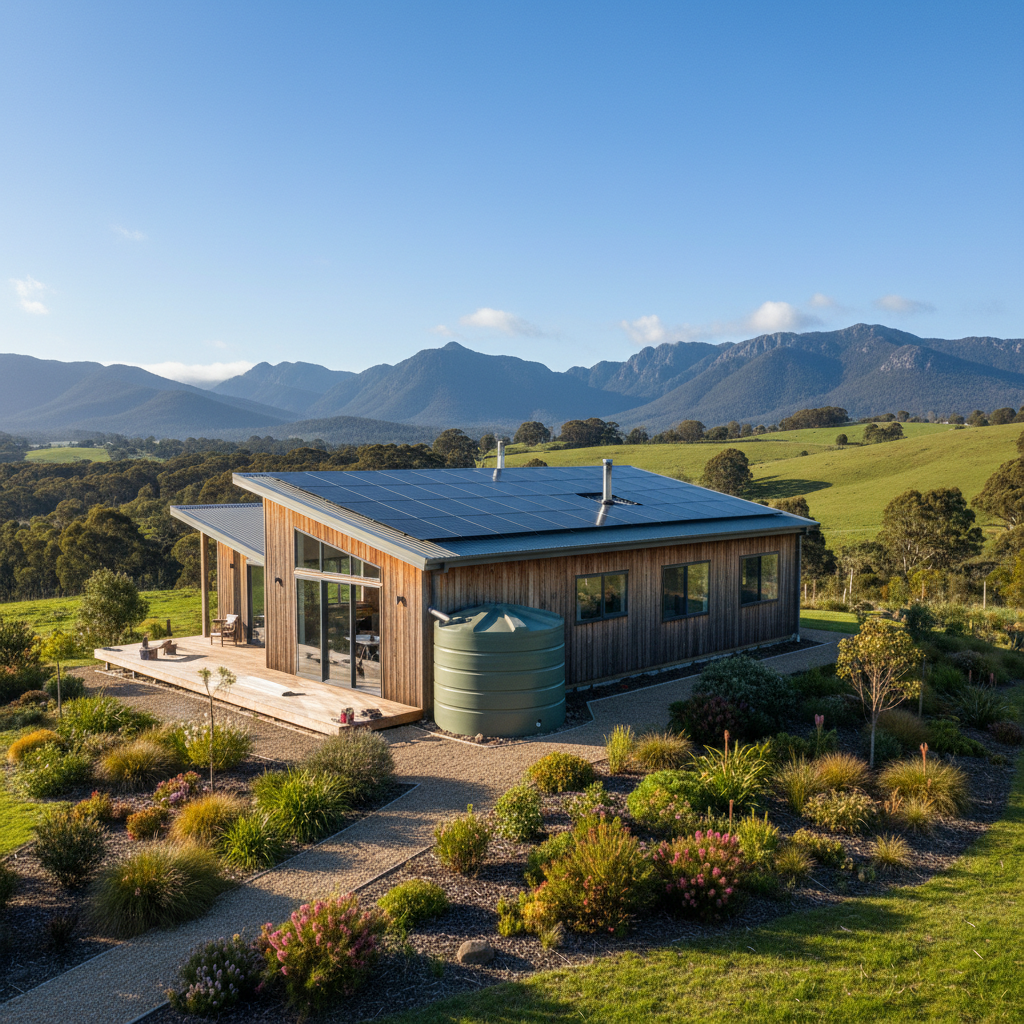
Natural light is the oldest trick in the book for making a room feel twice the size. But it isn't just about sticking a window on every wall. You have to be smart about it. Check your site's orientation. If you're building in a place like Wagga Wagga, you want those big glass sliding doors facing north to soak up the winter sun, but you'll want some decent eaves to keep the summer heat out. Since we use BlueScope TRUECORE steel for our frames, you've got the structural integrity to go big with your openings. Steel doesn't warp or twist like timber, so those large spans for glass doors stay straight and true for decades. That matters when you're aiming for that seamless indoor-outdoor flow.
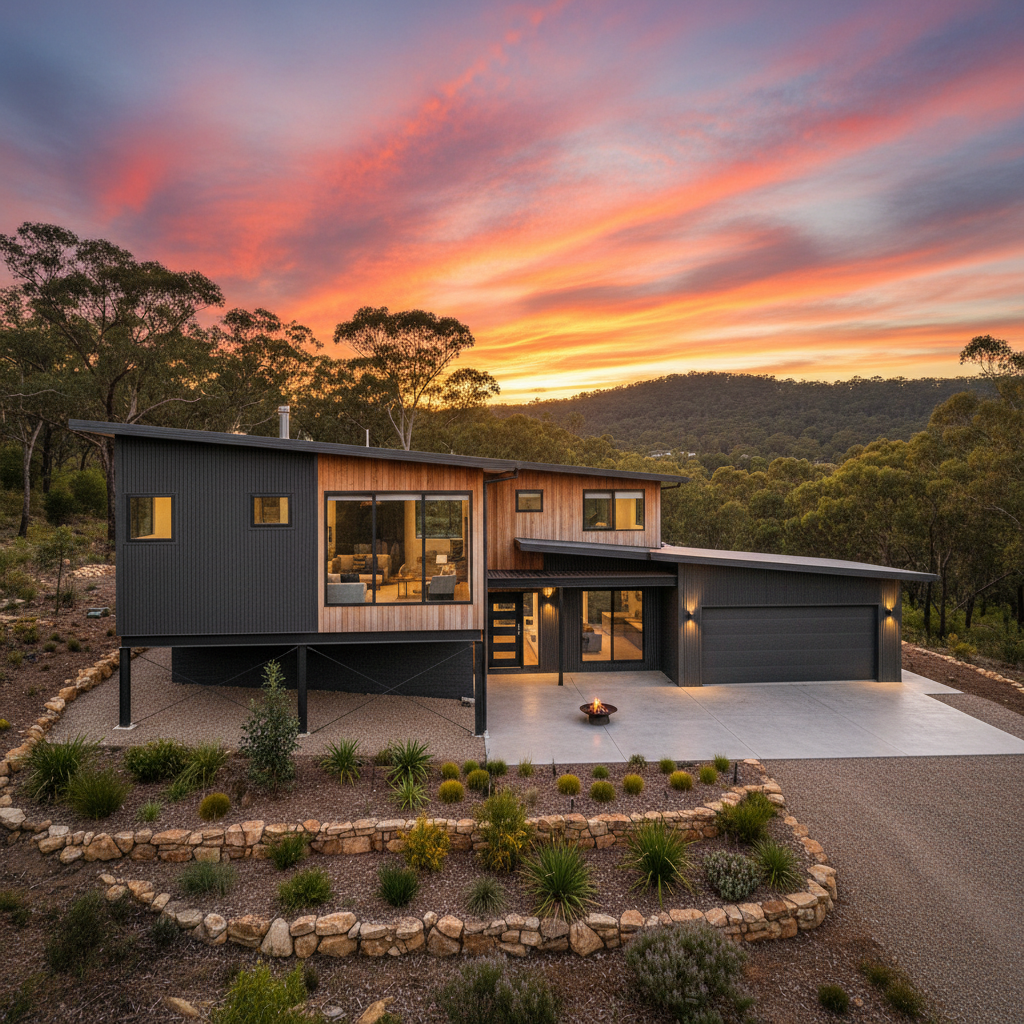
Don't ignore the roof. People forget about the vertical space. A skillion roof design is a winner for small kit homes because it allows for highlight windows. These sit up high near the ceiling, letting in light and views of the sky while keeping your wall space free for furniture or storage. It's a game of trade-offs. You want the light, but you also need somewhere to put the fridge.
The Multi-Tasking Floor Plan
In a small home, rooms should have two jobs. Or three. That second bedroom isn't just a bedroom. It's the home office from 9 to 5 and a yoga studio on Sunday mornings. Look for kit designs that offer flexible spaces. Maybe the kitchen island bench isn't just for chopping veg, it's also the dining table and the hobby desk. I always tell people to look at the 'dead' corners of a plan. Could a built-in bench seat under a window replace four bulky dining chairs? Usually, the answer is yes. It saves floor space and gives you extra storage underneath for the stuff you only use once a year, like the Christmas tree or the camping gear.
Owner Builder Tip: The 'Walk-Through' Test
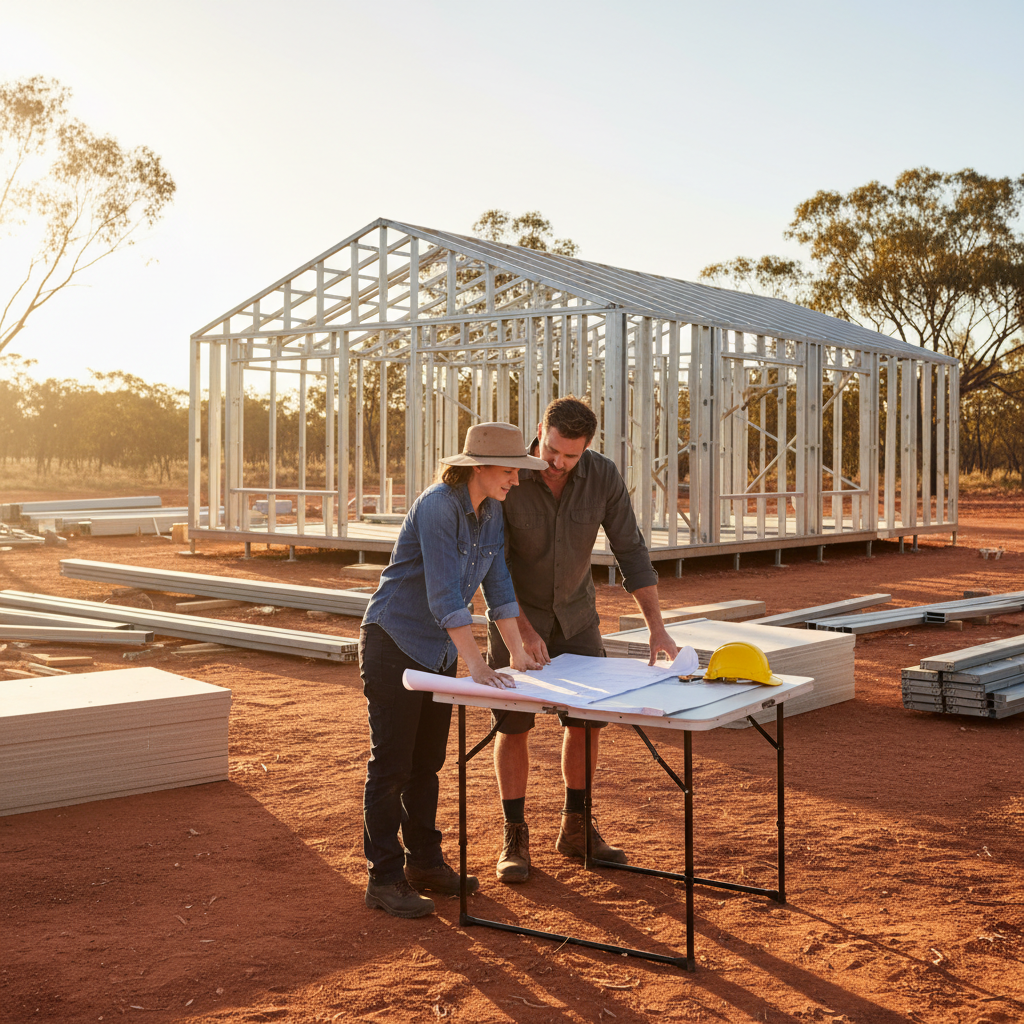
Before you commit to a kit and pour that slab, do a physical walk-through. Not on a screen. Find a flat patch of grass or a car park and use some pegs and string to layout the floor plan at 1:1 scale. Bring a few folding chairs. Move around. See if you can actually fit past the kitchen bench when someone else is standing at the stove. It sounds a bit basic, but you'd be surprised how many people realize they need an extra 300mm in the lounge room once they see it laid out on the ground. It's much cheaper to tweak a drawing now than it is to realize your lounge won't fit once the walls are up.
Storage: The Hidden Hero
You can't live a 'Design & Lifestyle' life if you're drowning in clutter. Small homes fall apart if they don't have enough storage. But big cupboards take up floor space. The solution? Build up. Use the full height of your walls. When you're working with steel frames, you've got a dead-straight substrate for your cabinetry, which makes installing floor-to-ceiling joinery easier for the DIYer. Think about the wall cavities too. You can build recessed shelving into the space between the studs for things like bathroom cabinets or spice racks in the kitchen. It’s about being clever with the millimetres.
The Importance of the Verandah
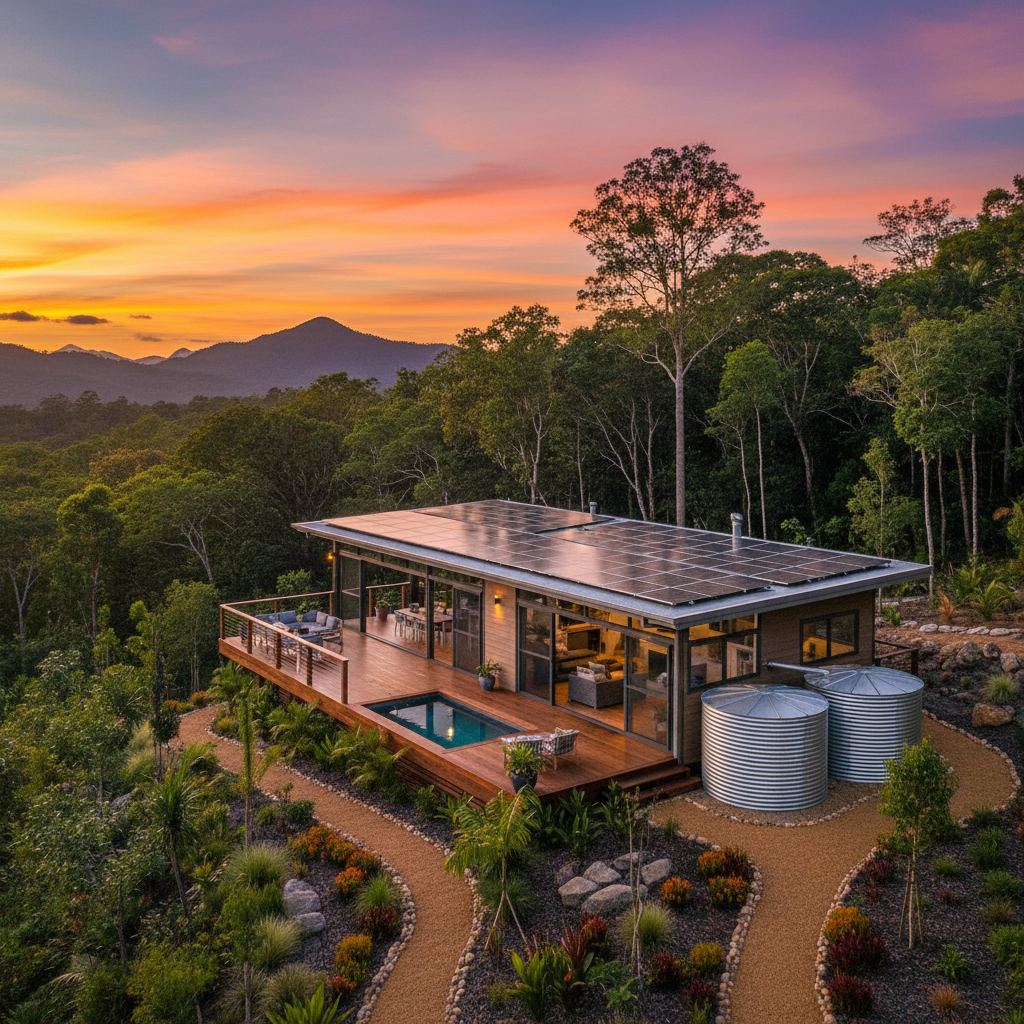
In the Australian climate, your deck is basically your second living room. In a small kit home, a 2.4-metre wide verandah is not a luxury, it's a necessity. It expands your living area at a fraction of the cost of internal square metres. Because we include the roofing and cladding in our kits, you can match your outdoor living area perfectly to the main structure. It makes the whole house look and feel bigger from the moment you drive up. Place your largest glass sliders between the lounge and the deck. When those doors are open on a nice spring arvo, the line between inside and out disappears. That's when you stop feeling like you're in a small house and start feeling like you're in a retreat.
It’s also worth looking at the Australian Standard AS 3959 if you are building in a bushfire-prone area. Your choice of materials on the outside, from the steel roofing down to the decking material, needs to be sussed out early. Kit homes are great for this because the cladding and steel frames are non-combustible, which gives you a massive head start on meeting those BAL ratings without blowing the budget on fancy timber treatments.
Focusing on Quality over Quantity
When you save on the total size of the house, you can afford to spend a bit more on the finishes that you actually touch and see every day. Instead of a massive house with cheap carpet and plastic taps, you can have a jewel-box of a home with stone benchtops, high-end tapware, and beautiful timber floors. That's the lifestyle trade-off. You're trading cleaning four bathrooms for enjoying one really stunning one.
Building a kit home as an owner builder is a big job, but it’s completely doable if you’re organized. Focus on the flow. Think about the sightlines. If you can stand at the front door and see right through the house to the trees in the backyard, your home will never feel small. It’ll feel like it belongs exactly where you put it.