The New Australian Dream: Thinking Small to Live Big
For decades, the Australian dream was synonymous with the sprawling quarter-acre block and a massive four-bedroom house. But as we move further into the 2020s, a distinct shift is occurring across the suburbs and regional heartlands of Australia. We are witnessing a move away from 'McMansions' toward smarter, more intentional living spaces. This evolution in Australian housing trends isn't just about saving space, it is about enhancing quality of life, reducing environmental footprints, and embracing the freedom that comes with a more manageable home.
At the center of this movement is the modern kit home. Once seen merely as a basic weekend shack, today's kit homes are sophisticated, architecturally inspired dwellings that cater to a wide range of lifestyles. From young professionals seeking a minimalist chic studio to retirees downsizing to a comfortable granny flat or a rural retreat, the flexibility of kit homes is meeting the demands of a new generation of owner builders.
The Rise of Smarter Home Designs
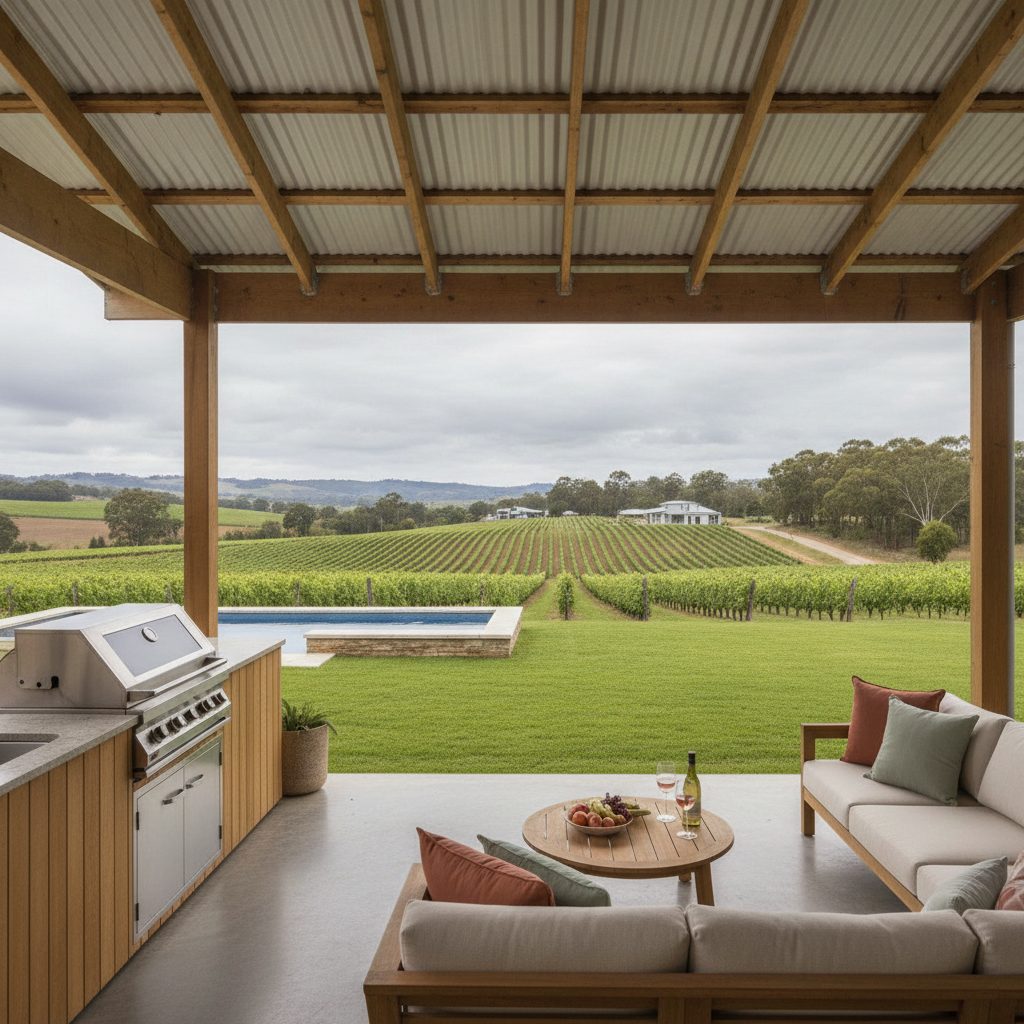
What exactly defines a 'smart' home design in the current Australian context? It is more than just integrated technology and automated lighting. It is about clever spatial planning. Modern kit homes prioritize multi-functional spaces, where a home office can double as a guest room, and open-plan living areas flow seamlessly into outdoor decks to maximize the Australian indoor-outdoor lifestyle.
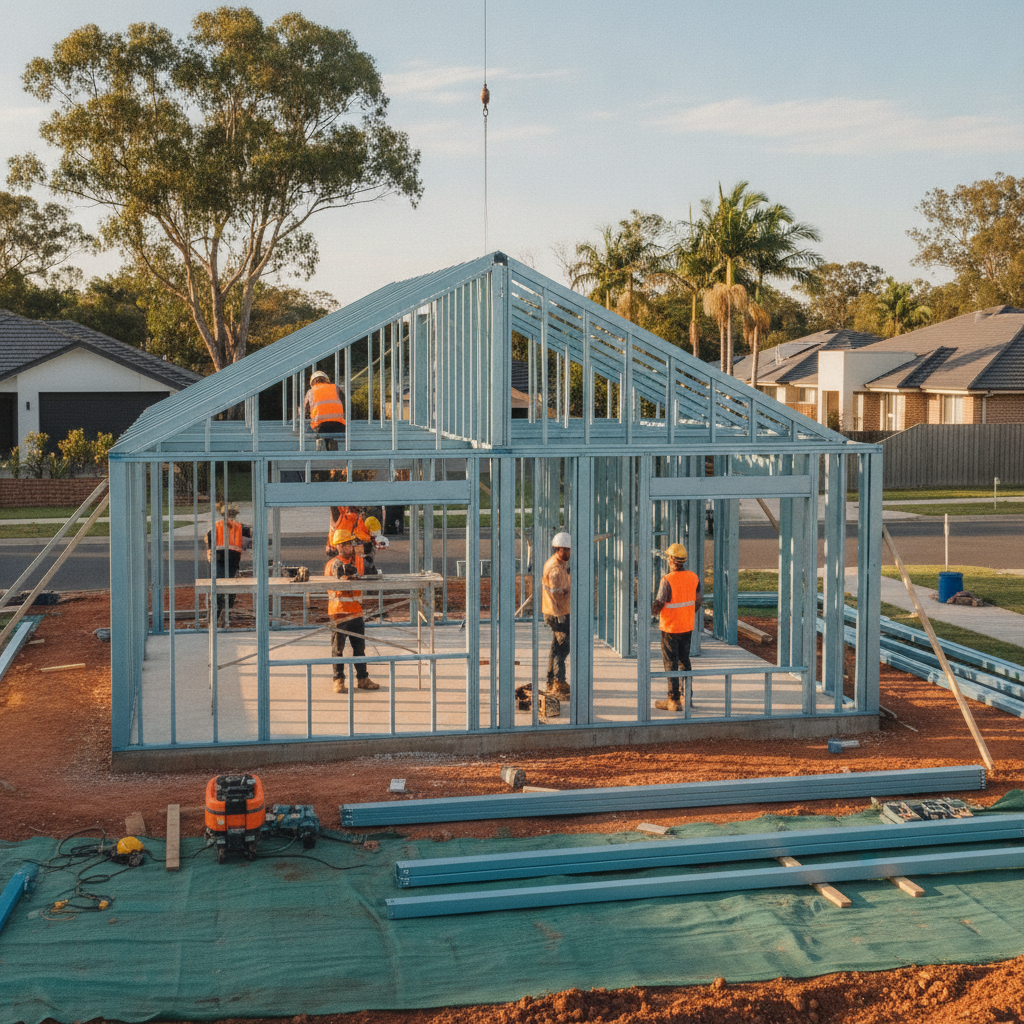
High ceilings, strategic window placement for natural light, and the use of durable materials like BlueScope Steel are becoming standard. These choices ensure that even a smaller footprint feels spacious and light-filled. By utilizing TRUECORE steel frames, builders are able to achieve wide spans and open layouts that might be more difficult or costly with traditional timber framing. This allows for the clean lines and minimalist aesthetics that are currently dominating Australian design magazines.
Why Australian Owner Builders are Choosing Kits
The DIY spirit is alive and well in Australia, and the rise of the owner builder is a testament to our desire for hands-on involvement in our living spaces. Choosing a kit home provides a unique middle ground for those who want to manage their project without starting from a blank piece of paper. You get the benefit of pre-engineered designs and high-quality components, while retaining the control to manage your own trades and interior finishes.
One of the most appealing aspects of a kit home is the transparency of the components. When you receive a kit that includes the frames, roofing, cladding, windows, and doors, you have a clear starting point. This eliminates the guesswork often associated with sourcing materials during a build. For many Australians, the ability to personally oversee the construction of their home, from the slab to the final coat of paint, offers a sense of pride and connection to the property that buying an established home simply cannot match.
Practical Tips for Potential Kit Home Buyers
If you are considering joining the growing number of Australians opting for a kit home, preparation is your best friend. Here are some practical steps to ensure your project stays on track:
1. Understand Your Site First
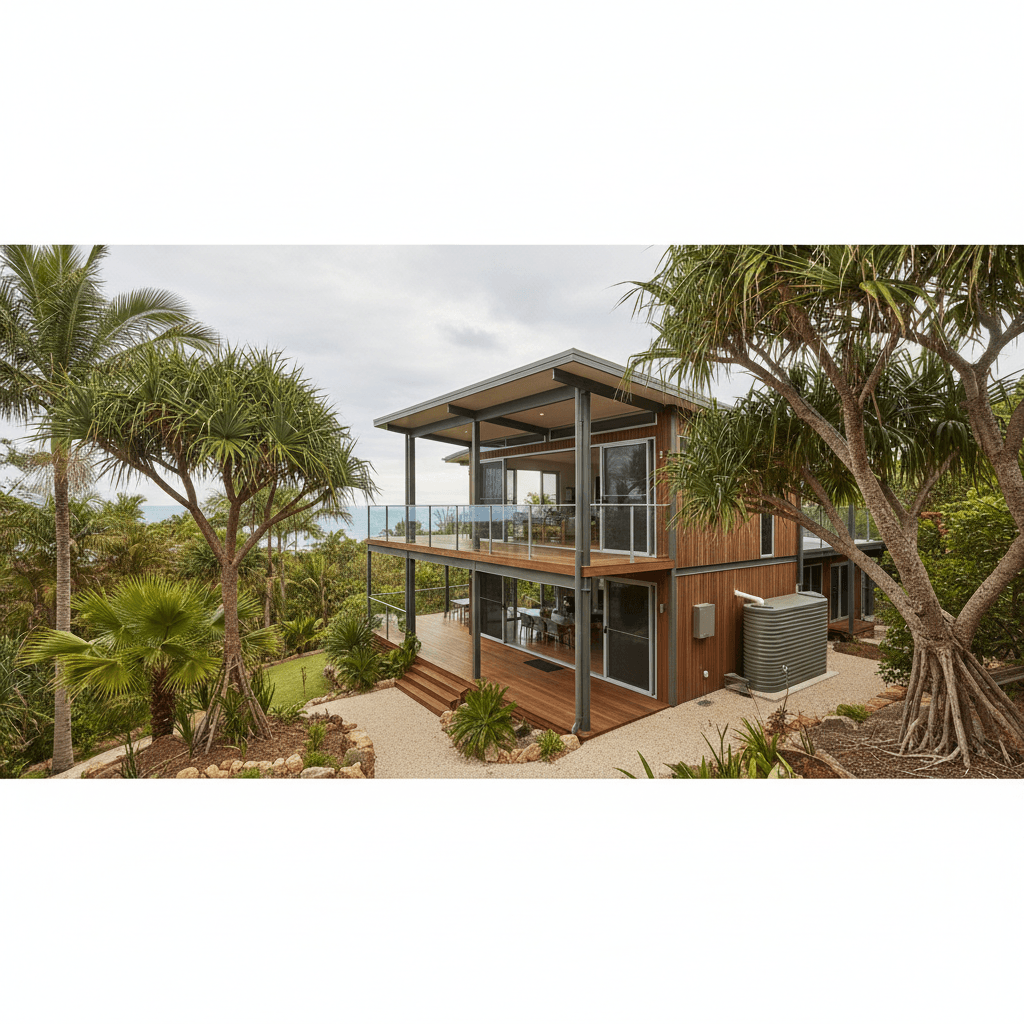
Before falling in love with a specific floor plan, get to know your land. Site orientation, soil type, and bushfire attack levels (BAL) will heavily influence your build. A design that works perfectly on a flat suburban lot might need significant modifications for a sloping block or a high-wind coastal area. Always check with your local council regarding setbacks and zoning requirements before committing to a kit.
2. Focus on the Building Envelope
The shell of your home is its most important feature. Opting for high-quality cladding and insulation from the start will pay dividends in the long run. Given Australia's harsh climate, choosing materials that can withstand the sun, wind, and rain is essential. Steel frames are particularly popular in Australia because they are termite-proof and non-combustible, providing an extra layer of security for homeowners in rural or wooded areas.
3. Plan Your Trades Early
As an owner builder, you are the project manager. While the kit provides the physical structure, you will need to engage licensed plumbers, electricians, and potentially carpenters or plasterers. Start these conversations early. Finding reliable tradespeople who are comfortable working on a kit-based project is key to a smooth construction process.
Owner Builder Tips: Navigating the Process
Managing your own build is a rewarding challenge, but it requires organizational skills. Here are a few hands-on tips for the DIY-minded:
- The Slab is Everything: The accuracy of your concrete slab or floor system is critical. If your base is even a few centimeters off, it can cause headaches when erecting the steel frames. Take the time to get the footings and slab perfectly level.
- Sequence Your Deliveries: You don't want all your windows and doors arriving at the same time as your frames if you don't have a secure, dry place to store them. Most kit providers allow for staged deliveries. Coordinate these to match your construction timeline.
- Safety First: Just because you are managing the site doesn't mean safety standards can slip. Ensure everyone on site has their White Card, and that you have appropriate site fencing and safety gear.
The Sustainability Factor
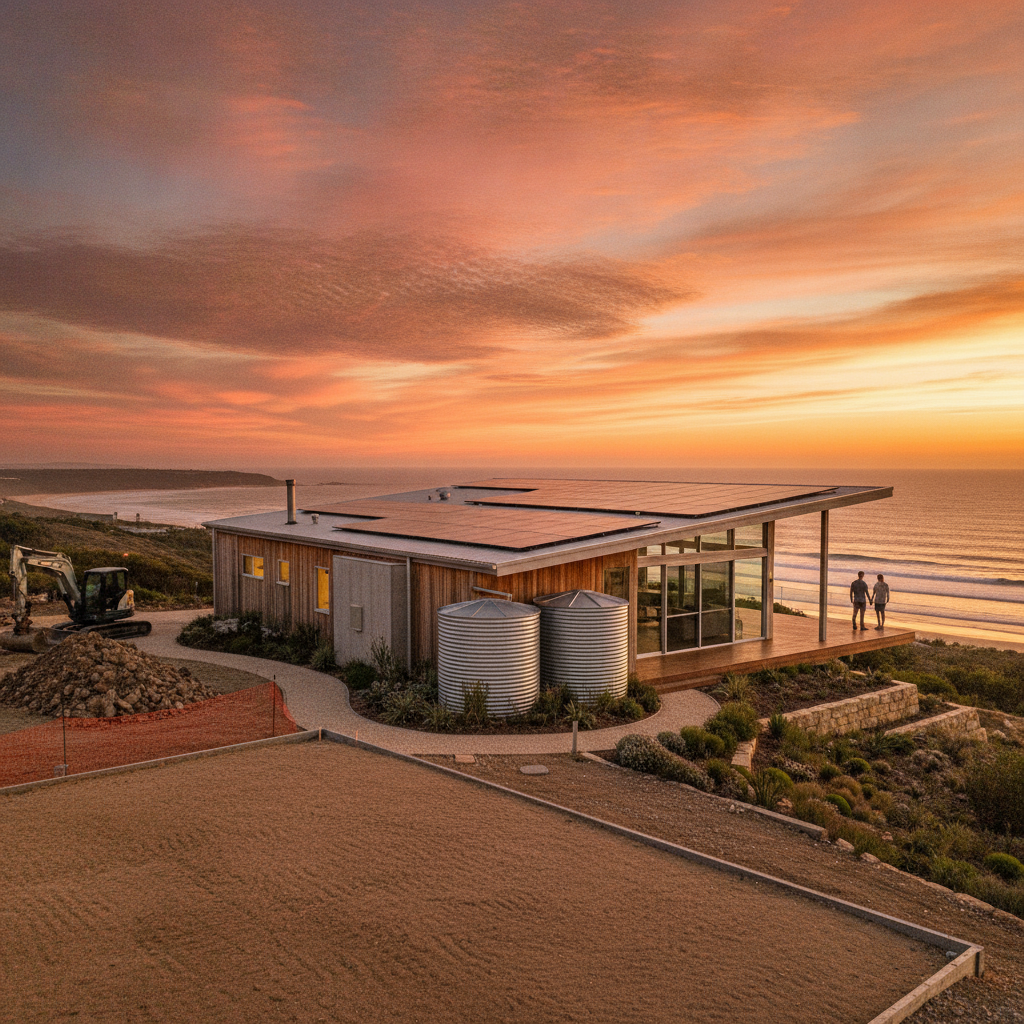
Modern Australian housing trends are increasingly focused on sustainability. Smaller homes inherently require less energy to heat and cool, but the materials also play a part. Steel is a highly recyclable material, and the precision of modern manufacturing means there is significantly less waste on-site compared to traditional building methods. When you combine a smaller footprint with high-grade insulation and energy-efficient window placement, you create a home that is as kind to the planet as it is to your lifestyle.
Design Trends: Aesthetics of the Modern Kit
Gone are the days when all kit homes looked like rectangular boxes. We are seeing a surge in diverse architectural styles, including:
- Industrial Chic: Utilizing vertical metal cladding and dark window frames to create a sleek, urban look in a rural setting.
- Modern Farmhouse: Combining classic gabled roofs with modern materials for a timeless, comfortable feel.
- Coastal Minimalist: Light colors, large glass expanses, and open-plan layouts that draw the seascape into the living room.
Conclusion: Embracing the Shift
The movement toward smaller, smarter kit homes reflects a broader change in Australian values. We are prioritizing flexibility, quality, and personal involvement over sheer square footage. By choosing a kit home, you are not just building a house, you are designing a lifestyle that fits your specific needs and values. Whether you are an experienced handyman or a first-time owner builder, the path to a high-quality, modern Australian home has never been more accessible. With careful planning, a bit of DIY spirit, and a focus on smart design, you can create a space that is perfectly sized for your life.