The Sun Isn't Your Enemy (Unless You Build Like It Is)
I’ve walked onto far too many building sites in Western Queensland and the Hunter Valley where the owner-builder has just plopped their floor plan smack in the middle of the block without a second thought for the compass. They end up with massive west-facing windows that turn the lounge room into a literal pizza oven by 3pm in February. It's a rookie mistake. Solar passive design isn't some high-tech wizardry reserved for multi-million dollar architectural builds. It’s just common sense physics applied to where you live. If you get the orientation right from day one, you’ll save thousands on power bills over the next twenty years. Plus, your house won't feel like a tin shed in the desert.
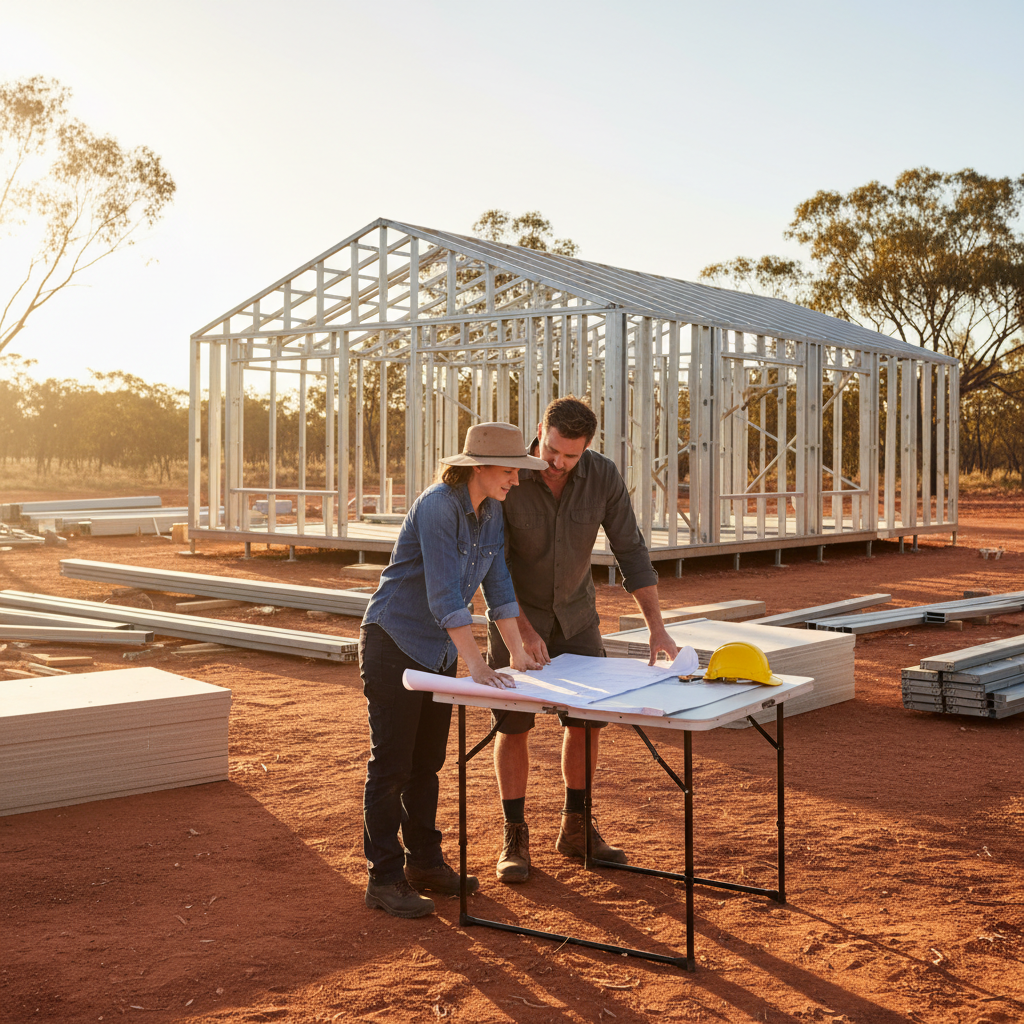
Building a kit home gives you a massive advantage here. Because you’re the one calling the shots on site placement before the slab goes down, you have total control. You aren't stuck with whatever a volume builder thinks is easiest for their subbies. You can pivot that frame five degrees to catch the breeze or tuck the bedrooms away from the afternoon glare. It’s about working with the Australian climate, not fighting it with a 7kW split system running 24/7.
Orientation is the Whole Game
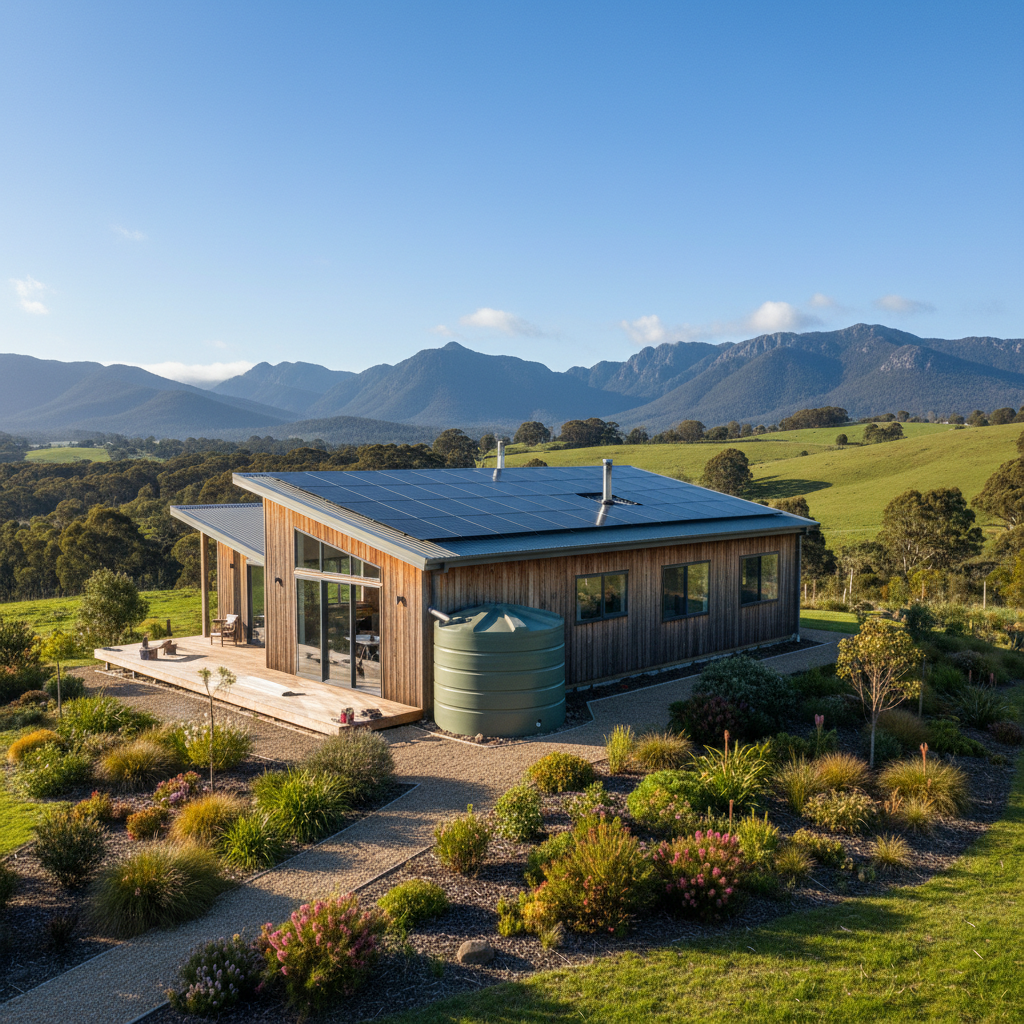
Northern sunlight is gold. In the Southern Hemisphere, you want your main living areas facing north. Period. This allows the low winter sun to creep deep into your home and warm up the floor, while the high summer sun hits the roof or gets blocked by a well-designed eave. If you’re looking at a kit like the Varley or something with big open-plan spaces, make sure those glass sliders are hugging the north side of the block.
But what if your block faces south? You don’t just give up. You get creative with clerestory windows or skylights. I worked on a project near Orange where the view was to the south but the sun was behind the house. We used high-set windows in the roof pitch to scavenge that northern light and dump it into the kitchen. It worked a treat. You also need to watch those east and west walls. In places like Perth or Western Sydney, the western sun is brutal. Keep your laundries, bathrooms, and garages on the western side. They act as a thermal buffer for the rest of the house. Think of them like a shield.
Thermal Mass and the Slab
A lot of people think 'thermal mass' is just a fancy buzzword. It's not. It's basically the battery of your house. In most Australian kit homes, your thermal mass is your concrete slab. When that winter sun hits the slab through a north-facing window, the concrete soaks up the heat. When the sun goes down and the air cools, the slab releases that heat back into the room. It’s slow. It’s steady. And it’s free.
Don't go covering your north-facing slab with thick, plush carpet. You’ll insulate the thermal mass from the sun, which defeats the purpose. Go for polished concrete, or even better, dark tiles. They'll absorb the heat much faster. If you're building on stumps because you're on a slope or in a flood zone, you lose that slab mass. In those cases, you might look at internal brick feature walls or even double-layered plasterboard to add some density back into the building envelope. It makes a massive difference to how the house 'holds' its temperature overnight.
The Steel Frame Advantage
We use TRUECORE steel because it’s straight. You might think that doesn't matter for solar design, but it does. When you're trying to achieve a high NatHERS rating, air leakage is your biggest enemy. Steel frames don’t warp, twist, or shrink over time. That means your window seals stay tight and your insulation batts don't get squashed or shifted by moving timber. A house that stays airtight is a house that stays cool.
Plus, because steel is lightweight but incredibly strong, you can achieve those wide spans required for massive north-facing openings without needing huge, clunky lintels that block your light. You get more glass and less bulk. Just make sure you’re using quality glass. Plain single glazing is basically a hole in your wall as far as heat is concerned. Spend the extra money on Low-E glass or double glazing. It’s the best investment you’ll make during the whole build. No joke.
Cross Ventilation and Shading
If you can't move the air, you’re going to bake. Every house should have a 'path of least resistance' for the wind. Look at where your local breeze comes from. In coastal NSW, it’s usually the northeasterly. You want windows on opposite sides of the house so the air can actually flow through. Louvres are fantastic for this because they give you 100% airflow compared to a sliding window which only gives you 50%.
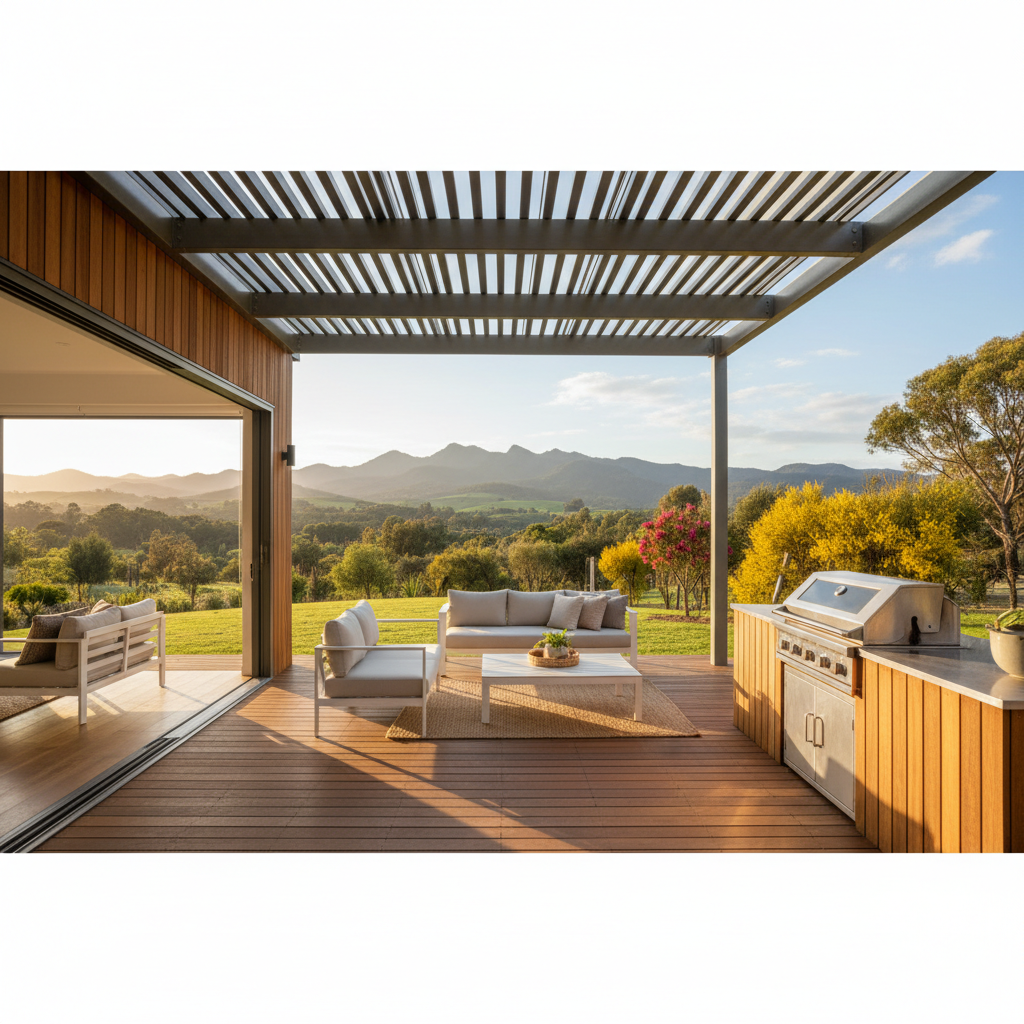
Then there's the shading. Your eaves are your best friend. For most parts of Australia, an eave of about 450mm to 600mm is the sweet spot. It blocks the high summer sun but lets the winter sun sneak in underneath. If you have big west-facing glass that you can't avoid, put a verandah there. Or plant some deciduous trees. They’re amazing. They grow leaves in summer to provide shade and drop them in winter to let the sun through. Nature’s blinds.
Trade Tips for Owner Builders:
- Check your local council’s DCP (Development Control Plan). Some have very specific rules about overshadowing and solar access that might override your 'perfect' plan.
- Don't forget the insulation. We include it in our kits for a reason. R-values matter. If you’re in a cold climate like the Blue Mountains, don't just stick to the minimum requirements. Beef it up.
- Think about ‘zoning’ your home. Put doors on hallways so you can close off the bedrooms during the day. Why heat or cool a room you aren't using until 9pm?
- Use sarking under your roofing iron. It’s a cheap addition that reflects a massive amount of radiant heat before it even hits your ceiling batts.
At the end of the day, building a kit home is about being smart with your resources. You’re already saving money by managing the project yourself, so put some of that 'equity' back into the design. A solar passive house isn't just about saving the planet or being 'green'. It’s about not waking up in a sweat at 2am because your house is holding onto the day's heat like a brick oven. Get the orientation right, trust the steel frame to stay true, and let the sun do the heavy lifting for you.