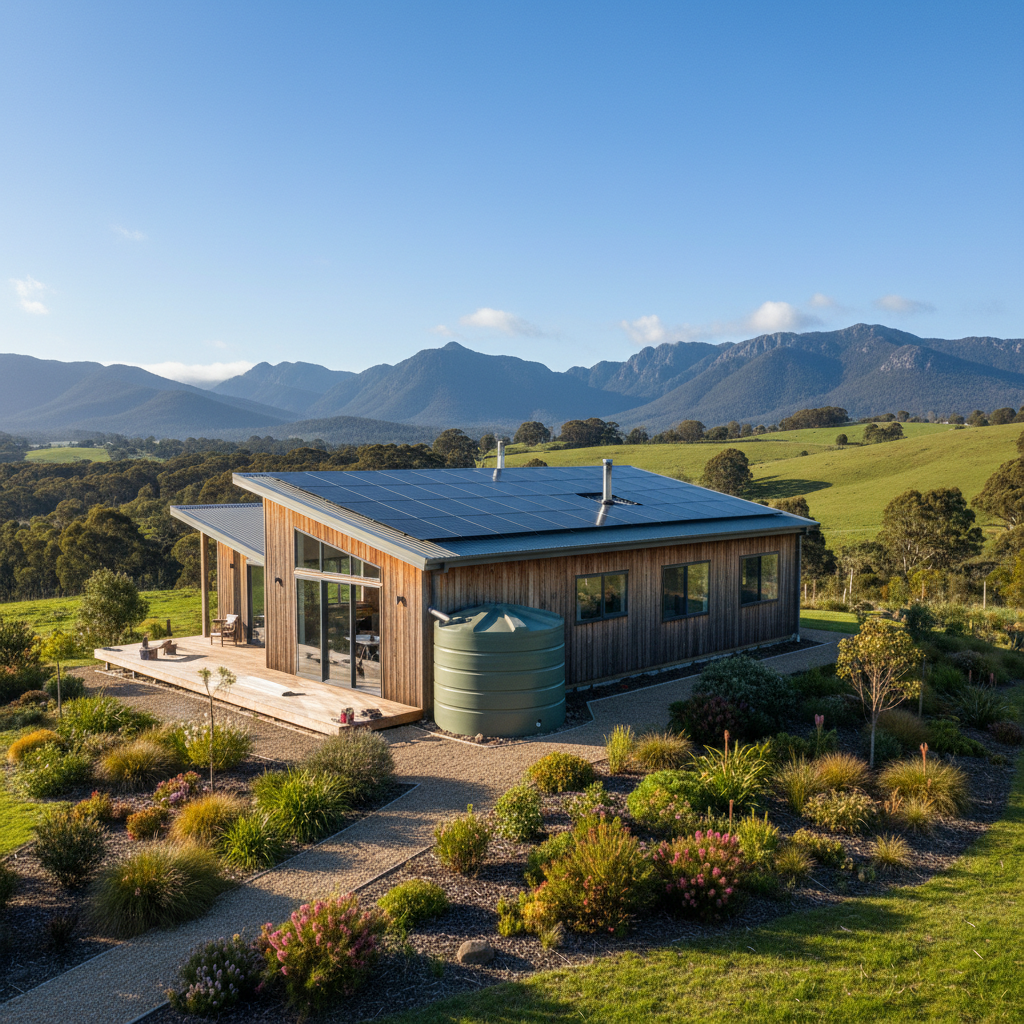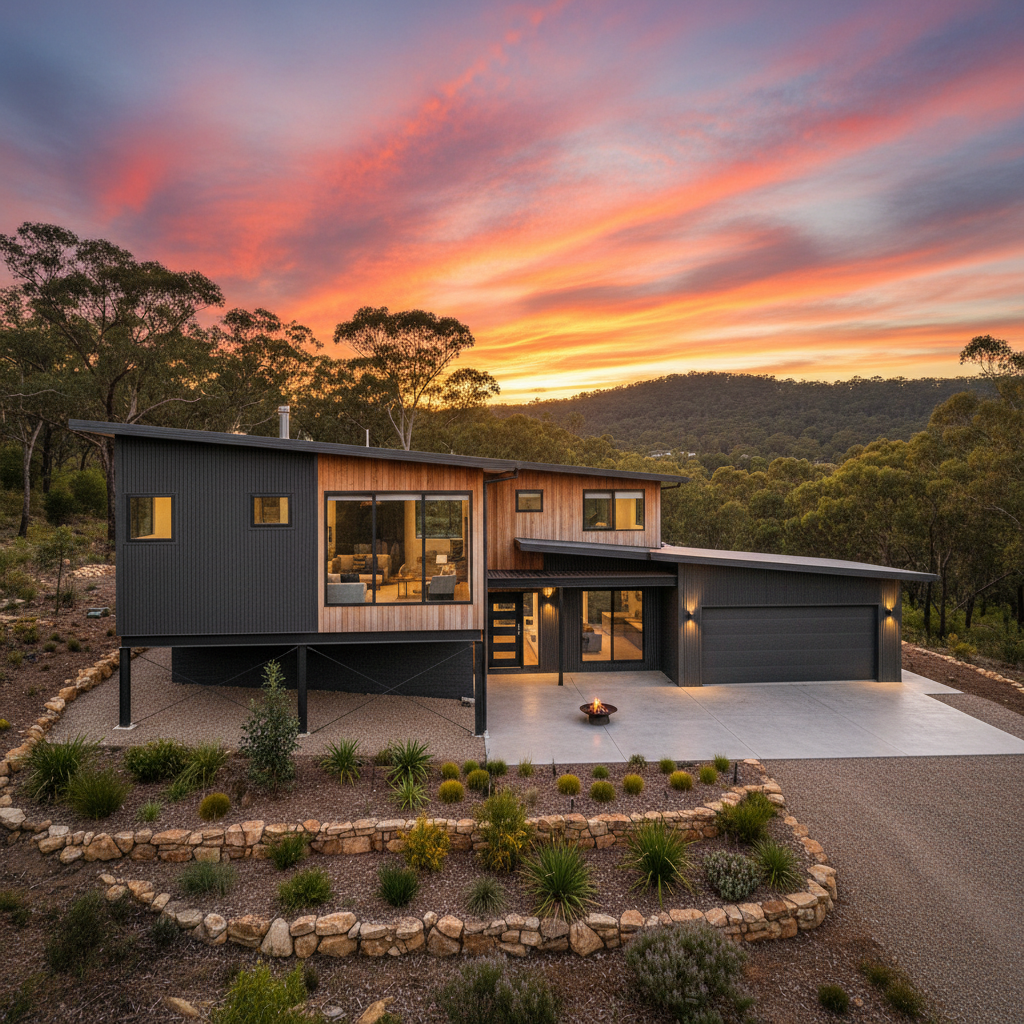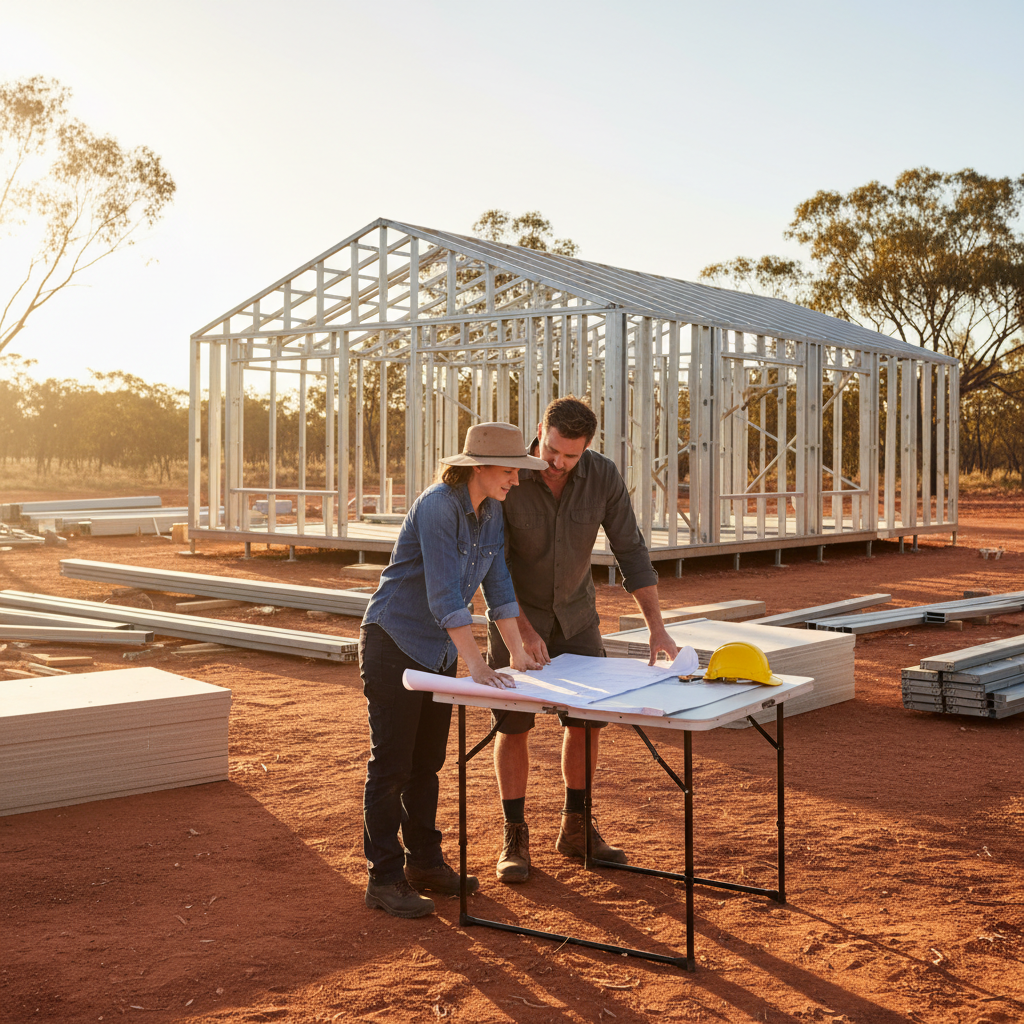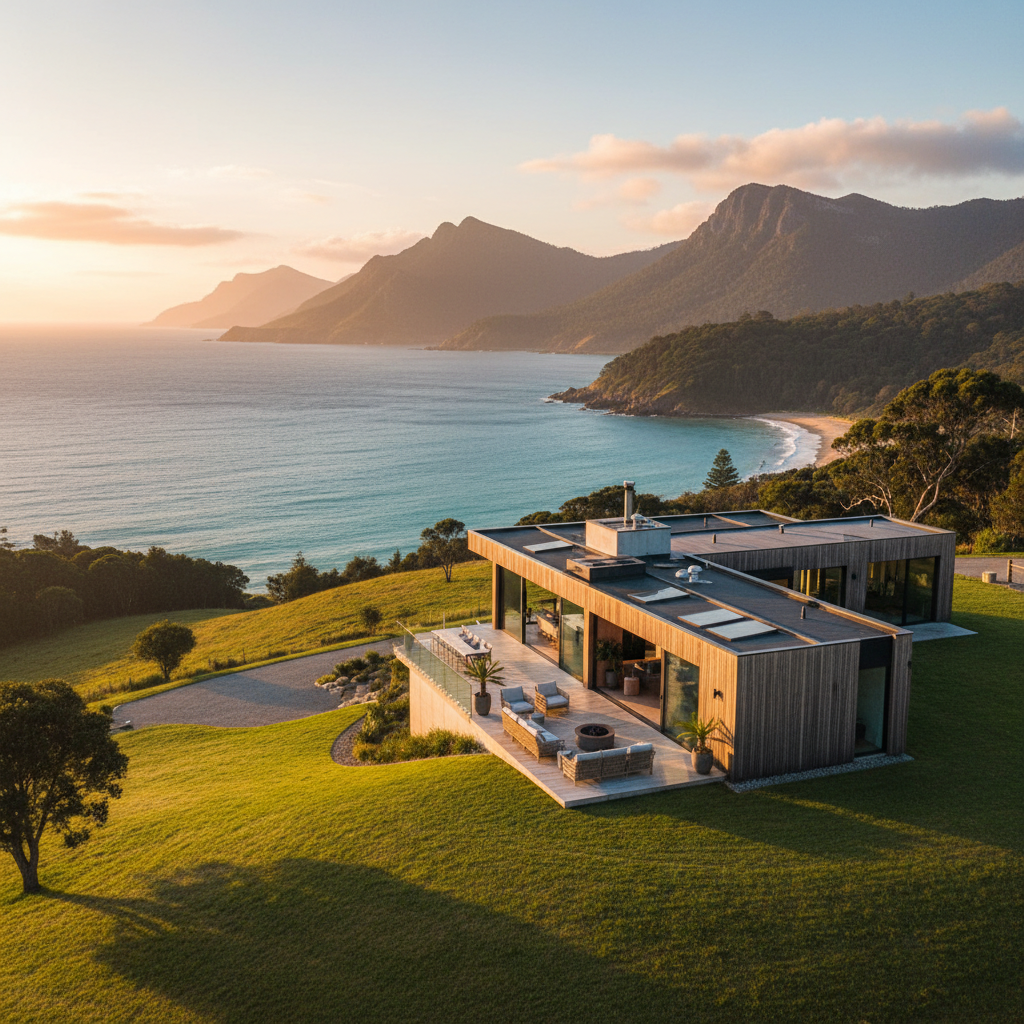
I have spent fifteen years watching people pull their hair out over kit homes. Most of the time, the stress has nothing to do with the actual house. The frames arrive, the steel is straight, and the plans make sense. The real drama happens months before the truck even shows up on site. I have seen blokes in Gympie lose six months of progress because they didn't check their soil type, and couples in the Hunter Valley spend thousands fixing a slab that was poured three degrees off-square.
Building your own place using a kit is about the best way to get a solid, BlueScope steel-framed roof over your head without hand-shaking a volume builder who will charge you for the air you breathe. But if you treat it like a big Lego set you can just tackle on a whim, you're going to get burnt. There's a specific rhythm to an owner-builder project in Australia. If you miss a beat, everything else falls out of sync. Let's look at what actually goes wrong and how you can stop it from happening to you.
Mistake 1: Ignoring the DA and CC Paperwork Trail
You find a floor plan you love. You've already mentally placed the sofa and decided that the kids can share the second bedroom. So you buy the kit. This is a massive backfire waiting to happen. Local councils in Australia are a law unto themselves. Just because a house fits on your block doesn't mean the council will let you build it there. Because every site has unique constraints. You might be in a high-risk Bushfire Attack Level (BAL) zone, or your land could be subject to overland flow or landslip overlays.
Before you commit to a kit, you need to talk to a private certifier or your local council duty planner. Ask about the specific setbacks for your lot. If you order a kit designed for a 1.5-metre side setback but your council requires 3 metres for fire separation, you have a very expensive pile of steel and cladding that you can't use. Get your Section 10.7 certificate. Read it. Then read it again. It tells you exactly what the land is capable of holding. Plus, you need to understand that the kit provider gives you the bones of the house, but the Council Development Application (DA) and Construction Certificate (CC) are your responsibility as the owner-builder. Don't leave the paperwork until the last minute.
Mistake 2: Thinking 'Site Works' is a Small Job
I once spoke to a guy who thought he could level a sloping site in the Dandenongs with a shovel and a weekend of sweat equity. Three weeks later, he was hiring a 5-tonne excavator and paying for three truckloads of engineered fill. Site prep is where most budgets go to die. Kit home providers don't include earthworks or the slab in the package because they have no idea what your dirt looks like.
You need a soil test. This is non-negotiable. Whether it's an 'A' class site (stable sand or rock) or an 'H2' (highly reactive clay), your slab design depends entirely on that piece of paper from the geotechnical engineer. If you assume you're on 'S' class soil and order a basic slab, but the ground moves every time it rains in Wagga, your beautiful house will start cracking before the paint is dry. Spend the money on a proper survey and a soil report early. Knowing exactly where your levels are will save you from that sinking feeling when the concreter tells you he needs an extra ten cubes of mix because the site isn't as flat as it looked to the naked eye.
Mistake 3: The Trades Coordination Gap
Our kits come with the TRUECORE steel frames, the Colorbond roofing, the windows, and the insulation. It's a solid package. But the steel doesn't stand itself up, and the pipes don't lay themselves in the ground. A common trap for first-timers is failing to book trades way in advance. In many parts of regional Australia, good sparkies and plumbers are booked out for months.
You need to have a sequence. You can't put the cladding on until the windows are in. You can't put the windows in until the frames are braced. And you certainly can't pour the slab until the plumber has done the 'rough-in' for the stacks and drains. I tell people to create a physical calendar on the wall. Mark out your delivery dates, and then work backwards. Talk to your trades. Ask them what they need from you. Most tradies are happy to work with owner-builders if the site is clean and the materials are ready, but they will walk off if they show up and the slab hasn't even been screeded yet.
Mistake 4: Not Accounting for the 'Last 10 Percent'
People get excited about the shell. They see the trusses go up and the roof go on, and they think they're nearly done. They aren't. The 'fit-out' is where the time goes. We're talking about skirting boards, architraves, internal doors, waterproofing the wet areas, and laying the tiles. It is the fiddly stuff that takes forever.
If you're doing the internal lining yourself, remember that hanging plasterboard is a skill. It looks easy on YouTube, but doing a three-way ceiling join that doesn't look like a dog's breakfast takes practice. Because you are the owner-builder, you're the project manager. You need to keep an eye on the details. Did the insulation get tucked into the corners properly before the sheets went up? Is the flashing around the windows sealed tight? Use the Australian Standards as your guide. AS 1684 is the bible for residential timber framing, but since you're using steel, you’ll be looking at things like AS 3623. Don't cut corners on the things you can't see once the walls are closed up.
Mistake 5: Underestimating the Tool Requirements
A kit home is a precision-engineered product. You can't build it with a rusted hammer and a blunt handsaw you found in the back of the shed. Steel frames require specific fasteners and tools. You'll need a decent impact driver, a metal cut-off saw, and a good quality laser level. If your slab is out by even 10mm over the length of the house, the steel frames will tell you about it immediately. Steel doesn't have the 'give' that timber does. It’s straight and true, which is why it's great, but it means your foundation has to be spot on.
Buy good tools. Or hire them. But don't try to make do. Trying to cut roof sheets with a pair of cheap snips will leave you with jagged edges and sore hands. Get a nibbler attachment for your drill. It'll save you hours and a trip to the medical centre. Proper tools aren't just about speed; they are about safety. Building a house is a high-risk environment. Wear your PPE. Use the right scaffolding. Don't be the bloke who falls off a makeshift ladder while trying to pitch a truss alone in the wind.
Why Steel Frames Still Win
Despite the learning curve, a kit home with a steel frame is a smart move for the Australian climate. Termites don't eat steel. It doesn't warp or twist when the humidity hits 90 percent in North Queensland. When you’re building it yourself, having a frame that is dimensionally accurate to the millimetre makes life a hell of a lot easier. You aren't standing there with a plane trying to fix a bowed stud so the gyprock sits flat. It just works.
The key is patience. Take two weeks to study the plans before you even touch a screwdriver. Know every bracket and every fastener. If you do the homework, the actual build becomes the best part. There is nothing like the feeling of standing under a roof you helped put up, knowing you've saved a fortune and built something that will last as long as the land it's sitting on.