I have spent fifteen years looking at floor plans. Most people look at a 2D drawing and see rooms, but they forget about the sun. They forget that a house in Dubbo needs to behave differently than a house in Hobart. If you just plonk a standard kit home on your block without thinking about orientation, you are basically building a dark, stuffy box that will cost you a fortune to light and cool. It is a massive waste of potential. You have this opportunity as an owner builder to actually fix these issues before the first steel frame even arrives on site.
The North Facing Rule is Not a Suggestion
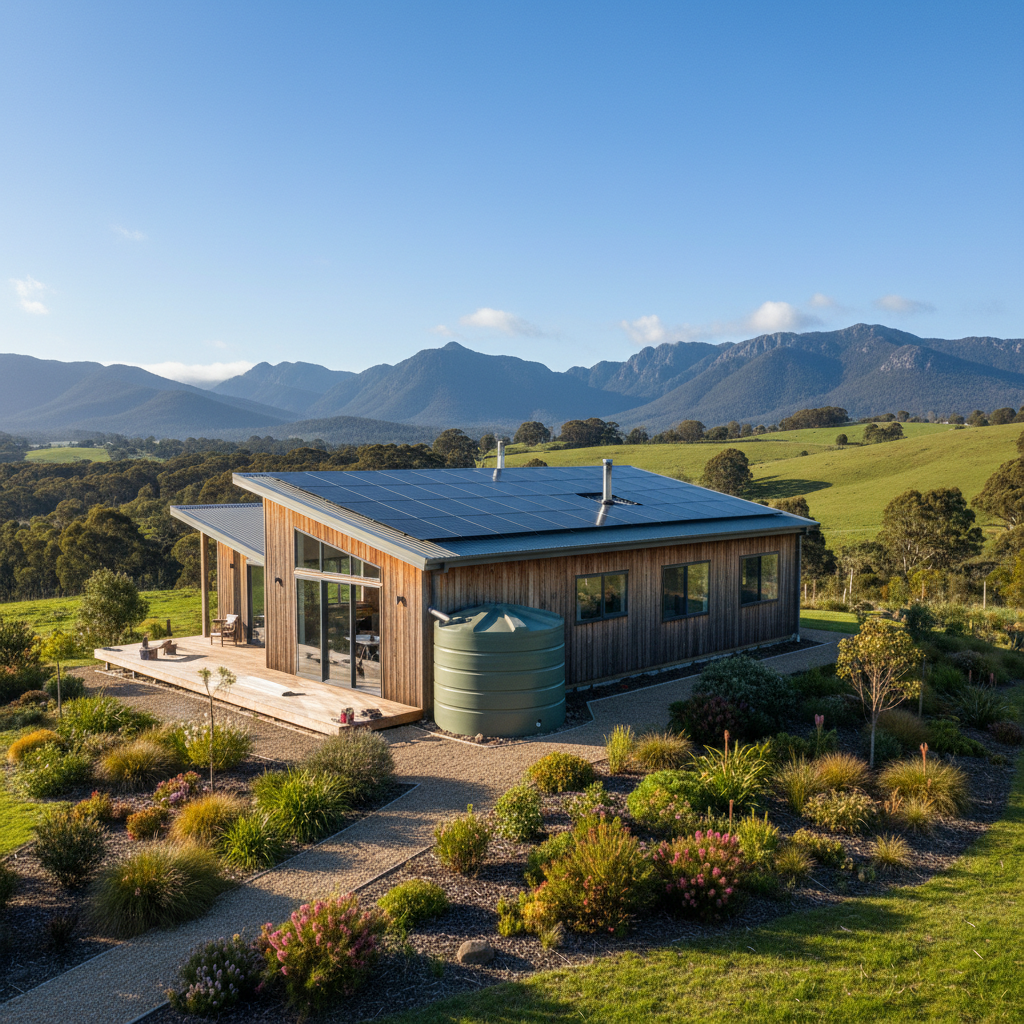
In the southern hemisphere, the sun spends its time in the north. This is basic school stuff, but you would be shocked how many people ignore it. If you put your main living areas on the south side of the house, you will be living in shadows all year. It makes the place feel miserable. You want your big windows and your open plan kitchen or lounge facing north. This lets that low winter sun crawl across your floorboards in July, heating the house for free. In summer, the sun is higher, so a simple eave or awning blocks it out. It is passive heating 101. But it only works if you get the layout right during the design phase.
I worked with a guy near Mudgee a few years back. He wanted his deck facing the road because he liked the view of the hills, but the road was south. I told him he should swap it. He didn't. Now he has a beautiful deck that stays freezing cold nine months of the year because it never sees the sun. Don't be that guy. If your best views are south or west, you need to get clever. Maybe put some high clerestory windows in to let northern light in from above. Use the TRUECORE steel frames to your advantage here. Steel is strong, so you can often get away with bigger spans and larger window openings than you could with timber without needing massive, expensive lintels.
Breezeways and The Science of Moving Air
Airflow is not just about opening a window. It is about pressure. To get a good breeze, you need an inlet and an outlet. If you open one window, the air just hits a wall and stays there. Stagnant. Gross. You need windows on opposite or adjacent walls to create a path for the air to travel. This is called cross-ventilation. Think about the local wind patterns in your area. If you're on the coast, you usually get that afternoon sea breeze from the east or north-east. Line up your doors and windows to catch it.
Internal doors matter too. If you close all the bedroom doors, you kill the airflow. Using louvres is a classic Aussie move for a reason. You can leave them open for air even when it's raining, and they provide way more ventilation than a standard sliding window that only opens halfway. In a kit home, you can usually specify your window types. Push for louvres in hallways or high up in gables to let hot air escape. Heat rises, so if you don't give it a hole to get out of, it just sits under your ceiling and cooks you.
Glazing is Where You Spend Your Money
Windows are the weakest point in your thermal envelope. You can have the best R-value insulation in your walls, but if you have cheap, thin glass, you're losing the battle. Double glazing used to be a luxury in Australia, but now it's becoming the standard, especially with the updated NCC 2022 requirements. It isn't just about heat, either. It's about noise. If you're building near a busy road or even just want to block out the sound of a kookaburra waking you up at 5am, double glazing is the go.
But be careful with too much glass on the western side. The afternoon sun in an Australian summer is brutal. It will fade your couch, melt your chocolate, and turn your lounge room into a sauna by 4pm. If you must have western windows for a view, look into high-performance glass with a low Solar Heat Gain Coefficient (SHGC). Or just plant a deciduous tree. It gives you shade in the summer and drops its leaves to let the sun in during winter. Nature’s smart like that.
The Reality of the Owner Builder Process
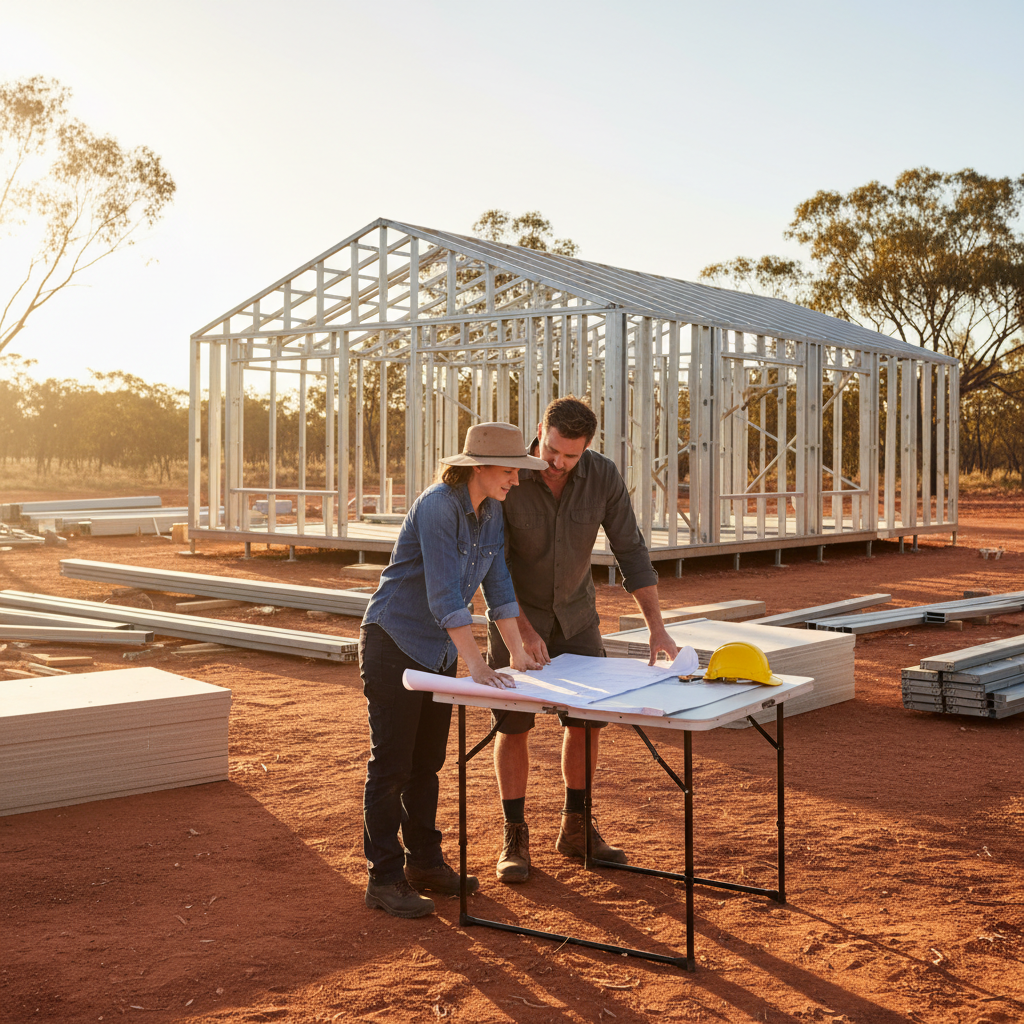
When you buy a kit home, you're the boss of the site. You're arranging the slab and the sparkies and the plumbers. This gives you a lot of control, but it means you need to be onto it. When the kit provider sends you the initial plans, look at them with a torch. Pretend the torch is the sun. Move it around the house for different times of day. If you see rooms that stay dark, add a skylight or a solar tube. These are easy to install during the framing stage. It's much harder (and pricier) to cut a hole in a finished roof later on.
Also, think about your eaves. A lot of modern designs have tiny eaves or no eaves at all. They look sleek, but they are terrible for the Australian climate. You want at least 450mm to 600mm of overhang. This protects your window frames from the rain and shades the glass from that high midday sun.
Three Quick Tips for Better Light
- Use light-coloured roofing. A Zincalume or light Colorbond roof reflects a lot more heat than a dark charcoal one. This keeps the whole house cooler.
- Mirrors aren't just for bathrooms. If you have a dark hallway, a well-placed mirror opposite a window can bounce light deep into the house.
- Consider raked ceilings. They make a small footprint feel massive and give you more room for high windows to let out hot air.
Why Steel Frames Make This Easier
I've worked with timber and I've worked with steel. Precision is the big one. When you are trying to fit large, expensive double-glazed window units, you want your openings to be square. Steel frames don't warp or twist like timber does when it sits out in the rain on a job site. If the plan says the opening is 2100mm, it stays 2100mm. This makes the install much smoother for your window subbies. Plus, the strength-to-weight ratio of BlueScope steel means we can often design wider open-plan areas without needing massive internal load-bearing walls. Wider rooms mean light can travel further across the house.
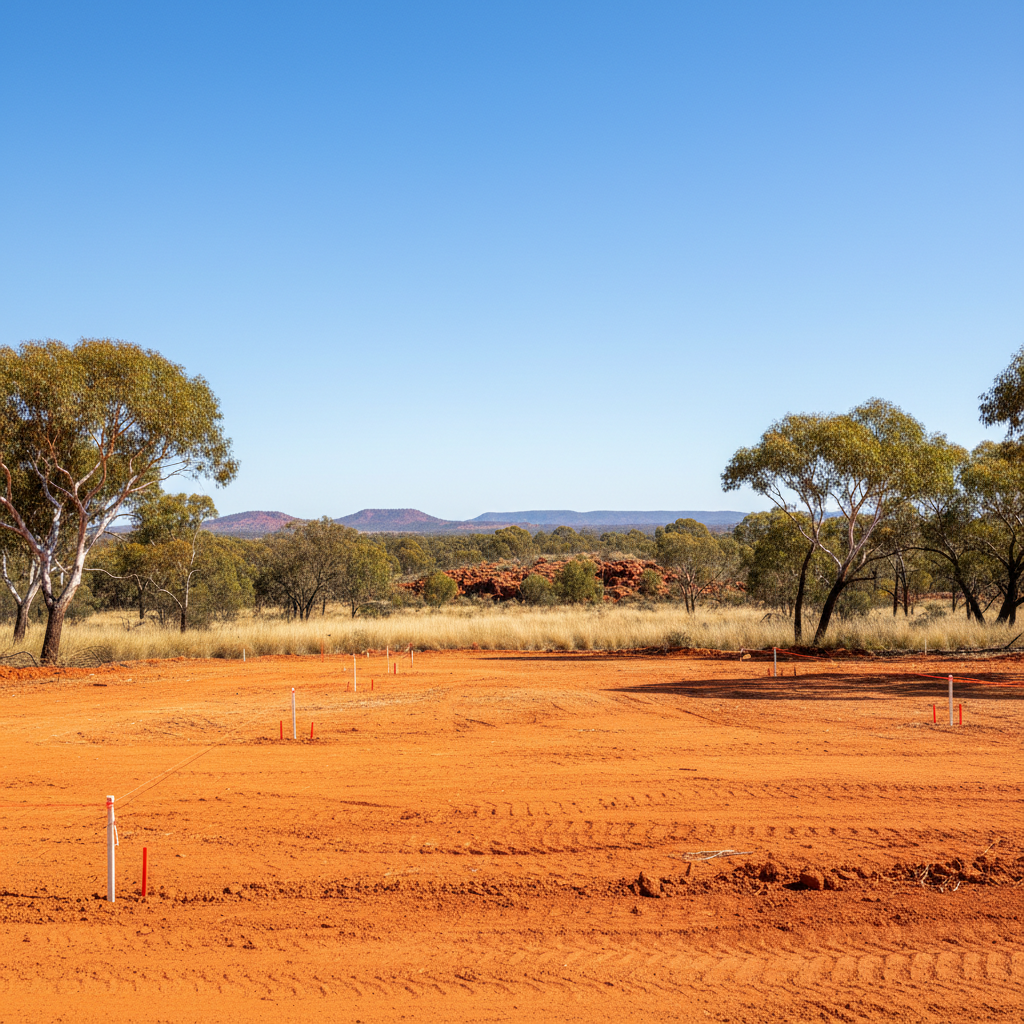
At the end of the day, a kit home is a kit home. It's a pile of high-quality components delivered to your block. What makes it a great house is how you've thought about the environment it sits in. Spend the extra time now. Move a window. Flip the kitchen. Re-orient the whole slab if you have to. You'll thank yourself when you're sitting in a bright, breezy lounge room five years from now instead of sitting in the dark with the lights on at midday.