Bringing the Great Outdoors In: Why Light and Air Matter
When you sit down to plan your future kit home, it is easy to get caught up in floor plans, kitchen finishes, and the durability of your steel frames. However, two of the most critical elements for long term comfort are often the ones you cannot see or touch: light and air. In the unique Australian climate, mastering natural light and ventilation is the difference between a house that feels like a dark box and a home that feels like a sanctuary.
Because kit homes offer a high degree of flexibility during the design phase, you have a golden opportunity to get these elements right before the first bolt is tightened. Whether you are building on a leafy block in the hinterland or a sun-drenched coastal patch, understanding how to harness the environment will save you money on energy bills and significantly improve your wellbeing.
The Power of Orientation: Working with the Australian Sun
The first rule of Australian home design is to know where the north is. Proper orientation is the foundation of a high-performing kit home. In the southern hemisphere, a north-facing living area will capture the sun in winter when it is lower in the sky, providing natural warmth, while remaining shaded in summer when the sun is directly overhead.
When reviewing your kit home design, try to place your most used rooms, like the kitchen and lounge, on the northern side of the building. This simple adjustment ensures that your main living spaces are bathed in natural light year-round. Conversely, minimize the number of windows on the western side of the home. The harsh afternoon sun in Australia can quickly turn a beautiful room into an oven if it is not properly managed with shading or specific glazing treatments.
Strategic Window Placement for Maximum Impact
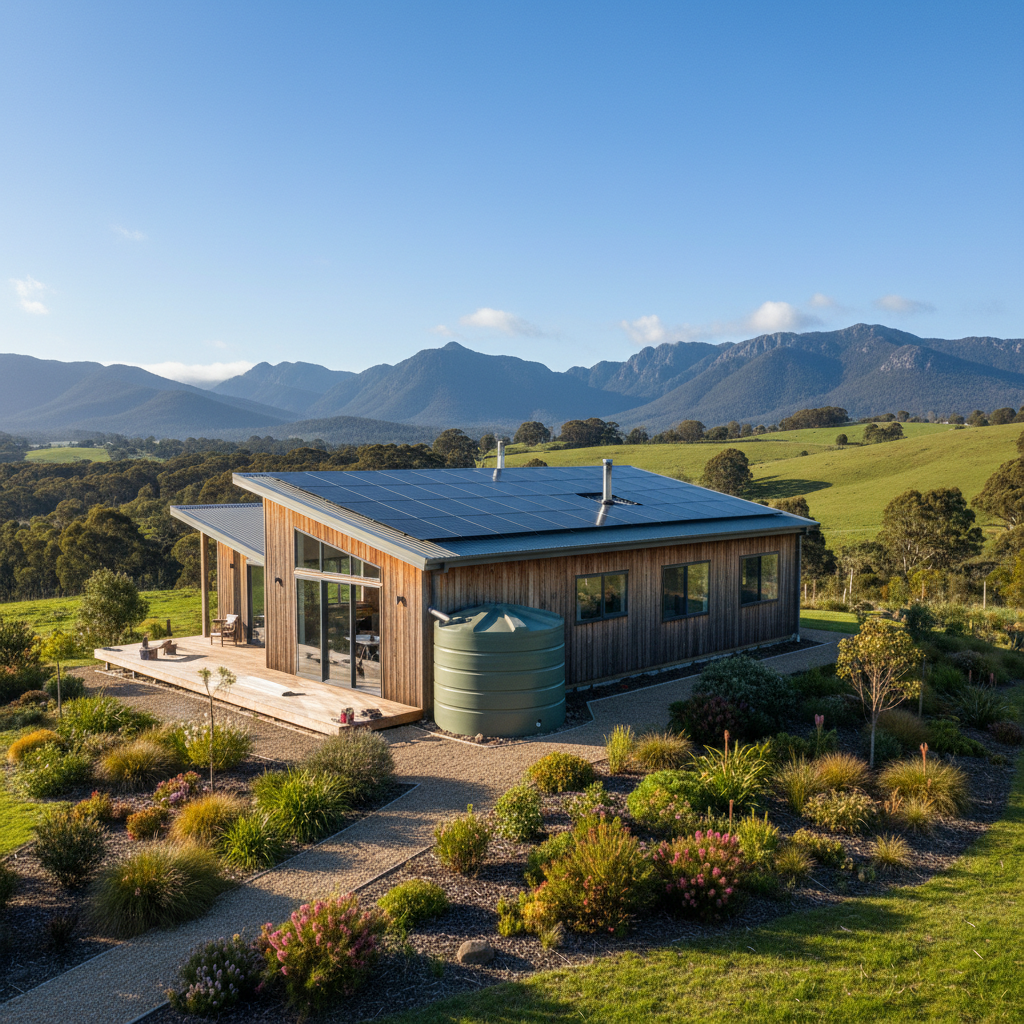
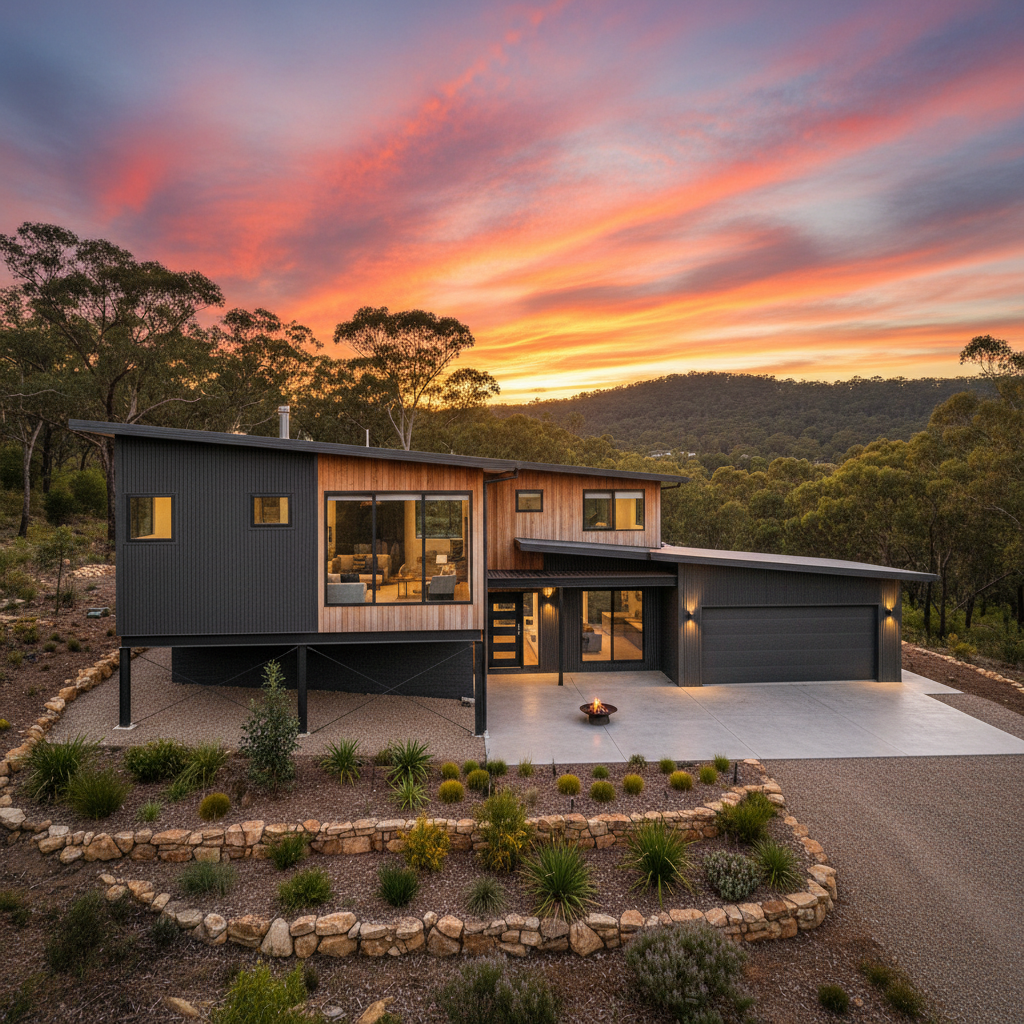
Windows are the lungs and eyes of your home. In a kit home context, you have the freedom to choose window sizes and placements that suit your specific site. To maximize light, consider using larger windows or floor-to-ceiling glass in north-facing areas. This creates a seamless transition between your indoor space and your outdoor deck or garden, a staple of the Australian lifestyle.
If you have a particularly deep room where light struggles to reach the back wall, think about clerestory windows. These are rows of windows set high in the wall, often near the roofline. They are excellent for bringing light deep into the floor plan while maintaining privacy from neighbors. Because the frames in modern kit homes are engineered for strength, incorporating these architectural features is often more straightforward than people realize.
Mastering Cross-Ventilation: The Natural Way to Cool Down
Airflow is just as important as light. Mechanical cooling is expensive and often unnecessary if your home is designed to breathe. Cross-ventilation works by creating a path for air to move through the house, drawing cool air in and pushing warm air out.
To achieve this, look at the prevailing breezes on your site. Are they coming from the coast or the mountains? Place your openings on opposite sides of the house to encourage this airflow. Louver windows are a fantastic choice for kit homes in Australia. They allow for nearly 100 percent of the window area to be open, giving you maximum control over the breeze even during a light rain shower.
Think about the internal layout too. Open-plan living is great for airflow, but if you have hallways or closed-off rooms, consider adding internal highlights or vents. This prevents pockets of hot, stagnant air from building up in the corners of your home.
The Role of Eaves and External Shading
In Australia, we cannot talk about light without talking about shade. While we want the light, we often want to block the direct heat. The genius of traditional Australian architecture lies in the eaves. Deep eaves are a simple, effective way to protect your kit home. They block the high summer sun while allowing the lower winter sun to penetrate deep into the room.
When selecting your kit home roof and cladding options, consider how the overhangs will work. You can also supplement your design with external shading devices like battens, shutters, or even deciduous trees. Deciduous plants are nature's smart technology: they provide thick shade in summer and drop their leaves in winter to let the light through.
Using Color and Materials to Enhance Reflection
The internal finishes you choose as an owner-builder play a huge role in how light behaves inside your home. Light-colored walls and ceilings will reflect natural light, making a room feel larger and brighter. If you have a smaller kit home footprint, using a cool white or a very light grey can transform the perception of space.
Don't forget the floor. While dark floors are popular, they can absorb a lot of heat and light. If you are aiming for a bright, airy feel, consider lighter timber laminates or polished concrete with a light aggregate. These surfaces help bounce light from the windows up towards the ceiling, creating an even glow throughout the room.
Skylights: The Secret Weapon for Internal Rooms
Sometimes, the layout of a home means that certain areas, like bathrooms, laundries, or walk-in pantries, don't have access to an external wall. This is where skylights or solar tubes become invaluable. A modern skylight can turn a windowless, gloomy hallway into a bright, welcoming space.
When choosing skylights for your kit home, look for high-quality, double-glazed options with good thermal properties. You want the light, but you don't want to lose all your heat in winter or gain too much in summer. Some skylights even come with venting options, which can help exhaust hot air from the highest point of the ceiling, further aiding your ventilation strategy.
Practical Tips for Owner-Builders
As you manage your project, keep these practical points in mind:
- Site Visit: Spend time on your block at different times of the day before finalized your plans. See where the shadows fall and where the breeze comes from.
- Insulation is Key: While light and air are vital, they must work with your insulation. Ensure your wall and roof insulation is installed correctly to manage the thermal transfer that comes with larger windows.
- Glazing Choice: Consider double glazing for larger north and west-facing windows. It provides a thermal buffer and helps keep the internal temperature stable.
- Check the Heights: Ceiling height matters. Higher ceilings allow for taller windows and more space for hot air to rise above the living zone.
The Health and Lifestyle Benefits
Beyond the practicalities of energy efficiency, a home filled with light and fresh air is simply a better place to live. Natural light is proven to boost mood and regulate sleep patterns. Fresh air reduces the build-up of moisture and allergens, creating a healthier environment for your family. By focusing on these elements during the design phase of your kit home, you are investing in your long-term quality of life.
Conclusion
Building a kit home in Australia offers an incredible opportunity to create a space tailored perfectly to our sun-drenched landscape. By prioritizing orientation, choosing the right windows, and encouraging natural airflow, you can create a home that is naturally comfortable, bright, and beautiful. Remember, the best features of your home don't always come in the kit, sometimes they are the ones you capture from the sky and the breeze. Take the time to plan for light and air, and your home will reward you for decades to come.