Creating a Brighter, Healthier Home from the Ground Up
When you embark on the journey of building a kit home in Australia, you have a unique opportunity to design a space that works in harmony with our beautiful climate. One of the most common mistakes owner-builders make is focusing purely on the floor plan dimensions without considering how the sun moves across the site or how the afternoon breeze might cool the living room. Designing for natural light and ventilation isn't just about making your house look like a Pinterest board, it is about creating a home that feels comfortable, reduces your electricity bills, and boosts your overall wellbeing.
In this guide, we will dive deep into the practical ways you can optimize your kit home design. Whether you are building a coastal retreat or a rural homestead, these tips will help you harness the elements to create an airy, light-filled sanctuary.
The Power of Orientation: Working with the Australian Sun
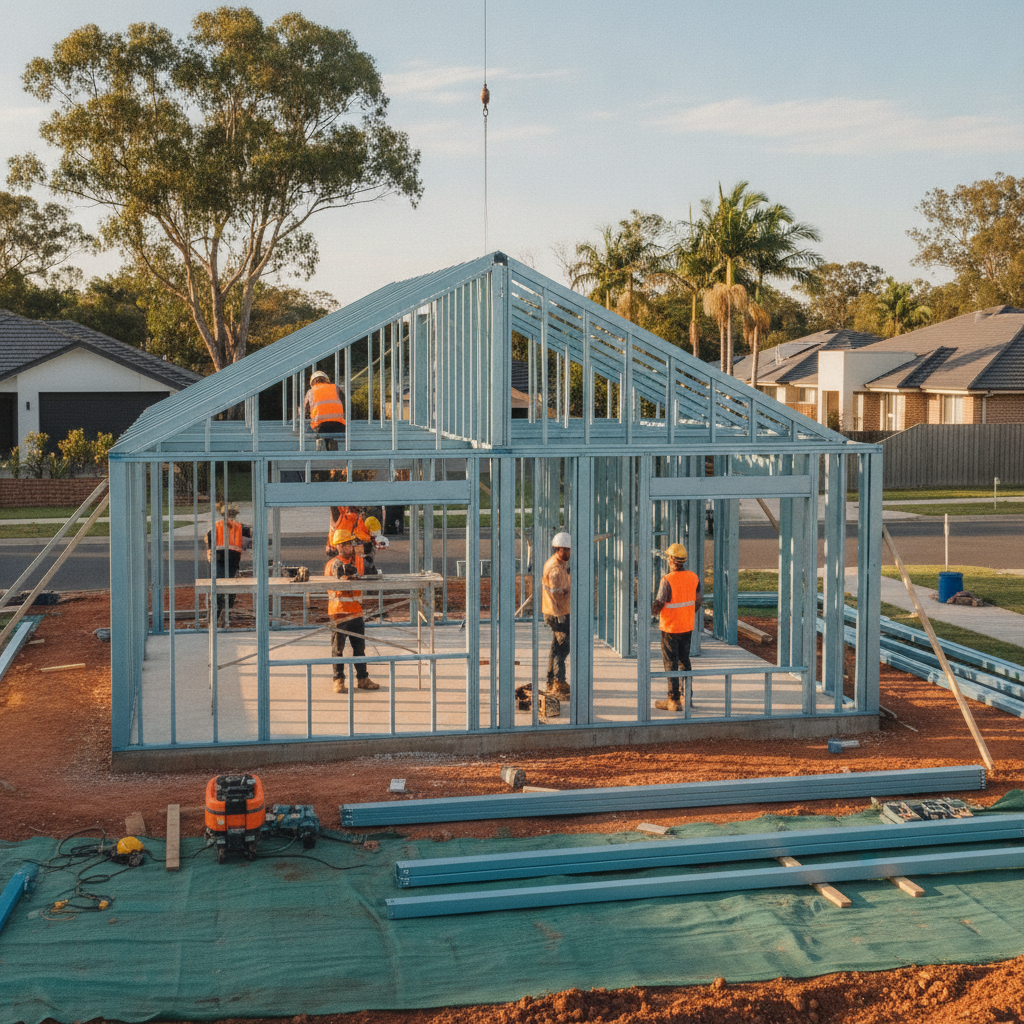
In the Southern Hemisphere, the sun is your best friend in winter and your biggest challenge in summer. The single most important decision you will make as an owner-builder happens before the first steel frame is even bolted together: how you position the house on your block.
The North-Facing Rule
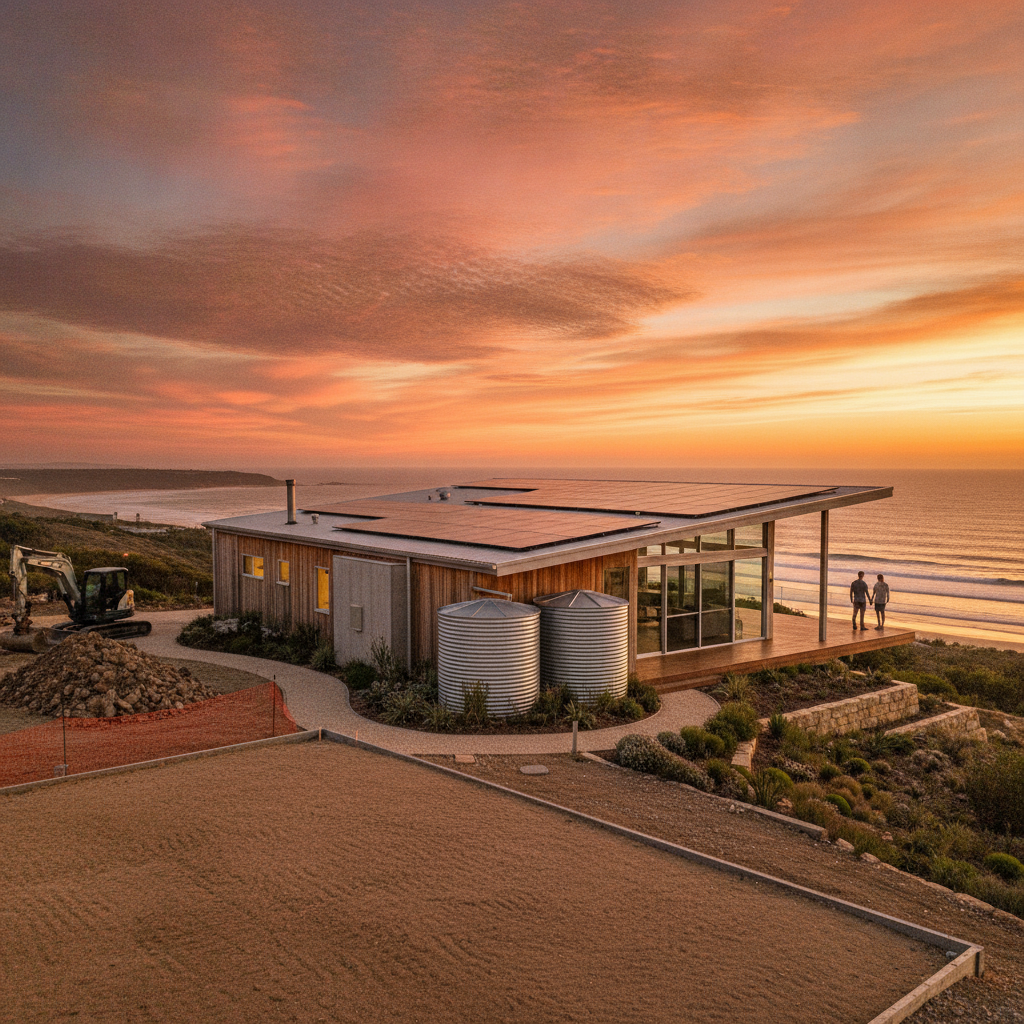
Ideally, you want your main living areas, such as the kitchen, dining, and lounge rooms, to face north. North-facing windows allow the low-angle winter sun to penetrate deep into the home, naturally warming the space during the cooler months. In summer, the sun is much higher in the sky, meaning it is easier to block that heat with simple eaves or awnings. By orienting your kit home this way, you create a space that feels bright all year round without the glare of the morning or afternoon sun.
Managing East and West Heat
West-facing windows are the primary culprits for overheating in Australian homes. The harsh afternoon sun hits these windows at a low angle, often making rooms unbearable by 4 PM in February. If your block forces a western orientation, consider reducing the size of windows on that side or investing in external shading. East-facing windows are great for kitchens and breakfast nooks, providing gentle morning light to start your day, but they should also be managed to prevent early morning heat gain in summer.
Smart Window Placement for Maximum Light
Glazing is arguably the most critical component of your kit. It is the bridge between your cozy interior and the great outdoors. However, more glass does not always mean a better home. It is about strategic placement.
Vertical vs. Horizontal Light
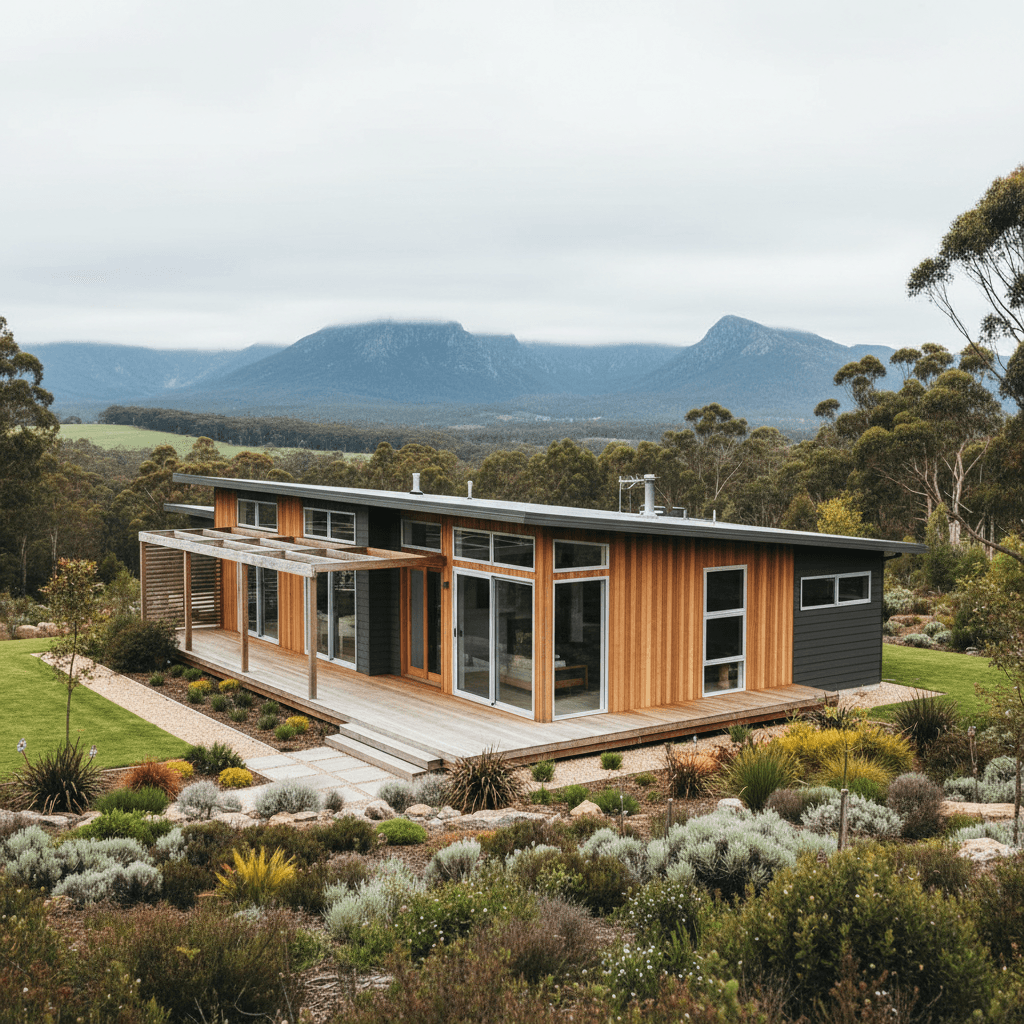
While standard windows provide views, high-level windows, such as clerestory windows or highlights, are incredible for bringing light into the center of a deep floor plan. Because they are positioned higher up, they allow light to reflect off the ceiling and illuminate areas that would otherwise be dark. This is especially useful if you have a skillion roof design, where one wall is significantly taller than the other.
The Role of Glass Types
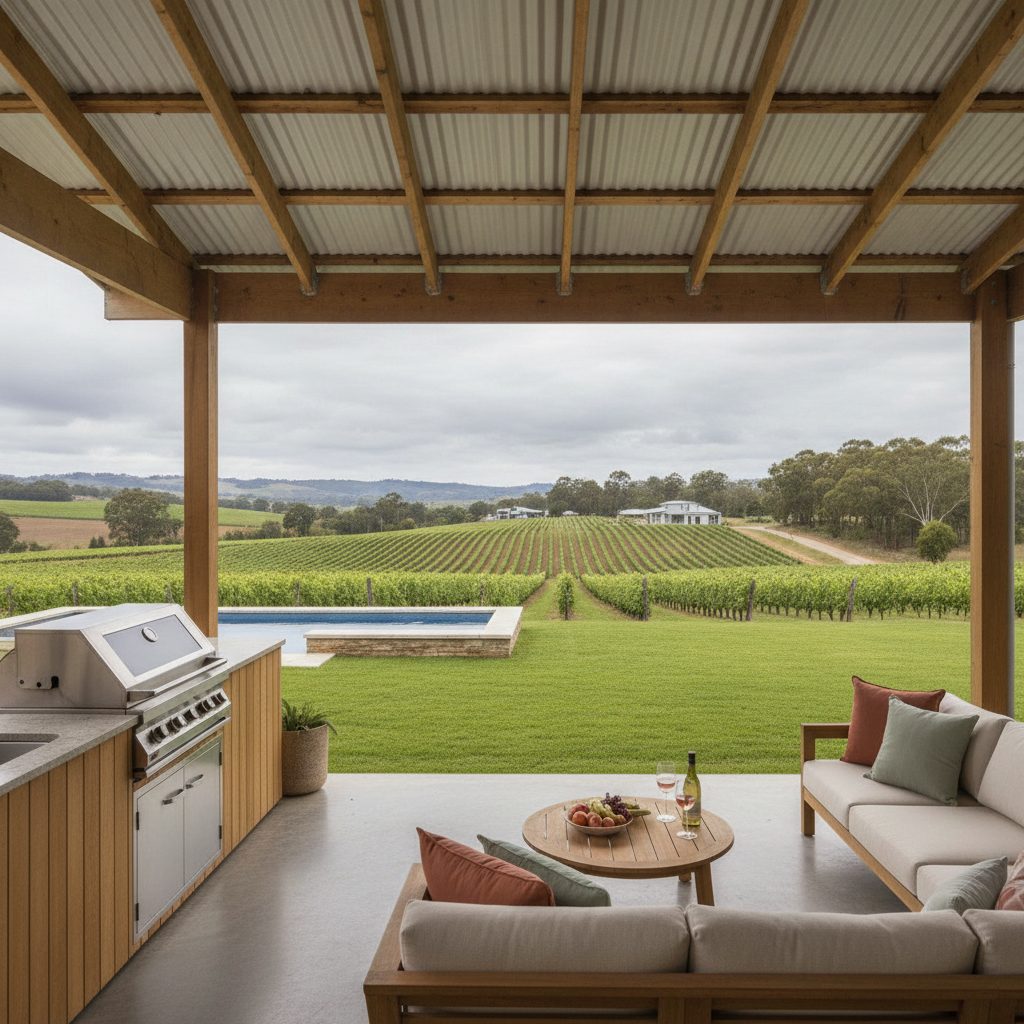
When selecting your kit home components, look at the glass specifications. High-performance glass can help retain heat in winter and keep it out in summer. Using large sliding or stacking doors in your main living zone not only floods the room with light but also creates that seamless indoor-outdoor flow that Australians love.
Passive Cooling: Mastering Cross-Ventilation
Ventilation is about more than just opening a window. It is about creating a path for air to move through your home. This process, known as the venturi effect, can naturally lower the temperature of your home by several degrees, reducing your reliance on expensive air conditioning.
Creating an Air Path
For effective cross-ventilation, you need an entry point for the breeze and an exit point. If you have a window on the southern side of the house and another directly opposite on the northern side, the air will flow through the space. If windows are only on one side of a room, the air tends to stagnate. When reviewing your kit home floor plan, try to ensure every room has windows on at least two different walls or is positioned to catch the prevailing local breezes.
Louvres: The Australian Favorite
Louvre windows are a fantastic choice for kit homes in warmer climates. Unlike standard awning or sliding windows, louvres provide nearly 100% airflow when fully open. They allow you to control the direction of the breeze and can even be left slightly open during light rain to keep the house fresh without getting the floors wet.
The Layout: Designing for Airflow
The internal layout of your home significantly impacts how light and air travel. Open-plan living is popular for a reason, it allows both light and breezes to move unobstructed from one side of the house to the other. However, you can still achieve this in zoned homes by using features like internal transom windows (windows above internal doors) or by choosing wider hallways and high ceilings.
The Benefits of High Ceilings
Hot air rises. By choosing a kit home design with higher ceilings, you create a buffer zone where the heat can collect above your head, keeping the living zone cooler. Combined with ceiling fans, which are a must-have for any Australian owner-builder, you can maintain a comfortable climate very efficiently.
Practical Tips for the Owner-Builder
As you manage your project, here are a few hands-on tips to ensure your light and ventilation goals are met during the construction phase:
- Check the site at different times: Before the slab is poured, visit your site at sunrise, midday, and sunset. Use a compass app to verify exactly where the sun will hit your planned window locations.
- Seal it right: While we want airflow, we don't want draughts. Ensure your windows and doors are installed with high-quality seals. This gives you total control, you let the air in when you want it and keep the elements out when you don't.
- Insulation is key: Even with great windows, your home needs a solid thermal envelope. The insulation included in your kit (for both walls and roof) works in tandem with your ventilation strategy to maintain a stable internal temperature.
- Landscaping matters: Thinking about light and air doesn't stop at the walls. Deciduous trees planted on the northern side of your home will provide shade in summer but drop their leaves in winter to let the sun through.
Conclusion: A Home for the Future
Building a kit home is a rewarding experience that gives you a level of involvement in your home's DNA. By focusing on natural light and ventilation during the design and planning phase, you aren't just building a house, you are building a high-performing machine for living. Using high-quality materials like Australian TRUECORE steel frames ensures your structure remains straight and true, allowing those large windows and doors to operate perfectly for decades to come.
Take the time to look at your site, understand the movement of the sun, and plan for the breeze. The result will be a bright, airy, and inviting home that feels exactly the way an Australian home should.