Bringing the Great Australian Outdoors Inside
There is something uniquely Australian about a home that feels open to the elements. Whether you are building on a leafy block in the Hinterland or a coastal strip in Western Australia, the way your kit home interacts with light and air will define your living experience. When you embark on an owner-builder journey, you have a golden opportunity to move beyond a cookie-cutter layout and create a space that breathes.
Maximizing natural light and ventilation is not just about aesthetics. It is about creating a healthy, energy-efficient environment that reduces your reliance on artificial lighting and air conditioning. In this guide, we will explore how to work with your kit home design to capture every ray of sun and every cooling breeze that wanders across your property.
Orientation: The Foundation of Bright Design
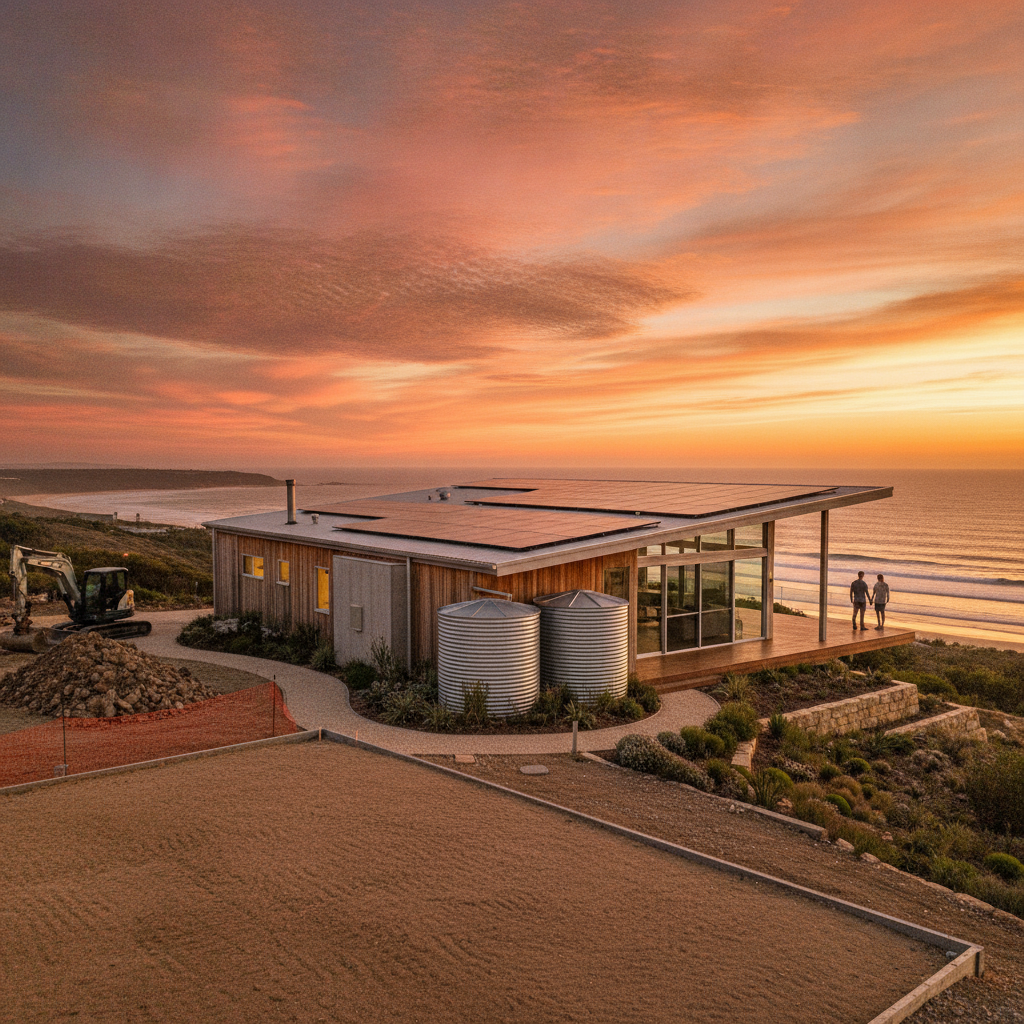
Before you even look at floor plans, you need to look at your land. In Australia, the path of the sun is your best friend or your worst enemy, depending on how you treat it. For most Australian kit home builders, the goal is to have your main living areas facing north. This allows you to capture the low winter sun to warm your home naturally while making it easier to shade those same windows during the harsh summer months.
When reviewing your kit home layout, consider how the rooms are distributed. Can the kitchen and living room be placed along the northern wall? Can the bathrooms and laundry, which require less natural light, be kept to the south? Getting the orientation right from the start is the single most effective way to ensure your home feels bright and airy all year round.
The Power of Strategic Window Placement
Windows are the eyes of your home, but their placement needs to be tactical. It is a common mistake to think that more glass simply equals more light. While that is true, it can also lead to excessive heat gain. To get the balance right, consider these practical tips:
- Clerestory Windows: These are high-level windows placed above eye level. They are fantastic for kit homes because they allow light to penetrate deep into the floor plan without compromising privacy or taking up valuable wall space for furniture.
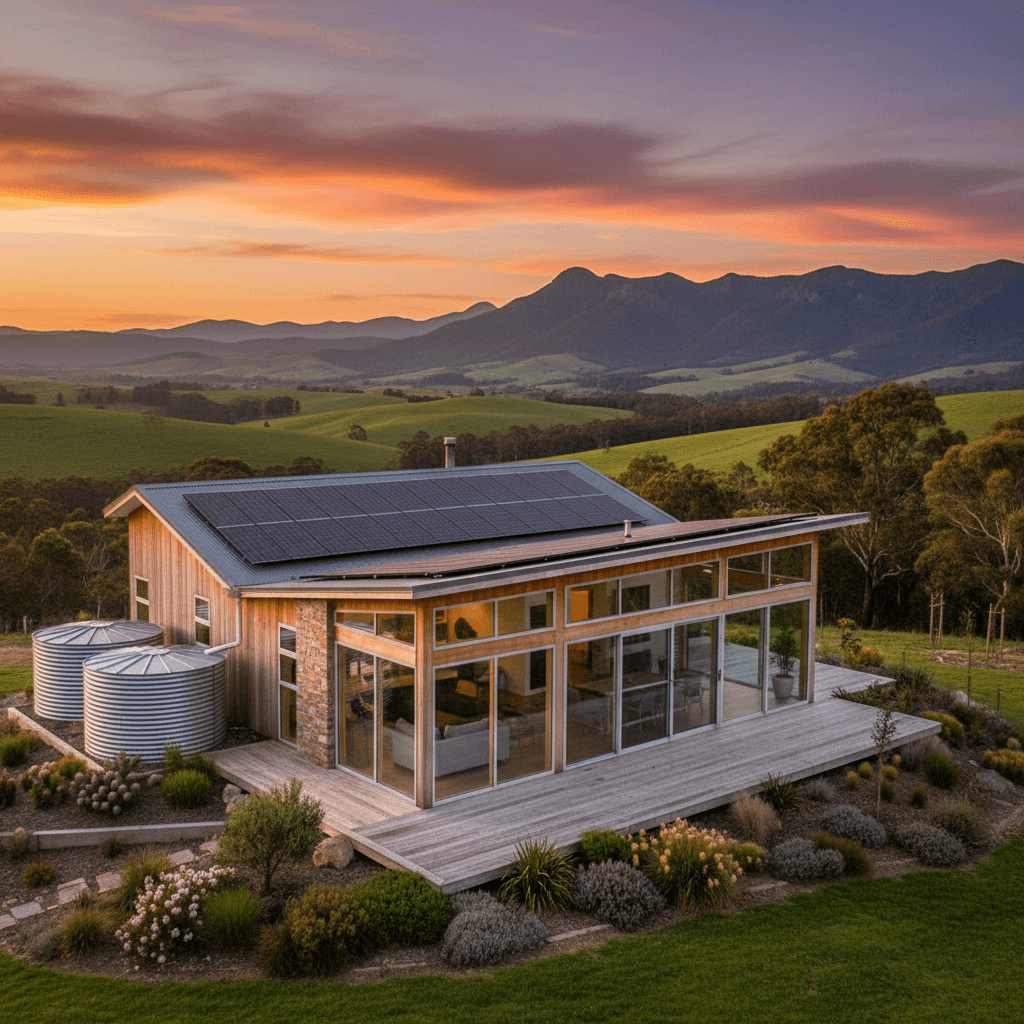
- Size and Scale: In Australian kit homes, large sliding or stacking doors are a popular choice. They bridge the gap between your indoor living area and your deck. Utilizing wide openings transforms your steel frame structure into an outdoor pavilion during the temperate months.
- The Solar Eave: Ensure your design includes appropriate eaves. A well-calculated eave will block the high summer sun but allow the lower winter sun to stream through your glass doors, hitting your floor and providing natural warmth.
Mastering Cross-Ventilation
A home that holds onto stale air feels heavy and uncomfortable. In many parts of Australia, we rely on the afternoon sea breeze or gully winds to cool our homes. To make this work in a kit home, you need a clear path for air to move. This is known as cross-ventilation.
To achieve this, try to place openings on opposite or adjacent sides of a room. When wind enters through a window on one side, it needs an exit point to create a flow. If you have a long, open-plan living area, placing a window at the windward end and a large door at the leeward end will create a venturi effect, pulling fresh air through the entire house. Even the internal doors of your kit home play a role, consider using louvered doors for pantries or laundries to keep air moving even when things are shut up.
Vertical Air Movement and High Ceilings
Heat rises, and in a country as hot as Australia, we can use this to our advantage. Kit homes with higher ceilings or raked ceilings provide more volume for hot air to collect well above your head. By installing operable skylights or high-set windows, you can create a chimney effect. As the hot air escapes out of the top of the house, it draws cooler air in through the lower windows. This passive cooling method is incredibly effective and significantly reduces the need to run fans or cooling systems during the shoulder seasons.
Choosing the Right Materials for Light and Air
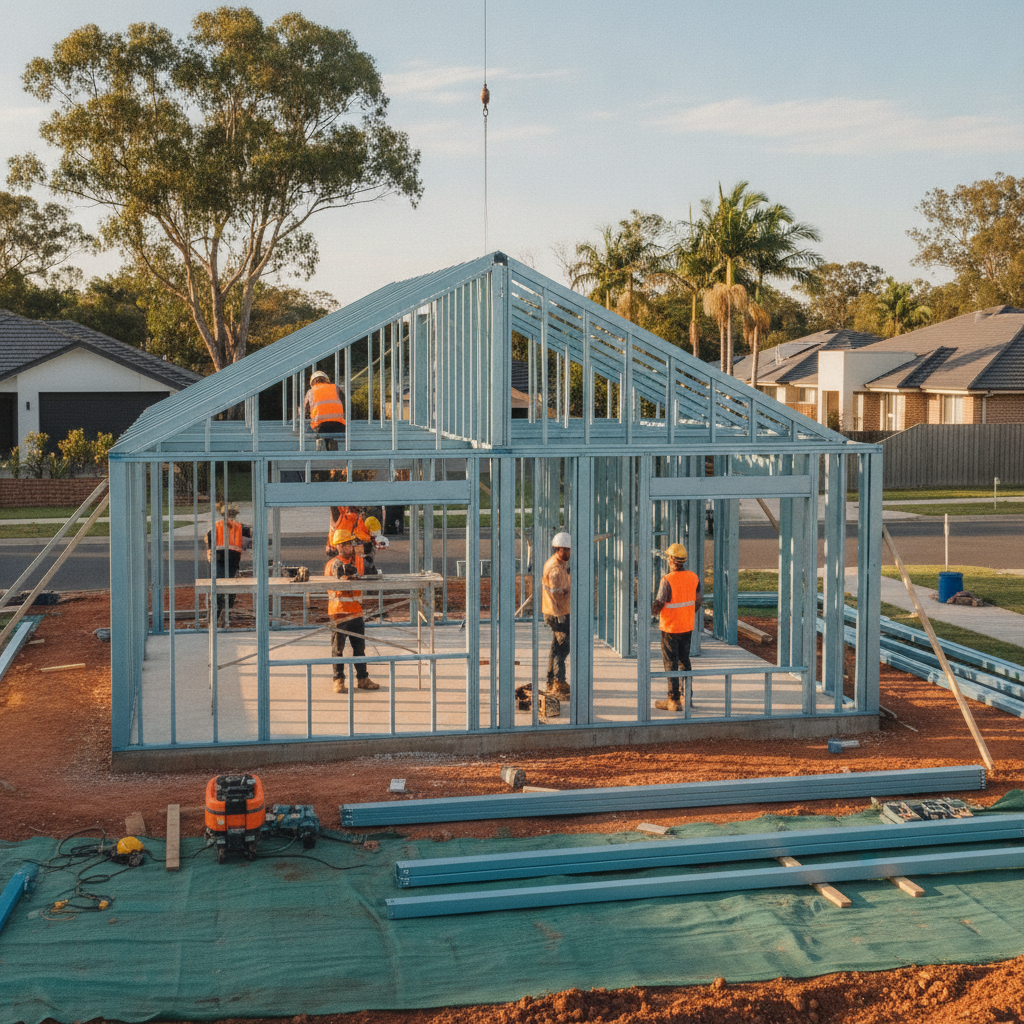
The materials included in your kit play a subtle but vital role in the internal climate. Most modern Australian kit homes utilize steel frames, which offer incredible strength and allow for much wider spans than traditional timber. This is a massive benefit for light and ventilation because it means you can have larger, uninterrupted glass spans and open-plan layouts without the need for bulky supporting walls that block light and breeze.
Furthermore, the type of glass you choose for your windows and doors matters. High-performance glazing can allow light in while reflecting a significant portion of the heat. When combined with quality insulation, which is usually included in your kit, you create a thermal envelope that stays comfortable regardless of the weather outside.
Practical Design Tips for Owner-Builders
As an owner-builder, you have the final say on the finishing touches that help with light and air. Here are a few actionable tips to keep in mind during your fit-out:
- Reflective Surfaces: Use light-colored paints on your internal walls. White or off-white tones reflect natural light around the room, making even a small kit home feel significantly larger.
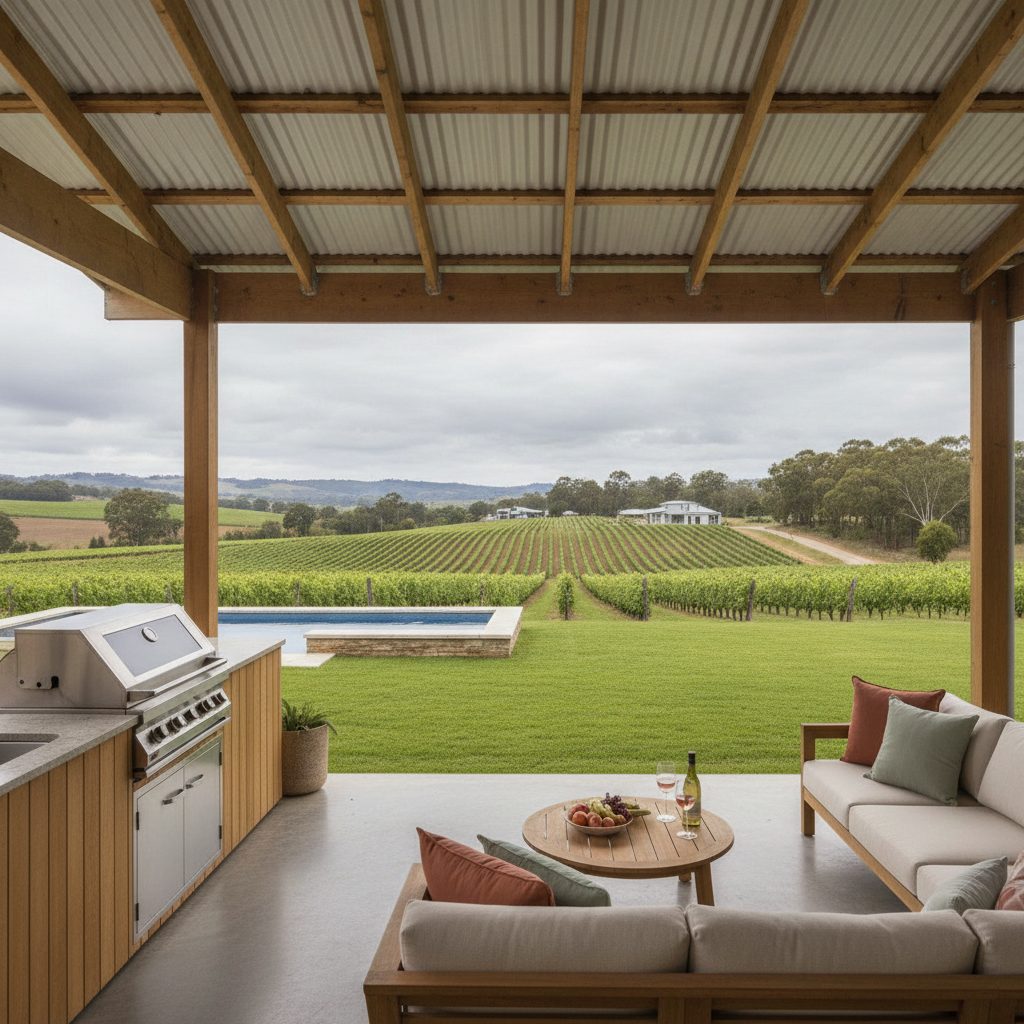
- Deck Integration: When planning your site works and slab, consider how your outdoor living areas connect to the kit home. A light-colored deck can reflect soft, diffused light into your living room.
- Landscaping for Breeze: Be careful where you plant trees and shrubs. While shade is great, you don't want to plant a thick hedge right in front of the window that captures your primary cooling breeze.
- Internal Layout: Avoid cluttering your floor plan with unnecessary internal walls. The more open the space, the easier it is for light to travel and air to circulate.
The Importance of Insulation and Sealing
While we want airflow, we only want it when we choose to have it. Quality kit homes include high-grade insulation for the walls and roof. This works in tandem with your ventilation strategy. During a hot summer day, you might keep the house sealed tight to maintain the cool air inside, then open everything up in the evening once the outside temperature drops. High-quality seals on your windows and doors ensure that when you want to keep the elements out, your home remains a controlled, comfortable environment.
Conclusion: A Home That Works With Nature
Building a kit home in Australia is an exciting journey that allows you to create a residence tailored to your lifestyle. By focusing on natural light and ventilation during the design stage, you aren't just building a house, you are building a sanctuary that responds to the Australian climate. From the strength of the steel frame that allows for expansive views to the simple placement of a louvre window, every decision contributes to a home that is bright, breezy, and beautiful to live in. Take the time to study your site, understand the sun, and listen to the wind, and your kit home will reward you for decades to come.