Bringing the Great Australian Outdoors Inside
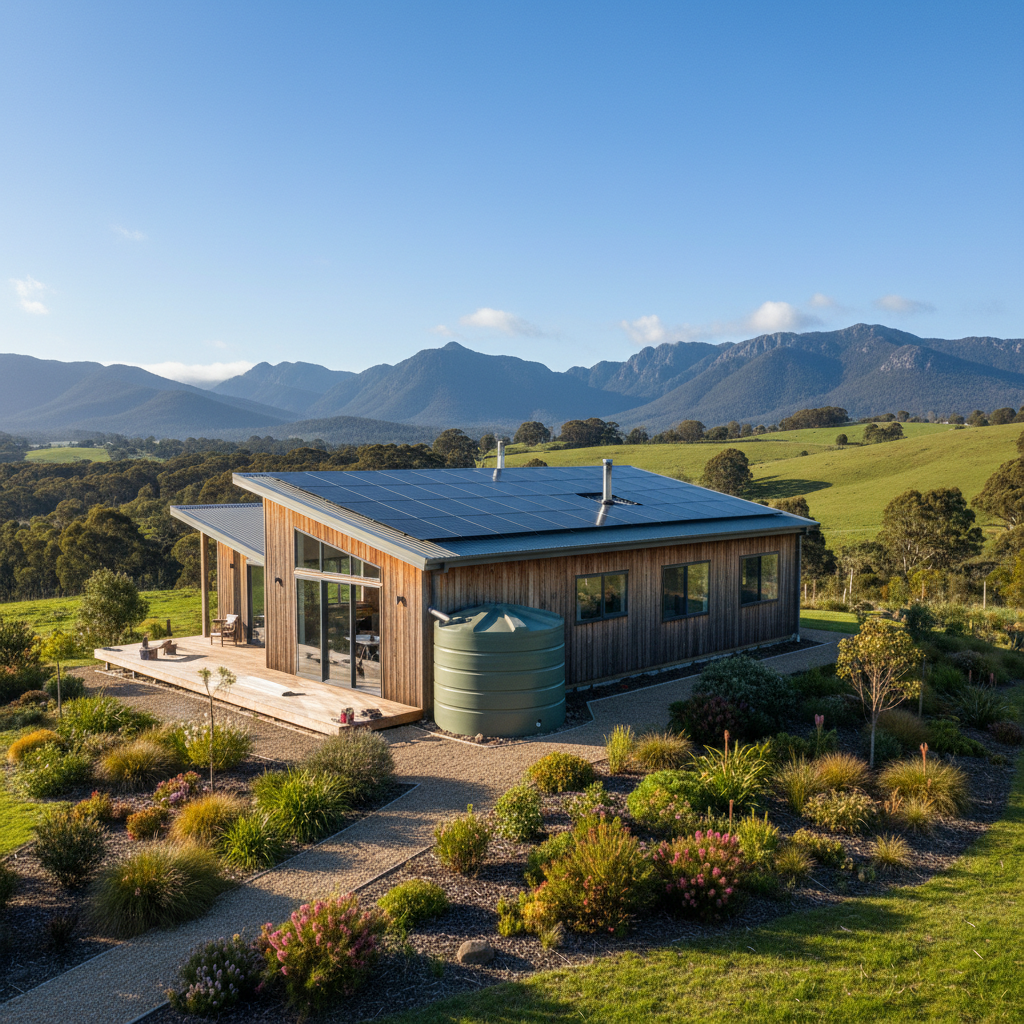
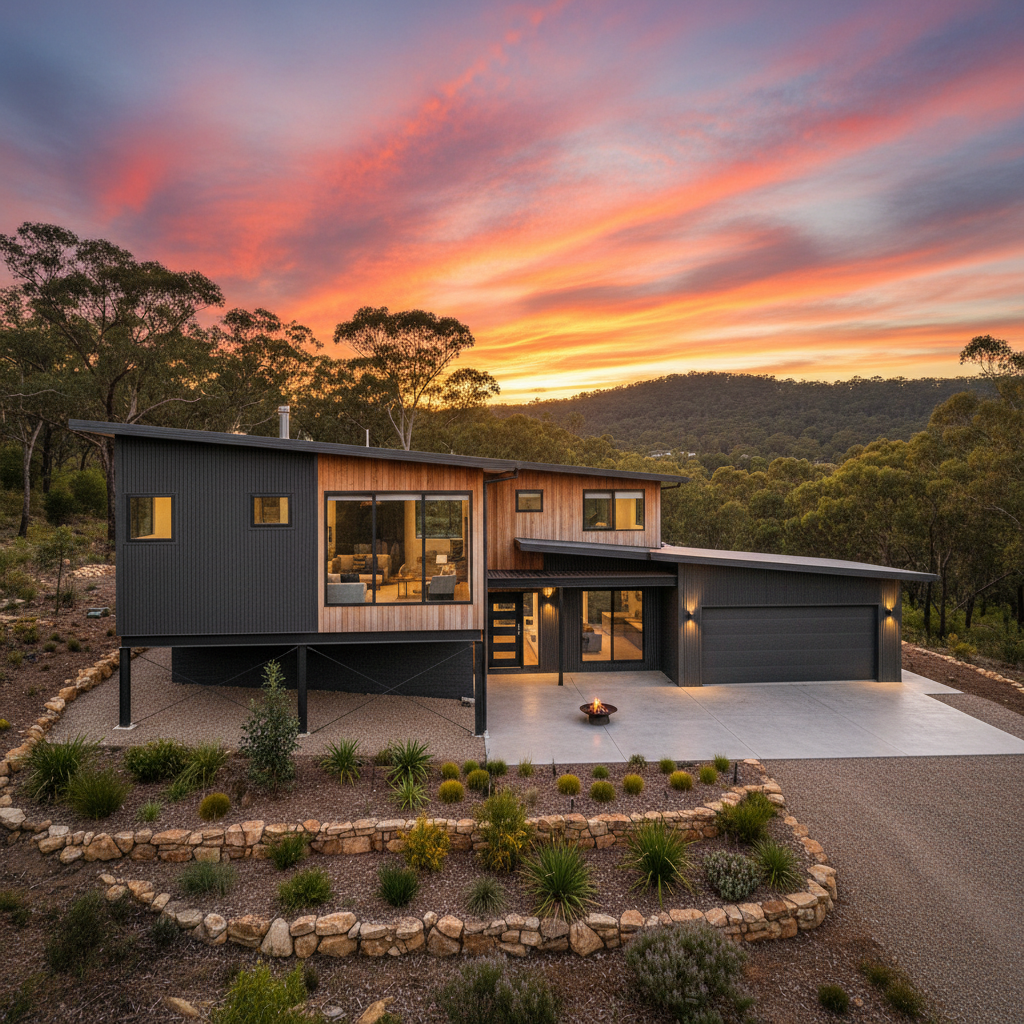
When you decide to build a kit home in Australia, you are usually seeking more than just a roof over your head. Whether you are building on a bushy block in the hinterland or a sun-drenched coastal plot, the goal is often to create a sanctuary that feels connected to the landscape. Two of the most critical elements in achieving this feeling are natural light and cross-ventilation.
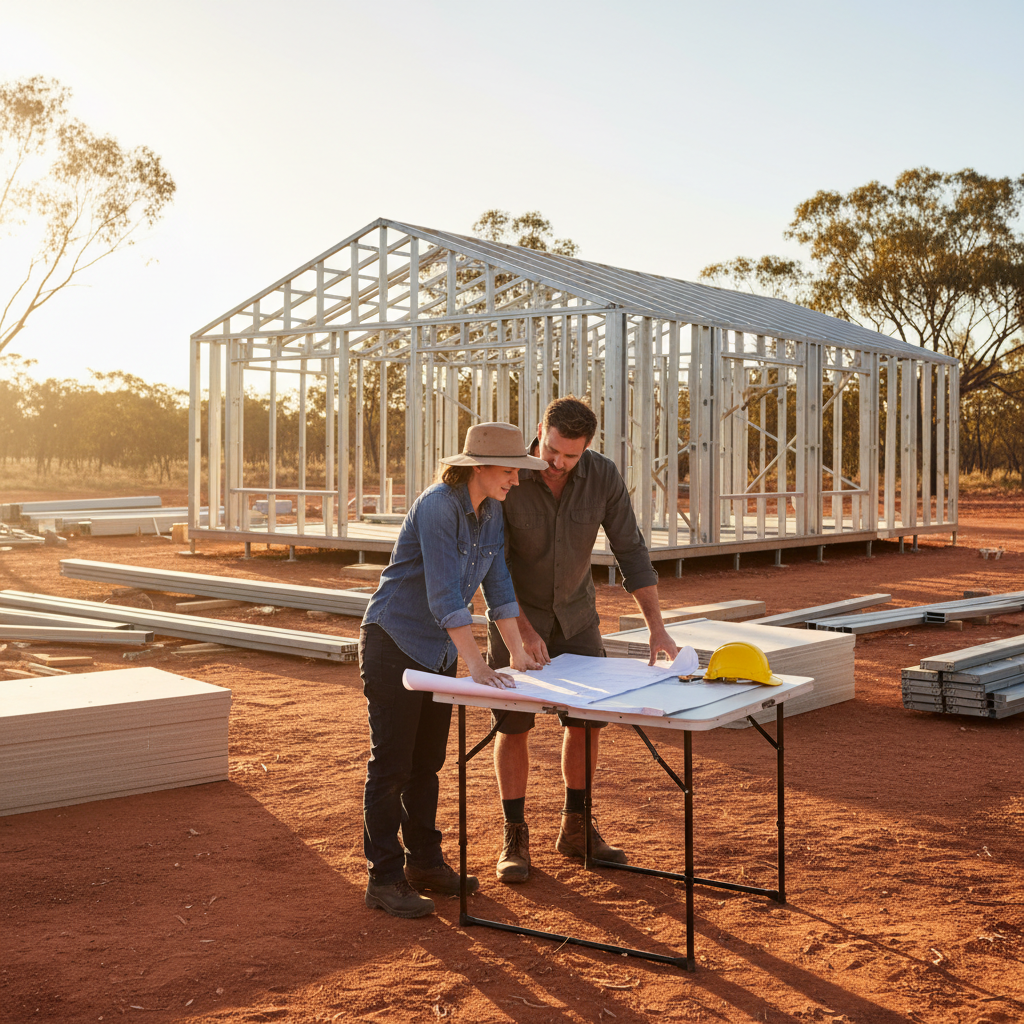
Designing for the Australian climate requires a bit of strategy. We live in a land of extremes, where a home needs to be bright and airy during a humid summer, yet cozy and flooded with winter sun when the temperature drops. As an owner-builder, you have the unique opportunity to customize your kit home layout before the steel frames even arrive on site. By understanding the principles of passive design, you can create a home that is not only beautiful to live in but also significantly more energy efficient.
The Power of Orientation: Follow the Sun
In the southern hemisphere, the golden rule of home design is North-facing living areas. If you can align your kit home so that your main living spaces, like the kitchen, lounge, and dining room, face North, you are already halfway to a high-performing home.
During winter, the sun sits lower in the sky. North-facing windows allow that glorious low-angle sun to penetrate deep into your home, naturally warming your floors and walls. In summer, the sun is much higher. With a well-designed eave or awning, you can block that harsh overhead heat while still enjoying plenty of ambient light. When you are looking at your kit home floor plans, consider flipping or mirroring the layout to ensure your daytime zones capture that northern exposure.
Strategic Window Placement for Natural Light
It is a common mistake to think that more windows automatically mean a better home. In reality, it is about quality and placement over quantity. Too many West-facing windows in an Australian summer can turn your beautiful kit home into an oven by 4:00 PM.
Clerestory Windows and High-Level Glazing
If your block has privacy challenges or if you are building close to a boundary, consider clerestory windows. These are windows placed high up near the roofline. They are fantastic for kit homes because they allow light to flood into the center of the house without compromising your privacy from neighbors. They also do a brilliant job of highlighting the sleek lines of your steel roof trusses and internal ceilings.
The South-Facing Soft Light
While North is for warmth, South-facing windows provide a very consistent, soft, and cool light throughout the day. This is perfect for home offices or artist studios where you want to avoid screen glare or harsh shifting shadows. Just remember that in cooler climates like Tasmania or Victoria, you want to keep Southern windows smaller to prevent heat loss in winter.
Mastering Cross-Ventilation and the Breezeway
There is nothing quite like a natural breeze on a stifling Australian afternoon. Effective ventilation is about creating a path for air to move through your home. This is often referred to as the 'Venturi effect' or simply 'cross-flow'.
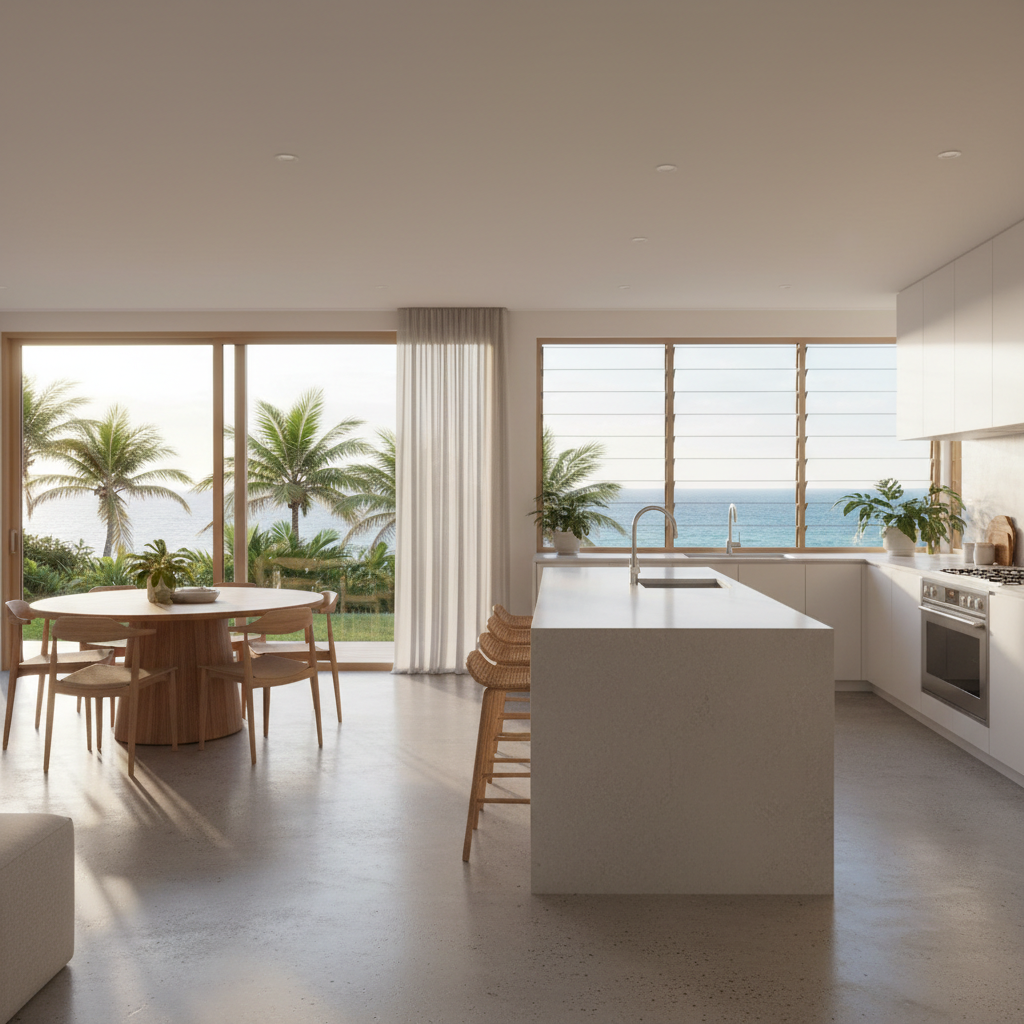
For air to move, it needs an entry point and an exit point. If you have a window open on one side of a room but nowhere for the air to go, it will simply stagnate. When choosing your kit home options, look for opportunities to place windows or doors directly opposite each other. Even a small louvre window placed high on an opposite wall can create enough of a pressure difference to pull a breeze across the entire room.
The Stack Effect: Using Height to Stay Cool
Basic physics tells us that hot air rises. You can use this to your advantage by designing for the 'stack effect'. In many modern kit home designs, higher ceilings or pitched rooflines allow for this beautifully. By placing operable windows (windows that open) high up in your gables or via a skylight, you create an escape route for the heat that accumulates under your ceiling. As the hot air escapes out the top, it draws cooler air in through the lower windows. This is a game-changer for two-storey kit homes or designs with loft spaces.
Practical Tips for the Owner-Builder
When you are at the planning stage with your kit provider, here are some practical things to keep in mind:
- Louvres are your best friend: Unlike sliding or awning windows, louvres provide nearly 100 percent airflow for the size of the opening. They are perfect for tropical or subtropical climates where airflow is the primary cooling method.
- Think about flyscreens: In Australia, if you want ventilation, you need protection from insects. Ensure your window choices allow for high-quality integrated flyscreens so you can leave the house open during those balmy summer nights.
- Door placement matters: Large sliding or stacking doors are staples in Australian kit homes. They blur the line between your indoor living area and your deck. Try to align these with windows on the windward side of your house to maximize the cooling effect.
- Insulation is the silent partner: While light and air are vital, they work best when paired with high-quality insulation. Your kit typically includes insulation for the walls and roof, which works to keep that hard-earned cool air inside when the windows are shut.
Managing Heat Gain: Eaves and Shading
Control is just as important as access. You want the light, but you don't always want the radiant heat. This is where clever shading comes into play. Because kit homes often feature durable steel roofing and cladding, they are incredibly resilient, but they still benefit from smart architectural shading.
Wide eaves are a classic Australian design feature for a reason. They protect your walls from the midday sun and keep your interior spaces shaded. If your chosen kit design has narrower eaves, consider adding external pergolas, vertical fins, or even deciduous trees on the Western side. Deciduous plants are a clever 'natural technology' - they provide thick shade in the summer but drop their leaves in winter to let the sun through when you need it most.
Internal Layout and Open Plan Living
The internal layout of your kit home plays a massive role in how light and air travel. Open-plan designs are popular for a reason; they don't just look modern, they allow for unobstructed airflow. If you have a long, narrow hallway with closed doors, the air will get trapped. Using features like internal transom windows (windows above internal doors) or choosing open-slat room dividers can help move light and air into the darker 'core' of your home.
A Note on Frame Strength and Window Size
One of the advantages of using a steel-framed kit home is the strength-to-weight ratio of the TRUECORE steel. Because the frames are engineered to be incredibly strong, you often have the flexibility to include larger window spans or wide door openings without the need for massive, bulky lintels that you might find in traditional timber framing. This allows for those floor-to-ceiling glass moments that truly bring the Australian landscape into your living room.
Conclusion: A Home That Breathes
Maximizing natural light and ventilation isn't just about saving on your electricity bill - though that is a fantastic bonus. It is about the quality of life. It is about waking up to a bedroom bathed in soft morning light and sitting in a lounge room that feels fresh even on a warm February day.
As you plan your owner-builder journey, take the time to sit on your block of land at different times of the day. Watch where the shadows fall and feel where the breeze comes from. By applying these simple principles of orientation, window placement, and cross-flow to your kit home design, you will create a space that feels right, breathes with the environment, and serves as a comfortable haven for years to come.