Bringing the Outside In
There is nothing quite like waking up to a bedroom flooded with soft morning light. It beats a noisy alarm clock every single time. When you are planning your own kit home project, it is easy to get bogged down in the nuts and bolts of floor plans and council approvals. But have you stopped to think about where the sun will be at 3:00 PM on a scorching January arvo? Or which way the breeze blows when you are trying to cool the house down after a long day?
Designing for natural light and ventilation isn't just about making things look pretty. It is about how your home feels to live in. It is about saving money on those eye-watering power bills by keeping the heater off in winter and the aircon idle in summer. In Australia, our climate is a bit of a beast, so you've got to work with it, not against it. Getting the orientation right is probably the most important decision you'll make before the first steel frame even arrives on the ute.
The Magic of Northern Orientation
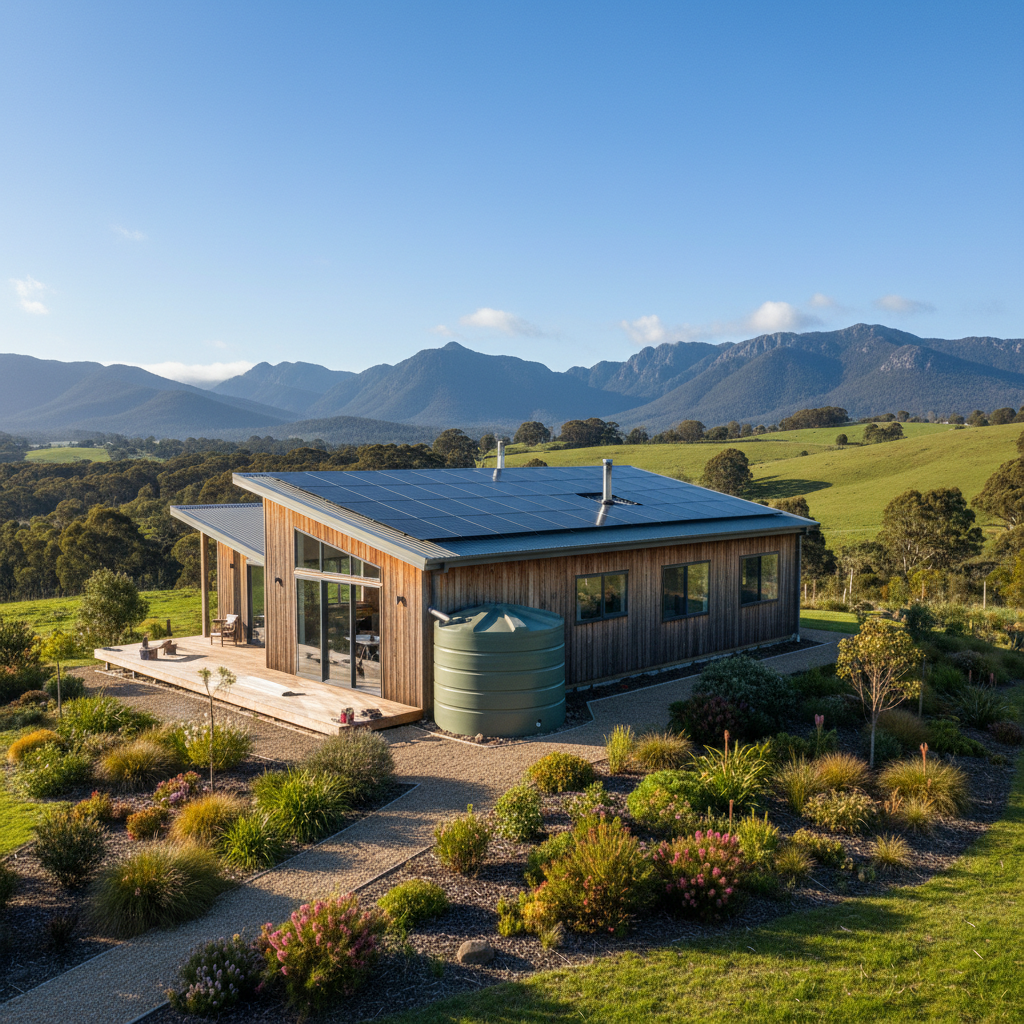
In the southern hemisphere, the north side of your house is your best friend. It is where you get that sweet, consistent sunlight all year round. Ideally, you want your main living areas, the kitchen, the lounge, and maybe a nice big deck, facing north. This way, the low winter sun reaches deep into your home to warm up your floors, while the high summer sun can be blocked out with a bit of smart shading.
Ever walked into a house that felt dark and damp even in the middle of a cracker of a day? That is usually because the living zones are tucked away on the south side. Unless you really enjoy a cave-like existence, try to keep your laundries, bathrooms, and garages on the south. They don't need the light as much, and they act as a buffer against the cold southerly winds.
One thing that catches people off guard is just how much the sun's path changes throughout the seasons. We've seen plenty of folks forget to account for the western sun. That afternoon heat can be brutal. If you've got massive windows facing west without any protection, your living room will turn into an oven by tea time. Keep western windows smaller, or make sure you've got some decent eaves or external blinds ready to go.
Mastering Cross-Ventilation
Airflow is the secret sauce of a comfortable home. If you can get a cross-breeze moving through your rooms, you'll rarely need to flick the switch on the ceiling fans. The trick here is simple: openings on opposite or adjacent sides of a room. Think of it like a highway for the wind. If the air has a clear path to get in and a clear path to get out, it won't get trapped and become stale and hot.
But it's not just about side-to-side movement. Have you considered vertical ventilation? Hot air naturally rises. By using things like clerestory windows (those high ones near the ceiling) or even well-placed skylights that open up, you can create a chimney effect. The hot air escapes out the top, drawing cooler air in from windows lower down. It is a dead simple way to keep the house fresh without spending a cent on electricity.
Window Selection Matters
Since your kit home usually comes with the windows and doors included, you've got a great opportunity to get this right from the start. Not all windows are created equal when it comes to airflow. Louvres are a classic Aussie choice for a reason. They give you 100% ventilation because the whole opening stays clear. Sliding windows are great too, but remember they only ever give you 50% airflow because one pane always covers the other.
And don't forget the glass itself. Using high-performance glass with the right coatings can help reflect heat in summer while keeping the warmth in during those chilly July nights. If you're building with steel frames, you've already got a straight and true structure that makes window installation a breeze, so take the time to make sure they're positioned perfectly to catch those local winds you've sussed out during your site visits.
1. Check your local wind patterns. Does the breeze usually come from the coast or the hills?
2. Align internal doors so they don't block the air path when they're open.
3. Use ceiling fans to help keep the air moving on those dead-still days.
The Role of Eaves and Shading
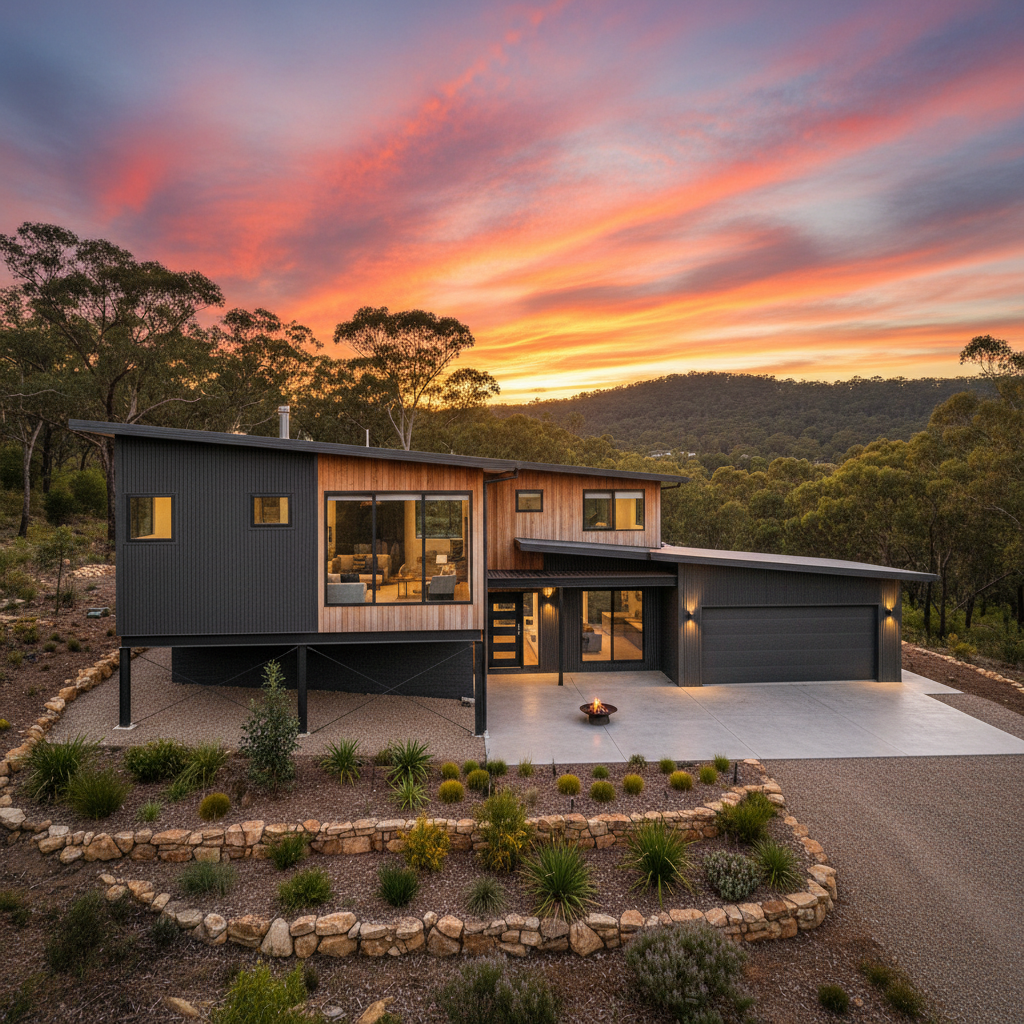
Eaves are like a good hat for your house. They protect the walls from rain and, more importantly, they shade your windows from the overhead sun. In Australia, a 450mm or 600mm eave is pretty standard, but you might want to go wider on the northern side. If you get the length just right, you can block the hot summer sun but still let the lower winter sun sneak underneath to warm up the house. It's a bit of a balancing act, but it pays off big time in comfort levels.
But what if you've already settled on a design with smaller eaves? No worries. You can always add pergolas, battens, or even deciduous trees. Planting a tree that drops its leaves in winter is a total pro move. In summer, the thick green leaves shade your windows. In winter, the branches are bare, letting all that lovely sun through to keep you toasted. Just make sure you don't plant them too close to the footings!
Open Plan vs. Zoned Living
We all love a big open-plan living area. It's great for hosting a barbie or keeping an eye on the kids while you're cooking. From a light and air perspective, open plans are fantastic because there are fewer walls to get in the way. Light can travel from one side of the house to the other, making even a modest kit home feel massive.
But there is a catch. Big open spaces can be harder to heat or cool if you're only using one corner of the house. This is where 'zoning' comes in handy. Using sliding doors or even heavy curtains to close off certain areas allows you to control the climate more effectively. You get the best of both worlds: a bright, airy home that stays efficient when the weather gets extreme.
The Steel Advantage
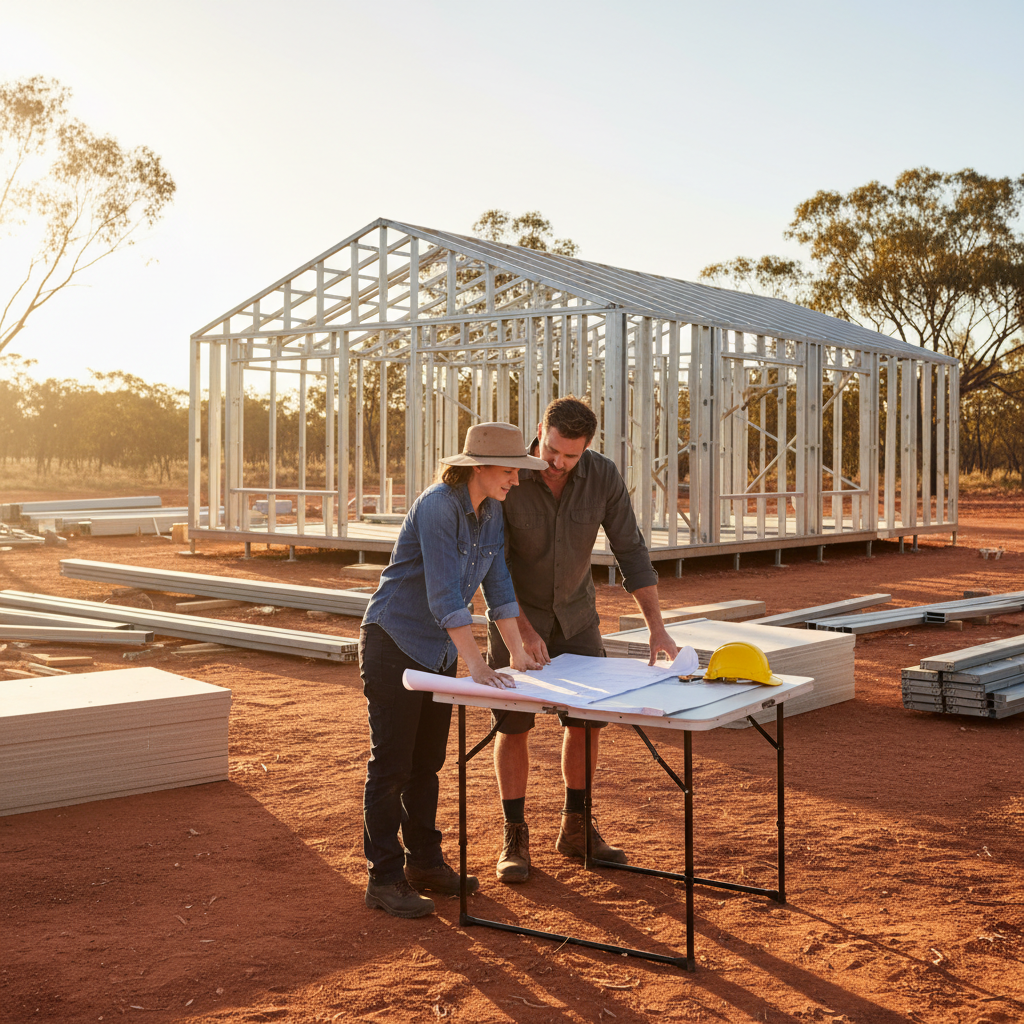
Using BlueScope TRUECORE steel for your kit frames actually helps with your design flexibility. Because steel has a high strength-to-weight ratio, you can often have larger spans without needing a forest of internal load-bearing walls. This opens up your design for those big, beautiful glass doors and wide-open spaces that allow light to bounce around. Plus, those frames stay dead straight. They won't twist or warp over time, which means your windows and doors will keep opening and closing smoothly, maintaining that perfect seal and airflow for the life of the home.
Practical Tips for Owner Builders
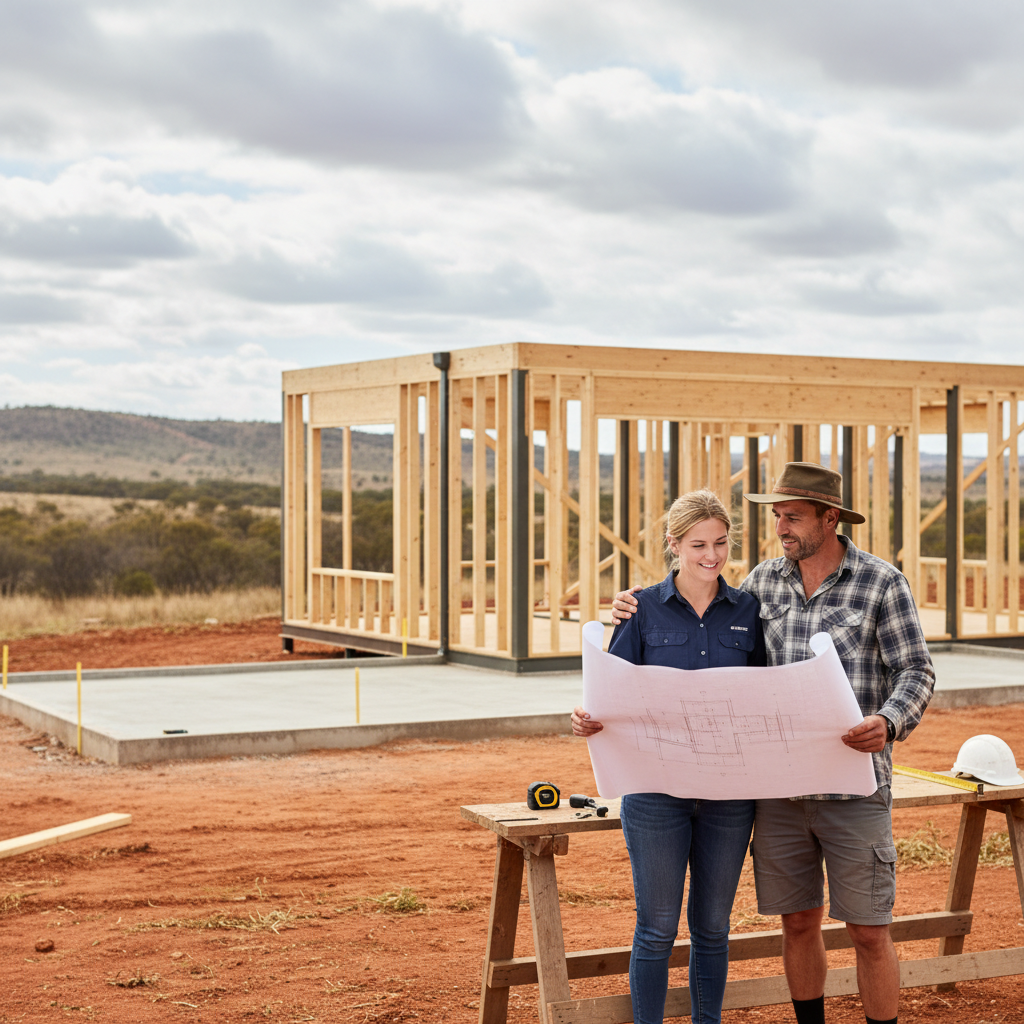
If you're taking on the challenge of being an owner-builder, you've got a lot on your plate. It's easy to overlook the small stuff. Here is a quick checklist to keep you on track during the design phase:
First, spend time on your block at different times of the day. Notice where the shadows fall. Is there a big tree or a neighbor's house that's going to block your winter sun? Don't just guess, get out there and see it for yourself.
Second, think about your lifestyle. If you're an early bird, you'll want that morning light in the kitchen. If you love a late arvo snooze, maybe keep the western sun out of the main bedroom. It's your house, so make it work for how you actually live.
Third, don't skimp on insulation. While we've focused on light and air, your insulation (which usually comes in the kit) is what keeps that hard-earned temperature inside. Make sure it's installed properly without any gaps. It works hand-in-hand with your windows and orientation to create a comfy sanctuary.
Bringing it All Together
Building a kit home is a massive achievement. It is a chance to create something that is uniquely yours, built with your own hands (and probably a lot of help from mates). By focusing on how the sun and wind interact with your site, you are doing more than just building a shelter. You are designing a home that breathes and responds to the Australian environment.
So, take a breath. Look at your site plan again. Can you flip that lounge room to the north? Can you add a window on the opposite wall to catch the breeze? It might seem like extra work now, but when you're sitting on your deck with a cold drink on a perfect summer evening, you'll reckon it was the best decision you ever made. No worries at all.