Creating a Bright and Breezy Australian Kit Home
There is something uniquely Australian about a home that feels connected to the outdoors. Whether you are building on a bushy block in the hinterland or a suburban lot, the goal of any owner builder should be to create a space that feels expansive, healthy, and full of life. When you choose a kit home, you have a fantastic opportunity to influence the layout and features right from the planning stage to ensure your new dwelling is flooded with natural light and cooled by the afternoon breeze.
Maximizing natural light and ventilation is not just about aesthetics. It is about your well-being, the longevity of your home, and creating a comfortable environment without relying solely on air conditioning. In this guide, we will explore how to work with the unique flexibility of steel frame construction to optimize your kit home design for the Australian climate.
The Importance of Orientation
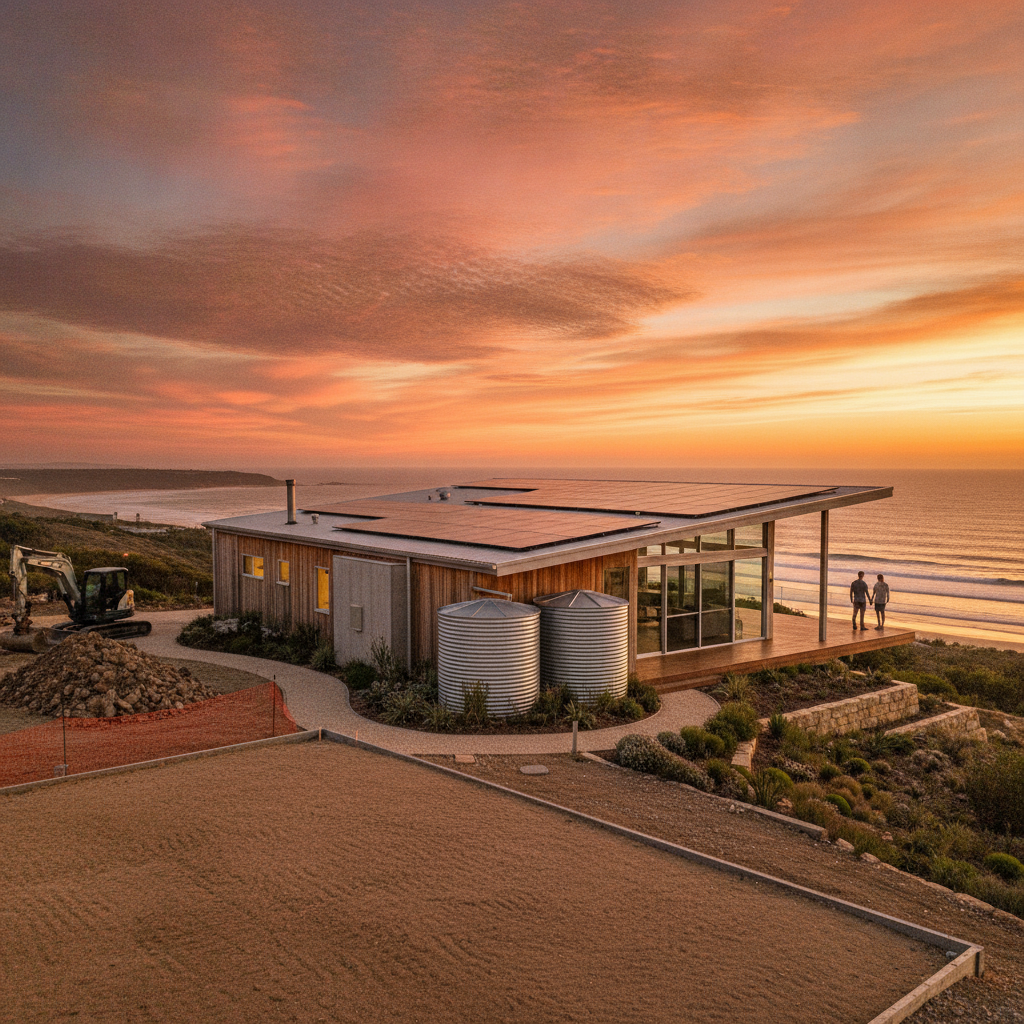
The single most important decision you will make regarding light and air happens before you even start building. It comes down to how you place your home on your block. In Australia, the northern sun is your best friend. By orienting your main living areas, such as the kitchen, lounge, and dining room, towards the north, you capture the low-winter sun to warm your home naturally, while easily shading the high-summer sun with eaves or awnings.
When reviewing your kit home floor plan, consider how it sits on your site. If your favorite design has the living area at the back but your north is at the front, talk to your provider about mirroring the plan. A simple flip can change a dark, cold house into a radiant living space. Remember, south-facing windows receive almost no direct sunlight, making them better suited for laundries, bathrooms, or bedrooms where you might prefer a cooler, dimmer atmosphere.
Harnessing the Strength of Steel for Open Vistas
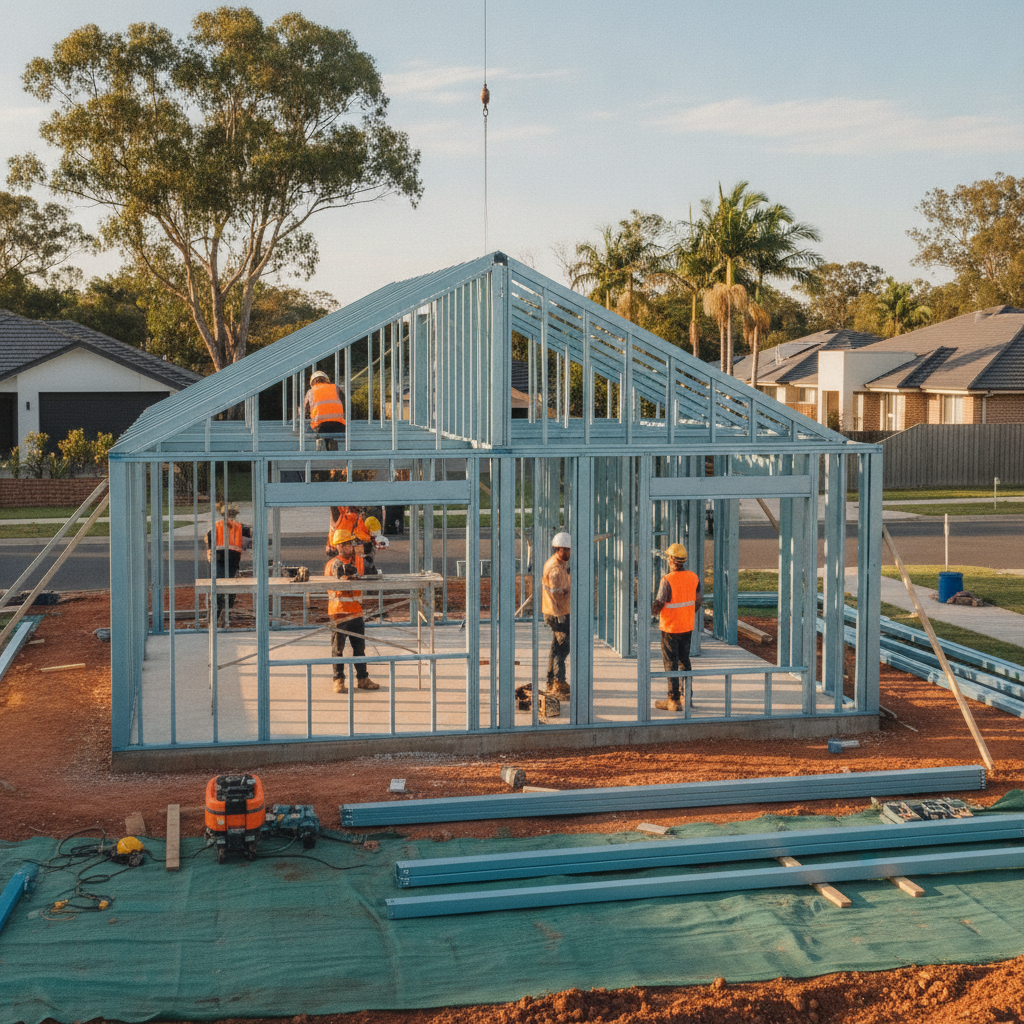
One of the practical advantages of using a steel frame, specifically high-quality Australian steel like BlueScope TRUECORE, is its incredible strength-to-weight ratio. Because steel is much stronger than traditional timber, it allows for longer spans and larger openings without the need for bulky support columns. This is a game-changer for those wanting to maximize light.
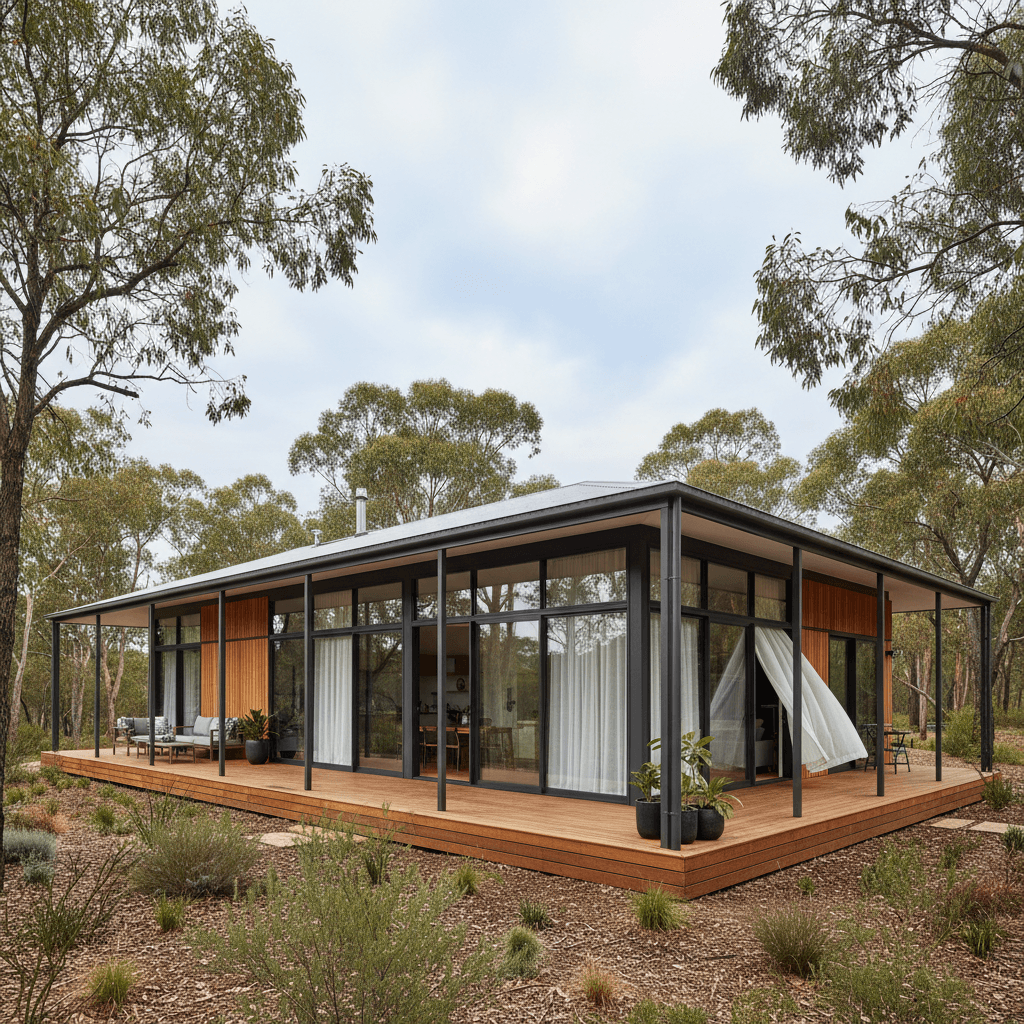
When you have a steel-framed kit, you can incorporate wider sliding doors or massive picture windows that bring the outside in. This structural integrity means you can practically replace entire walls with glass, turning a standard room into an sun-drenched sanctuary. As an owner builder, you can work with these structural capabilities to ensure your view is unobstructed and your indoor-outdoor flow is seamless.
Smart Window Placement for Cross-Ventilation
Light is only half the battle, ventilation is the other. A kit home that breathes is a home that stays fresh and mold-free. The secret here is cross-ventilation. This occurs when you have openings on opposite or adjacent sides of a room, allowing air to move through the space rather than just into it.
When selecting your window types and locations, think about the prevailing breezes in your specific area. Do you get a reliable afternoon sea breeze or a cool mountain wind? Positioning windows to catch these currents will naturally flush out warm air. Louvered windows are an excellent choice for Australian kit homes because they provide 100 percent of the window area for ventilation and can be adjusted to direct airflow exactly where you want it. Even during a light rain, louvers can often remain slightly open to keep air moving without letting water in.
The Role of Eaves and Shading
While we want light, we do not want a greenhouse effect during a 40-degree January day. This is where clever shading comes into play. The design of your kit home should include generous eaves. Eaves are the unsung heroes of Australian architecture, they protect your walls from the harsh sun and keep your interior cool.
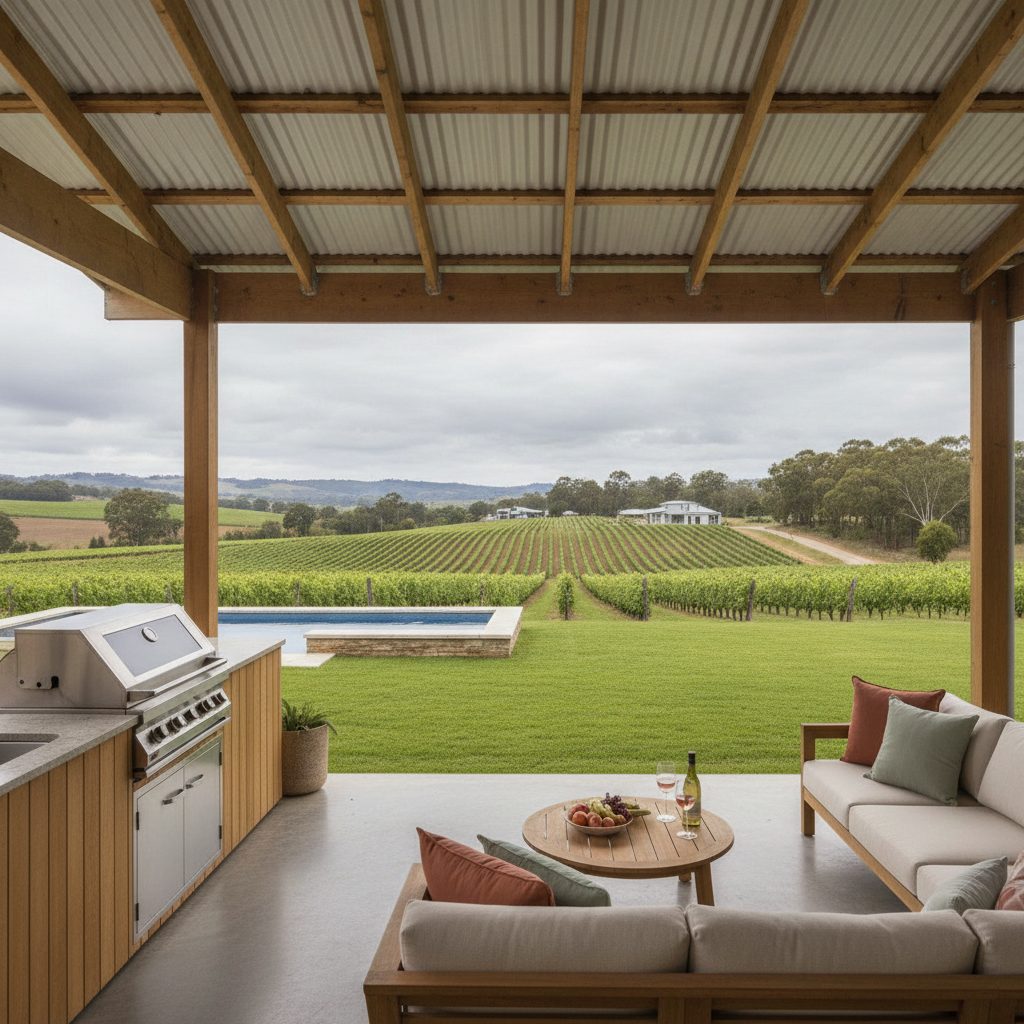
For windows that face east or west, where the sun is low and piercing, consider external shading devices like batten screens or deciduous plantings. Using a steel frame also makes it easier to attach sturdy pergolas or verandas. A wide, wrap-around veranda is a classic Australian kit home feature that provides a deep buffer of shade, significantly reducing the radiant heat that reaches your windows while still allowing plenty of reflected light into the house.
Maximizing Vertical Light
Sometimes, the orientation of your block or the proximity of neighbors makes it difficult to get enough light through side windows. This is when you should look up. Skylights or solar tubes can be integrated into your kit home roof to bring light into deep floor plans, hallways, or internal bathrooms.
Because kit homes often feature modern roof profiles, you can also consider high-level clerestory windows. These are short, wide windows set high in a wall, often near the roofline. They are brilliant for two reasons: they let in high-quality light that reaches deep into the room, and because heat rises, opening them allows hot air to escape quickly through the ceiling, acting like a natural chimney.
Choosing the Right Glazing
Not all glass is created equal. To truly maximize the benefits of your layout, you need to consider the performance of your glazing. In many parts of Australia, double glazing or Low-E (low emissivity) glass is becoming the standard. These options help to manage heat gain in summer and heat loss in winter.
When you are sourcing the windows for your kit, think about how the glass will interact with your light-filled design. If you have large north-facing windows, you want glass that allows the light in but keeps the heat out. Your kit home provider usually includes standard window packages, but as the owner builder, you can often discuss upgrades that will pay dividends in comfort for years to come.
Practical Tips for Owner Builders
If you are currently in the planning phase of your kit home project, here are some actionable tips to keep in mind:
- Check the Compass: Always carry a compass (or use your smartphone app) when visiting your site to identify exactly where north lies.
- Analyze the Shadow: Look at nearby trees or buildings that might block your winter sun.
- Furniture Placement: Ensure your pursuit of light doesn't leave you with no walls to put a TV or a bookshelf against. Balance is key.
- Internal Paint Colors: Use light-colored, reflective paints on your interior walls. This helps bounce the natural light that does come in around the room, making it feel even brighter.
- Thermal Mass: If you are building on a concrete slab, try to let the winter sun hit the floor. The slab will soak up the heat during the day and release it slowly at night.
Conclusion
Building a kit home is a journey of choices, and prioritizing light and ventilation is one of the best investments you can make. By understanding your site, utilizing the structural advantages of a steel frame, and carefully selecting your window placements, you can create a home that feels significantly larger and more inviting than its footprint suggests. A well-ventilated, sun-soaked home is a joy to live in and a testament to smart Australian design. With a bit of foresight and these practical tips, your owner-builder project will result in a bright, breezy, and beautiful sanctuary for your family.