Creating a Home That Breathes and Shines
There is something uniquely Australian about a home filled with golden morning light and the cooling relief of a late afternoon breeze. When you choose to embark on a kit home journey, you are not just building a structure, you are designing a lifestyle. One of the greatest advantages of the kit home process is the ability to influence your floor plan and orientation before a single bolt is tightened.
In the Australian climate, managing light and air isn't just about aesthetics, it is about liveability. A dark, stuffy house can feel oppressive in the height of summer, while a well ventilated home that harnesses natural light feels larger, healthier, and more connected to the landscape. This guide will walk you through the practical steps to ensure your kit home design makes the most of what the Australian sky has to offer.
The Power of Orientation
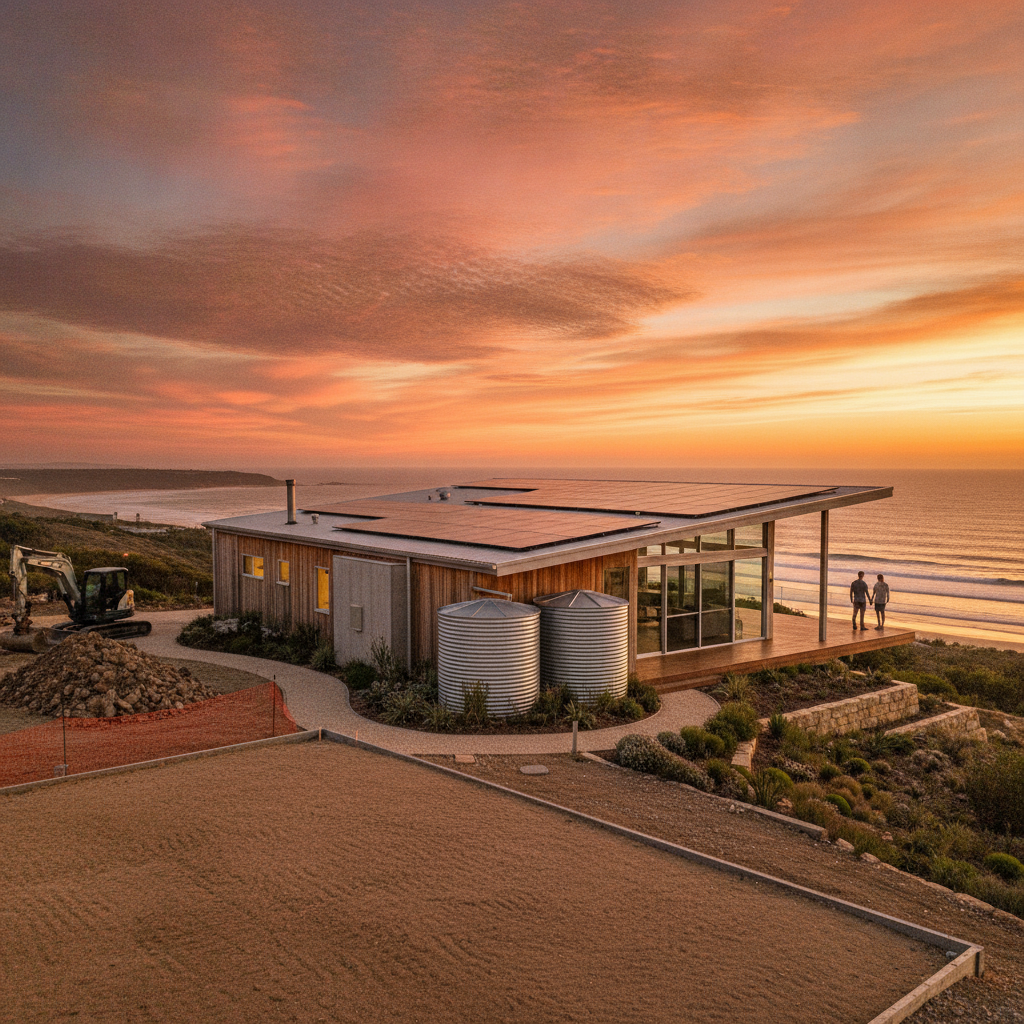
Before you dive into window styles or interior paint colours, you need to look at your block of land. Orientation is the single most important factor in how your home will perform. In the southern hemisphere, the goal for most Australian regions is to have your main living areas and largest windows facing North.
A north facing orientation allows the low winter sun to penetrate deep into your home, naturally warming your floors and walls. In summer, when the sun is much higher in the sky, well designed eaves or awnings will block the harsh heat while still allowing plenty of indirect light to flood the room. If you position your kit home with large windows facing West, you risk creating a greenhouse effect in the afternoons, making your living spaces uncomfortably hot just as you are trying to relax after work.
Strategic Window Placement for Natural Light
Windows are the eyes of your home, and their placement determines the mood of every room. When reviewing your kit home floor plan, consider the path of the sun throughout the day.
Morning Light in the Kitchen
If you are an early riser, placing your kitchen or breakfast nook on the eastern side of the house can be a game changer. Waking up to soft morning light creates a positive start to the day. For kit homes, which often feature open plan living, eastern windows can provide that initial boost of light that carries through the rest of the space as the day progresses.
Clerestory Windows and High Voids
If your block has privacy constraints or nearby neighbours, you might not want massive floor to ceiling windows on every wall. This is where clerestory windows (windows placed high on the wall, near the roofline) come in. They allow light to reach deep into the centre of a floor plan without compromising your privacy. They also look fantastic against the clean lines of a steel frame roof structure, adding a sense of architectural sophistication to a standard kit design.
The Magic of Cross Ventilation
Light is only half of the equation. Ventilation is what keeps a home fresh and prevents moisture build up. In Australia, we rely heavily on the cooling power of the breeze. To achieve effective cross ventilation, you need to create a path for air to move through the house.
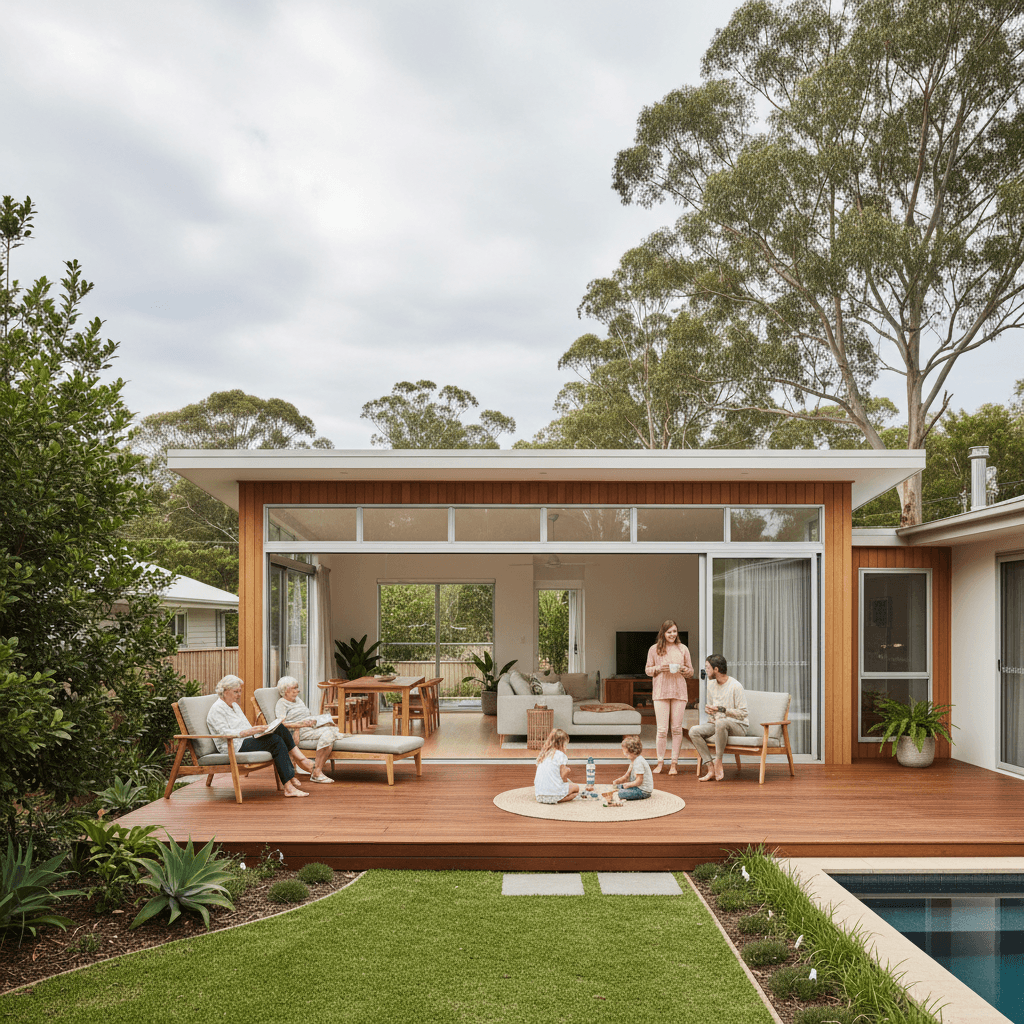
The golden rule is to have openings on opposite or adjacent sides of a room. This creates a pressure difference that literally pulls the outside air through your living space. When looking at your kit home design, try to align windows or doors so that the breeze can travel unimpeded. For example, a large sliding glass door in the lounge room paired with a smaller window on the opposite wall will create a cooling funnel effect.
Choosing the Right Window Styles
Not all windows are created equal when it comes to airflow. The style of window included in your kit can significantly impact how much ventilation you actually get.
- Louvres: These are the champions of ventilation. They allow for nearly 100% of the window area to be open, and you can tilt them to direct air exactly where you want it. They are a classic choice for sub-tropical Australian designs.
- Sliding Windows: These are practical and common in many kit home packages. While they only allow 50% of the area to be open at once, they are easy to operate and work well with insect screens.
- Awning Windows: These hinge from the top and open outwards. They are excellent because they can often be left open during a light rain shower, allowing for fresh air without the puddles, but they provide less airflow than louvres or casement windows.
Integrating Indoor and Outdoor Living
The modern Australian lifestyle is built around the deck or the veranda. By using large stacking glass doors or bi-fold doors, you can effectively remove the barrier between your interior and exterior. This doesn't just make the room feel bigger, it significantly increases the volume of air and light entering the home.
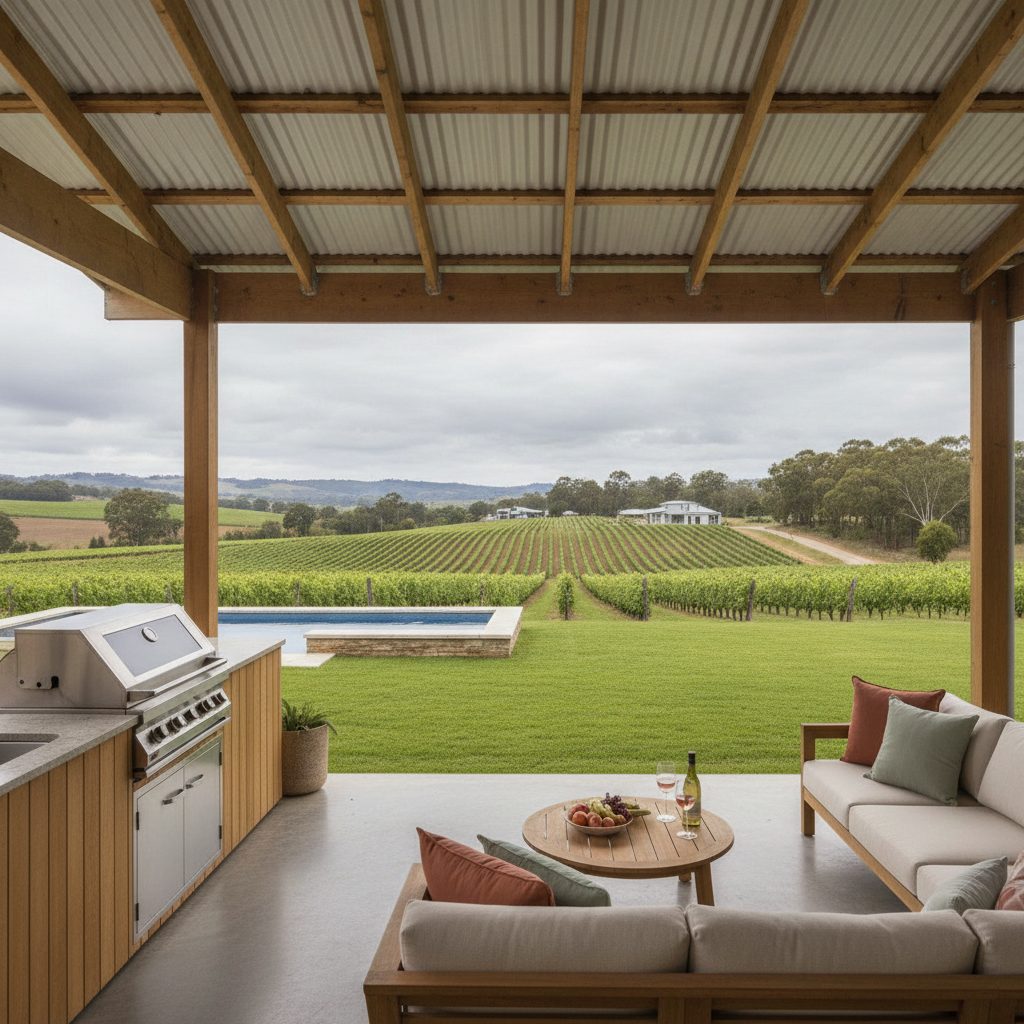
When you are an owner builder planning your site works, consider how your deck will interact with these openings. A wide veranda wrapped around a steel frame kit home not only provides a great space for a BBQ, but it also acts as a giant sunshade, protecting your glass doors from direct summer heat while allowing reflected light to brighten the interior.
The Role of Insulation and Thermal Mass
Maximizing light and air is great, but you also need to manage the energy those elements bring into the house. Your kit home will generally include high quality insulation, which acts as a thermal barrier. When you have large windows letting in winter sun, the heat reflects off your internal surfaces. If you have a concrete slab floor, this acts as "thermal mass," soaking up the sun's heat during the day and releasing it slowly at night.
In summer, your ventilation strategy works in tandem with your insulation. By opening the house up at night to let the cool air in and then closing it up during the hottest part of the day, you can maintain a comfortable temperature without relying solely on air conditioning.
Practical Tips for Owner Builders
If you are in the planning stages of your kit home project, here are some actionable tips to keep in mind:
- Study the breezes: Visit your block at different times of the day. Where does the wind usually come from? In many coastal areas, the sea breeze is reliable, and you should orient your largest openings to catch it.
- Think about heights: High ceilings can help hot air rise away from your living zone. Discuss ceiling height options with your kit provider, as even an extra 300mm can make a room feel much airier.
- Don't forget the laundry and bathrooms: These rooms often get the smallest windows, but they need ventilation the most to prevent mould. Consider frosted louvres to maintain privacy while ensuring constant airflow.
- Use light colours: While not a construction tip per se, the colours you choose for your internal walls and your Colorbond cladding will affect how light behaves. Lighter internal colours reflect light around the room, making even small windows feel more effective.
Why Steel Frames Make a Difference
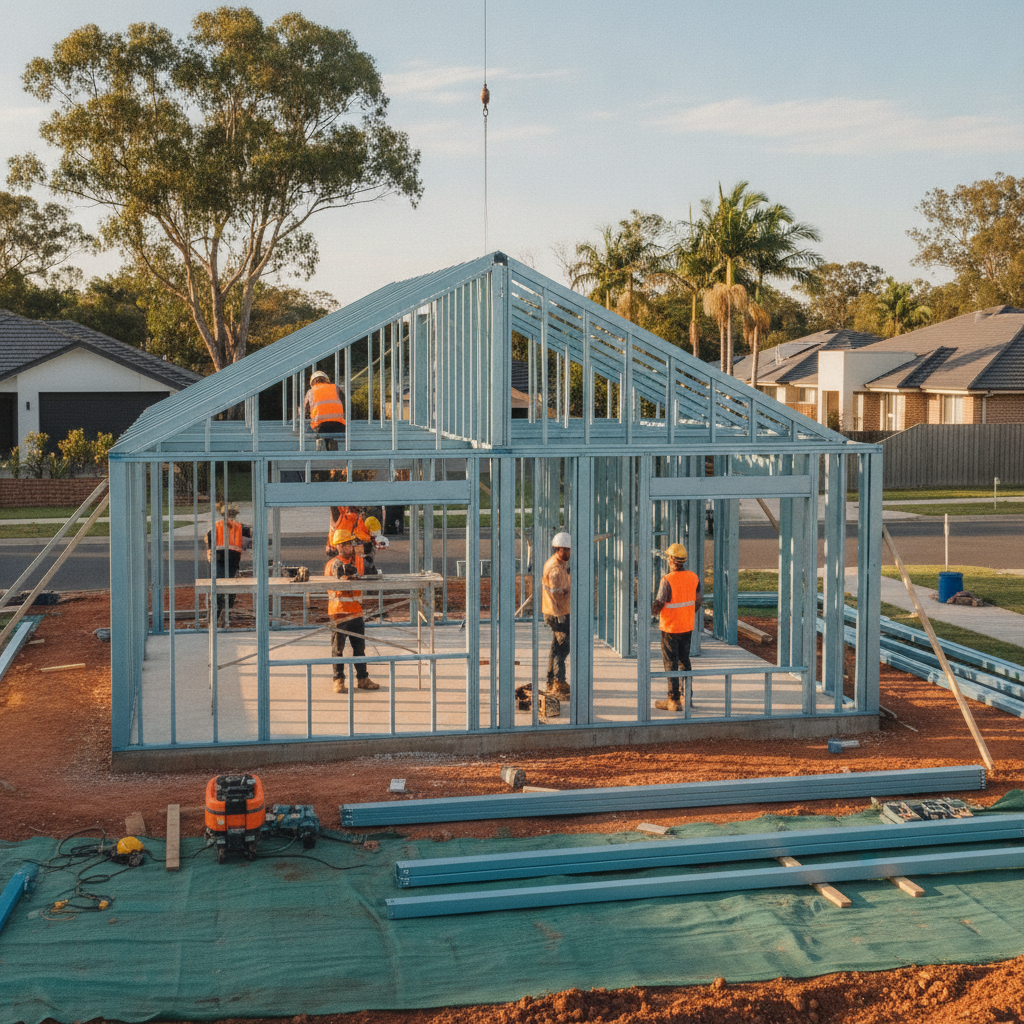
While the focus is on design, the structural bones of your kit home play a part too. Using a TRUECORE steel frame allows for wide spans and large openings without the need for bulky supporting columns. This strength gives you the freedom to incorporate those large sliding doors and expansive window vistas that are so central to a light filled, well ventilated home. The precision of steel also ensures that your window and door frames fit perfectly, reducing drafts and ensuring smooth operation for years to come.
Conclusion
Building a kit home is a rewarding way to create a space that is perfectly suited to the Australian environment. By prioritizing orientation, being smart about window placement, and understanding the principles of cross ventilation, you can create a home that feels bright, fresh, and exceptionally comfortable. Remember, a well designed home doesn't just look good on a floor plan, it feels good to live in every single day. Take the time during the design phase to imagine how the sun will move and how the wind will blow, and you will be rewarded with a home that truly breathes.