The Ultimate Guide to Kit Homes in Australia: Building Your Dream on Your Terms
In an era where the Australian dream of homeownership feels increasingly out of reach due to skyrocketing property prices and rising construction costs, a traditional alternative is making a massive comeback. Kit homes are no longer just basic shacks or simple cabins; they have evolved into sophisticated, modern, and highly sustainable housing solutions that offer Australians a pathway to more affordable living.
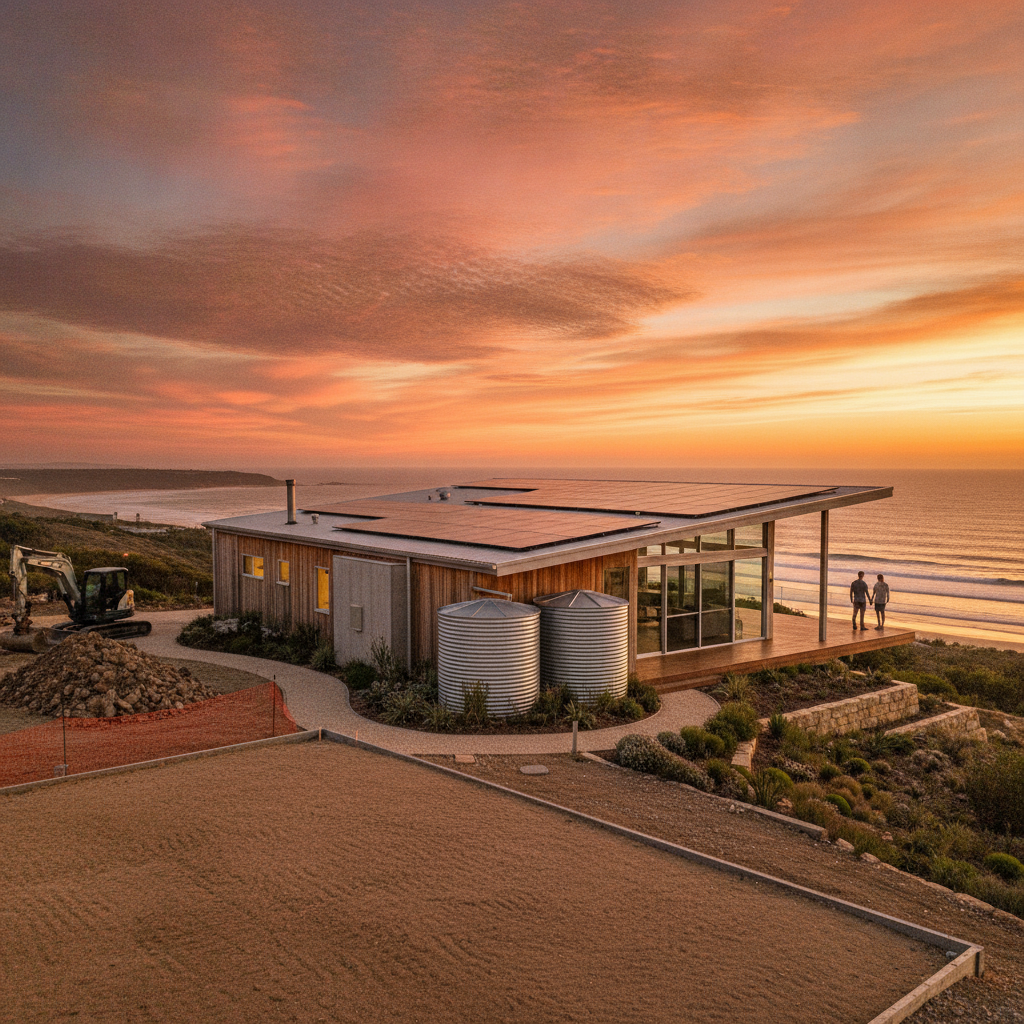
Whether you are looking to build a coastal retreat, a rural farmhouse, or a modern suburban dwelling, kit homes provide a level of flexibility and cost-control that traditional bespoke builds often lack. In this comprehensive guide, we will explore everything you need to know about navigating the kit home market in Australia.
What is a Kit Home?
Essentially, a kit home is a house where the components are prefabricated in a factory and then delivered to your site in a 'kit' for assembly. Think of it as a high-stakes, life-sized LEGO set. You receive the blueprints, the framing (usually steel or timber), roofing, windows, and external cladding.
In Australia, the kit home market has matured significantly. Modern suppliers offer a range of finishes that make it impossible to distinguish a completed kit home from a traditional architecturally designed build. The primary difference lies in the delivery method and the level of involvement you have in the construction process.
The Benefits of Choosing a Kit Home in Australia
1. Signficant Cost Savings
One of the biggest draws of kit homes is the price tag. Because components are manufactured at scale in a factory, there is less waste and lower labor costs involved in the initial phase. By acting as an owner-builder (which we will discuss later), you can save anywhere from 20% to 40% compared to a conventional builder-led project.
2. Speed of Construction
Time is money in the construction world. Since the components are pre-cut and pre-drilled, the 'lock-up' stage (where the house is sealed from the elements) can often be achieved in a fraction of the time. This reduces the risk of weather delays and cuts down on the period you might be paying both a mortgage and rent elsewhere.
3. Modern Design and Customisation
The 'cookie-cutter' reputation of kit homes is a thing of the past. Most Australian suppliers offer massive catalogues ranging from ultra-modern minimalist designs to traditional colonial styles. Furthermore, most floor plans are customisable, allowing you to move walls, add decks, or change rooflines to suit your lifestyle.
4. Suitability for Remote Areas
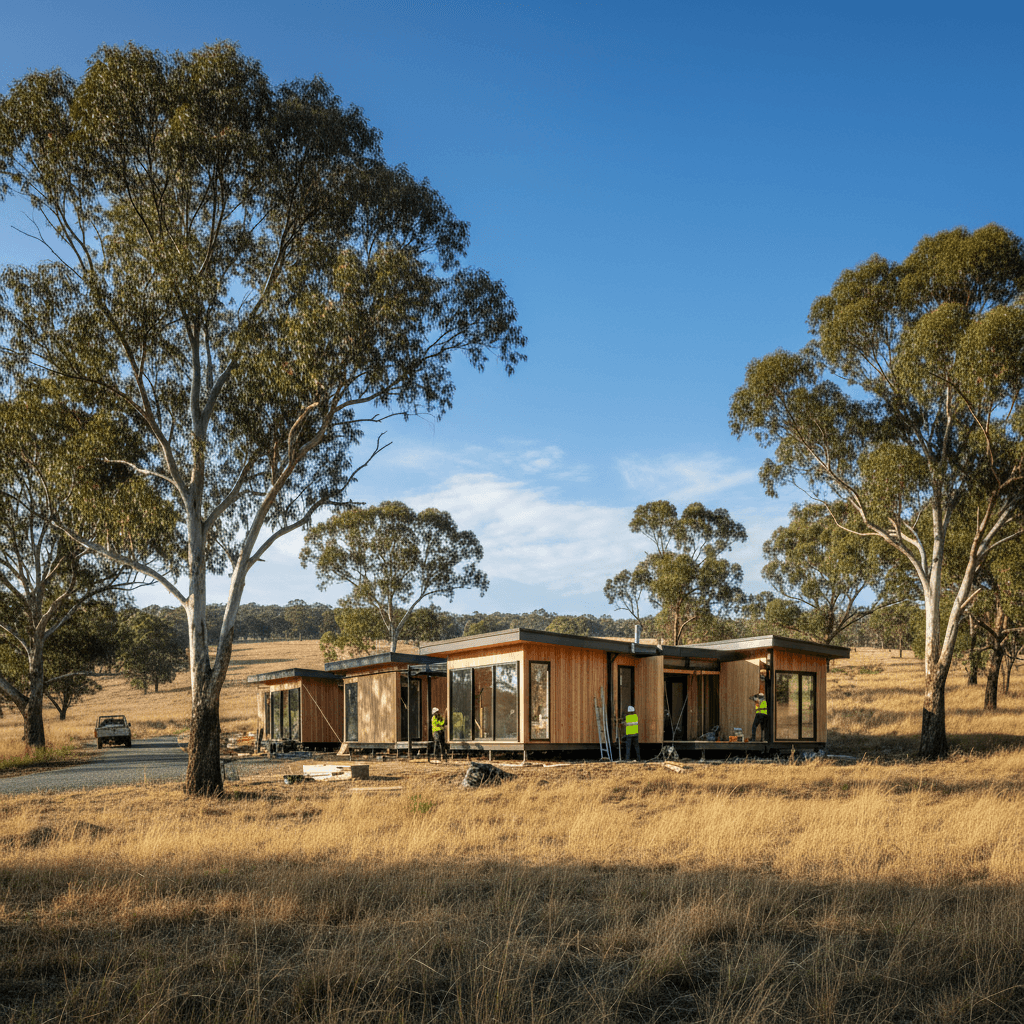
Australia is a vast country, and getting contractors to remote sites can be a logistical nightmare. Kit homes are designed for transport. They can be shipped to almost any corner of the country, making them the perfect solution for regional properties where local building resources are scarce.
Understanding the Costs: What’s Included?
When you see a price on a kit home website, it is crucial to understand that this is rarely the 'final' cost of a move-in ready home. Usually, kit home prices are broken down into 'stages':
The Standard Kit (Locked-up Stage)
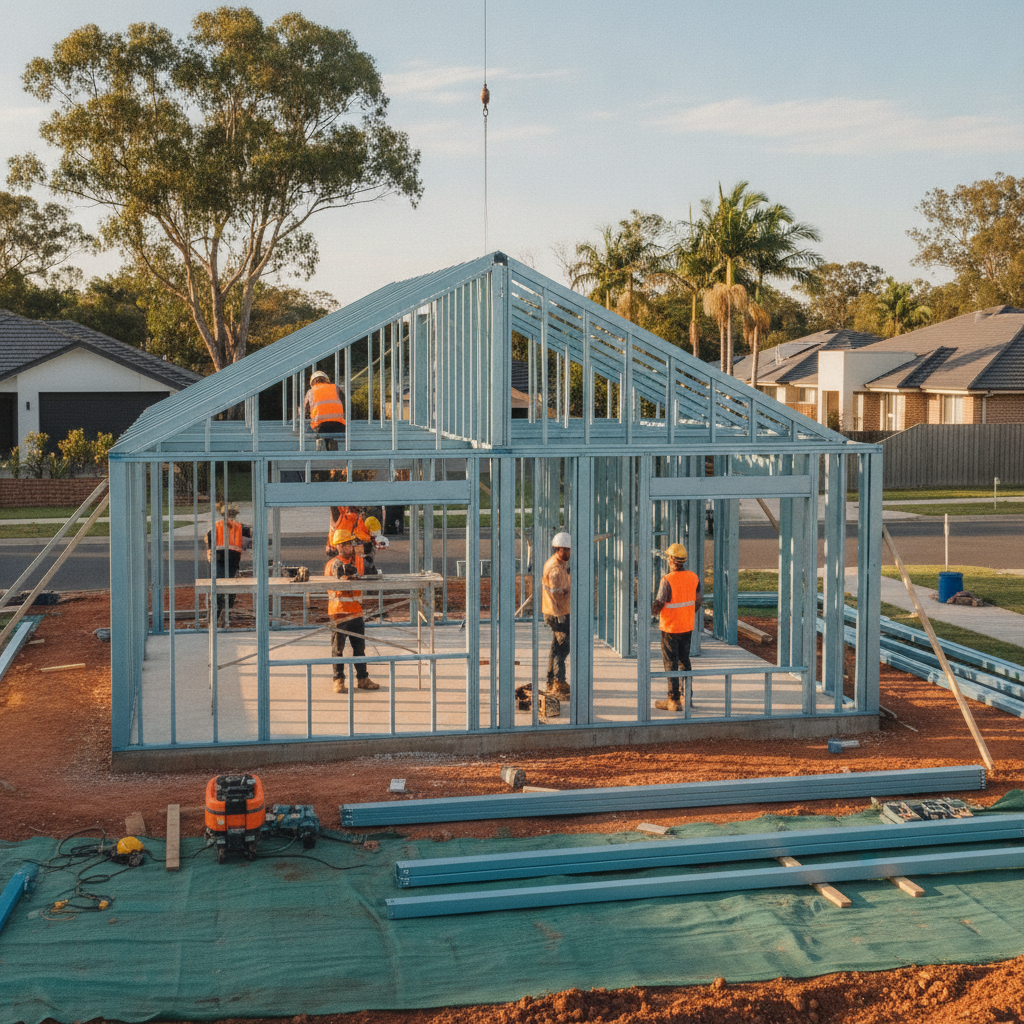
This typically includes the sub-floor (if required), wall frames, roof trusses, external cladding, roofing iron, windows, and external doors. At this stage, your house looks like a house from the outside, but it is an empty shell inside.
Internal Fix-out
Some suppliers offer an internal kit which includes plasterboard, internal doors, architraves, and skirting. However, most buyers choose to source their own kitchens, bathrooms, and flooring to add a personal touch.
What’s NOT Included?
You must budget for the following 'on-site' costs:
- Land purchase and council fees.
- Site preparations (leveling, clearing, and soil testing).
- Slab or footing construction.
- Plumbing and electrical fit-out (these require licensed professionals).
- Painting and floor coverings.
- Landscaping and driveways.
The Owner-Builder Pathway vs. Hiring a Contractor
In Australia, you have two main options for assembling your kit home:
1. The Owner-Builder
If you have some DIY skills and a lot of organizational prowess, you can apply for an Owner-Builder permit. This allows you to manage the project yourself, hire subcontractors (like sparkies and plumbers), and do much of the labor yourself. This is where the maximum savings are found. However, remember that as an owner-builder, you are legally responsible for the safety and quality of the construction.
2. Hiring a Licensed Builder
If the thought of a hammer makes you nervous, you can hire a licensed builder to assemble the kit for you. While this increases the cost, many banks prefer this route for financing, and it ensures the home is built to Australian Standards with professional warranties.
Steps to Building Your Kit Home in Australia
Step 1: Check Local Council Regulations
Before you fall in love with a floor plan, talk to your local council. Every LGA (Local Government Area) has different rules regarding zoning, Bushfire Attack Levels (BAL), and energy efficiency requirements. Ensure your chosen kit meets the 7-star NatHERS energy rating now required in many parts of Australia.
Step 2: Soil Tests and Surveys
A kit home needs a solid foundation. You will need a soil test (to determine the reactivity of the ground) and a contour survey. Your kit home supplier will need these documents to engineer the footings or slab design correctly for your specific plot of land.
Step 3: Secure Financing
Financing a kit home can be slightly different from a standard home loan. Some lenders are hesitant to release funds for 'materials only.' It is often helpful to work with a mortgage broker who specialises in construction loans or owner-builder finance.
Step 4: Customise and Order
Work with your supplier to tweak the design. Once you sign off on the plans, the supplier will begin the manufacturing process. This is the time to ensure you have accounted for Australian conditions-such as choosing termite-resistant steel frames or high-spec insulation for the Aussie summer.
Step 5: Delivery and Construction
The kit will arrive in stages or one large delivery. Ensure you have a secure, dry place to store materials like timber and plasterboard. From here, the assembly begins, starting with the floor and frame, followed by the roof and 'wrapping' the building.
Practical Tips for Kit Home Buyers
- Don't Scrimp on Insulation: Australia’s climate is harsh. Investing in high-quality insulation and double-glazed windows during the kit stage will save you thousands in energy bills later.
- Verify the Inclusions: Always ask for a detailed 'Schedule of Inclusions.' Does it include the screws and glue? Does it include the gutters? Small omissions can add up to large unbudgeted costs.
- Consider the BAL Rating: If you are building in a bushfire-prone area, your kit must meet specific Australian Standards (AS 3959). Discuss this with your supplier early so they can provide the correct cladding and window shutters.
- Site Access: Can a large semi-trailer get to your building site? If you have a narrow driveway or a steep block, you may need a smaller delivery crane, which costs more.
The Future of Kit Homes: Sustainability and Tech
The industry is moving toward even more sustainable practices. Many Australian kit home companies now use recycled steel and sustainably sourced timbers. Additionally, the rise of modular kit homes-where entire rooms are pre-built and simply 'clicked' together-is further reducing construction times and waste.
Conclusion
Building a kit home in Australia is an empowering way to secure your future. It offers a unique blend of affordability, personal involvement, and modern design. While it requires more planning and management than buying an established house, the reward is a custom-built home that perfectly suits your lifestyle and your budget.
As long as you do your due diligence, choose a reputable supplier, and understand the total scope of the costs involved, a kit home can be the smartest investment you ever make. Are you ready to take the first step toward building your Australian dream? Start by researching local suppliers and visiting a few display homes to see the quality for yourself.