Navigating the World of Kit Homes in Australia
The Australian dream is shifting. More people than ever are looking toward kit homes as a viable, high quality path to homeownership. Whether you are looking to build a weekend retreat in the bush or a spacious family home in the suburbs, the kit home model offers a level of involvement and satisfaction that turnkey builds simply can't match. However, for the uninitiated, the process can feel like a steep learning curve.
Being an owner-builder is a rewarding challenge, but it requires more than just a tool belt and some weekend spare time. It requires planning, patience, and a solid understanding of how the Australian building industry operates. To help you get started on the right foot, we have compiled the most common mistakes first-time kit home buyers make and, more importantly, how you can avoid them.
Mistake 1: Underestimating the Site Preparation
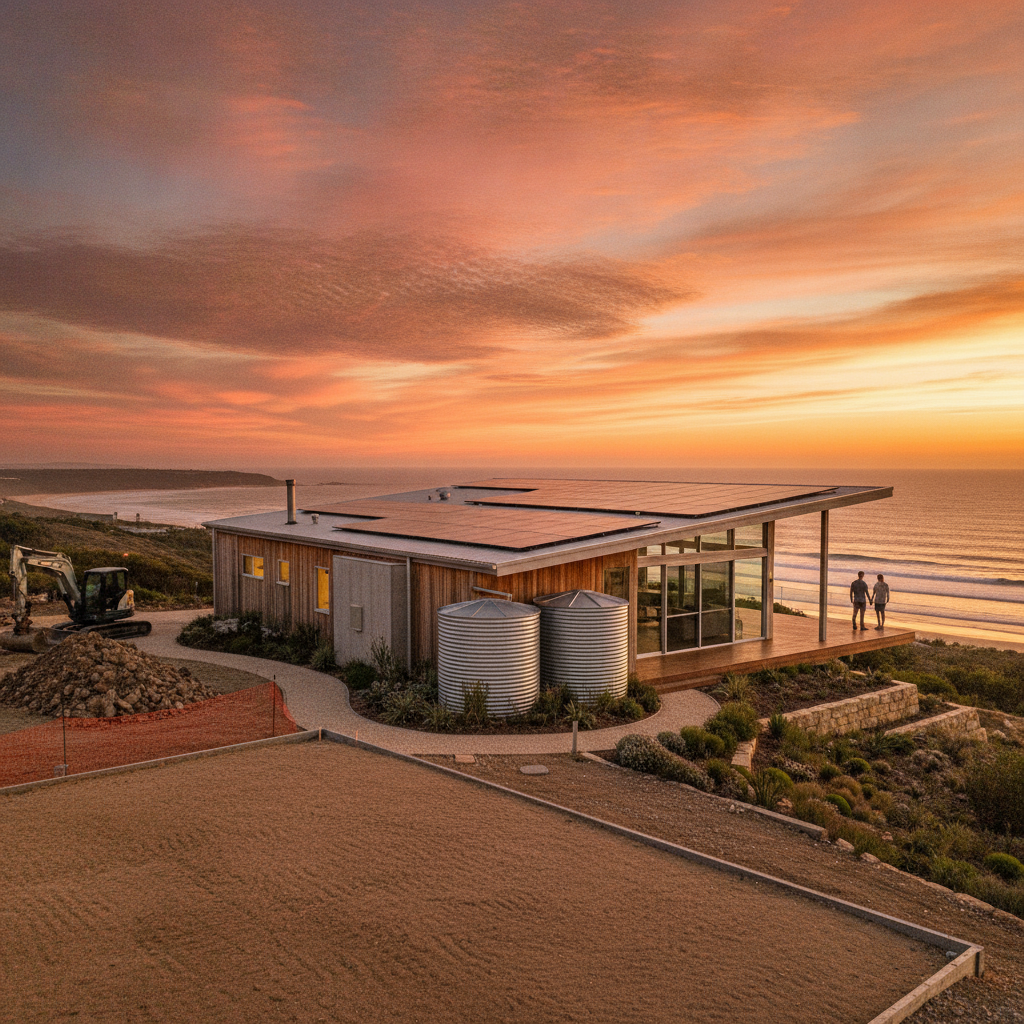
Many first-time buyers fall in love with a floor plan before they have truly assessed their land. In Australia, our terrain varies wildly, from the sandy coasts to the rocky hinterlands. One of the biggest mistakes is assuming that the kit price is the only major 'shell' requirement. Your site preparation is the foundation of your entire project, literally and figuratively.
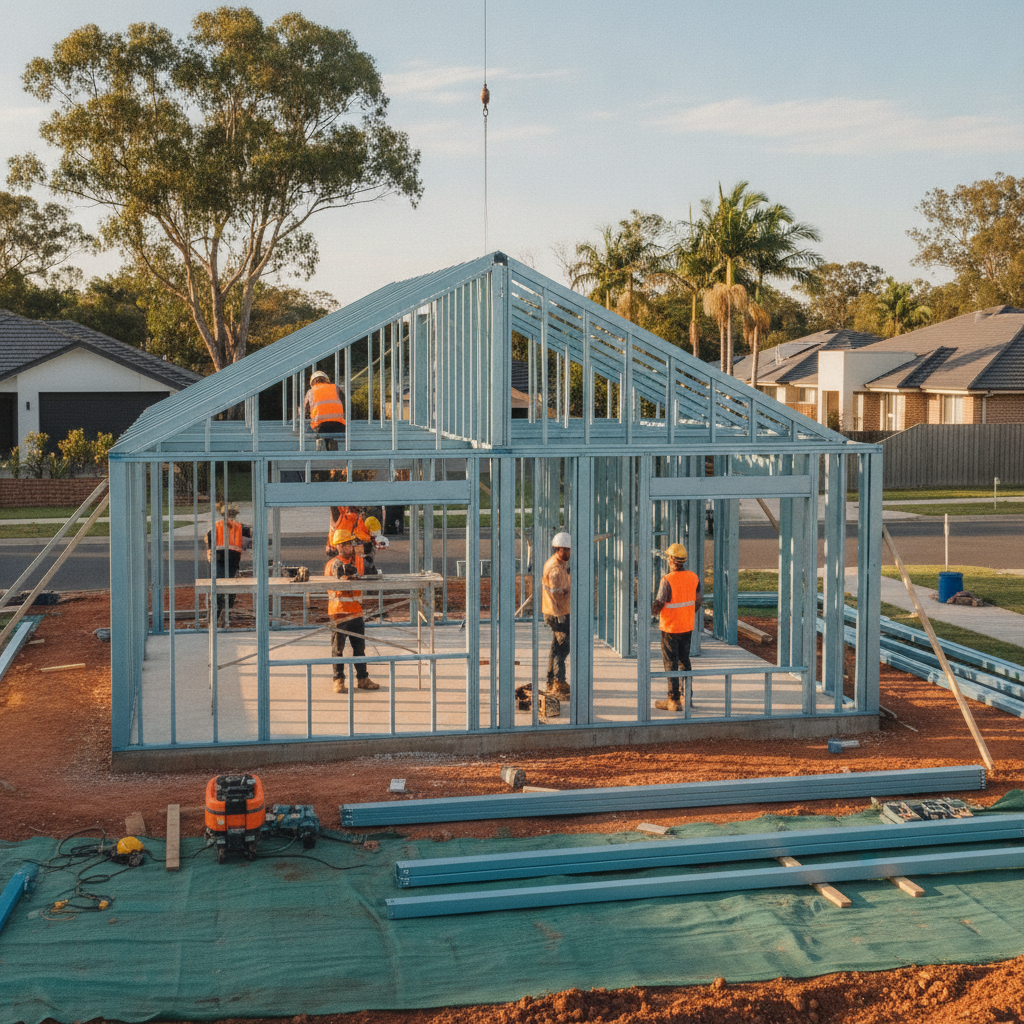
Before your kit even arrives on a truck, you need to consider soil testing, site levelling, and drainage. If you are building on a slope, you might need specific engineering for your slab or sub-floor. Engaging a local surveyor or engineer early in the piece can save you thousands. Always ensure your site is accessible for heavy delivery vehicles, as kit components, especially long steel roof sheets and wall frames, require ample space for unloading.
Mistake 2: Confusing Kit Homes with Other Building Methods
In the Australian market, there is often a bit of confusion regarding different building terminologies. A common error is grouping kit homes together with other off-site construction methods. It is important to understand that a kit home is not a house that arrives in one or two pieces on a trailer. It is a sophisticated delivery of high quality components that are assembled on-site.
When you choose a kit home, you are receiving the structural 'bones' and skin of the building, such as the steel frames, trusses, roofing, and cladding. Unlike other methods where you have little say in the construction once it leaves a factory, a kit home allows you to be the master of your worksite. You oversee the assembly, ensuring every bolt and screw meets your standards. This distinction is vital for your planning because it means you need to coordinate the labor and the sequence of assembly yourself.
Mistake 3: Skipping the Owner-Builder Course
In most Australian states, if you intend to manage the construction of your own home and the value of the work exceeds a certain threshold, you must obtain an owner-builder permit. A frequent mistake is seeing this as a mere 'tick-the-box' exercise or trying to bypass it by letting subcontractors take the lead.
Taking a certified owner-builder course is one of the best investments you can make. These courses teach you about your legal obligations, site safety (OH&S), and how to manage various trades. Understanding the legalities of Australian Building Standards and the National Construction Code (NCC) ensures your home is not only beautiful but safe and compliant. Avoid the headache of council fines or insurance issues by getting your permit and education sorted before you break ground.
Mistake 4: Not Factoring in the 'Invisible' Components
When you look at a kit home package, it usually includes the primary structure: the TRUECORE steel frames, the BlueScope steel roofing, windows, and external doors. First-timers often forget that a livable home requires many 'invisible' or internal components that are typically sourced separately to allow for personal choice.
This includes items like internal plumbing, electrical wiring, plasterboard for internal walls, floor coverings, and kitchen cabinetry. The beauty of a kit home is that you aren't forced into a 'standard' kitchen or 'standard' tiles. You have the freedom to shop around for the best deals and the exact styles you want. To avoid delays, create a comprehensive checklist of every single item required to finish the home, from the light switches to the skirting boards, and have a plan for when these will be installed.
Mistake 5: Failing to Communicate with Local Council Early
Every local council in Australia has its own set of Development Application (DA) or Complying Development Certificate (CDC) requirements. A common pitfall is assuming that because a kit home is 'pre-engineered', it will automatically be approved for your specific block. Councils look at many factors: bushfire attack levels (BAL), wind ratings, energy efficiency (NatHERS), and even the color of your cladding in some heritage or environmentally sensitive areas.
Before committing to a design, have a preliminary chat with your local council's planning department. Ask about the specific requirements for your zone. Most kit home providers use steel frames which are termite-proof and non-combustible, which is a massive advantage in Australian bushfire-prone areas, but you still need to ensure the overall design meets the specific 'BAL' rating of your site.
Mistake 6: Organizing Trades Too Late
Even the most hands-on DIY enthusiast will usually need some professional help. Unless you are a licensed plumber or electrician, you cannot legally perform those tasks yourself in Australia. A major mistake first-time builders make is waiting until the frames are up to start looking for tradespeople.
The Australian construction industry is busy. Good tradies are often booked out months in advance. Start interviewing and booking your plumber, sparkie, and concreter as soon as your plans are approved. Show them your kit home plans so they understand the layout. Because steel frames are dimensionally accurate (they don't warp or twist), tradies often find them easier to work with, but they still need to be pencilled into your schedule.
Mistake 7: Poor Material Management on Site
Your kit will arrive with a lot of components. If you aren't organized, your building site can quickly become a chaotic mess. Mistake number seven is not having a dedicated, dry, and secure storage area for your materials. While steel frames and roofing are incredibly durable, things like windows, doors, and insulation need to be protected from the elements and potential site damage.
Invest in some heavy-duty tarpaulins, or better yet, a temporary site shed or shipping container. Organize your delivery so that the items you need first (like the floor systems or wall frames) are easily accessible, while the items you need later (like internal trim) are tucked away safely. This simple step prevents loss, damage, and hours of searching for a specific bracket or box of screws.
The Value of the Steel Frame Advantage
While we are focusing on mistakes, it is worth noting a smart move many first-time buyers make: choosing steel. Using Australian-made steel frames, like those made from TRUECORE steel, offers a level of precision that makes the assembly process much smoother for a novice. Steel is lightweight, which makes it easier to handle on-site, and it stays straight and true. This means when it comes time to put on the cladding or install the windows, everything fits as it should. It is a forgiving material for those who are learning the ropes of construction.
Conclusion: Preparation is Your Best Tool
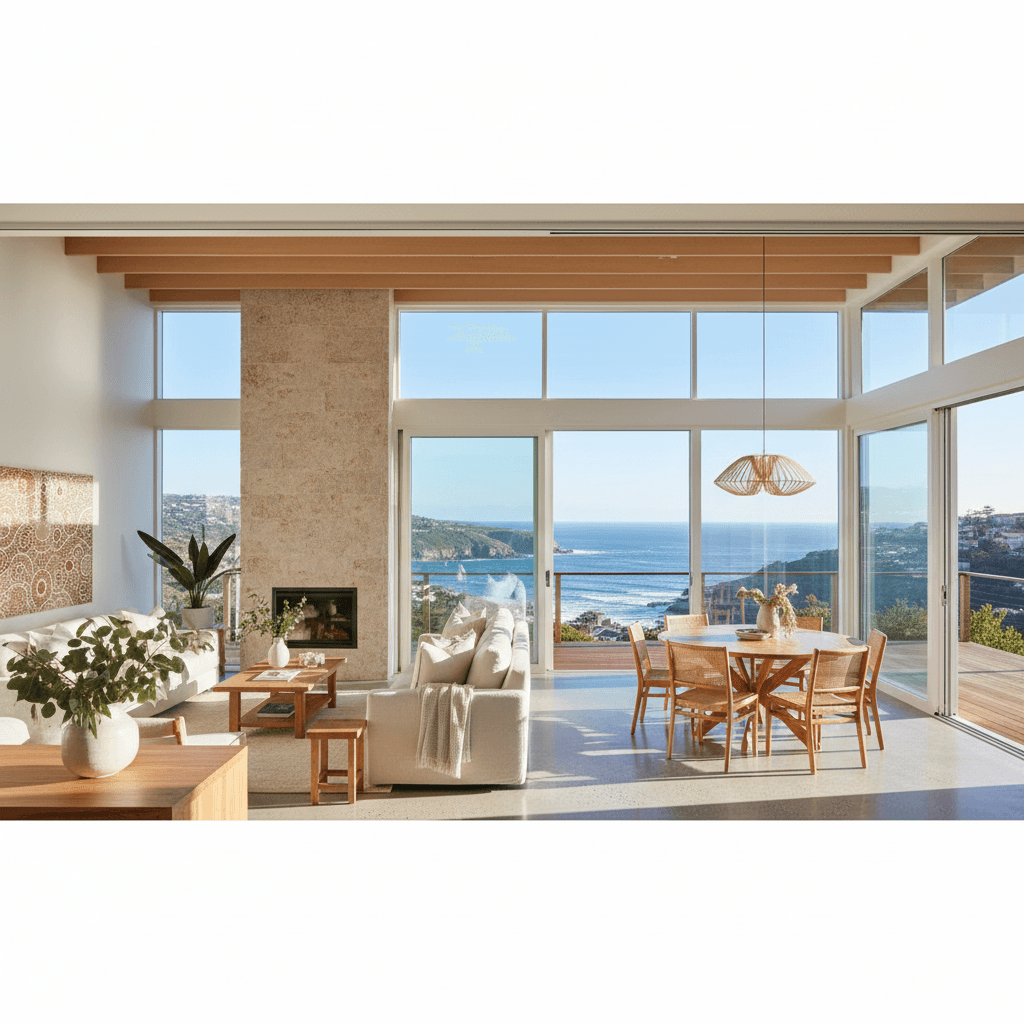
Building your own kit home in Australia is an empowering journey. Every time you walk through your finished front door, you will feel the pride of knowing you managed the project from the ground up. By avoiding these common mistakes—focusing on site prep, understanding your role as an owner-builder, and keeping an open line of communication with council and trades—you turn a potentially stressful process into a rewarding adventure.
Take your time, do your research, and don't be afraid to ask questions. The community of Australian owner-builders is vast and helpful. With the right kit, a solid plan, and a bit of Aussie grit, you will be moving into your dream home before you know it.