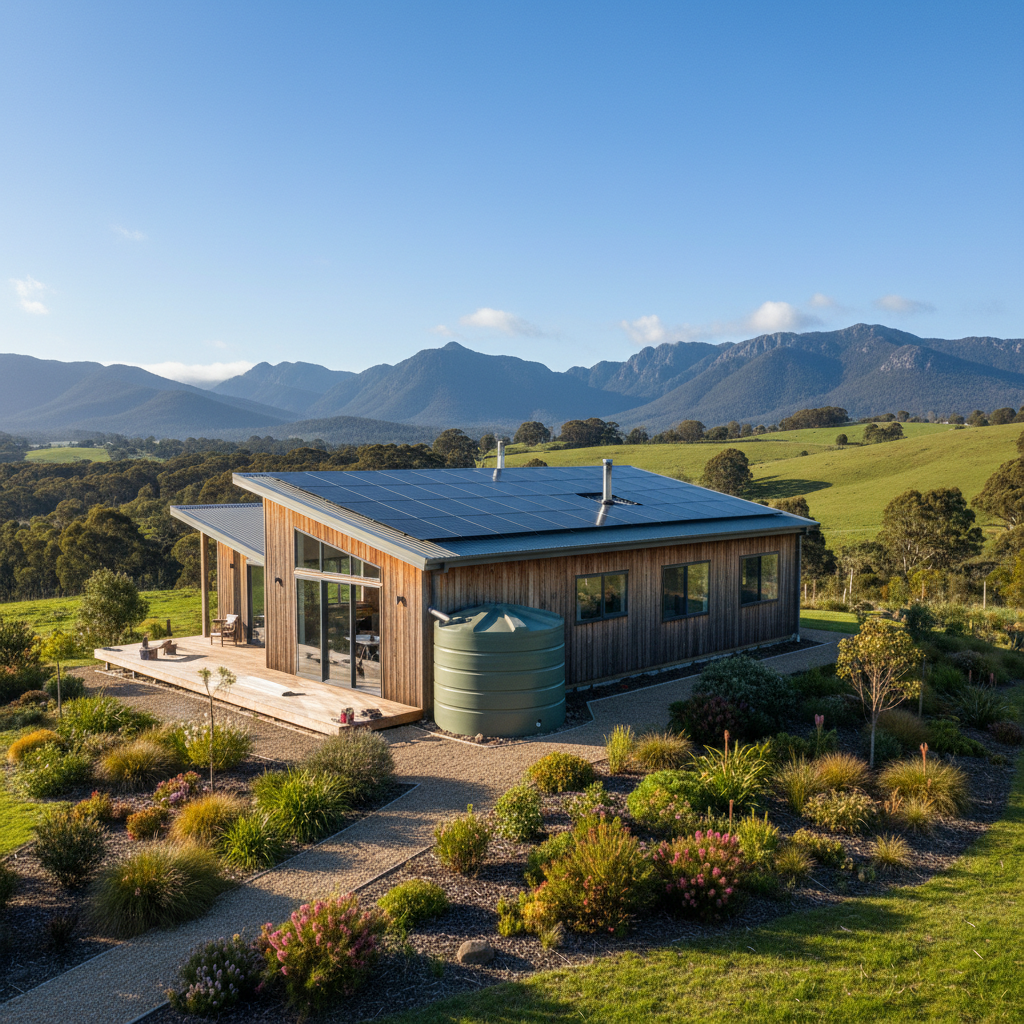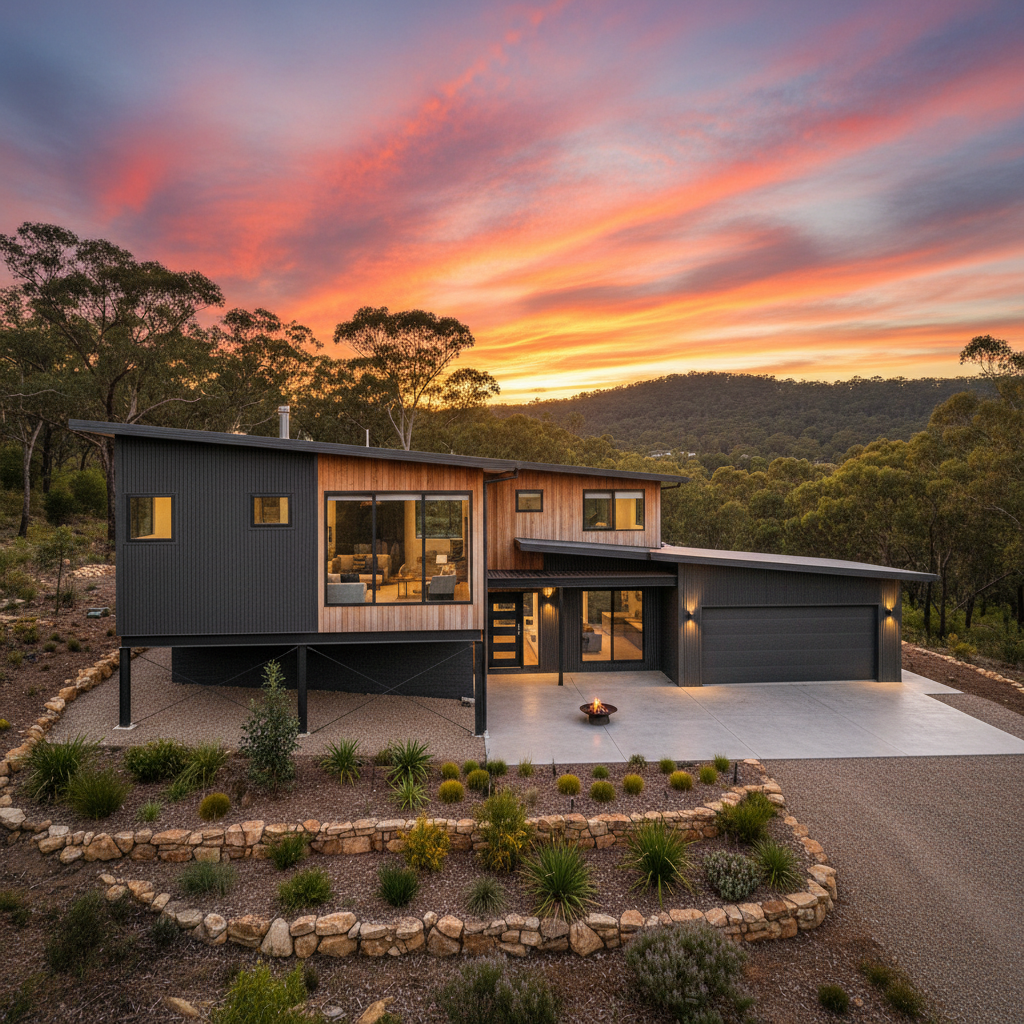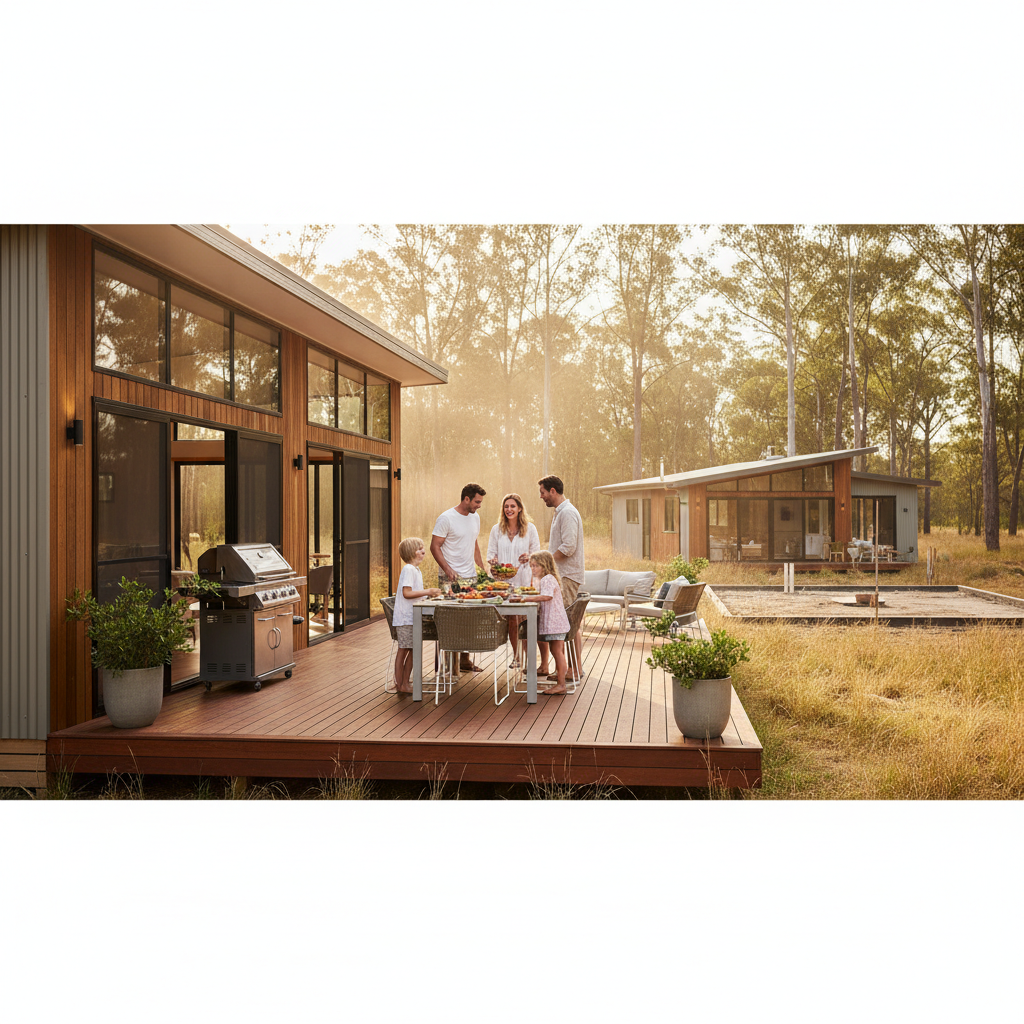
Embarking on Your Kit Home Journey
There is something uniquely Australian about the dream of building your own home. Whether it is a coastal retreat or a bush hideaway, the idea of rolling up your sleeves and being part of the construction process is deeply appealing. Kit homes offer a fantastic pathway to achieving this, providing a structured way to manage a build without needing to be a master architect. However, for those new to the world of owner-building, the learning curve can be steep.
When you choose a kit home, you are choosing a system that provides the essential structural elements, like the durable steel frames, roofing, and cladding, while leaving the finishing touches to you. It is an empowering way to build, but it requires careful planning. Many first-time buyers fall into predictable traps that can lead to delays or unnecessary stress. By understanding these common mistakes, you can set yourself up for a smooth, successful building experience.
Mistake 1: Underestimating the Role of the Owner-Builder
One of the most frequent misconceptions is that a kit home is a complete 'plug and play' solution where the supplier manages the construction. In reality, when you purchase a kit home, you are stepping into the shoes of the project manager. While the kit provides the high quality components, such as BlueScope steel frames and windows, the coordination of the site remains your responsibility.
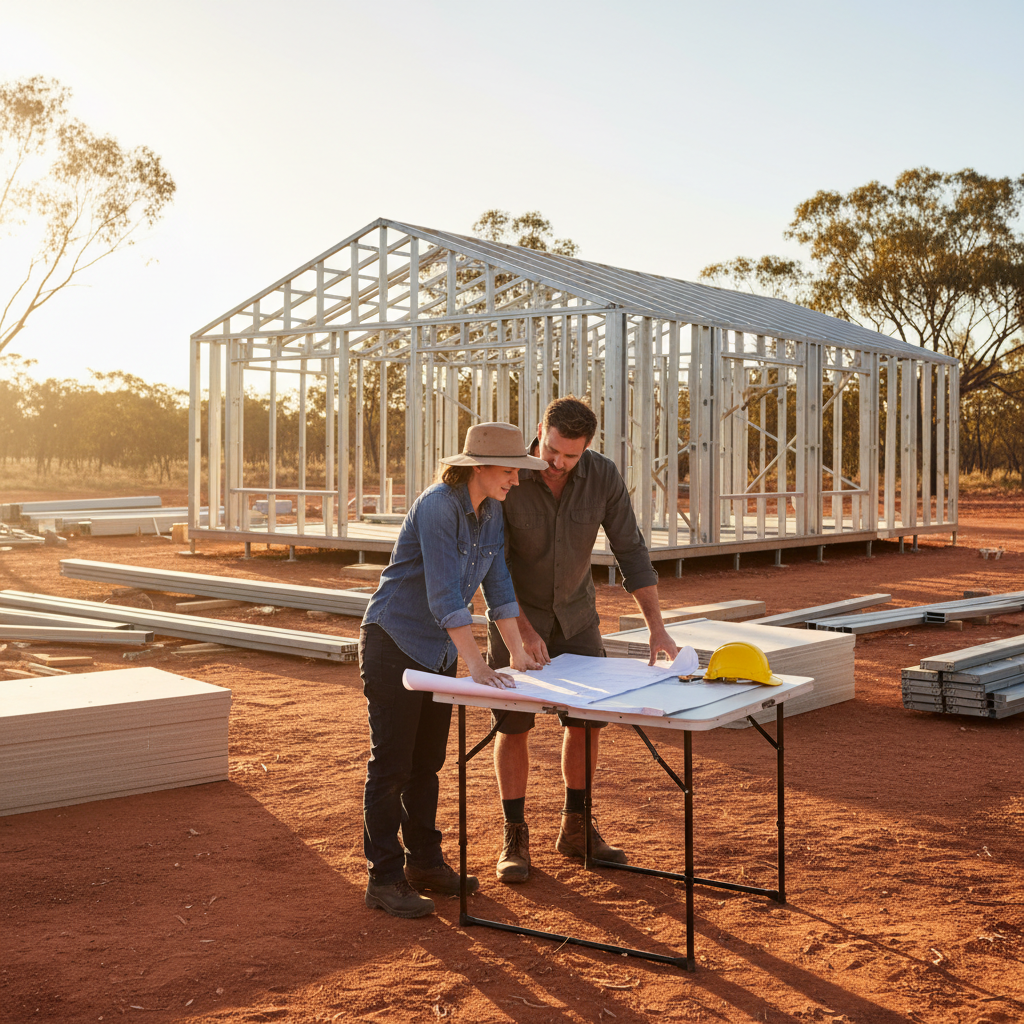
To avoid this mistake, research what being an owner-builder actually entails in your specific state or territory. You will need to coordinate trades like plumbers and electricians, manage the delivery of materials, and ensure that the site is ready for the slab or floor system. Being an owner-builder is immensely rewarding, but it requires a high level of organization and a willingness to learn the administrative side of construction.
Mistake 2: Failing to Check Local Council Regulations Early
Every local council in Australia has its own set of rules regarding land use, building heights, setbacks, and aesthetic requirements. Some first-time buyers fall in love with a specific kit home design only to find out later that it does not meet the specific requirements of their block. This might be due to bushfire attack levels (BAL), flood zones, or even heritage overlays.
Before you commit to a design, have a conversation with your local council or a private building certifier. Ask about the zoning of your land and any restrictions that might apply. High quality kit home suppliers provide detailed plans that help with this process, but the responsibility to ensure the design fits the site rests with the buyer. Knowing your BAL rating early is especially important, as it may influence the type of external materials, such as specific steel cladding or toughened glass, required for compliance.
Mistake 3: Poor Site Access Planning
A kit home arrives on a truck, often in several large deliveries. A common oversight for first-timers is failing to consider how that truck will actually get to the building site. Narrow tracks, low-hanging branches, or soft ground can prevent a delivery driver from reaching your preferred drop-off point. If the truck cannot get close to the site, you might find yourself manually moving heavy steel frames or roofing sheets, which adds time and physical strain to the project.
Check your access points well before delivery day. Ensure there is enough clearance for a large vehicle and a flat, dry area to store your materials. Because kit homes utilize TRUECORE steel frames, they are incredibly durable, but they still need to be stored neatly and off the ground to keep them in pristine condition before they are erected.
Mistake 4: Overlooking the Importance of Site Preparation
The kit is the 'shell' of your home, but that shell needs a perfect foundation. Some buyers rush the site works, leading to issues when it comes time to stand the frames. Whether you are using a concrete slab or a raised flooring system, the measurements must be exact. If a slab is out of square or not level, the precision-engineered steel frames will not fit correctly.
Invest in professional trades for your earthworks and foundation. Ensure your plumber has correctly positioned the 'rough-in' pipes before the slab is poured. A kit home is a precision product, and it deserves a precision foundation. Taking the time to get the site perfectly level will save you days of frustration during the assembly phase.
Mistake 5: Not Reading the Inclusions List Thoroughly
It is crucial to understand what is in the box and what is not. A standard kit typically includes the 'lock-up' components: the wall frames, roof trusses, external cladding, roofing, windows, and external doors. What is usually not included are the 'fit-out' items like floor coverings, kitchen cabinetry, light fixtures, and internal plumbing supplies.
First-time buyers sometimes assume the kit includes everything down to the kitchen sink. To avoid a mid-build surprise, sit down with the inclusions list and cross-reference it with your project plan. This allows you to source your finishes, like your favorite tiles or a specific bathtub, well in advance. This separation actually gives you more creative freedom to personalize your interior to suit your lifestyle.
Mistake 6: Ignoring the Weather and Timing
Australian weather can be unpredictable. Many first-time builders start their projects without considering the time of year. Scheduling a slab pour in the middle of a wet season or trying to stand steel frames during high wind warnings can lead to safety risks and delays. Furthermore, some materials, while durable, should not be left exposed to extreme moisture for extended periods before being installed.
Create a realistic timeline that accounts for seasonal weather patterns. If you are building in a high-rainfall area, try to schedule your groundworks during the drier months. Once the steel frames are up and the roof is on, you have a dry environment to work in, but getting to that point requires a bit of meteorological foresight.
Mistake 7: Trying to Do Every Single Job Yourself
The spirit of the owner-builder is one of independence, but that does not mean you have to do every task personally. Some buyers make the mistake of trying to handle complex tasks that are better left to licensed professionals. In fact, in Australia, certain tasks like electrical wiring and internal plumbing must be performed by licensed tradespeople by law.
Focus your energy on the areas where you can add the most value, such as project management, site cleanup, painting, or landscaping. For the structural assembly, if you are not confident, consider hiring a carpenter to help you stand the frames and install the windows. This balance of DIY and professional help ensures the finished home is of the highest quality while still keeping you involved in the process.
Practical Tips for Success
- Stay Organized: Keep a dedicated folder for all your permits, delivery dockets, and trade contacts. Digital copies on your phone are a lifesaver when you are on-site.
- Tools Matter: Invest in or hire good quality tools. Building with steel frames is straightforward, but having the right impact drivers and measuring tools makes a world of difference.
- Safety First: Never compromise on site safety. Wear appropriate PPE, ensure you have a first aid kit on-site, and follow all height safety regulations when working on the roof.
- Communicate with Your Supplier: If you are unsure about a component in your kit, ask. Good suppliers are happy to provide guidance on how their system fits together.
Conclusion: The Reward of Building Right
Building a kit home is a journey that transforms you from a homeowner into a creator. By avoiding these common mistakes, you shift your focus from solving problems to enjoying the progress as your vision comes to life. Remember that the foundation of a successful build is preparation. From checking council rules to ensuring your site access is clear, every bit of work you do before the truck arrives pays dividends during construction.
With the strength of steel frames and a clear plan in hand, you are well on your way to creating a beautiful, durable home that will stand the test of time. Take it one step at a time, respect the process, and soon enough, you will be walking through the front door of a home you helped build yourself.