Navigating the Path to Your Dream Kit Home
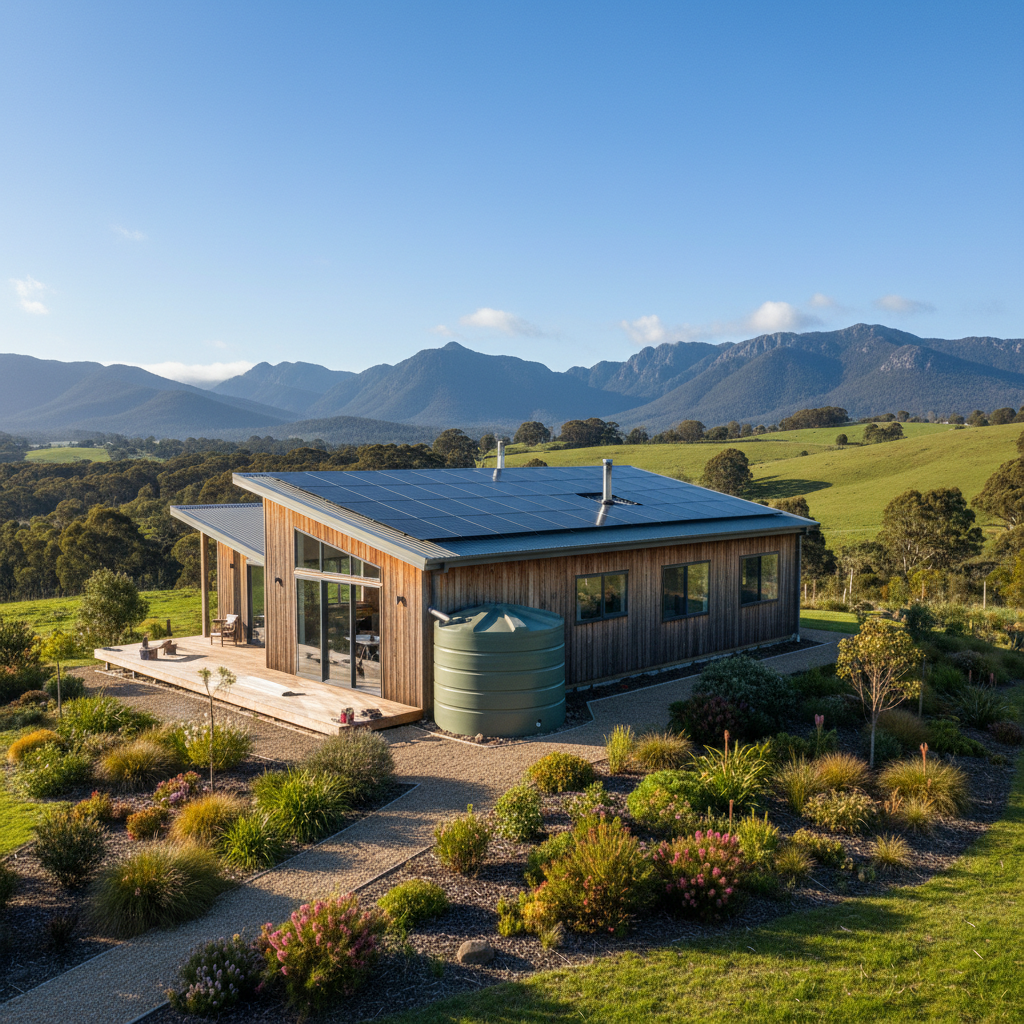
There is a unique sense of pride that comes with building your own home. In Australia, the kit home movement has exploded in popularity, offering a pathway for people to take control of their housing future. Whether you are looking to build a weekend escape in the bush or a family nest in the suburbs, the kit home model provides a structured yet flexible approach to construction. However, as many first-time owner-builders discover, the journey from unboxing your steel frames to moving in is paved with potential hurdles.
Building a home is likely the largest project you will ever undertake. While the process is rewarding, it requires meticulous planning and a realistic understanding of the Australian building landscape. To help you steer clear of the most common traps, we have compiled this guide on the mistakes many beginners make and, more importantly, how you can avoid them to ensure a smooth build.
Mistake 1: Ignoring Site Access and Topography
One of the most frequent oversights occurs before the first piece of steel even arrives on site. Many buyers choose a design they love without fully considering if their block of land can actually accommodate the delivery and construction process. If you have a steep block or a property with limited access, you need a plan for how a heavy semi-trailer will drop off your materials.
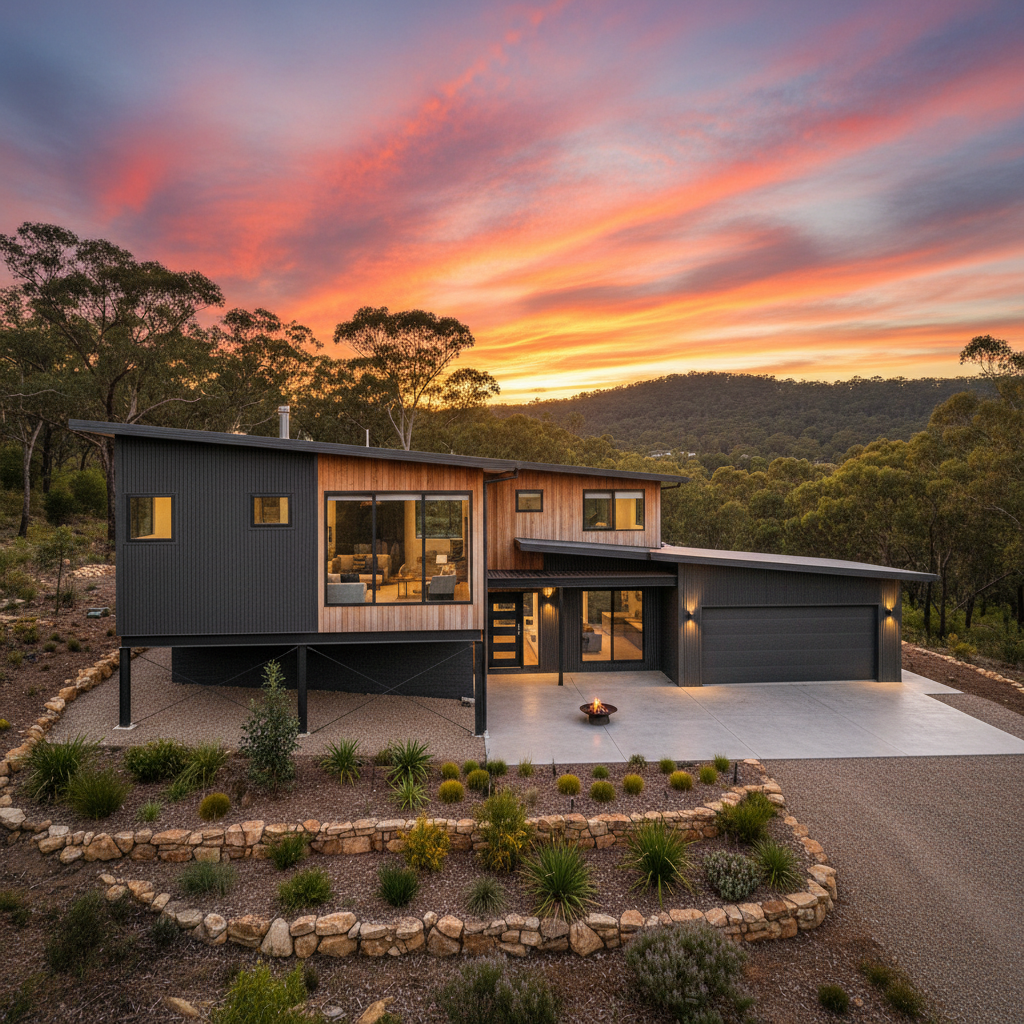
How to avoid it: Before settling on a design, conduct a thorough site assessment. Look for low-hanging branches, narrow gates, or boggy soil that might prevent delivery trucks from reaching your building pad. If your land has a significant slope, consider how this affects your foundations. While kit homes using steel frames are incredibly versatile and can be adapted for elevated flooring systems, ignoring the slope early on can lead to unexpected site works later. Always share photos or site surveys with your supplier to ensure the logistics are feasible.
Mistake 2: Underestimating the Permitting Process
It is easy to get caught up in the excitement of choosing cladding colours and floor plans, but the paperwork is where many projects stall. In Australia, every local council has different regulations regarding Bushfire Attack Levels (BAL), wind ratings, and heritage overlays. A common mistake is assuming that because a kit home is high quality, it will automatically be approved by your local council without any extra legwork.
How to avoid it: Start your conversation with the local council or a private building certifier as early as possible. Ask for a shortcut list of requirements for your specific zone. For example, if you are in a high wind area, your kit home will need to be engineered to specific wind ratings. By choosing a supplier that uses high-quality BluemScope Steel and TRUECORE frames, you are already ahead of the game in terms of structural integrity, but you still need to ensure your specific site plan meets setback and environmental requirements.
Mistake 3: Failing to Vet Your Trades Early
Unless you are a licensed tradie yourself, you are going to need a team. A major mistake first-time owner-builders make is waiting until the kit arrives on site to start looking for plumbers, electricians, and concreters. In the current Australian building climate, good tradespeople are often booked out months in advance.
How to avoid it: Build your "tradie shortlist" while your kit is being manufactured. Look for professionals who have experience working with owner-builders. Unlike a traditional volume builder, you are the project manager, so you need trades who are willing to communicate directly with you. When interviewing trades, ask if they have experience with steel frame construction. Steel frames are becoming the standard in Australia due to their precision and termite resistance, and most modern tradespeople prefer working with them because the walls are straight and the pre-punched holes make running services much easier.
Mistake 4: Scrimping on the Quality of Materials
When you are looking at different kit options, it is tempting to go for the lowest price point. However, Australia has a harsh climate. From the searing sun of the outback to the salty air of the coast, our buildings take a beating. Choosing inferior materials can lead to maintenance nightmares just a few years down the line.
How to avoid it: Look for kits that use trusted Australian brands. Opting for TRUECORE steel for your frames ensures your home is protected against termites and won't warp or twist over time. Similarly, ensure your cladding and roofing are designed for Australian conditions. Using high-quality insulation and double-glazed windows and doors will also make a massive difference in your long-term comfort and energy efficiency. Remember, you are building a legacy, so choose materials that are built to last.
Mistake 5: Poor Storage and On-Site Management
Once your kit arrives, you will have a lot of components on site at once, including frames, roofing, windows, and doors. A common mistake is not having a dedicated, dry, and secure area to store these materials. If windows are left leaning against a fence or insulation is left out in the rain, you risk damaging your investment before it is even installed.
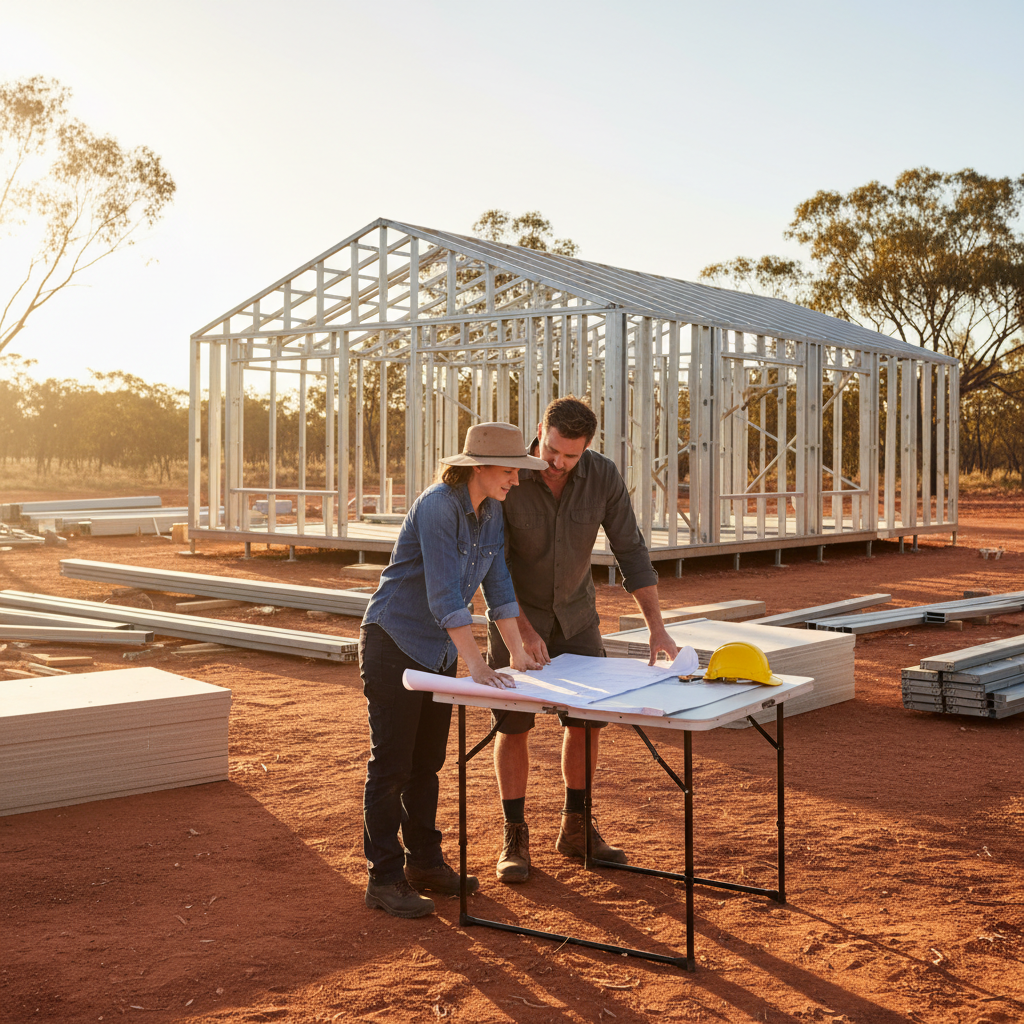
How to avoid it: Prepare a staging area. Use pallets to keep materials off the ground and have heavy-duty tarpaulins ready to cover everything. Organize your site so that materials are stored in the order they will be used. For instance, your floor system and steel frames should be the most accessible, while your internal doors and architraves can be tucked further back. Efficient site management reduces double-handling and keeps the build moving at a steady pace.
Mistake 6: Forgetting the "Finished" Details
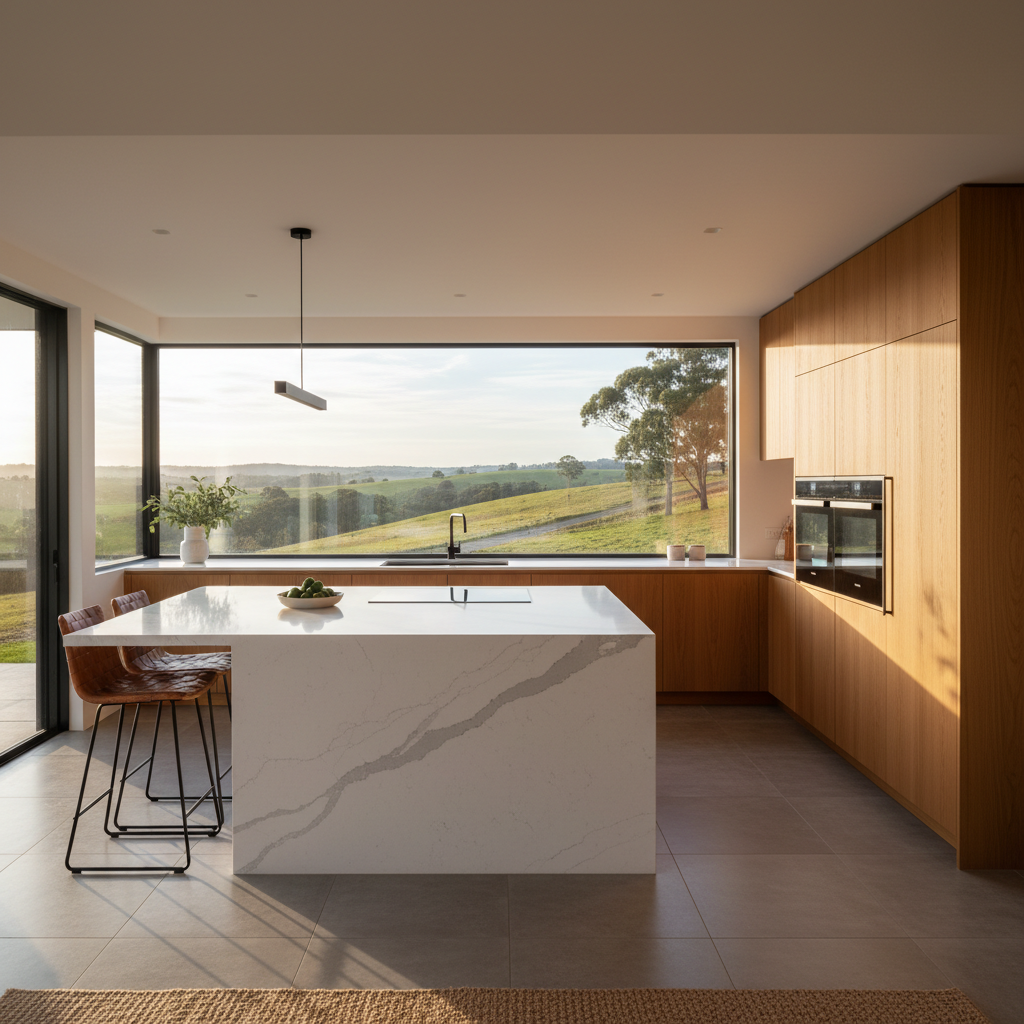
A kit home provides the structural shell, the "bones" of the house. Beginners often focus so much on the walls and roof that they forget to plan for the fit-out. This includes kitchens, bathrooms, flooring, and lighting. If you don't have a clear vision for these elements, you may find yourself making rushed decisions that don't align with the home's design.
How to avoid it: Create a design mood board early in the process. Since you are the owner-builder, you have the freedom to source a kitchen that fits your style and budget perfectly. Because steel frames provide perfectly straight walls, installing cabinetry is often much easier than in timber-framed homes. Plan your electrical layout before the internal linings go on, ensuring you have power points where you actually need them, not just where they are easiest to install.
Mistake 7: Expecting a Linear Timeline
If there is one thing that is certain in construction, it is that something will go off-schedule. Whether it is a week of torrential rain preventing the slab from being poured or a delay in a specific trade, timelines are fluid. Many first-timers get stressed when things don't happen exactly on the date written in their diary.
How to avoid it: Build a buffer into your schedule. Be patient and maintain good relationships with your suppliers and trades. One of the benefits of a steel frame kit home is that the frames are manufactured to millimetre-perfect precision in a factory environment, which actually saves a significant amount of time on site compared to traditional stick-building. Use that saved time to manage the other moving parts of the project without feeling rushed.
Conclusion: Empowerment Through Planning
Building a kit home in Australia is an incredible way to achieve homeownership on your own terms. By avoiding these common mistakes, you shift from being a stressed project manager to an empowered owner-builder. Success lies in the tension between big-picture dreaming and small-detail planning. Take the time to understand your site, vet your trades, and choose high-quality materials like Australian-made steel. With a bit of grit and a lot of preparation, you will soon be standing in a home that you didn't just buy, but truly created.