Embarking on Your Kit Home Journey
There is something uniquely Australian about the dream of building your own home. Whether it is a weekend retreat in the bush, a secondary dwelling for family, or a primary residence on a rural block, kit homes offer a pathway to homeownership that is both rewarding and practical. However, for those new to the world of owner building, the process can feel like navigating a complex maze of regulations, logistics, and technical decisions.
While the concept of a kit home is straightforward, the execution requires careful planning. Many first-time buyers jump in with plenty of enthusiasm but lack a roadmap for the potential obstacles ahead. By understanding the common mistakes made by others, you can save yourself time, reduce stress, and ensure that your building experience is as smooth as possible. Here is a guide to the top mistakes first-time kit home buyers make in Australia and, more importantly, how you can avoid them.
Mistake 1: Underestimating the Importance of Site Preparation
One of the most frequent errors occurs before the first steel frame even arrives on site. Many buyers focus entirely on the design of the house while neglecting the land it will sit on. In Australia, our diverse topography and soil types play a massive role in construction requirements.
To avoid this, your first step should always be a professional site classification (often called a soil test) and a land survey. These reports dictate the type of slab or flooring system required. Building on a reactive clay site in suburban Brisbane is vastly different from building on a rocky slope in the Blue Mountains. If you do not account for your specific site conditions early, you may find that your selected kit requires significant engineering modifications later on, which can lead to delays.
Mistake 2: Assuming the Kit Includes Absolutely Everything
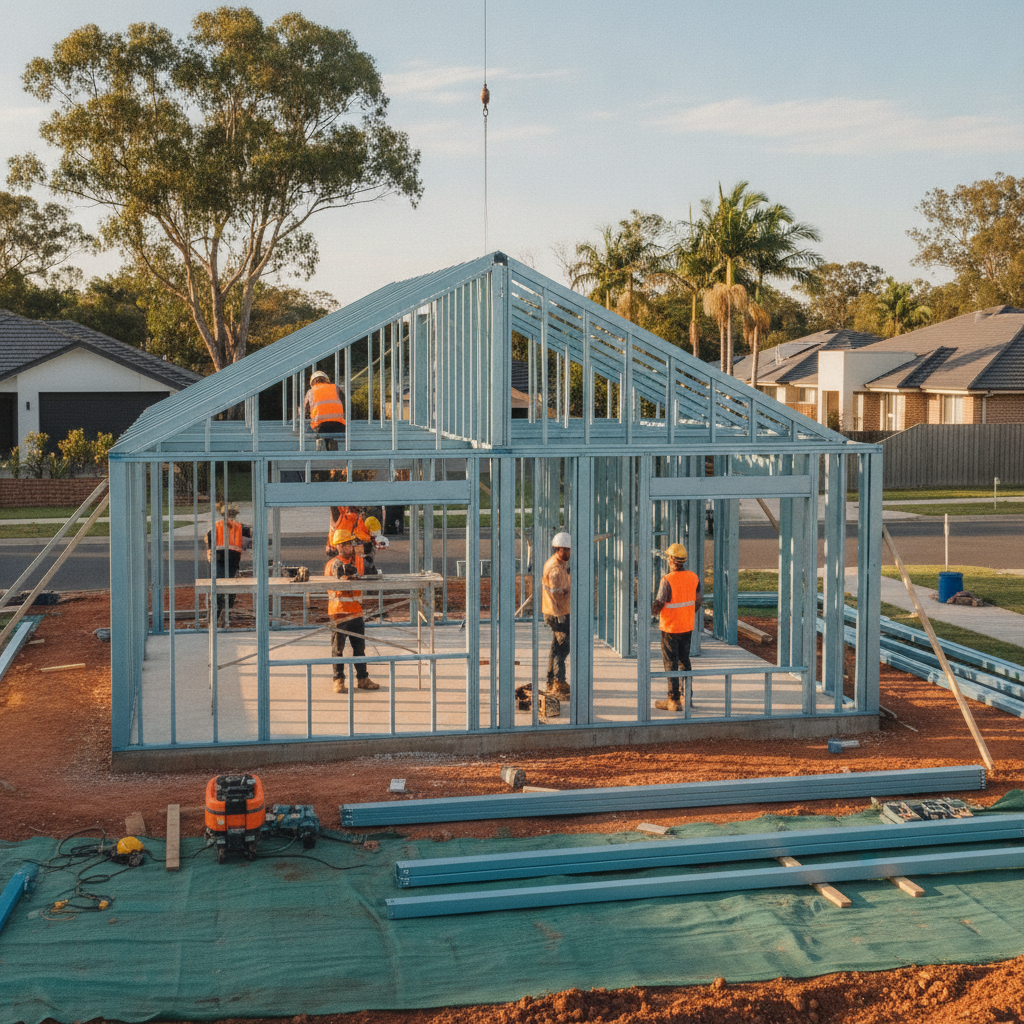
A kit home is a fantastic starting point, providing the essential structural shell of the building. Typically, this includes the BlueScope steel frames, roofing, cladding, windows, doors, and insulation. However, many first-timers mistakenly believe they are buying a turnkey solution.
To succeed, you must remember that a kit home is a package of components, not a finished house. You are responsible for the site works, the concrete slab or flooring base, the plumbing and electrical rough-in, and the entire internal fit-out, including kitchens, bathrooms, and floor coverings. Before you sign any contracts, sit down and create a comprehensive checklist of what is provided in the kit versus what you need to source locally. This clarity ensures there are no surprises when you realize you need to hire a local plumber or purchase your own tiles and cabinetry.
Mistake 3: Navigating Council Approvals Too Late
The Australian regulatory landscape is robust. Whether it is a Local Environmental Plan (LEP) or a specific Development Control Plan (DCP), every council has its own set of rules regarding setbacks, building heights, and aesthetic requirements. Some first-time buyers fall into the trap of ordering a kit before checking if that specific design is actually allowed on their block.
Always have a preliminary chat with your local council or a private certifier before committing to a design. Ask about Bushfire Attack Level (BAL) ratings and Flooding overlays. If your land is in a high-risk bushfire zone, your kit home will need specific upgrades, such as toughened glass or specialized mesh, to meet the Australian Standard AS 3959. Addressing these factors during the design phase is much easier than trying to retrofit a kit later.
Mistake 4: Overlooking the Logistics of Delivery
We often forget how large a delivery truck actually is. A common mistake is not considering how the kit components will physically get to the building site. Most kit home components are delivered on large trucks that require clear, wide access and a solid surface to park on.
If your block is down a narrow dirt track with low-hanging branches or has a steep, slippery driveway, the delivery driver may not be able to reach your building site. This can result in the kit being dropped at the gate, leaving you to manually move tonnes of steel and cladding to the build area. Save yourself the headache by ensuring your access point is clear and that there is a flat, dry area on site to store your materials safely and out of the mud.
Mistake 5: Mismanaging the Owner Builder Responsibilities
When you choose a kit home, you are often stepping into the role of an owner builder. This is a significant responsibility that involves managing trades, coordinating deliveries, and ensuring the work meets the National Construction Code. A mistake many make is thinking they can just wing it as they go.
In most Australian states, you will need to complete an Owner Builder course to obtain a permit. This course is actually a blessing in disguise, as it teaches you about your legal obligations and site safety. To avoid management fatigue, create a detailed construction schedule. Know when you need the plumber, when the electrician should arrive, and when the building inspector needs to sign off on specific stages like the frame or the final occupancy permit.
Mistake 6: Not Planning for Storage and Weather
Once your kit arrives, you have a lot of high-quality materials sitting on your land. A common error is failing to protect these materials from the elements and theft. While steel frames made from TRUECORE steel are incredibly durable and won't warp or twist in the moisture, other components like windows, doors, and internal lining need to be kept dry and secure.
Invest in some heavy-duty tarpaulins and consider renting a shipping container or building a temporary shed on site. Keeping your site organized not only protects your investment but also makes the construction process much faster because you aren't hunting through a disorganized pile of cladding to find a specific trim piece.
Mistake 7: Ignoring the Benefits of the Steel Frame System
Sometimes, first-time builders try to apply traditional timber framing techniques to a modern steel frame kit. Steel frames are engineered with precision. They come pre-punched for electrical and plumbing services, and they are designed to go together in a specific sequence.
The mistake is not reading the provided assembly plans thoroughly before starting. Steel frames offer incredible advantages, they are termite-proof, non-combustible, and perfectly straight. To get the most out of these benefits, use the technical support offered by your provider. Modern steel kits are designed for efficiency, so following the engineering plans to the letter is the best way to ensure a structurally sound and level home.
Tips for a Successful Build
- Build a Relationship with Local Trades: Even if you are doing much of the work yourself, you will need licensed professionals for plumbing and electrical. Engage them early so they understand the kit home system.
- Check Your Inventory: When the kit arrives, check it against the packing list immediately. It is much easier to address a missing component on day one than mid-way through a wall assembly.
- Tools Matter: Ensure you have the right tools for working with steel, such as a high-quality impact driver, tin snips, and a magnetic level.
- Be Realistic with Your Timeline: Building a home takes time. Factor in weather delays and the learning curve of doing things for the first time.
The Reward of Doing it Right
While the list of potential mistakes might seem daunting, it is important to remember that thousands of Australians successfully build kit homes every year. The key is moving from a mindset of a consumer to that of a project manager. By doing your homework on site conditions, council requirements, and the specific contents of your kit, you take control of the process.
A kit home provides you with a high-quality, architecturally designed structure that is built to last in the harsh Australian climate. When you finally stand in your finished living room, knowing that you played a hands-on role in bringing that space to life, the effort will be well worth it. Avoid these common traps, stay organized, and enjoy the process of building your Australian dream.