So, You Want to Build a Kit Home?
There is something uniquely Australian about the dream of building your own home. Whether it is a bush retreat, a coastal getaway, or a family residence on a suburban block, the kit home path offers a level of involvement and satisfaction that you just do not get with a standard volume builder. However, for first-timers, the process can feel like a steep learning curve.
While kit homes offer an incredible opportunity to take control of your housing destiny, many people jump into the deep end without checking the depth of the water. From council compliance to site preparation, there are several hurdles that can trip up even the most enthusiastic DIYer. In this guide, we are looking at the most common mistakes first-time kit home buyers make and, more importantly, how you can avoid them to ensure a smooth build.
1. Underestimating Site Readiness
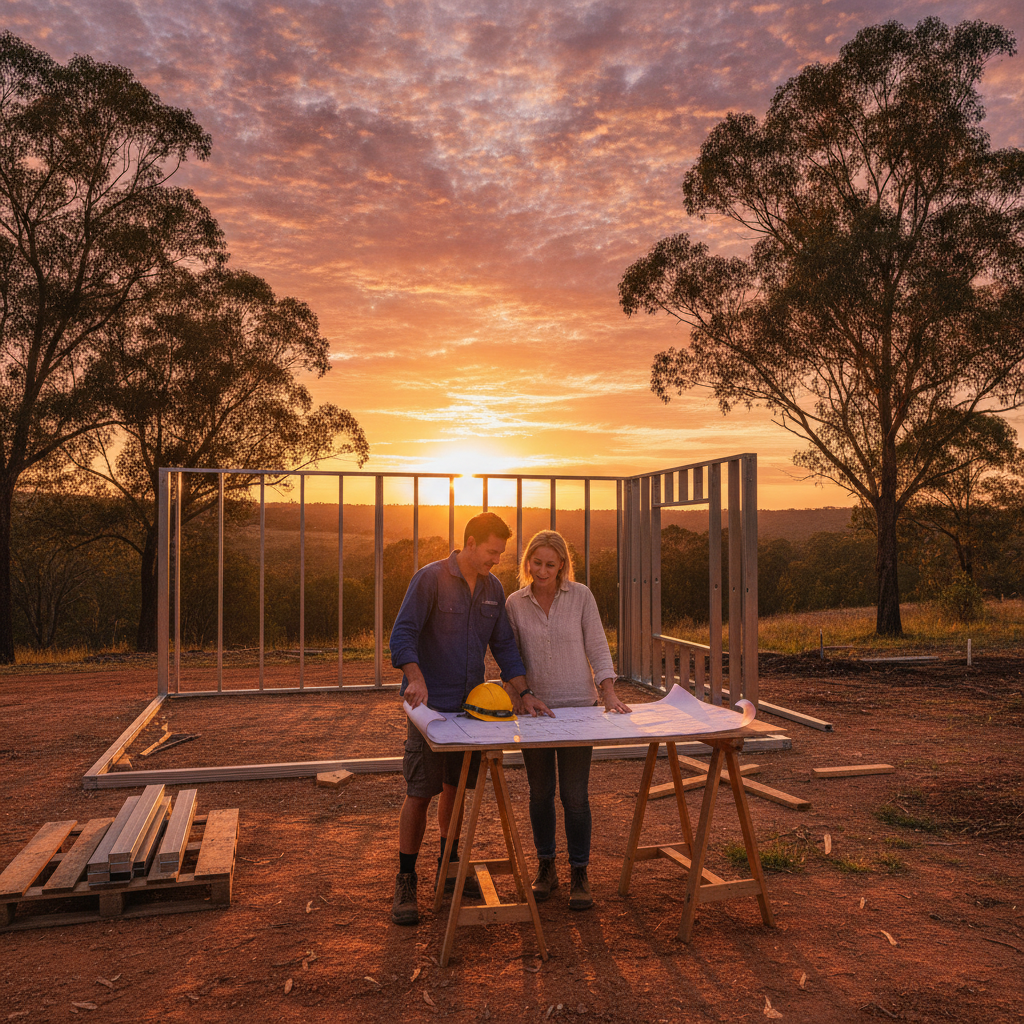
One of the biggest misconceptions for first-time builders is that the work begins when the truck arrives with your steel frames. In reality, the success of your kit home project is often determined months before a single component is delivered. Your site needs to be ready, accessible, and compliant.
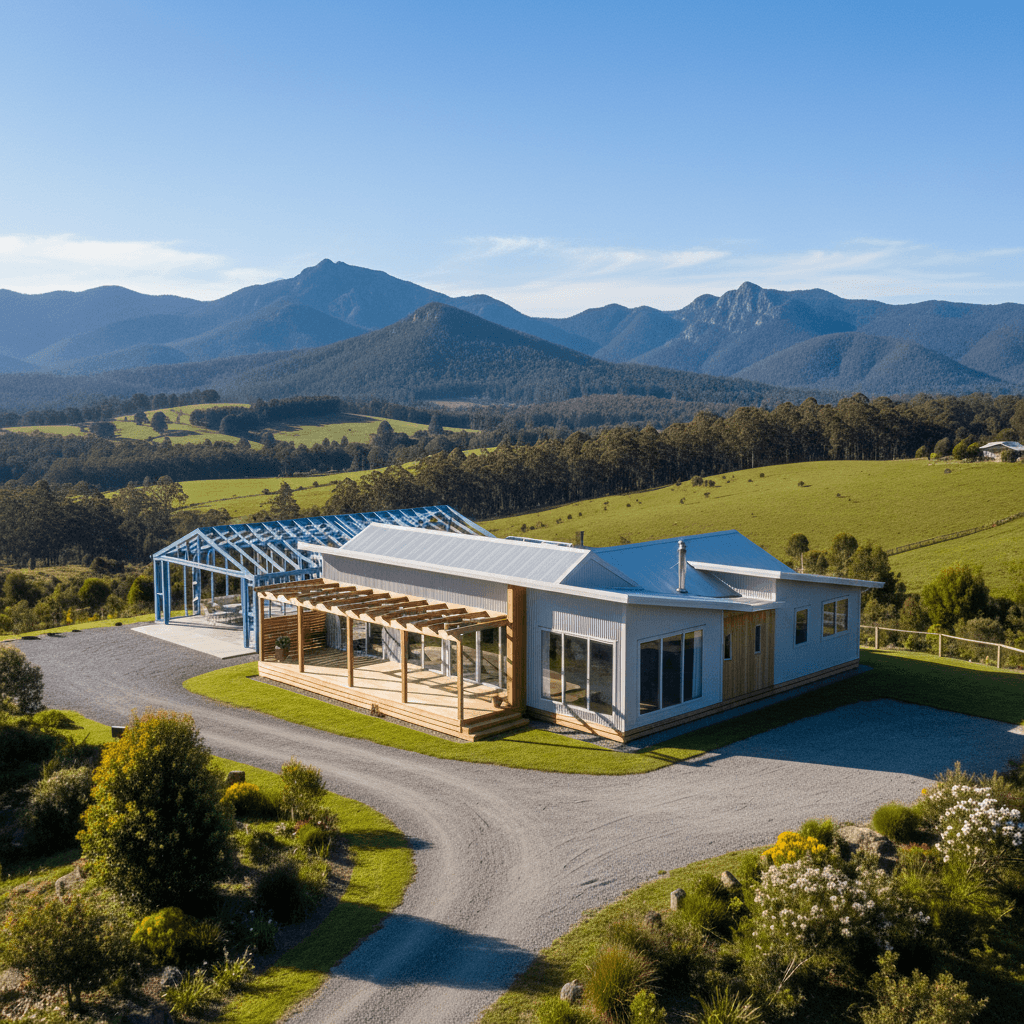
Many buyers fail to consider the logistics of delivery. Kit home components, particularly the robust steel frames and long lengths of roofing, require large trucks for transport. If your site has a narrow or steep driveway, low-hanging trees, or soft soil that a truck might sink into, you could be looking at significant delays or extra costs for double-handling. Always walk your property from the perspective of a heavy vehicle driver before you order.
2. Skipping the Deep Dive into Council Regulations
Every local council in Australia has its own set of rules, and they can vary wildly from one side of a creek to the other. A common mistake is assuming that because a kit home design looks great, it will be automatically approved for your specific block. You need to account for things like Bushfire Attack Levels (BAL), flora and fauna overlays, and setback requirements.
Before falling in love with a specific floor plan, have a preliminary chat with a private certifier or your local council planning department. Ask about any specific restrictions for your zone. Knowing your BAL rating early is especially vital, as this will dictate the types of windows, doors, and cladding materials you need to use to meet Australian safety standards. Building with steel frames is a great start for high-fire zones, but the entire exterior envelope must comply.
3. Not Understanding the Role of the Owner-Builder
When you buy a kit home, you are generally stepping into the role of an owner-builder. This is a rewarding path, but it is not just about swinging a hammer. It is about project management. A frequent mistake is failing to realize that while the kit includes the bones and skin of the house (like the TRUECORE steel frames, windows, and roofing), you are the one responsible for coordinating everything else.
You will need to arrange the slab or sub-floor, plumbing, electrical, plastering, and cabinetry. You are the conductor of the orchestra. To avoid burnout, make sure you have a clear timeline and a list of local tradespeople ready to go. Don't wait until the roof is on to start calling around for an electrician; the good ones are often booked out weeks or months in advance.
4. Ignoring the Importance of a Flat, Level Slab
In a kit home, everything is engineered to precise measurements. Modern steel frames are manufactured with millimetre accuracy. This is a huge advantage for the build quality, but it means there is very little room for error in your foundation. If your concrete slab is out of level or the dimensions are off by even a small margin, it will cause a ripple effect through the entire structure.
To avoid this, ensure your concreter understands that they are pouring a slab for a precision-engineered steel kit home. Provide them with the exact engineering drawings and emphasize the need for accuracy. A perfectly level base makes the assembly of your wall frames and roof trusses much faster and more enjoyable.
5. Over-reaching on Design Complexity
It is tempting to add every bell and whistle to your dream design, but for a first-time owner-builder, simplicity is your best friend. Complicated roof lines and intricate floor plans increase the difficulty of the build and the potential for errors during assembly. One of the best tips for a successful first project is to choose a design that balances aesthetic appeal with straightforward construction.
Focus on a layout that maximizes your lifestyle needs. Open-plan living, good orientation for natural light, and functional outdoor spaces usually provide more long-term value than a complex roof shape. Remember, the beauty of many Australian kit homes lies in their clean lines and the quality of finishes you choose, such as the cladding and windows.
6. Failing to Plan for On-Site Storage
Your kit home will arrive in stages or as a large consolidated delivery. Many first-timers forget to plan where all those materials will live while the house is going up. You cannot just leave insulation or internal doors out in the weather for weeks on end.
Before delivery, designate a clear, flat area for your steel frames and roofing. Have plenty of heavy-duty tarps on hand, and if possible, arrange for a shipping container or a secure, dry shed on-site to store sensitive components like windows, doors, and hardware. Keeping your site organized is not just about safety; it is about protecting your investment from the elements and potential site theft.
7. Not Investing in the Right Tools
If you are planning on doing a lot of the assembly yourself, having the right tools is non-negotiable. Trying to make do with domestic-grade tools for a commercial-scale project is a recipe for frustration. For a steel-framed kit home, you will need high-quality cordless drills, impact drivers, and specific metal-cutting tools.
Talk to your kit provider about the specific fasteners and tools required for their system. Getting the right gear from day one will save you countless hours and ensure that every screw and bolt is installed correctly, maintaining the structural integrity of your home.
8. Forgetting the 'Small Stuff'
A kit home package is comprehensive, covering the major structural and exterior elements, but it does not include every single nut and bolt for the interior fit-out. First-time buyers often forget to plan for the finishes that turn a shell into a home. This includes things like floor coverings, paint, light fixtures, and bathroom vanities.
The best way to avoid this mistake is to create a checklist for every room in the house. Think about the journey from the front door to the back deck. By planning your finishes early, you can ensure that your plumbing and electrical 'rough-ins' are placed exactly where they need to be to suit your chosen appliances and fixtures.
The Path to Success
Building a kit home in Australia is one of the most empowering ways to enter the property market or create a unique getaway. While it requires diligence and a willingness to learn, avoiding these common pitfalls will put you miles ahead of the average builder. Focus on preparation, respect the precision of your steel frames, and keep a clear line of communication with your council and trades. With a bit of grit and good organization, there is nothing quite like the feeling of standing back and looking at a home you helped bring to life.