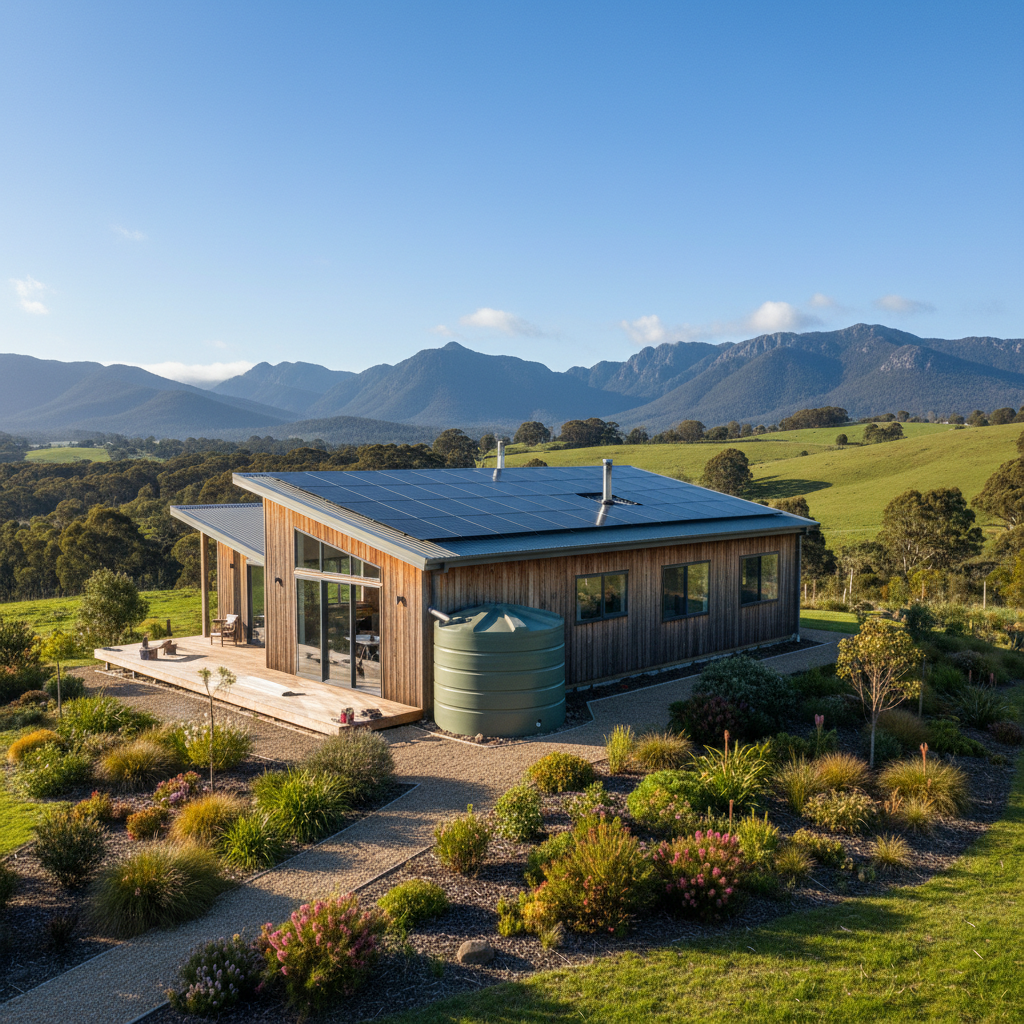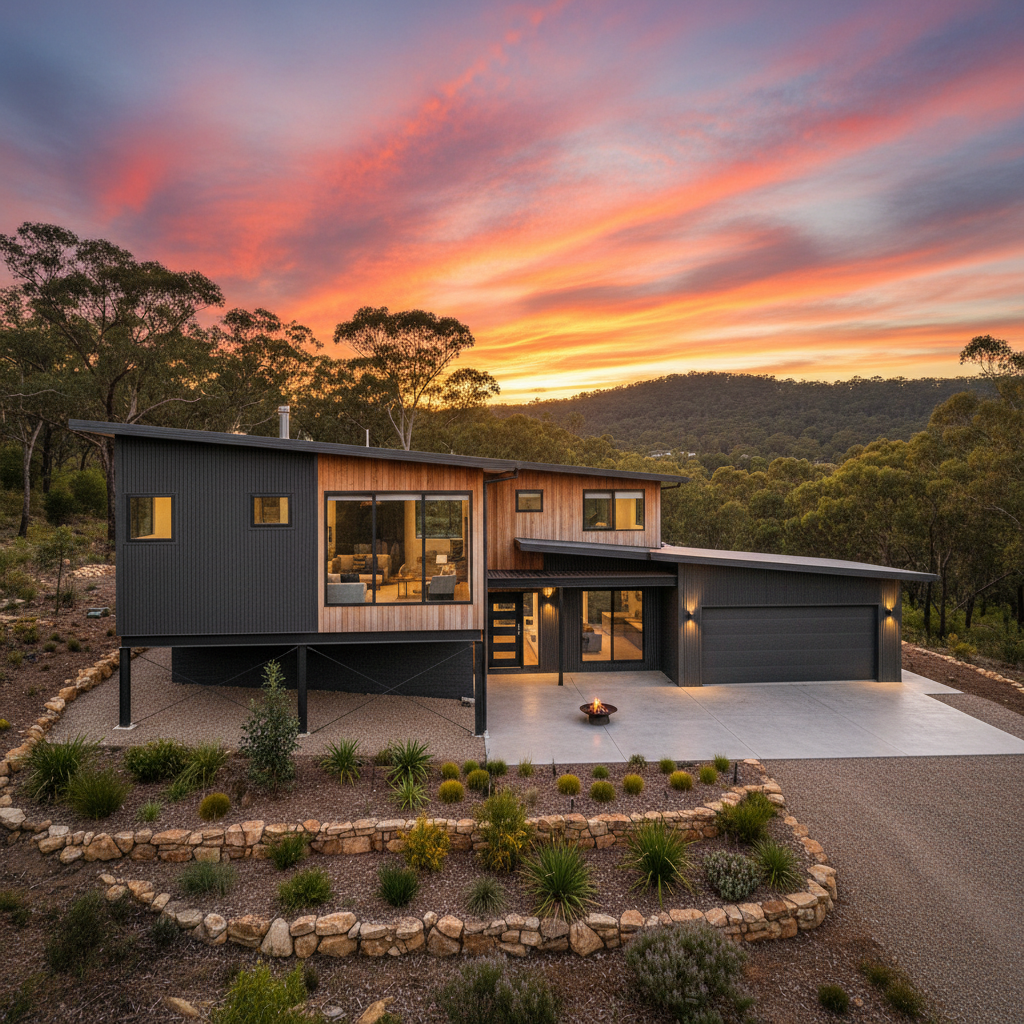
Backyard space used to be about the hills hoist and a patch of buffalo grass that died every February. Not anymore. Walk down any suburban street in Penrith or Geelong on a Saturday morning and you'll hear the whine of a circular saw or the rhythmic thud of a nail gun. Thousands of Australians are reclaiming their quarter-acre blocks to build secondary dwellings. Some call them granny flats, others call them studios or teenager retreats, but whatever the name, they've become the biggest shift in Australian housing since the introduction of the alfresco kitchen. This isn't about some architectural fad. It's about practical necessity in a country where space is a premium and housing costs are, frankly, a bit of a joke.
The Secondary Dwelling Boom
State governments have finally woken up. In places like NSW and Victoria, they've slashed the red tape that used to make building a small second home on your lot a total nightmare. Now, if you've got the dirt, you've got options. We're seeing a massive trend toward kit homes for these projects because people want to dodge the massive overheads of traditional builders. You can get a 60 square metre two-bedroom flat delivered on the back of a truck, and if you're handy, you can manage the whole show yourself. It's a way to add value without selling your soul to a developer.
But it isn't just about putting a roof over someone's head. It's about how we live now. Multigenerational living is back. I've seen blokes building 1 or 2 bedroom kits in the backyard so their parents can move out of the big family home but still be close enough to spoil the grandkids. Or it's the 24-year-old who can't find a rental that doesn't cost an arm and a leg. They get the granny flat, the parents get their house back, and everyone's winning. Plus, these buildings are getting more sophisticated. We're talking high ceilings, proper insulation, and architectural lines that don't look like a garden shed.
Why Steel Stands Up to the Aussie Elements
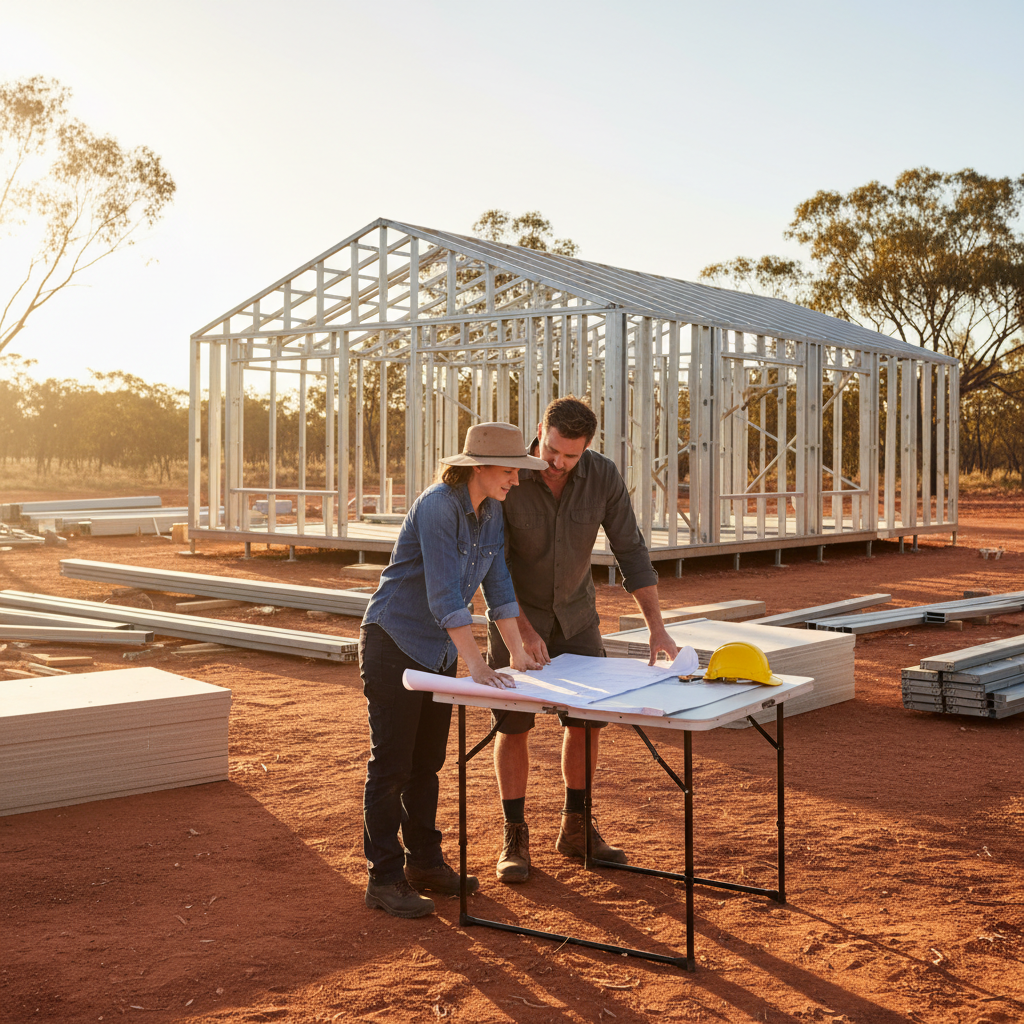
If you're building a kit home in Australia, you have to talk about the frame. It's the skeleton of your house. We use BlueScope TRUECORE steel for a very specific reason. Termites. If you live anywhere north of Hobart, termites aren't a 'maybe', they're an 'eventually'. They'll chew through a timber frame while you're sleeping and you won't know a thing until the door frame sags. Steel doesn't have that problem. It's inorganic. The bugs hate it because they can't eat it. Simple.
And let's look at the straightness. Timber bows. It twists. It has knots. You get a load of timber delivered on a rainy day in Brisbane, let it sit for a week, and suddenly your studs look like bananas. Steel is precision engineered. Every piece of that kit, from the floor joists to the roof trusses, comes out of the factory millimetre perfect. When you're an owner-builder trying to hang plasterboard or fit 1200mm wide windows, you want your openings to be square. You don't want to be shimming every second stud just to get a flat wall finish. It saves you days of frustration on site.
Dealing with Bushfire Zones
The Australian landscape is beautiful until it's on fire. If you're building in a Bushfire Attack Level (BAL) rated area, especially anything BAL-12.5 up to BAL-40, steel gives you a massive head start. It's non-combustible. It won't ignite. When you combine a steel frame with non-flammable cladding and proper sarking, you're building a fortress. We see a lot of people in the Blue Mountains or the Adelaide Hills choosing steel kits specifically because it peace of mind when the northerly winds start picking up in January.
The Owner Builder Reality Check
Don't get it twisted. Being an owner-builder is hard work. You aren't just 'the guy with the hammer', you're the project manager, the site cleaner, and the bloke who has to argue with the plumber when he doesn't show up on a Tuesday morning. But the payoff is huge. Most of our customers are everyday Aussies who want to save on the 'builder's margin' which can be 20% or more of the total project cost.
When you buy a kit, you're getting the shell. The frames, the roof, the windows, the doors. That's the easy part in many ways. The real work starts with the site prep. You need a flat, level slab or a solid pier system. If your slab is 20mm out of level across the floor, that steel frame is going to tell you about it immediately. Get your levels right. Spend the extra time with the laser level before the concrete truck arrives. Because you can't fix a bad slab once it's cured.
Tips for Managing Your Kit Build
- Get your permits sorted before you even look at a colour chart. Every council is different. Some are legends, others will make you jump through hoops for six months. Check your local LEP (Local Environmental Plan) for things like setbacks and floor space ratios.
- Organize your site access. A delivery truck needs space. If you've got a narrow driveway with low-hanging power lines or a grumpy neighbour with a prized rose bush, you need a plan.
- Stages matter. Don't order your windows until your frames are nearly up. Don't book the electrician until you've actually got the roof on. Kit homes are efficient, but you still have to respect the sequence of trades.
- Think about the fit-out. Your kit includes the bones, but you've still got to buy the kitchen, the tiles, and the light fittings. Shop around. Bunnings is your friend, but so are local salvage yards or specialist outlets.
Designing for Small Spaces
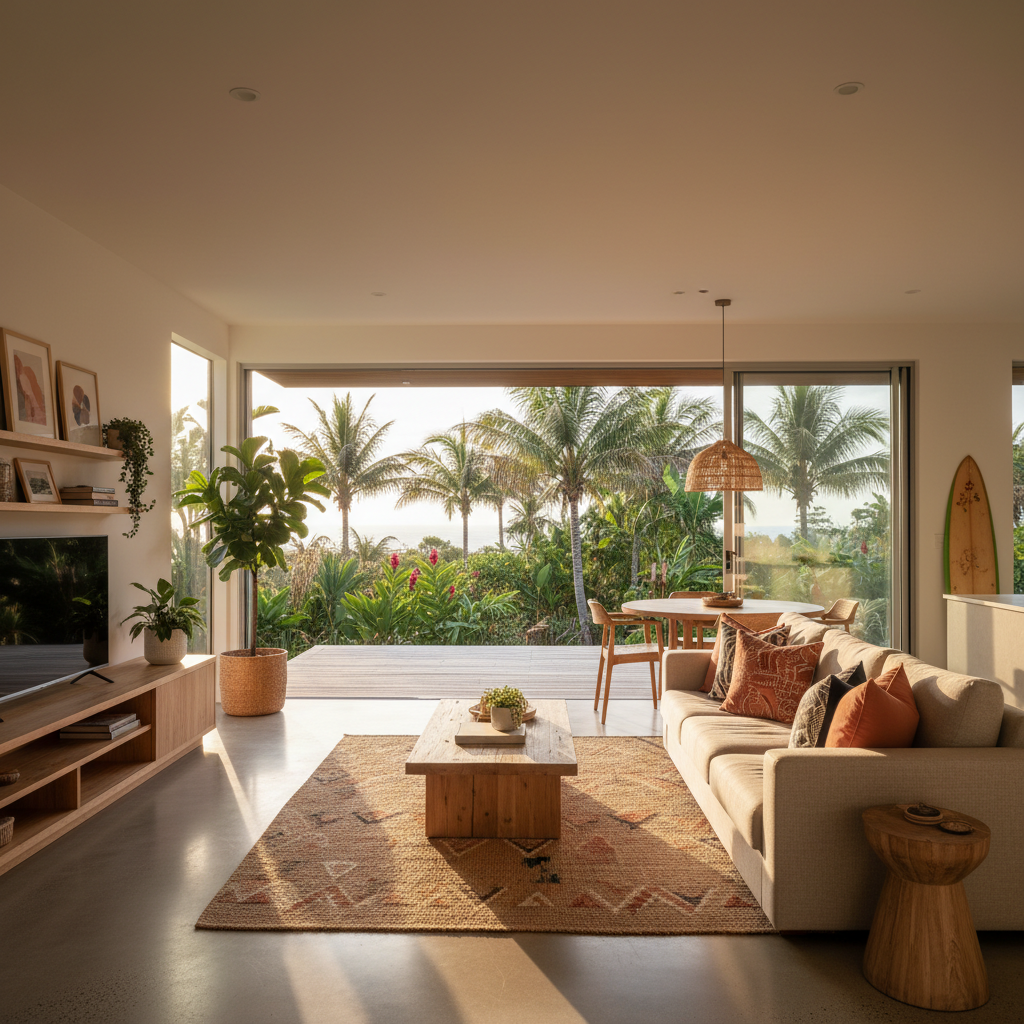
Just because it's a granny flat doesn't mean it should feel cramped. One of the biggest mistakes I see is people trying to cram too many rooms into a 60sqm footprint. You're better off with one big, airy bedroom and a decent living space than three tiny rooms that feel like broom closets. Use high ceilings. A raked ceiling in a kit home completely changes the vibe. It makes a small footprint feel double the size.
Focus on the 'indoor-outdoor flow'. It's a cliché, but it works. In Australia, we live outside half the year. If you put a decent deck on your kit, you've just added 20 square metres of living room for a fraction of the cost of internal floor space. Throw some sliding doors in and suddenly that tiny secondary dwelling feels like a villa. And don't skimp on windows. Natural light is the difference between a 'shed' and a 'home'. Because we use steel, we can often achieve larger spans and bigger openings for windows than you'd get with traditional stick framing without needing massive, expensive lintels.
What Happens When the Kit Arrives?
The day the truck pulls up is both the best and worst day. It's exciting, but then you realize you've got a giant pile of components sitting in your driveway. Organization is everything. If you leave your insulation batts out in the rain or trip over your window frames because you didn't have a designated 'drop zone', you're in for a bad time. Cover your gear. Sort your fixings. We provide detailed plans and screw lists for a reason. Read them twice before you pick up the impact driver.
Building a kit isn't just about the physical structure. It's about taking control of your living situation. Whether it's an investment for some extra rental income or a place for your teenager to blast their music without vibrating the main house, these secondary dwellings are the future of the Australian backyard. It's satisfying. There's nothing quite like standing back on a Sunday arvo, cold drink in hand, looking at a roof you helped put up yourself. It's the old Aussie spirit of having a go, just with better engineering and much straighter walls thanks to the steel.