I was standing on a site up near Gympie last month watching a fella clear his block for a new build. He had a massive pile of offcuts from a timber project next door just sitting there, rotting into the dirt or waiting for a match. It made me think about how much waste we just accept in the building trade. If you're building a kit home in Australia, you've got a choice that actually makes a difference to the planet, and it isn't just about sticking solar panels on the roof. It starts with the skeleton of the house.
The Infinite Loop of BlueScope Steel
Steel is one of the few things on this planet that's truly circular. You can melt down a 1970s Kingswood, turn it into TRUECORE steel for a house frame, and then 100 years from now, that frame can be melted back down into something else without losing a single bit of its strength. It doesn't degrade. It doesn't get weaker every time it's recycled like plastic or paper do. Because it's magnetic, it's easy for recycling plants to pull out of the waste stream too.
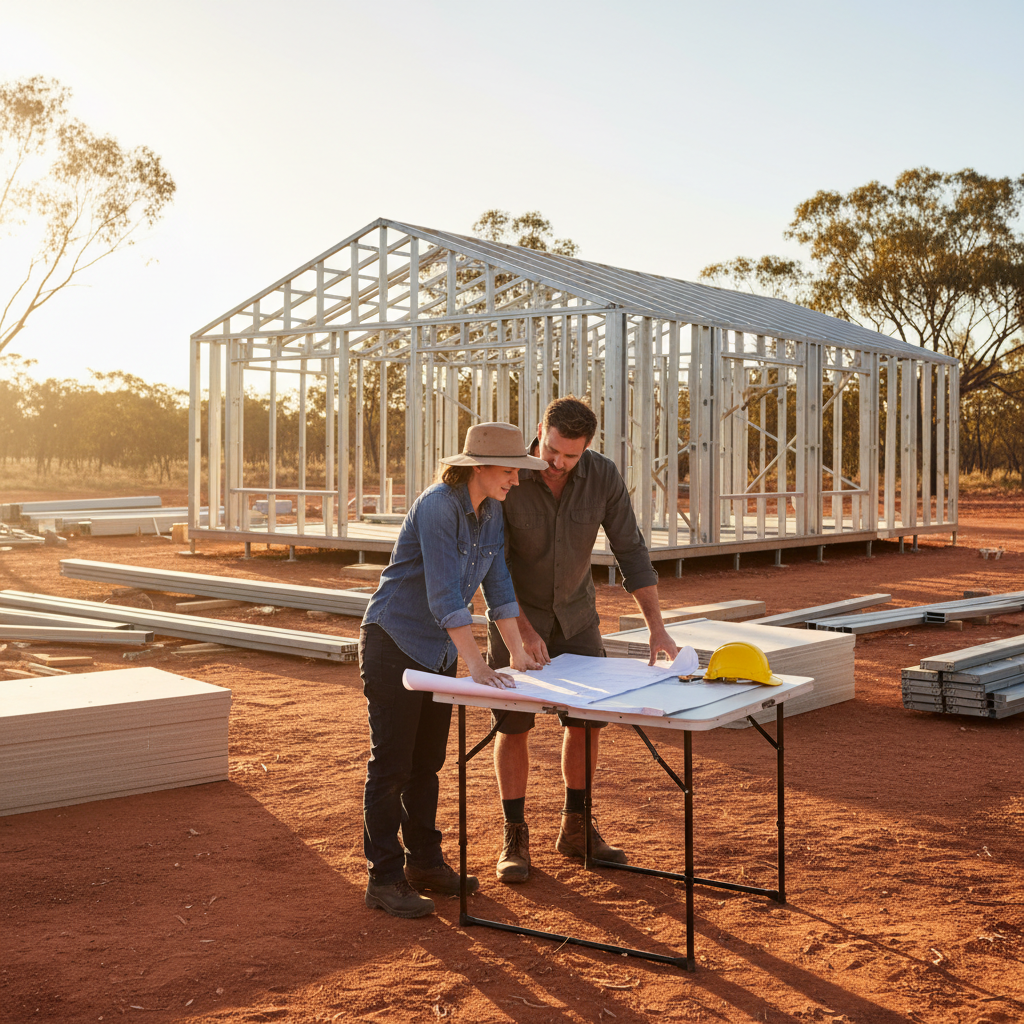
When we send out a kit home, we're using Australian-made steel that's often already made with a percentage of recycled content. But the real kicker is what happens on your site. When you're an owner-builder, every skip bin you fill costs you money. With timber, you're paying to throw away offcuts that just go to landfill. With a steel frame kit, the components are precision-cut in the factory. There is almost zero waste. If there is a tiny scrap left over, you take it to the local scrap metal yard and they might even give you a few bucks for it. It stays out of the ground.
Termites and Chemicals: The Hidden Environmental Cost
People talk about "natural" materials, but they forget what you have to do to those materials to keep the bugs out. If you live anywhere north of Melbourne, termites are a nightmare. To stop them eating a timber frame, you're often looking at heavy chemical soil treatments or toxic wood preservatives. These chemicals don't just stay put. They can leach into the soil around your garden.
Steel frames don't need that. They're naturally pest-proof. You aren't spraying poisons around your foundation every few years just to keep the roof from falling in. To me, that's a massive environmental win that doesn't get enough credit in the glossy brochures. Plus, steel doesn't need the antifungal sprays or the heavy resins used in engineered wood products. It's clean. You're living in a house that isn't off-gassing a chemistry lab into your kids' bedrooms.
Precision Engineering Reduces Construction Waste
I’ve seen blokes on site with a drop saw making a mess of a pile of studs, measuring twice and cutting wrong three times. It’s a joke. Kit homes built with steel are different. Because the frames are engineered to the millimetre using CAD software before they even hit the roll-former, the margin for error is basically zero. This means we don't send you extra stuff "just in case" that ends up in a heap. Everything we ship has a purpose.
And let's talk about the weight. Steel has a much higher strength-to-weight ratio than timber. This means the actual weight of the structural kit is lower, which can sometimes mean less grunt needed for transport and a lighter touch on the foundation design. If you're building on a sensitive site or a steep block in the hinterland, being able to use a lighter frame is a big plus for the local environment. You aren't ripping up as much of the natural ground to put in massive footings.
Fire Resistance and Longevity
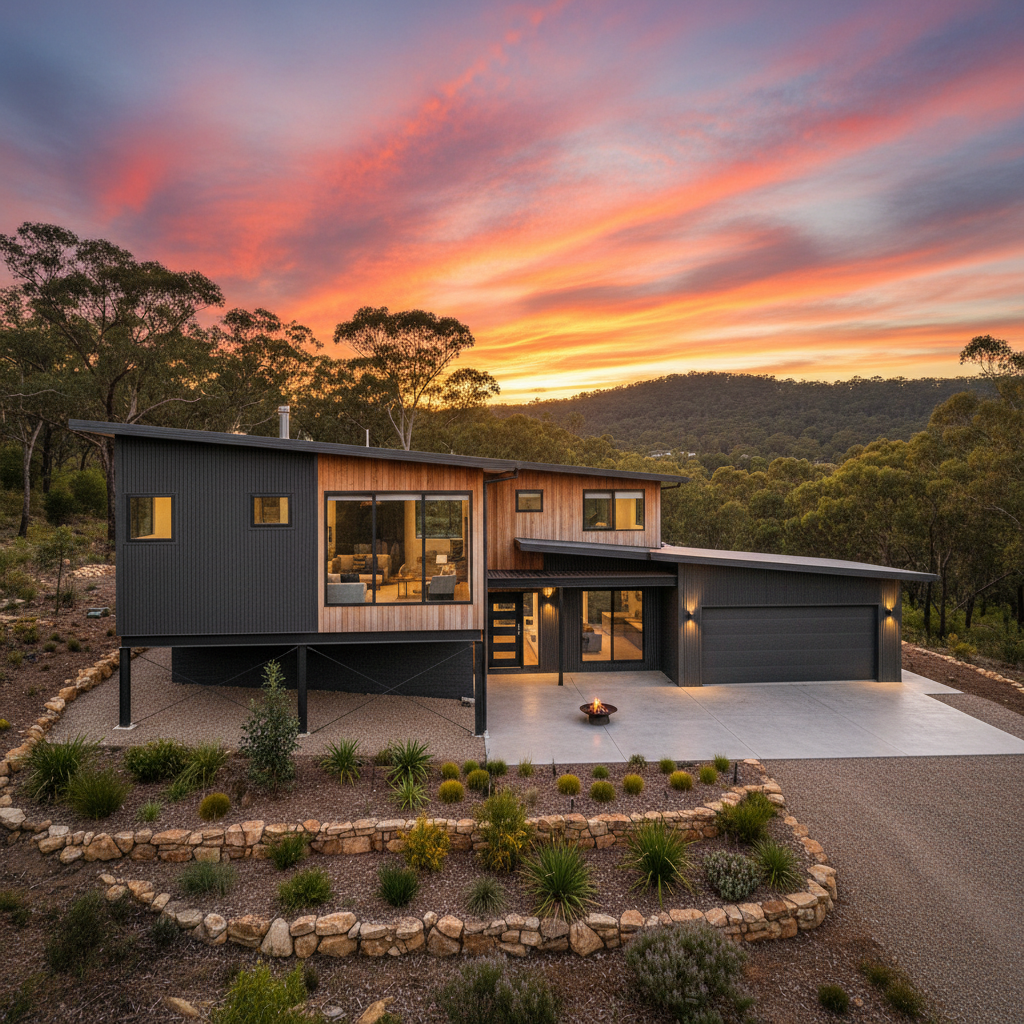
Living in Australia means dealing with the reality of bushfires. If you're in a high BAL (Bushfire Attack Level) zone, steel is your best mate. It's non-combustible. It won't spark up and add fuel to a fire. While a steel frame doesn't make a house fireproof on its own, it stays structural for longer and doesn't contribute to the fire load of the building.
Durability is the ultimate form of sustainability. The greenest house is the one that stays standing for 80 or 100 years. If a house rots, warps, or gets eaten in 20 years, it’s an environmental disaster no matter how "eco" the materials were. Steel doesn't shrink, twist, or sag over time. Your doors won't stick because the frame moved after a bit of rain. That consistency means fewer repairs and less maintenance over the lifetime of the home. Less maintenance means fewer tins of paint, buckets of filler, and trips to the hardware store for stuff to fix things that shouldn't have broken in the first place.
Practical Tips for the Eco-Conscious Owner Builder
If you're fair dinkum about the environmental side of your kit home project, here are a few things to keep in mind:
- Insulation is King: Steel is a great conductor of heat. You need to use a thermal break between the frame and your cladding. We include insulation in our kits for a reason. Don't skimp on it. A well-insulated steel home is incredibly energy efficient.
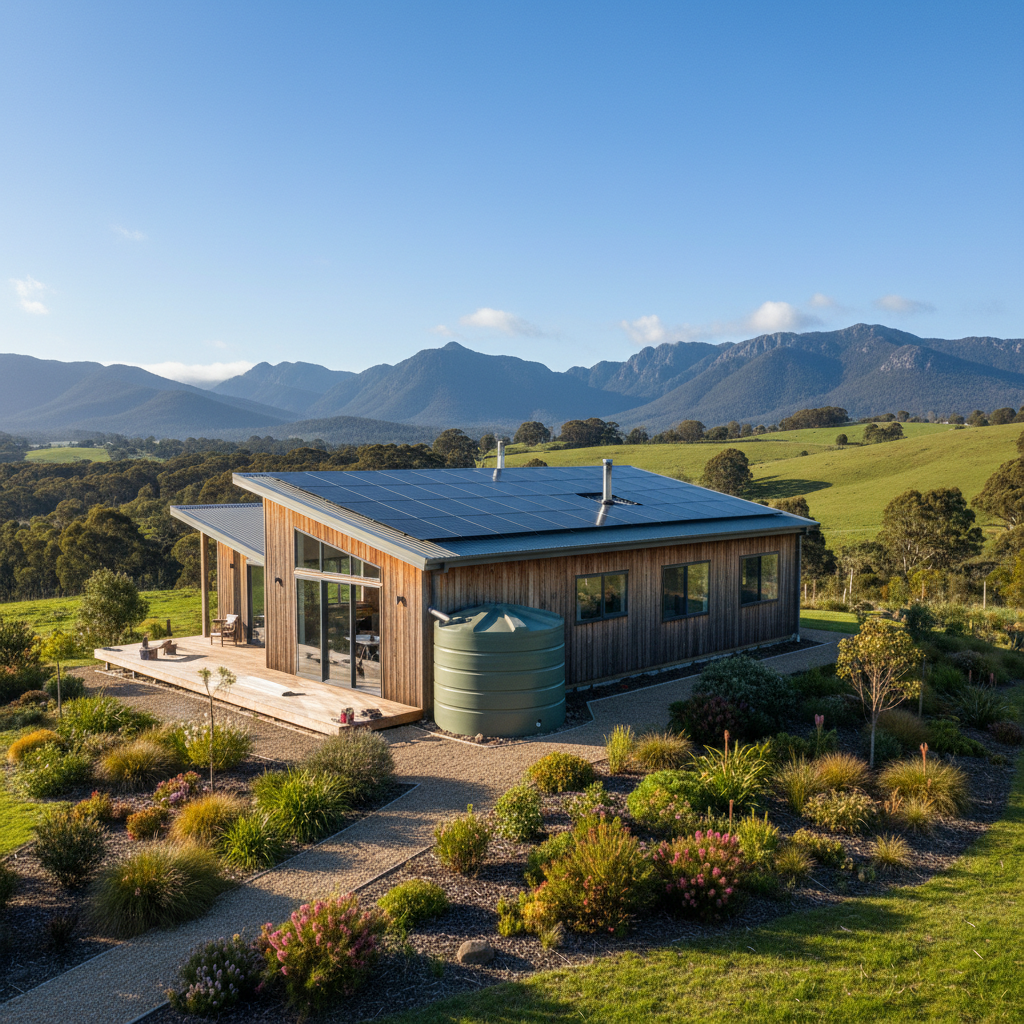
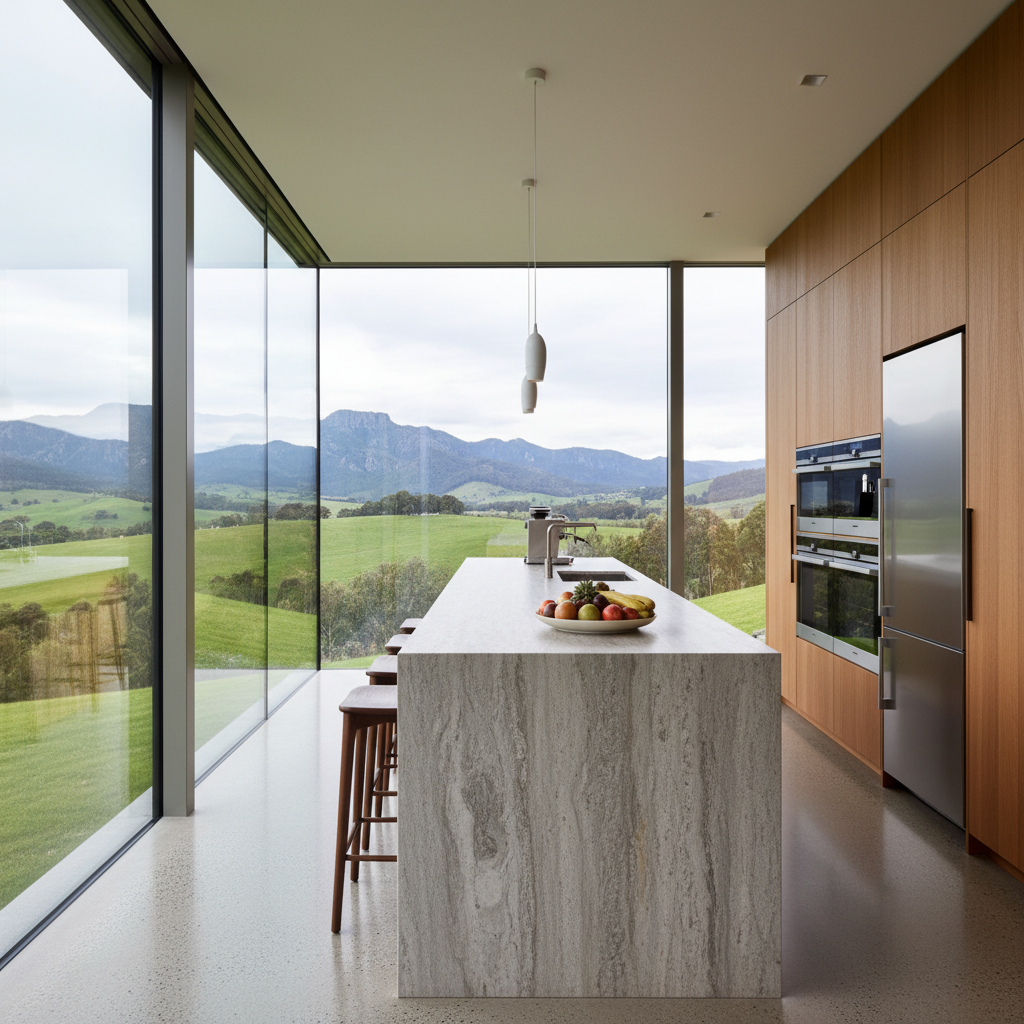
- Site Orientation: Before you even bolt the first frame together, look at where your sun is coming from. Use the strength of the steel to allow for big, north-facing windows (if you're in the southern states) to soak up that winter sun.
- Waste Management: Set up a dedicated metal recycling bin on day one. Any screws, offcuts, or old bits of flashing go in there. It makes your site cleaner and safer.
- Roofing Choice: Stick with lighter colours for your roof. A light-coloured roof on a steel frame kit reflects more heat, significantly lowering your cooling costs in summer.
Building your own place is a massive undertaking. It's easy to get bogged down in the stress of council permits and finding a reliable plumber. But when you look at the big picture, choosing a steel frame is a decision that pays off long after the last nail is driven. You're building something that's tough, recyclable, and won't require a cocktail of chemicals to survive the local termite population. It's just common sense. You get a straighter house that's better for the soil it sits on. What's not to like about that?