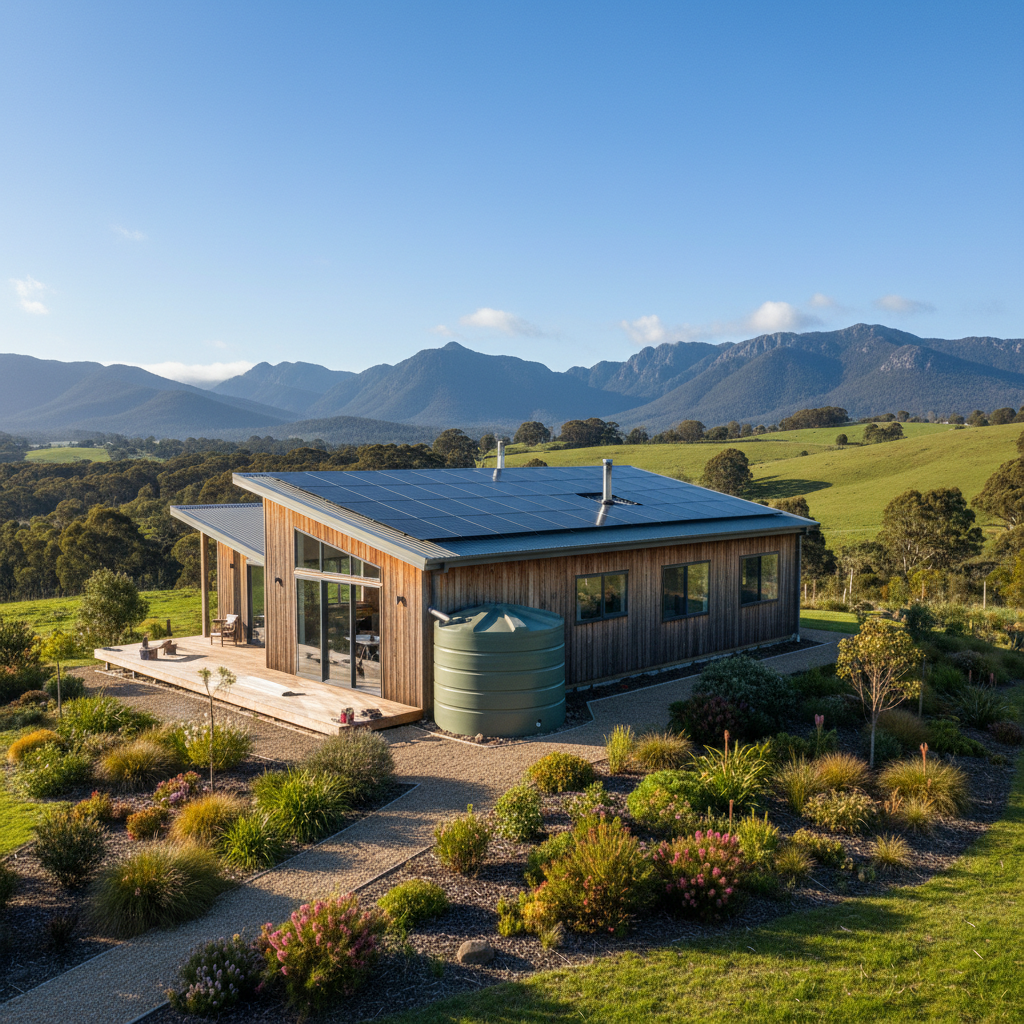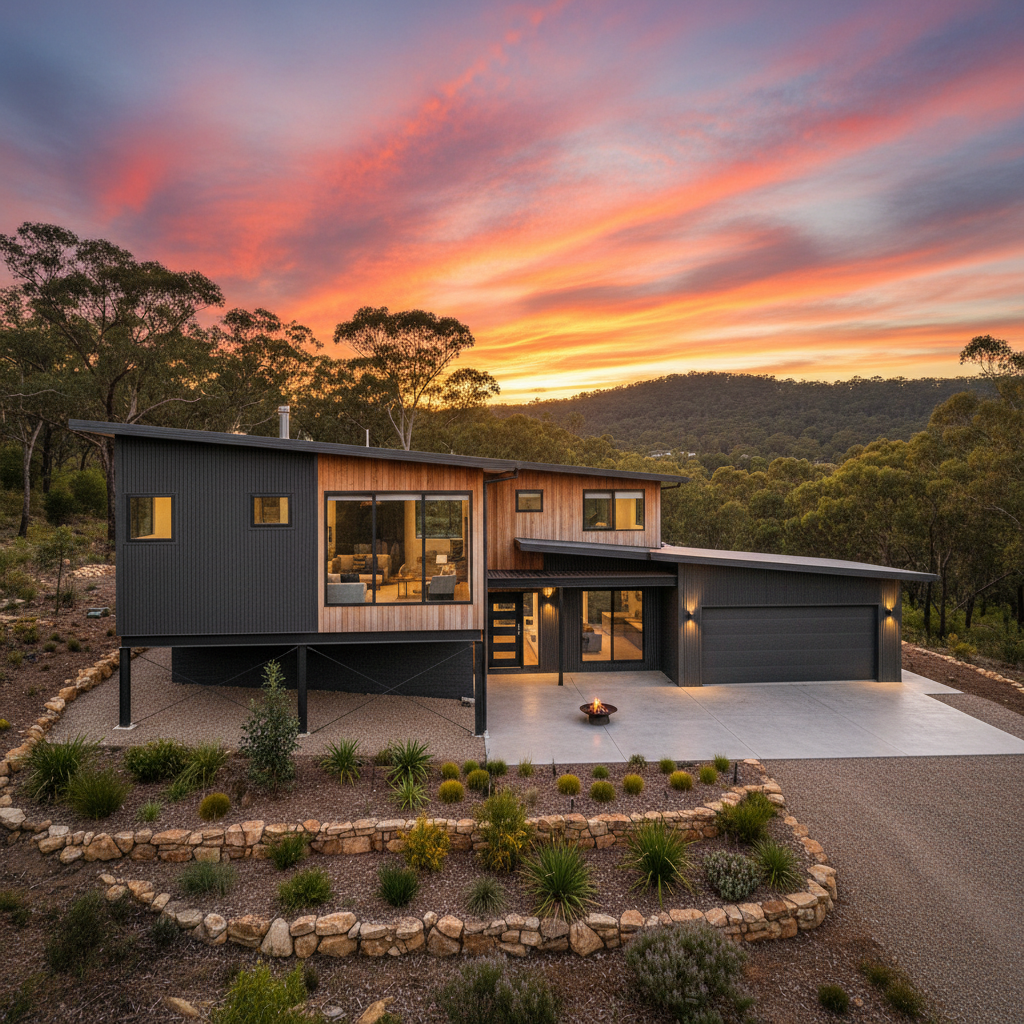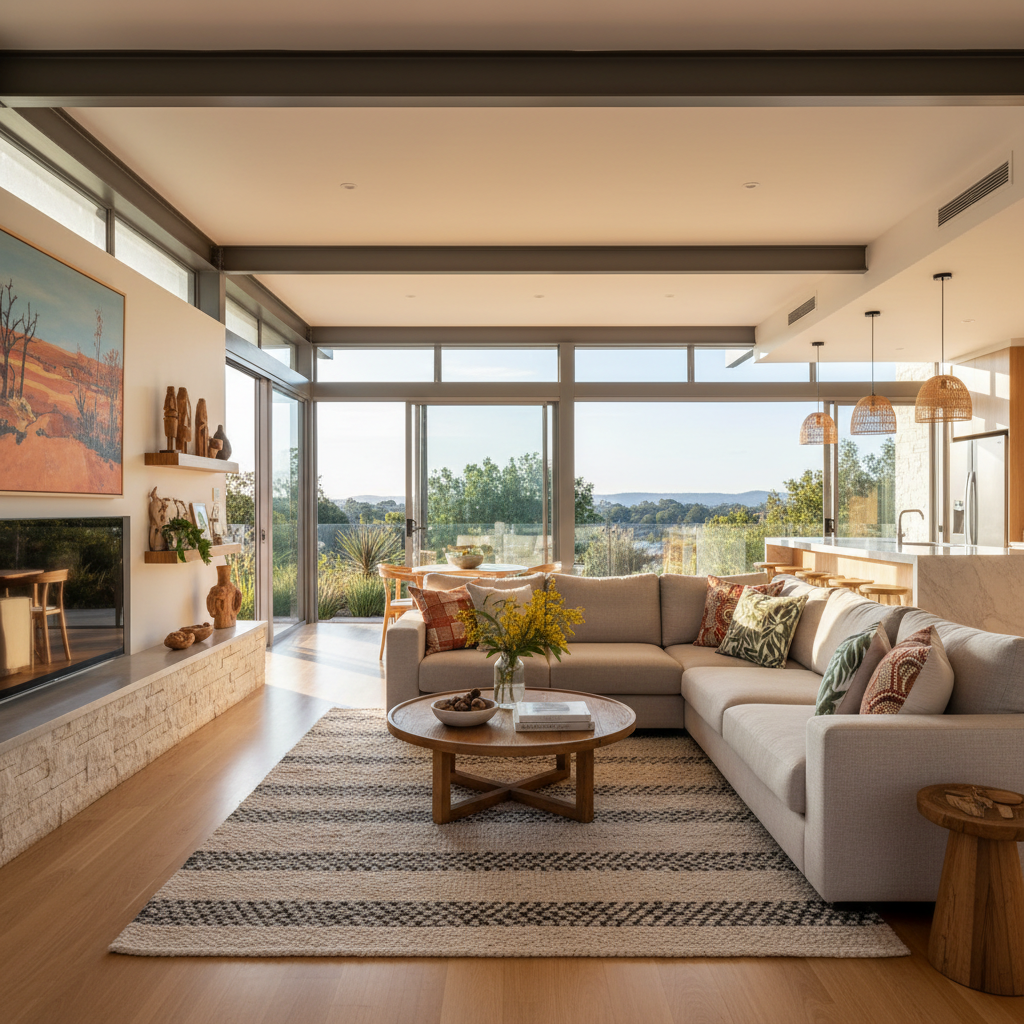
The smell of eucalyptus oil in the air on a forty degree day in Gippsland is enough to make any property owner a bit twitchy. If you are standing on a block of land in a bushfire-prone area, that smell isn't just a part of the Aussie bush aesthetic. It's fuel. When you start planning a kit home in these zones, the choices you make during the design phase aren't just about whether you want an open plan kitchen or a wrap-around veranda. They are about survival and meeting the strict requirements of the Bushfire Attack Level (BAL) ratings that your local council will chuck at you during the DA process.
The Reality of BAL Ratings and Kit Homes
Most folks think a bushfire-rated home is just about having metal shutters and a heavy-duty roof. But it starts much deeper in the guts of the house. In Australia, we work under AS 3959, which is the standard for construction of buildings in bushfire-prone areas. If your block is rated BAL-12.5 or BAL-29, you might get away with some traditional materials if they're treated right. But once you hit BAL-40 or the dreaded BAL-FZ (Flame Zone), the game changes completely. Steel becomes your best mate. Because steel doesn't burn. It's that simple. While timber frames start to char and eventually lose structural integrity when the heat gets high enough, steel stays standing. It doesn't add fuel to the fire that's trying to eat your house.
Using BlueScope TRUECORE steel for your kit home frames gives you a massive head start. I've seen blokes try to fire-proof timber frames with expensive chemical sprays and extra layers of magnesium oxide board, and honestly, it's a headache. It's heavy, it's expensive, and you're still left with a core that is fundamentally combustible. Steel frames are non-combustible. Period. If an ember gets under your eaves or through a gap in the cladding, you don't want it finding a dry stick of pine to ignite. You want it hitting something that won't catch.
Precision Engineering and Ember Protection
One thing people forget about fires is that it's rarely the main wall of flame that does the damage first. It's the embers. They're like little scouts looking for any tiny gap in your armor. Because we use precision-engineered steel frames, the tolerances are tight. Everything fits exactly how it was designed on the CAD software. This matters because when you're installing your windows and doors, you aren't fighting against a piece of timber that warped because it sat in the rain for three days before you got the roof on. A straight frame means your seals sit tighter. Tighter seals mean fewer places for embers to creep into your wall cavity.
Plus, the kit homes we provide include the whole envelope. Windows, doors, cladding, and roofing. When you're building in a BAL-40 zone, every single one of those components has to be rated. You can't just go down to the local hardware shop and grab any old window. You need toughened glass and specific hardware. By getting the frame and the skin as one engineered package, you know the whole system is designed to work together. It's a hell of a lot easier than trying to source fire-rated bits and pieces from six different suppliers who don't know your floor plan from a bar of soap.
Termites and Corrosion: The Other Australian Enemies
While we're talking about the benefits of steel in the bush, we have to talk about the silent killers. Termites. In high-risk fire areas, you're often surrounded by old growth trees and heavy mulch. That's a buffet for termites. If you've got a timber frame, you are basically building them a five-star hotel. Steel frames are 100 percent termite proof. You don't need to pump the ground full of nasty chemicals every few years or worry that the little buggers are eating your structural support while you're asleep.
And let's touch on corrosion. Some people reckon steel will just rust out if they're near the coast or in a humid gully. But TRUECORE steel has a zinc/aluminium alloy coating. It's designed for our conditions. I've seen frames opened up after twenty years that look as fresh as the day they were bolted together. For an owner builder, this is peace of mind. You're putting in the hard yards now so you don't have to fix rot or infestation in fifteen years.
Practical Tips for the Owner Builder
- Check your BAL rating before you even think about floor plans. Call a consultant or talk to your council. If you're in a BAL-FZ zone, your kit home will need specific upgrades that are better discussed on day one than day fifty.
- When the kit arrives, organize your site. Steel frames are light, but they're bulky. Have a flat, dry spot ready. Even though they won't rot, you don't want them sinking into a mud hole because the truck driver couldn't get close to the slab.
- Get a decent impact driver. Steel frames use tek screws. If you're building this yourself, your wrists will thank you for buying a high-quality tool with plenty of torque. Don't cheap out on the bits, either.
- Think about your services. Running electrical and plumbing through steel frames is easy because the holes are already punched. But you'll need plastic grommets to protect the wires and pipes from rubbing on the metal edges. We usually throw these in, but keep them handy.
The Kit Home Advantage Over Traditional Site Builds
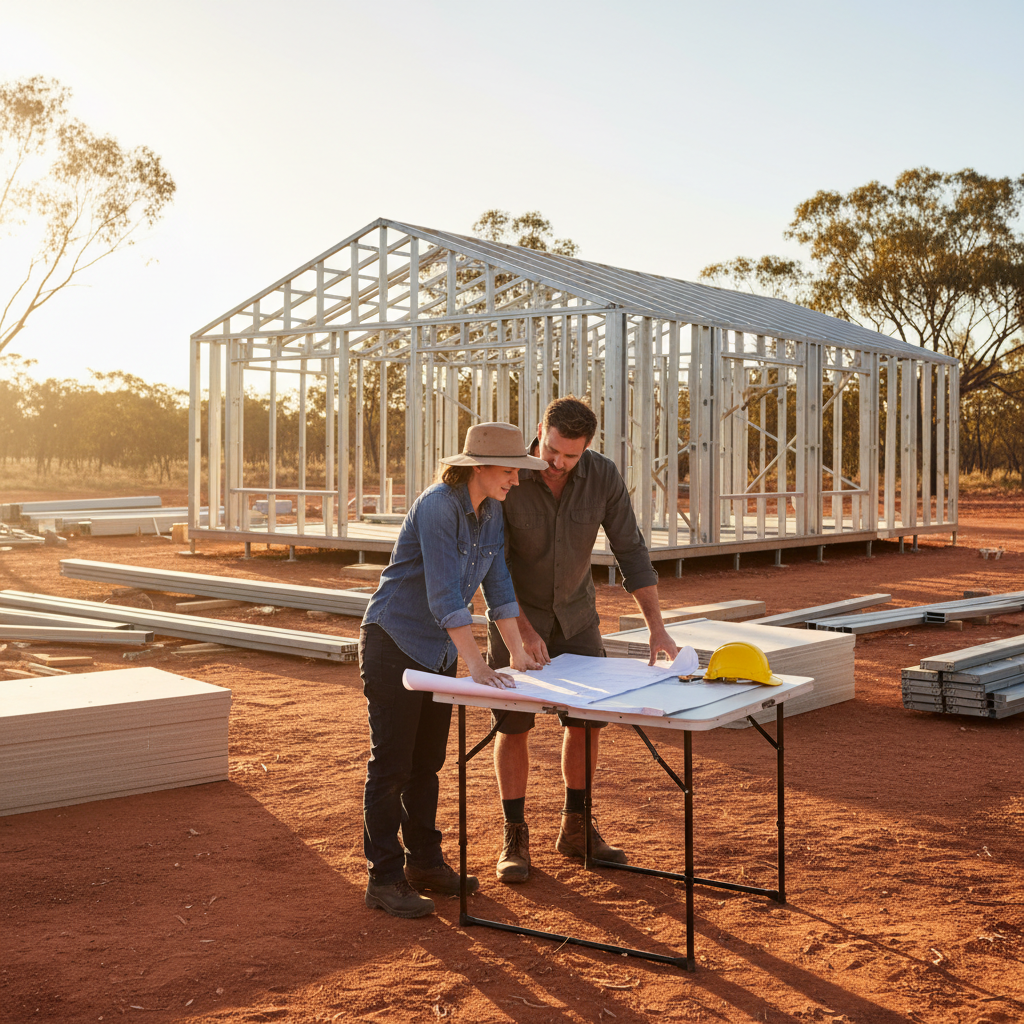
Traditional builds in remote, fire-prone areas are a logistical nightmare. You're paying for trades to drive two hours each way, and they'll charge you for every minute of it. When you go the kit home route, you're in control. The steel frames come out on the truck, numbered and ready to go. It's like a giant Meccano set for grown-ups. For a DIY enthusiast, this is the gold standard. You aren't standing there with a drop saw trying to figure out compound mitres for a roof truss. The engineering is done for you.
So, why steel? Because it's predictable. Timber moves. It twists, it shrinks, and it burns. Steel is stable. It stays where you put it. When the wind is howling at 90 kliks an hour during a summer storm, you want to know those trusses aren't going anywhere. The connection strength of steel-to-steel screwing is significantly higher than nails in timber. It's a structural fact that is hard to argue with when you're looking at the long-term health of your home.
Building your own place is a massive crack at the Australian dream. Doing it in the bush with a steel frame kit is just smart. You get the fire resistance you need to satisfy the bureaucrats at council, the termite protection you need to keep the house standing, and a straight, true frame that makes the fit-out a breeze. Just make sure the kettle is working and the fridge is stocked with cold water before the frames hit the ground, because once you start, you'll be too keen to stop.