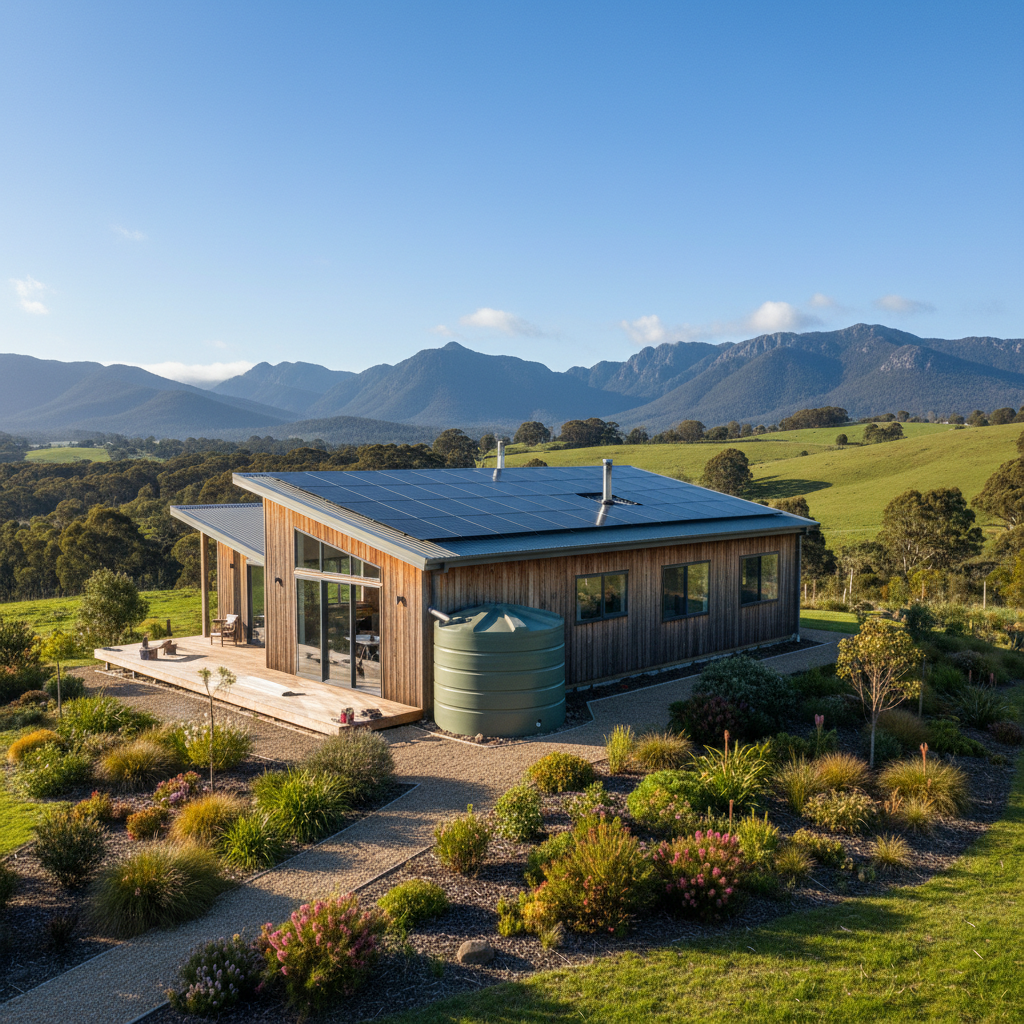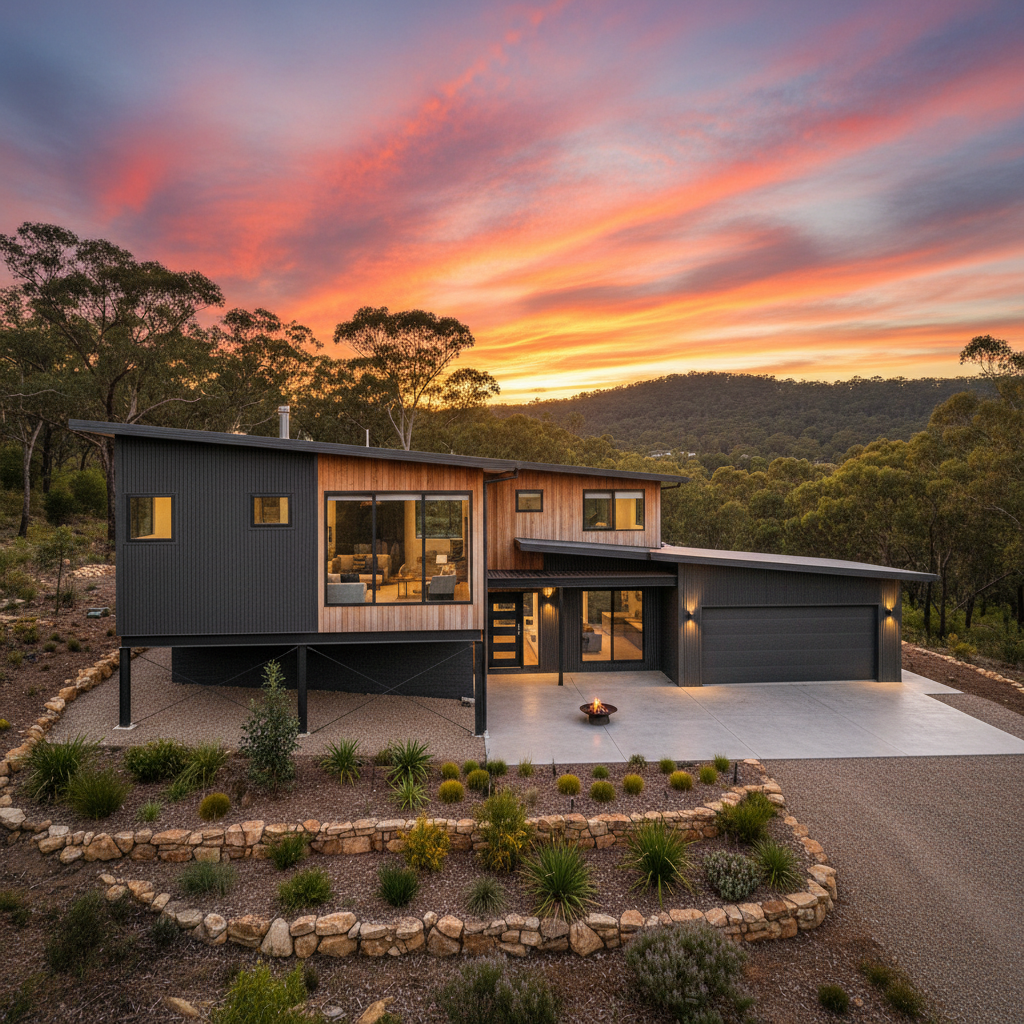
Building a kit home in Australia used to be about getting a roof over your head for a decent price. Simple. But walk into any local council office from the Blue Mountains to the Adelaide Hills today and the first thing they'll talk about isn't your floor plan. It's your BAL rating. Bushfire Attack Level. If you're building in the scrub, your choice of framing material isn't just a structural decision. It's a survival one. Most people think about the outside stuff, the ember guards and the toughened glass. They forget what's holding the whole thing together.
I've seen plenty of sites after a fire has roared through. It's a grim sight, but it teaches you a lot about how heat behaves. Timber frames provide fuel. That's just physics. Once a fire gets into the wall cavity of a traditional build, it's game over. The house burns from the inside out. This is where steel changes the math. We use TRUECORE steel from BlueScope because it's non-combustible. It doesn't mean your house is a magic bubble, but it means you aren't adding a giant pile of kindling to the fire's appetite.
The Reality of BAL Ratings and Steel
If you're an owner builder, you've probably already stared at a map with red zones and numbers like BAL-12.5, BAL-29, or the dreaded BAL-FZ (Flame Zone). The NCC Volume 2 outlines exactly what you can and can't do in these areas. For anyone in a high-risk spot, steel frames are a logical starting point. Since steel doesn't burn, it won't contribute to the fire load of the building.
But here's the kicker. Even if the fire doesn't touch your house, the radiant heat is a killer. It can warp things. It can crack glass. Because steel is engineered to precise specs, it handles it differently than wood. It stays stable. It's predictable. You aren't worrying about the frame shrinking or twisting as it dries out over ten years either. It’s straight the day you bolt it to the slab and it stays that way after a heatwave.
Owner Builders and the Ease of Assembly
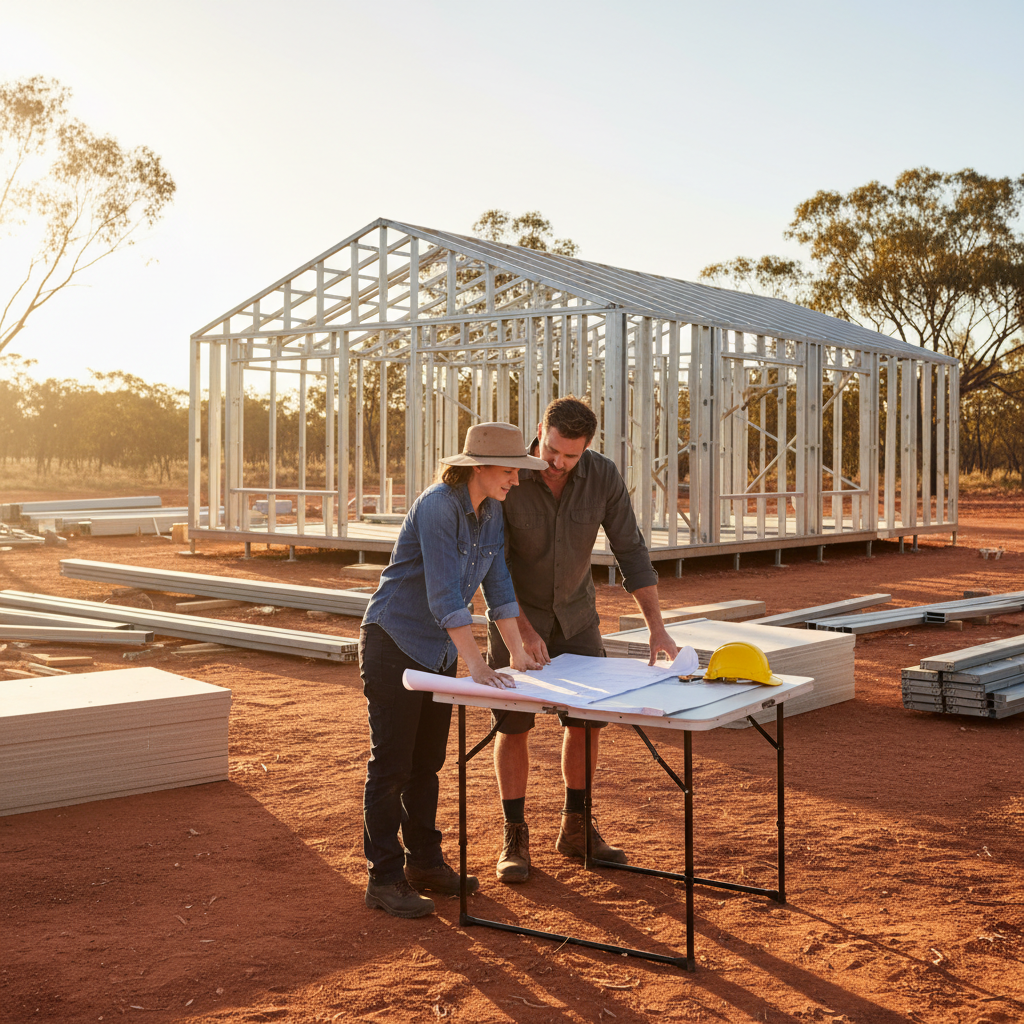
You’re standing in the middle of a dirt patch, the sun is beating down, and the delivery truck has just dropped off your kit. If you're doing this yourself, every kilo matters. Steel frames are lighter than hardwood. Heaps lighter. You can lift a wall section into place with a mate instead of needing a crane for every little move.
Plus, all the holes for your services are usually pre-punched. Imagine standing there with a spade bit, sweating through your shirt while you try to drill fifty holes for a plumber through thick timber studs. No thanks. Steel kits come with those holes ready to go. It makes the rough-in much faster for your trades. And since we're talking about Australian kit homes, everything is designed for our conditions. We use steel that’s been tested in the local sun, not some import stuff that hasn't seen a 40-degree arvo in its life.
Termites Don't Eat Steel
While we're talking about things that destroy houses, let's look at the slow-moving fire: termites. In most parts of Australia, it's not a matter of if, but when. I've seen blokes shell out thousands on chemical barriers every few years. It’s a headache. Steel frames are 100 percent termite proof. They don't need the poisons. You still need to manage your slab and your inspections, obviously, but the structural integrity of the house isn't on the menu for the local white ants. It's peace of mind you can't really put a price on when you're lying in bed at night listening to the bush noises.
Practical Tips for Choosing Your Kit
When you start looking at designs, don't just look at where the sofa goes. Look at the roofline. In bushfire areas, simple is better. You want fewer places for embers to settle.
- Check the cladding specs. Just because the frame is steel doesn't mean you can put any old weatherboard on it. Stick to non-combustible materials like fibre cement or steel cladding.
- Windows matter. In a BAL-40 zone, you'll need specific glass and metal screens. Make sure your kit provider understands these requirements before you sign off.
- Gutter guards are not optional. If your gutters fill up with dry leaves, your steel frame will survive, but your roof might not. Get the good stuff that keeps the grit out.
The Construction Side of Things
You'll hear some old-school chippies moan about steel. They say it's hard to work with or you can't hang a picture. That's rubbish. You just need the right tools. Get yourself a good impact driver and a box of self-tapping screws. If you want to hang a heavy TV or those chunky floating shelves, just plan ahead. You can screw in some noggins or use heavy-duty toggles. It’s not rocket science, it’s just different.
Working with a kit means the engineering is done. The trusses are calculated. The bracing is sussed out. You aren't guessing. This is huge for owner builders who might be nervous about the structural side of things. You follow the plans, bolt the components together, and it works. It’s a system. And in Australia, where labour costs for custom builds are through the roof, being able to do a big chunk of the assembly yourself saves a fortune.
Why Australian Made Matters
We specify TRUECORE steel for a reason. It’s made by BlueScope here in Australia. It’s coated in a special alloy that prevents corrosion. If you’re building near the coast, this is non-negotiable. Salt air eats cheap metal for breakfast. You want something that’s going to last fifty years, not five.
Buying an Australian-made kit also means you can actually pick up the phone and talk to someone who knows the local council requirements. If your certifier in Wagga Wagga asks a funny question about the tie-downs, you want an answer that matches the Australian Standards like AS 4100. You don't get that with overseas imports.
Final Thoughts for the DIY Crowd
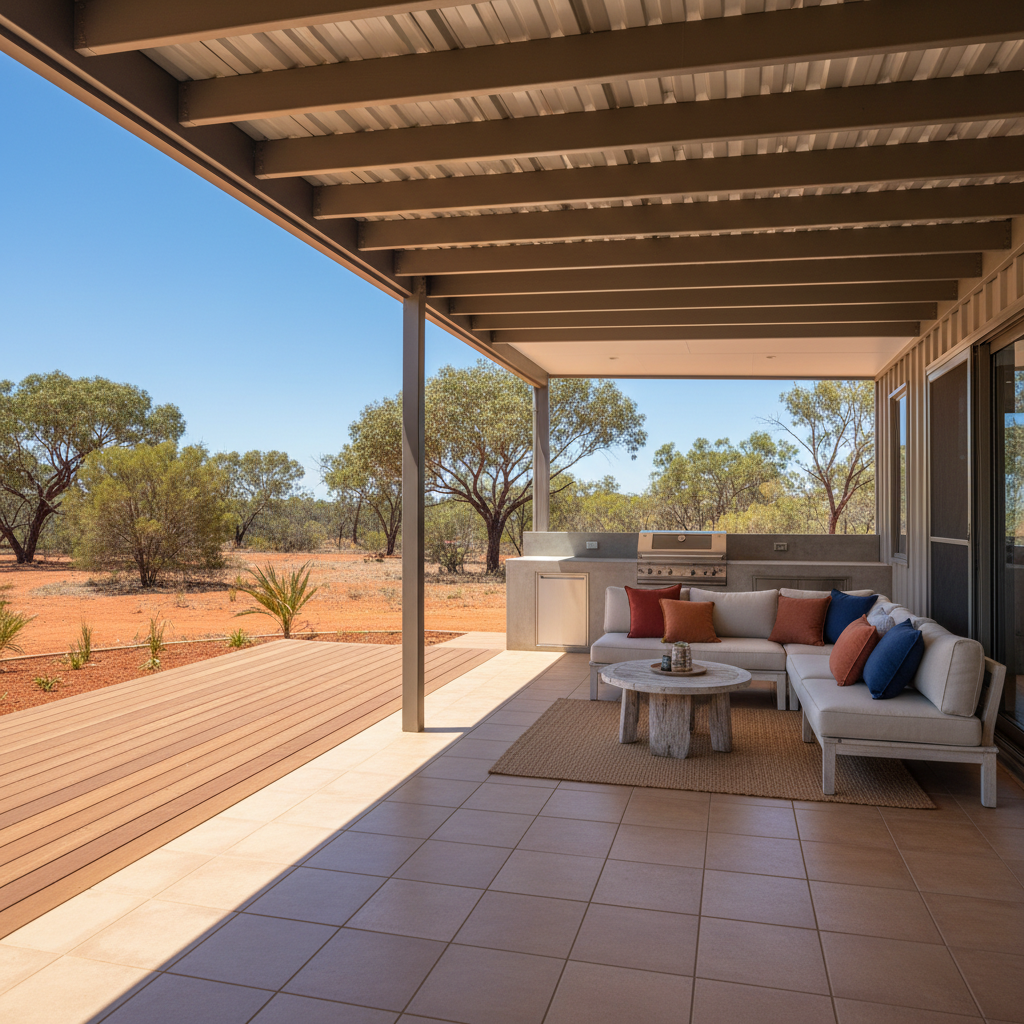
Building your own home is a massive undertaking. It’s stressful, it’s dirty, and you’ll spend more time at Bunnings than you will with your family for a while. But sitting on that deck when the sun goes down, knowing you built the walls yourself? That's the stuff.
Choosing a steel frame kit home is about being smart with your risk. You're building for the future of the Australian climate. We know it gets hot. We know the fires are getting worse. So why would you build with a material that wants to help the fire along? Use your head. Choose materials that are light, strong, and won't get chewed by ants or scorched by embers. It’s the best way to make sure your hard work is still standing in thirty years.