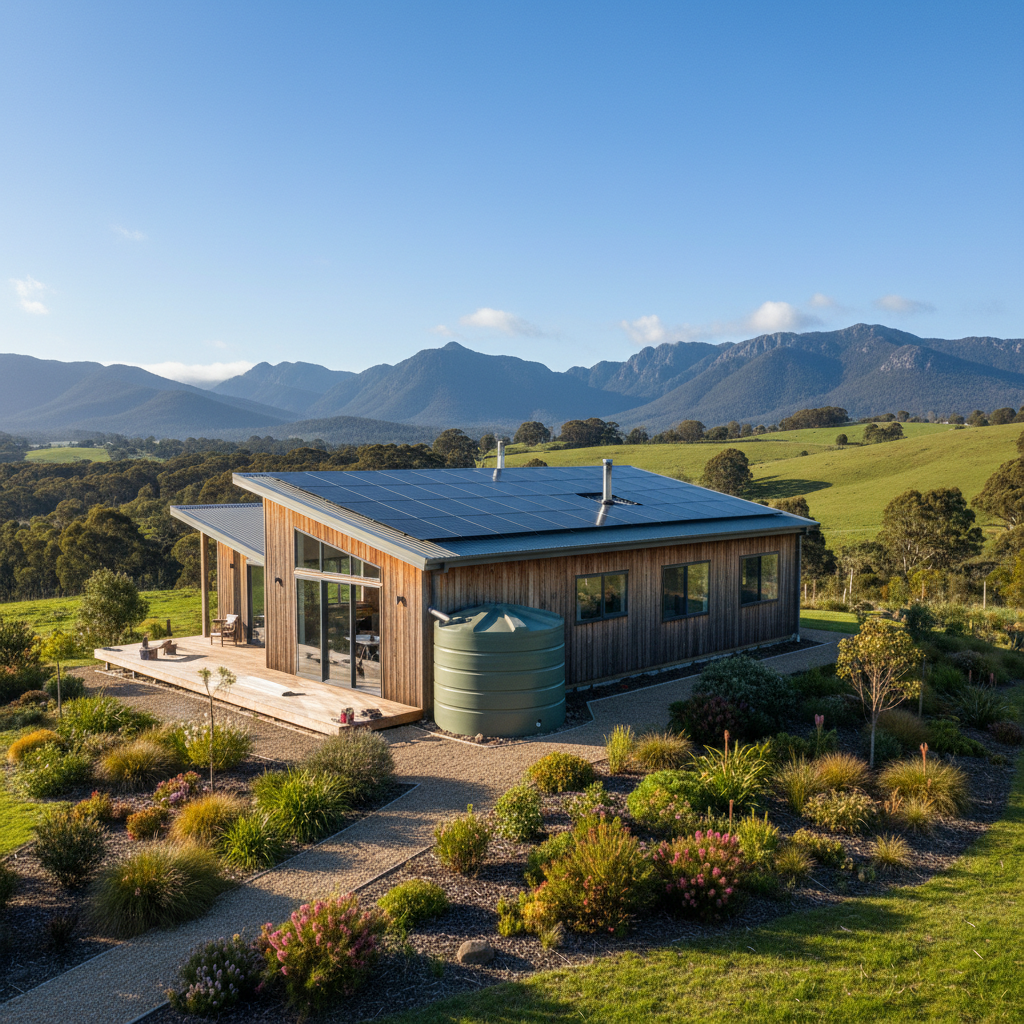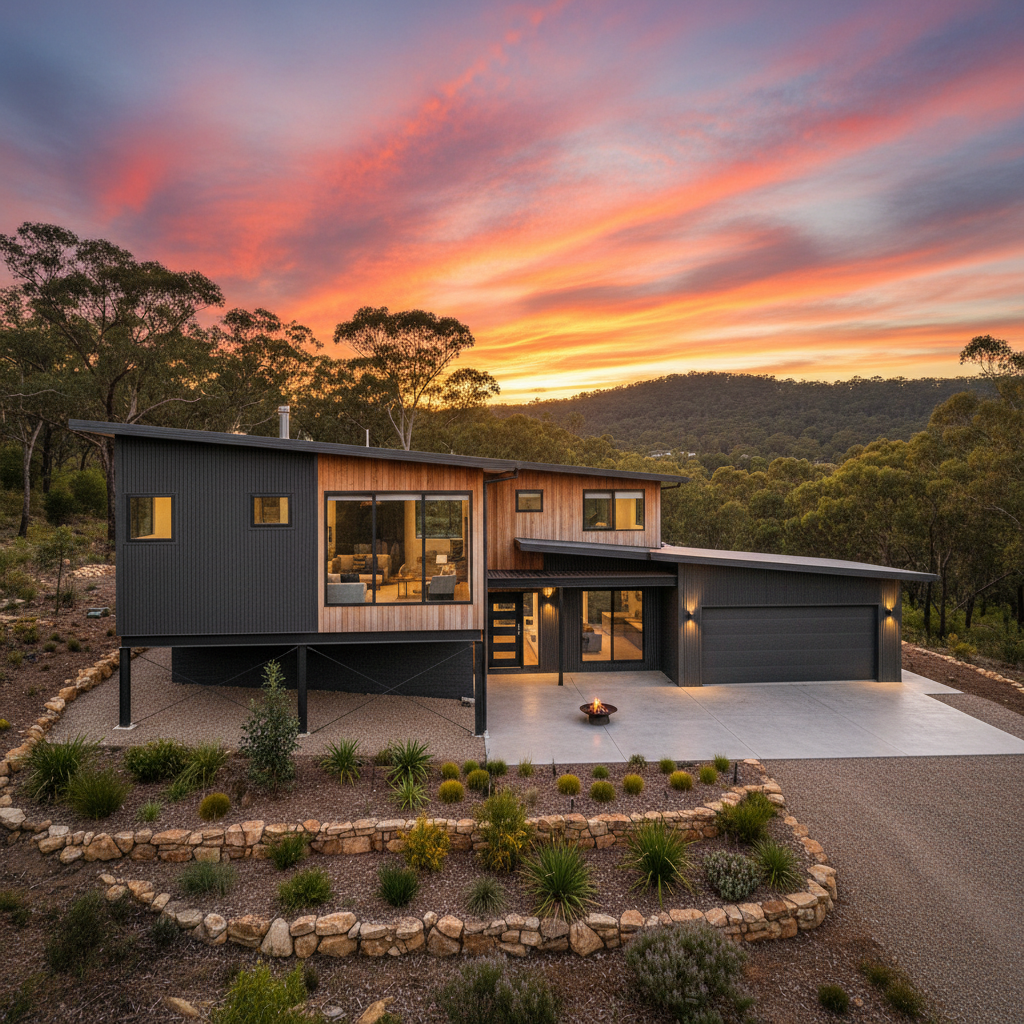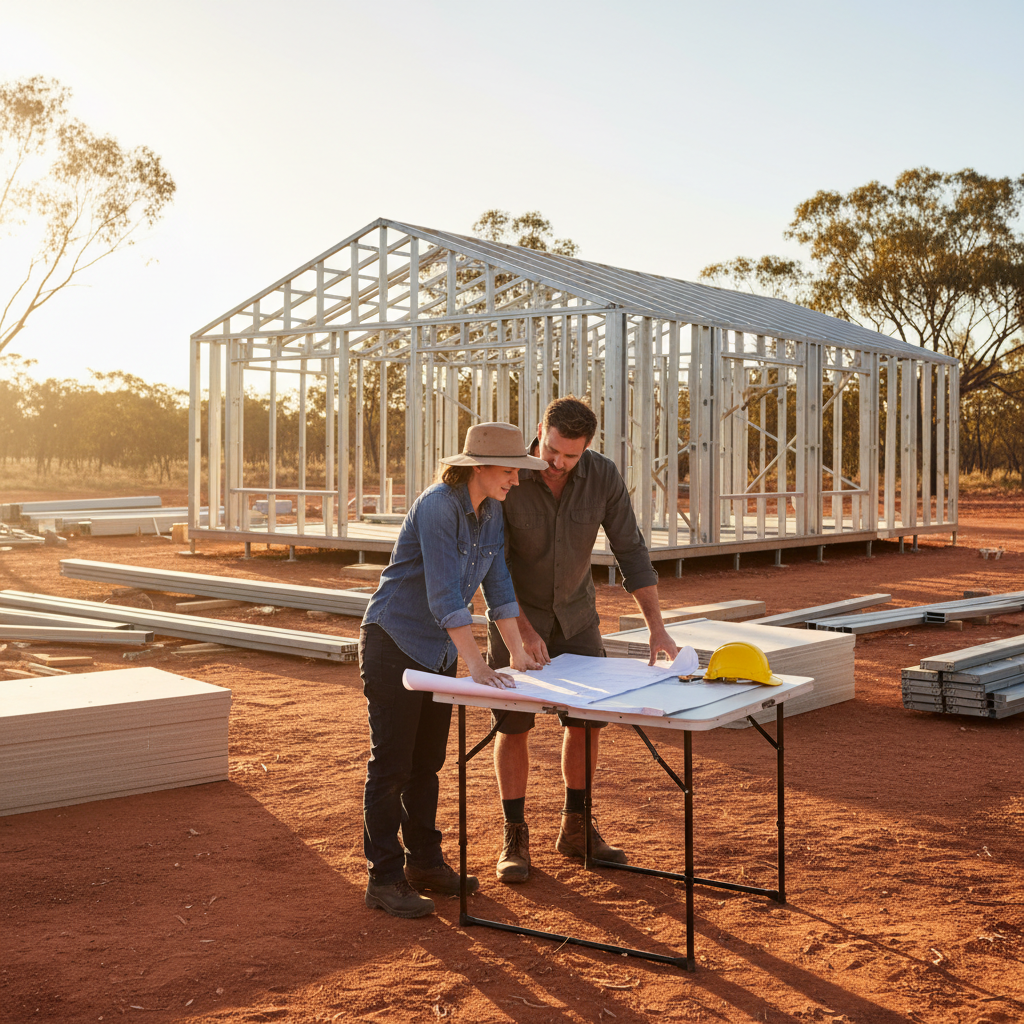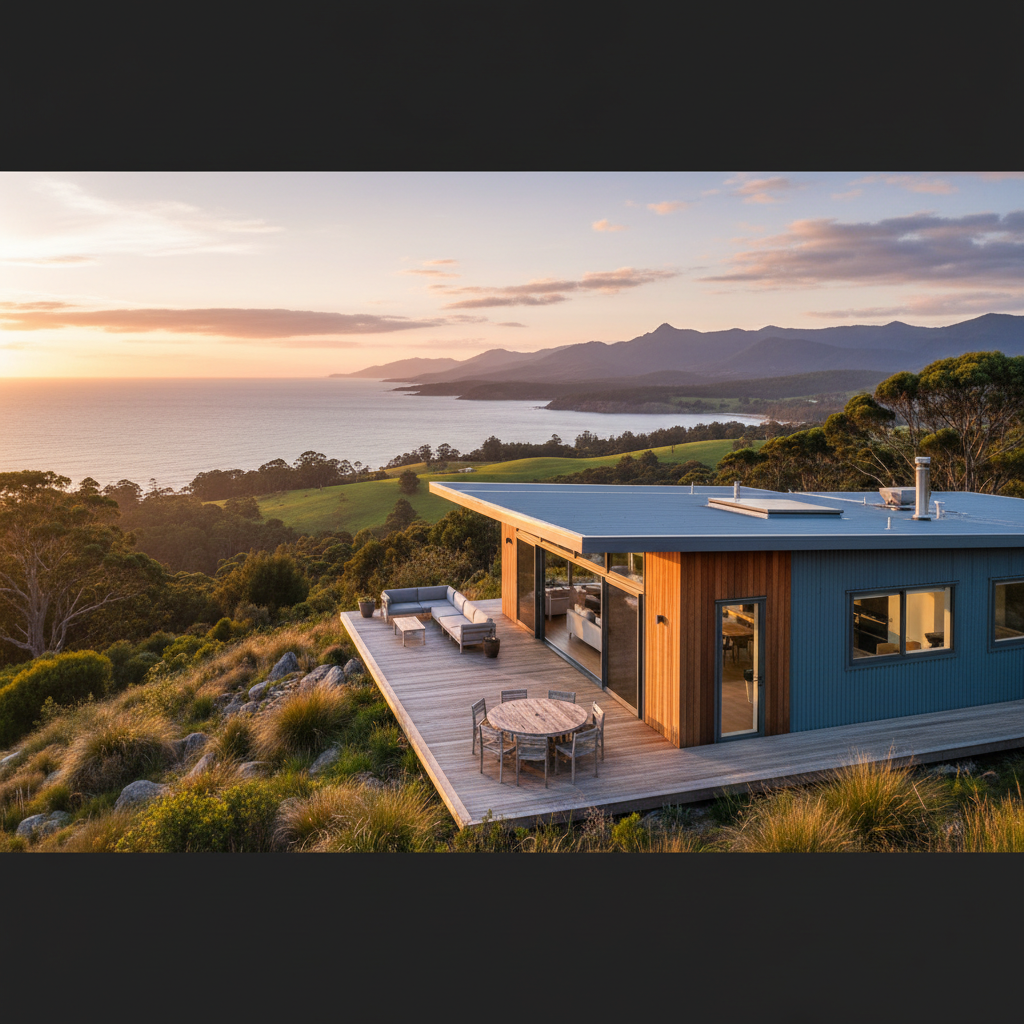
I was standing on a slab in outer Gippsland last February, mid-heatwave, watching a bloke try to kick a warped pine wall stud back into alignment. It was over 40 degrees. The timber had sat out in the sun for three days and looked more like a recurve bow than a structural member. That's the moment I usually tell people to stop wasting their time. If you're building a kit home in Australia, you're fighting the sun, the bugs, and the humidity every single day. Timber doesn't like those odds. BlueScope TRUECORE steel, on the other hand, doesn't care if it's 42 degrees or pouring rain. It stays straight.
The Termite Tax is Real
Down in the suburbs, people forget that most of Australia is basically one giant termite buffet. If you build with wood, you're just providing a very expensive snack. Sure, you can pump the soil full of chemicals or install physical barriers, but those systems fail. All it takes is one hairline crack in a pipe penetration and the 'white ants' are in. I've seen frames in Queensland where the structural integrity was about as solid as a wet weet-bix because termites had eaten the heart out of the studs without leaving a mark on the drywall. Using steel frames means you can sleep at night. They aren't appetizing. A termite will walk across a TRUECORE joist and keep moving because there's nothing there for it to digest. It's a one-time insurance policy that lasts the life of the home.
Straight Walls and Why They Matter for Your Finishes
Most owner-builders get excited about the big stuff like the roof going on, but the real pain starts during the fit-out. If your frame has twisted because it's been sitting on site during a wet week, your plasterboard won't sit flush. You'll end up with 'nail pops' and wavy cornices that look like a dog's breakfast when the afternoon sun hits them. Steel is precision-engineered. When it comes off the roll and gets punched out, it's millimetre-perfect. This makes your life ten times easier when you start hanging doors or installing kitchen cabinetry. You aren't shimming things out or or planning back studs just to get a flat surface. It's straight on day one and it's straight in year twenty.
But it isn't all sunshine and roses. Steel behaves differently than wood. If you want to hang a heavy mirror or a flat-screen TV later on, you can't just drive a wood screw in anywhere. You need to know where your noggins are, or use the right cavity toggles. We tell our customers to take heaps of photos of the frames before the insulation and plaster go in. Trust me, you'll thank yourself later when you're trying to find a solid fixing point for a towel rail in the ensuite.
The Fire Rating Factor
If you're building in a Bushfire Attack Level (BAL) zone, which is pretty much anywhere with a stray gum tree these days, steel is your best mate. It's non-combustible. While the NCC Volume 2 has strict rules about windows, decks, and roof venting in fire-prone areas, having a steel skeleton gives you a massive head start on safety. It won't contribute fuel to a fire. Period. Plus, it's lighter than timber. That might not sound like a big deal until you're three hours into a Saturday morning and you're manhandling wall sections into place with your brother-in-law. You won't need a crane for every little lift, which keeps the budget from blowing out on plant hire.
What About Corrosion?
People ask about rust. It's a fair question, especially if you're building near the coast where the salt spray is thick. TRUECORE steel has a galvanized coating that's designed for our conditions. Unless you're literally building on the high-tide mark where the waves are hitting the walls, the zinc-aluminum alloy coating does its job. It's the same tech that keeps your Colorbond roof from falling apart. Just make sure you aren't leaving swarf (those little metal shavings from drilling) sitting in the tracks. Sweep them out or vacuum them up. If they get wet and sit there, they'll stain, and that's just sloppy workmanship.
A Different Way of Thinking About Kits
A lot of people think 'kit home' and imagine those old-school timber cabins. That's not what we're doing here. This is high-tech construction that just happens to be delivered in a bundle. Some folks get confused and start asking about those homes that arrive on the back of a semi-trailer in two pieces. We don't do that. Those are whole different beasts with their own transport headaches and site access nightmares. Our kits are built on your slab, piece by piece. It's proper building, just with the thinking work done for you beforehand. You get the frames, the trusses, the cladding, and the windows. You're the boss of the site, but we provide the bones.
And let's talk about the environment for a sec. Steel is 100% recyclable. Every scrap that's left over from the manufacturing process goes back into the furnace. When you're building with timber, there's a lot of waste - offcuts that end up in a skip bin or burnt in a pile out the back. With a pre-punched steel kit, the waste on site is almost zero. Everything is cut to length. It’s a cleaner site, which usually means a safer site.
Tips for the Savvy Owner-Builder
Before you jump in, here's a few things I've picked up over the years:
- Identify your trades early. Get an electrician who has worked with steel frames before. They need to use plastic grommets in the pre-punched holes so the wires don't chafe on the metal edges. Most sparkies are fine with it, but the old-school blokes might moan.
- Invest in a good impact driver and a bulk pack of tech-screws. You'll be driving thousands of them. Don't go cheap on the bits either; a stripped screw head at 4pm on a Friday will ruin your mood real fast.
- Check your slab levels. Steel is unforgiving. If your concrete is out by 20mm, the steel frame won't just 'soak it up' like timber might. Get your slab right, and the rest of the build will flow like a dream.
- Don't forget the thermal break. Because steel conducts heat, the BCA requires a thermal break between the frame and the external cladding. It's a simple strip of high-density foam or similar material, but it's vital for keeping the house cool in summer and warm in winter.
The Real Cost of Quality
Building your own home is an ego trip for some and a necessity for others. But regardless of why you're doing it, you don't want to be doing it twice. I've seen kit homes built in the 80s with cheap pine that are literally sagging in the middle. They look tired. They feel soft. A steel-framed home feels stiff. When the wind picks up during a winter storm, you don't hear the house creaking and groaning like an old wooden ship. It’s solid. That's the TRUECORE difference. You're building a legacy, not just a shelter. So, do yourself a favor: skip the timber yard and stick with the blue steel. You'll thank me when the first termite inspection comes around and the inspector has nothing to do but drink your coffee and tell you the house looks great.