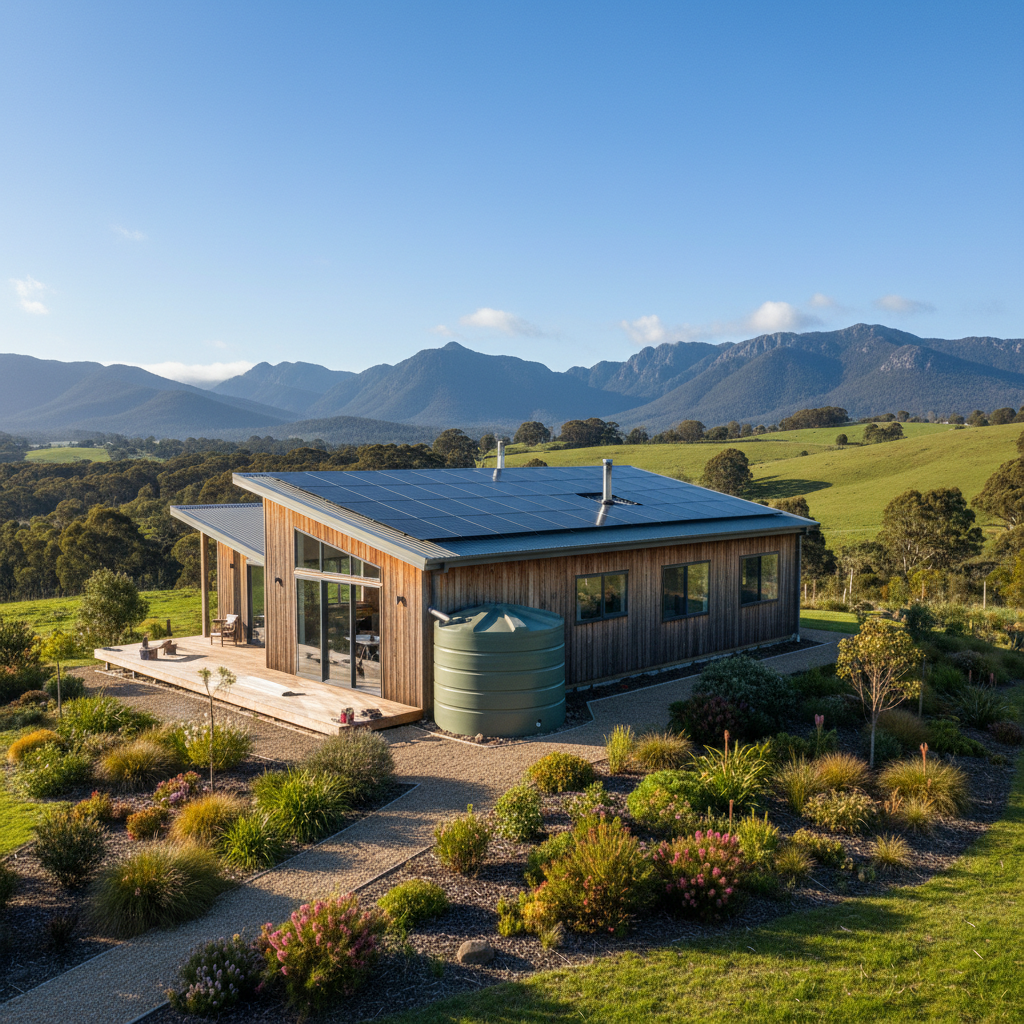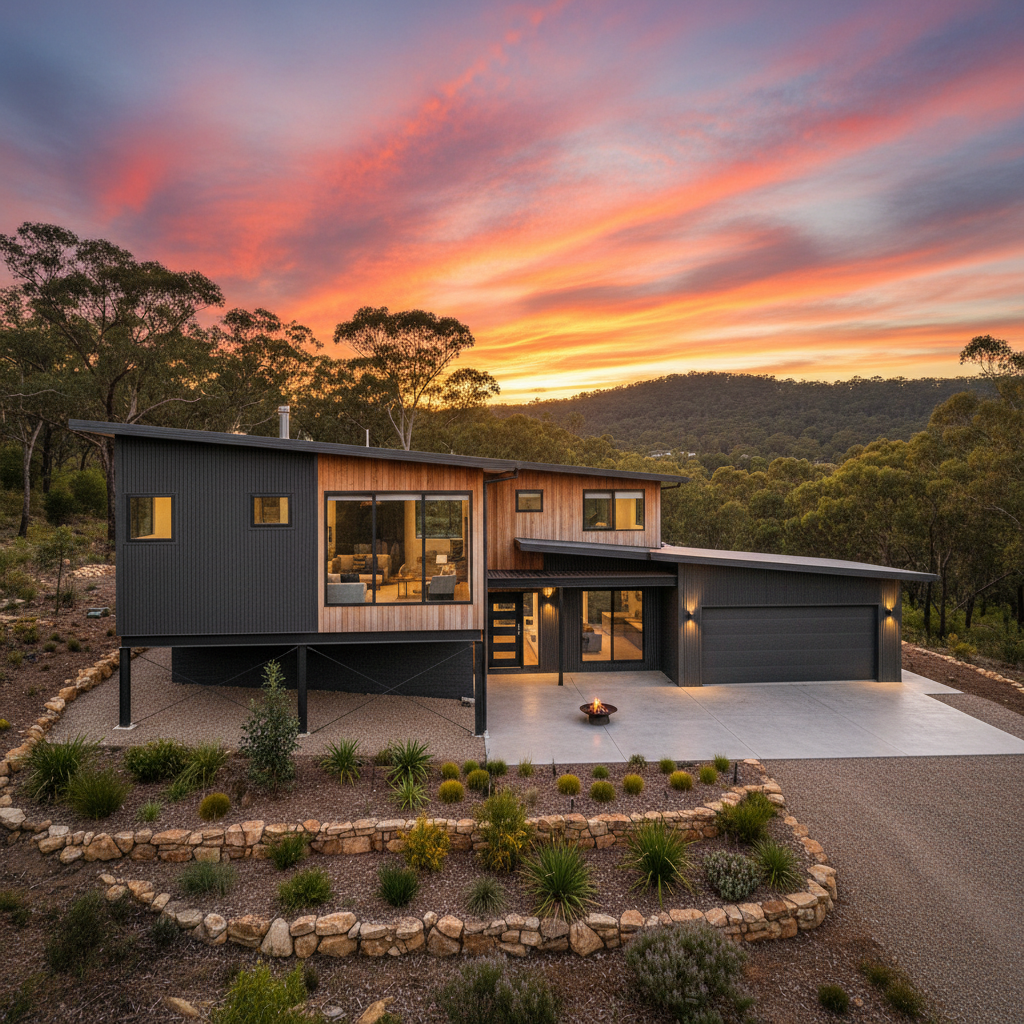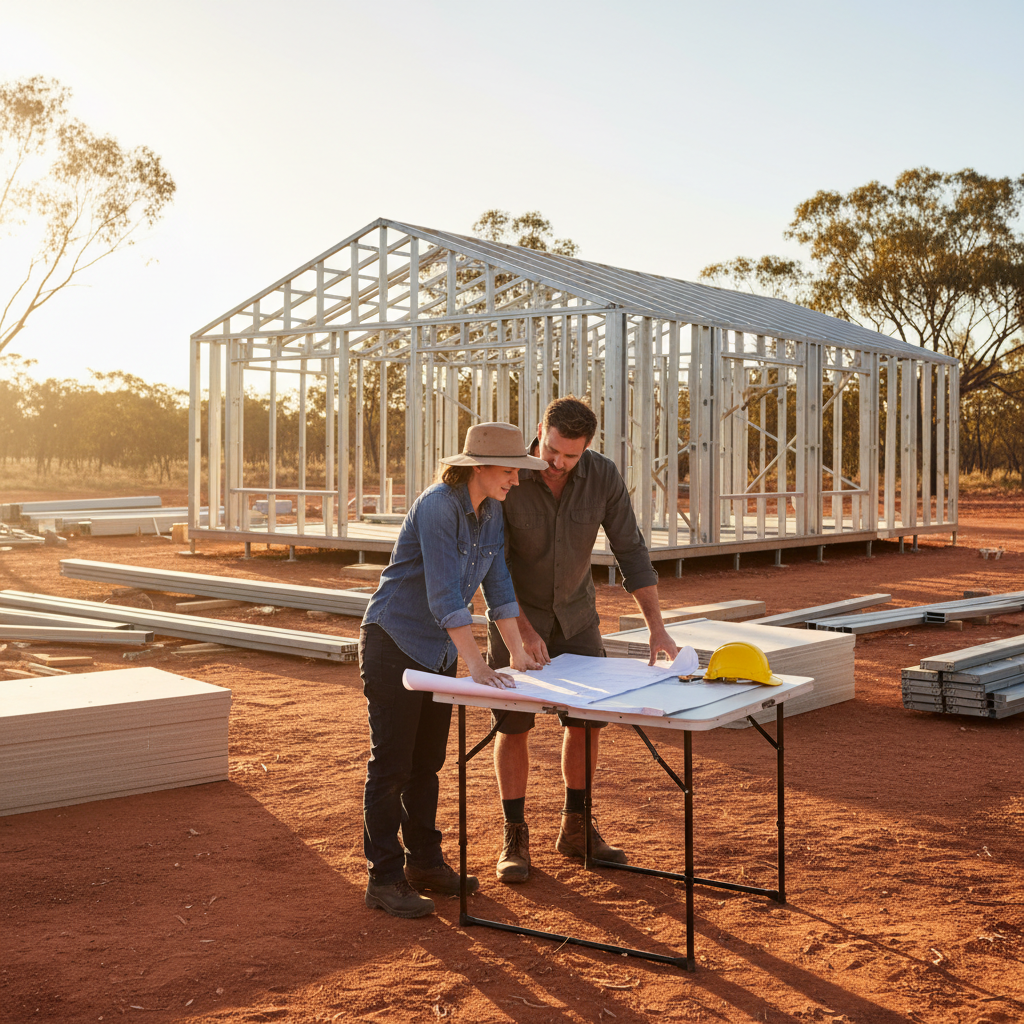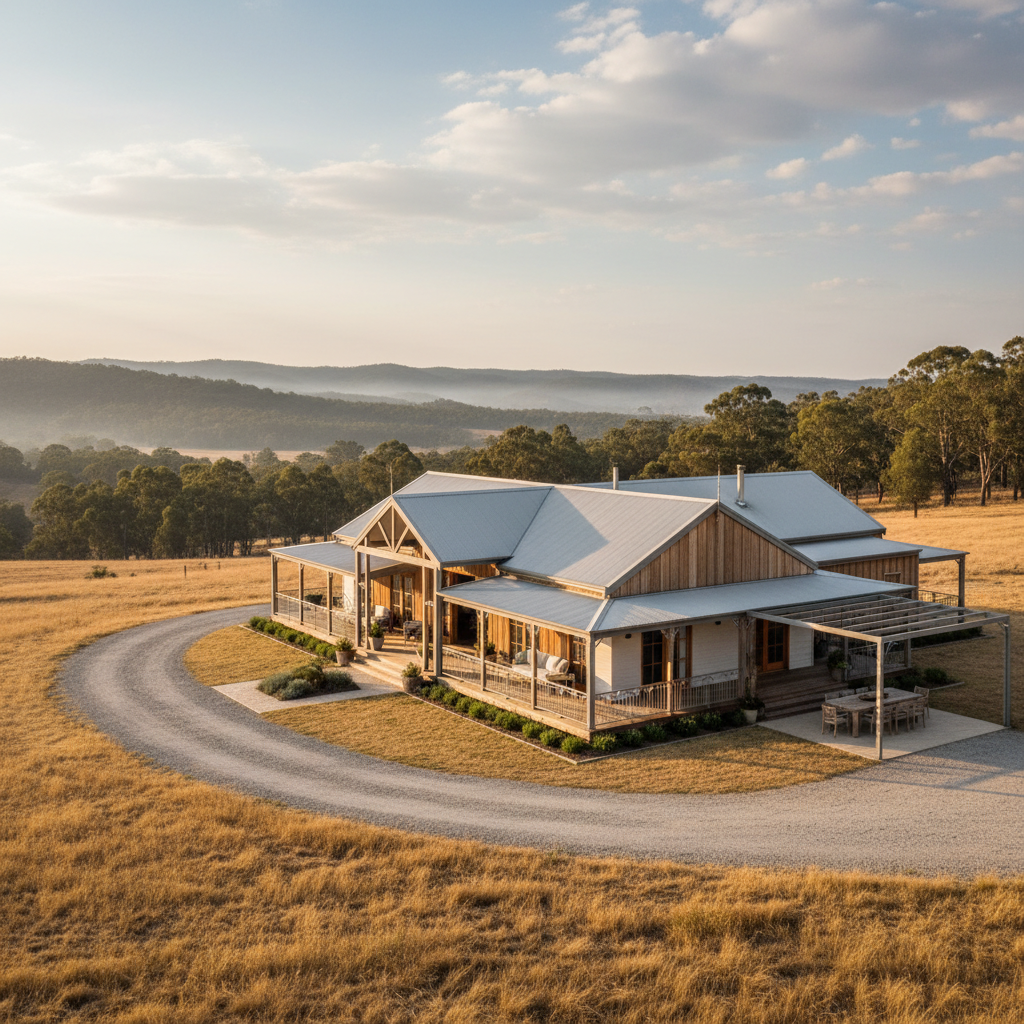
I remember standing on a slab in Gippsland back in 2009, just after the fires had gone through. Everything was charcoal. But there was one house left standing, or at least the skeleton of it was. The timber roof was gone, the windows were blown out, but that steel frame was still upright, holding onto its shape like a stubborn dog with a bone. That stayed with me. When you're building a kit home in Australia, you aren't just choosing a floor plan. You're choosing how you sleep when the wind picks up or when the termite inspector comes knockin'.
The Termite Reality Check
Let's be dead set honest about termites. In most parts of Australia, it's not a matter of if they'll find your house, it's a matter of when. You can pump as many chemicals into the soil as you want, or install those little plastic bait stations every few meters, but hungry Subterranean termites are relentless. They'll find a way through the tiniest crack in a slab or build a mud tunnel over an ant cap while you're away on holiday.
BlueScope TRUECORE steel is 100 percent termite proof. Not termite resistant. Proof. There is a massive difference. Because it's an inorganic material, the little buggers can't eat it. If you build with timber, even H2 treated stuff, you're constantly on the clock. You've got to keep your inspections up to date or your warranty is worth about as much as a wet paper bag. With a site-assembled steel kit, the frame itself is your primary defense. It takes the stress out of the equation. Plus, you don't have to worry about the chemicals used in timber treatments leaching into your plasterboard or your vegetable patch outside.
Straight Lines and the 2mm Rule
If you've ever tried to hang a door in an old timber house, you know the pain. Timber moves. It twists, it cups, and it bows as soon as it gets a bit of moisture from a humid Queensland afternoon or dries out in the Perth heat. Steel doesn't do that. When we talk about kit homes, precision is everything. You want a frame that stays dead straight so your windows don't stick and your cornices don't crack two years down the track.
Because TRUECORE is cold-rolled and manufactured to tight tolerances, you're working with something that's square. Actually square. Not "tradie square" where you hope the architraves will hide the gap. This makes life way easier for the owner builder. You aren't spent hours on site with a plane or a power saw trying to fix a crooked stud. It's a massive win for the finish of the house. Your kitchen cabinets will actually sit flush against the wall. It sounds like a small thing, but when you're the one doing the fit-out on a Saturday morning, it's a blessing.
Handling the Weight on Site
One thing people forget is how heavy timber can be, especially treated hardwood. If you're building a kit home yourself, your back will thank you for choosing steel. It's light. Really light. You can walk a five-meter wall section into place with a mate and not feel like you've done ten rounds with a heavyweight boxer. Don't let the weight fool you, though. It's got an incredible strength-to-weight ratio. We use it because it lets us design wider spans and bigger open-plan living areas without needing massive, expensive lintels or beams that weigh a ton.
The Fire Rating Factor: BAL Ratings and Reality
If you're building in a Bushfire Attack Level (BAL) zone, steel is a non-negotiable for many. According to AS 3959, the requirements for building in bushfire-prone areas are strict. Steel is non-combustible. It won't contribute fuel to a fire. While the rest of the house components like windows and decking need to meet specific ratings, having a steel frame gives you a massive head start on your safety margins. It won't ignite from an ember landing in the wall cavity. That's peace of mind you can't buy at a hardware store.
Working with the Material: Tips for the Owner Builder
Now, it's not all rainbows. You've got to know how to handle the gear. Steel frames require a different mindset than wood. For starters, get yourself a good quality impact driver and a bulk pack of wafer head screws. Don't buy the cheap ones; they'll snap the heads off and drive you mental.
- Service Holes: Most quality kits come with pre-punched holes for your sparky and plumber. This is a huge time saver. Just make sure you use the plastic grommets provided so the wires aren't rubbing on the metal edges.
- Thermal Bridging: Steel is a conductor. It gets hot and cold. That's why we include thermal breaks and high-quality insulation in our kits. You can't just slap the cladding on and call it a day; you need that layer of protection to keep the home energy efficient and stop moisture from condensing on the inside of the studs.
- Hanging Stuff: This is where people get caught out. You can't just whack a nail into a steel stud to hang a heavy mirror. You need to plan your noggings if you're putting in something heavy, or use the right hollow-wall anchors. It's a different way of thinking.
I saw a bloke out near Dubbo last year who was convinced steel was too hard for a DIY job. He changed his tune once he saw the flat-pack frames arrive with everything numbered. It's like an oversized Lego set for adults. Except this one's backed by a 50-year BlueScope warranty. You aren't just building for yourself; you're building for whoever owns the place in 2074.
The Environmental Angle (Without the Fluff)
People talk a lot about green building, but the reality on a building site is often messy. Timber waste is huge. Offcuts, sawdust, warped boards that get chucked in the skip. With a steel kit, the waste is practically zero because everything is pre-cut to length in the factory. And if there is a bit of scrap, steel is 100 percent recyclable. You take it to the scrap yard and get a few bucks for it rather than paying for a landfill bin. It's just more efficient.
Also, think about the lifespan. A house that lasts longer is inherently more sustainable. If you don't have to rebuild it because the termites haven't turned it into Swiss cheese, you're ahead of the game. TRUECORE is designed specifically for the Australian climate. It handles the salt air better than cheap imports and it won't rot if a pipe leaks behind the shower for six months before you realize it. Trust me, I've seen enough rotten timber floor joists to last a lifetime. Stipping back a bathroom to find the frame is still as shiny as the day it was installed? That's the dream right there.
Building your own place is a massive undertaking. It's stressful, it's dusty, and you'll probably have a few arguments over the kitchen tiles. But the framework of the house is the one thing you can't easily change later. Getting the skeleton right is the smartest move you'll make. Get the slab level, get the steel up, and the rest will fall into place much easier than you reckon.