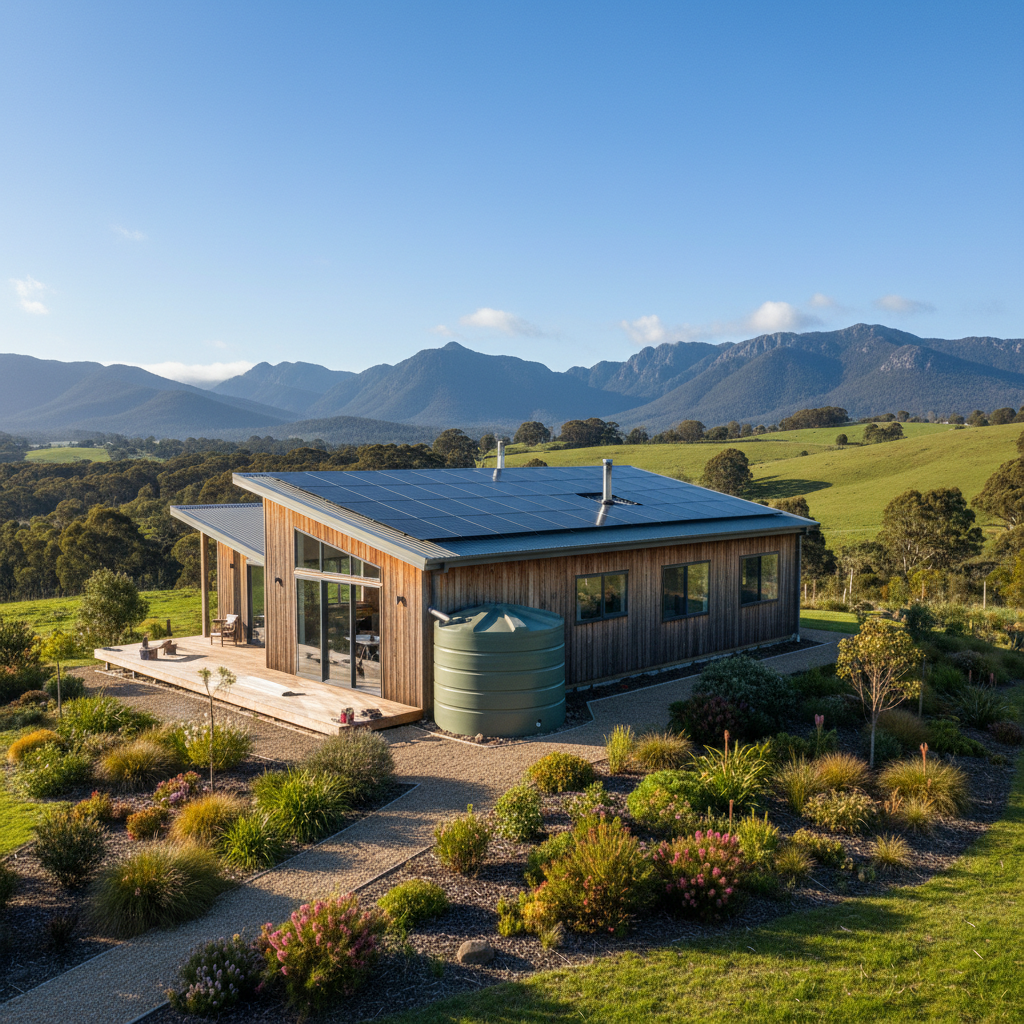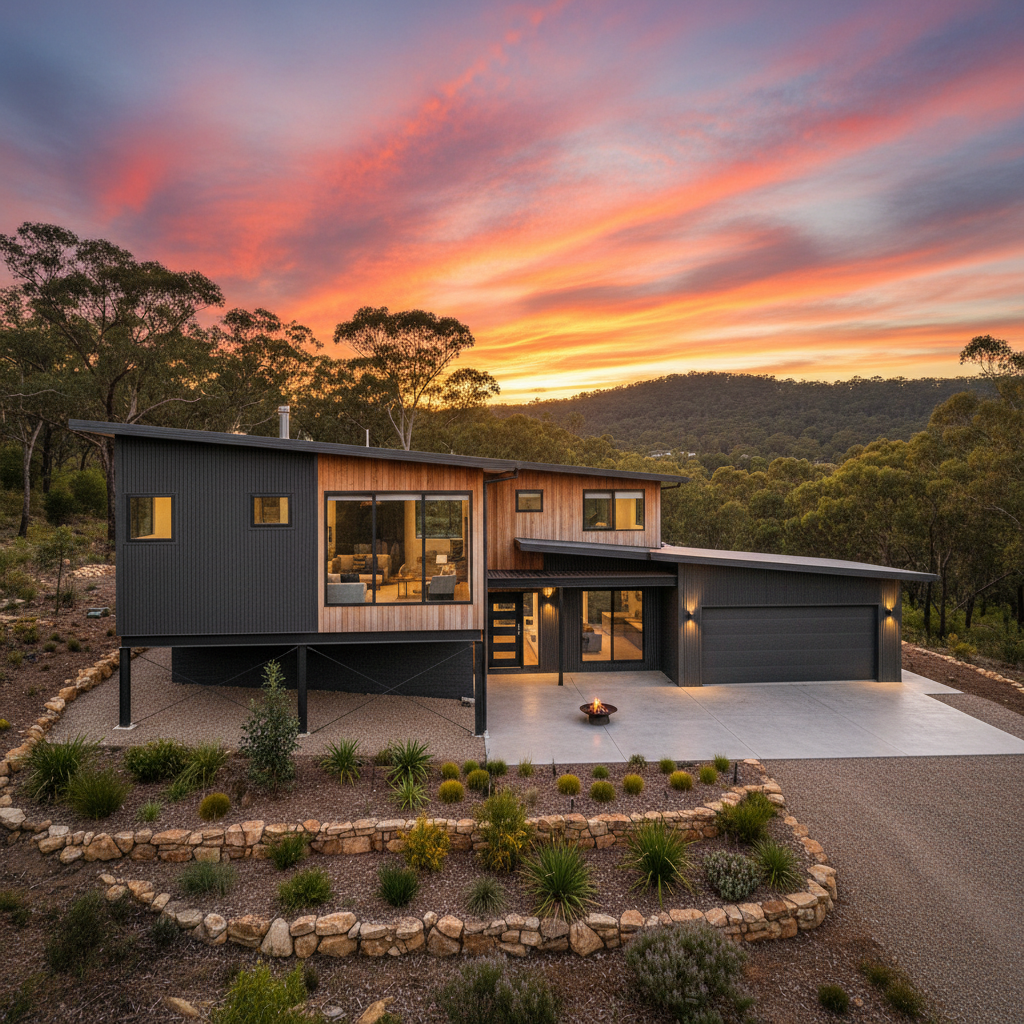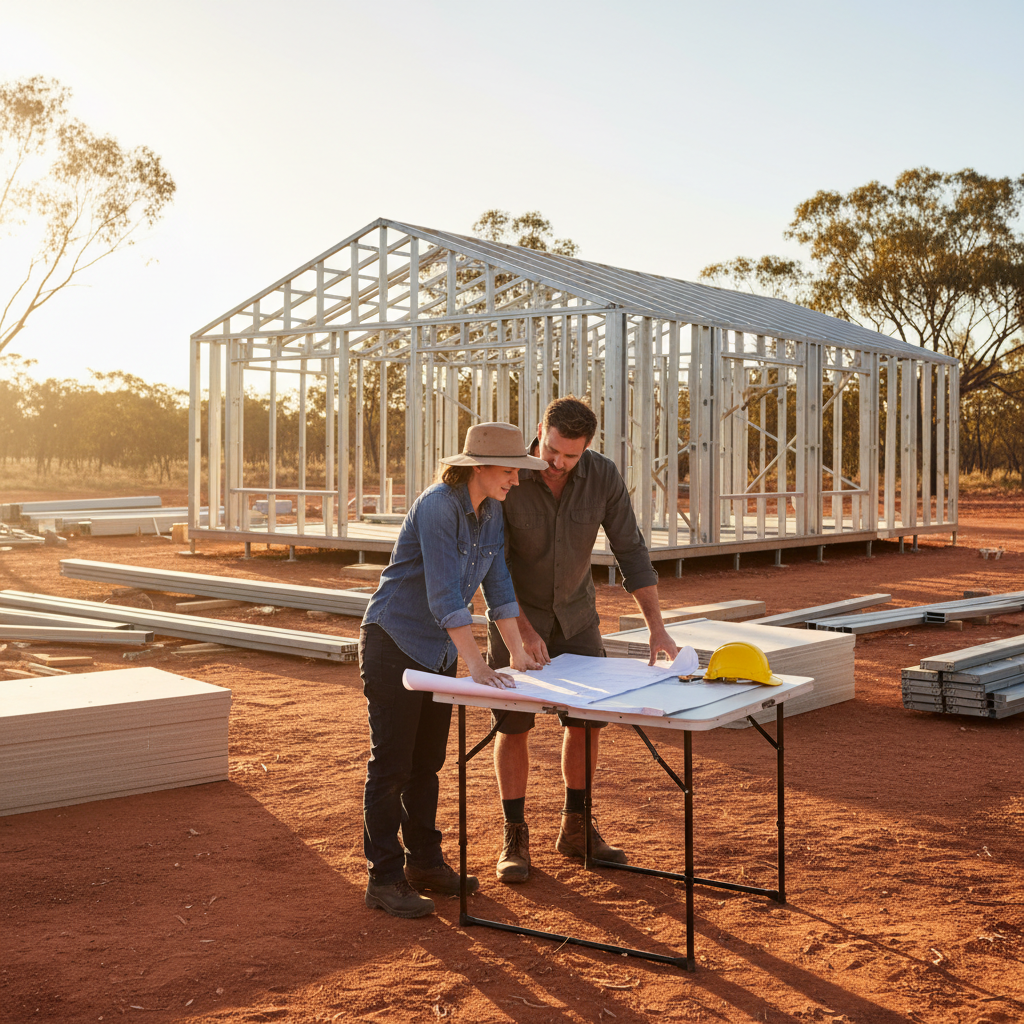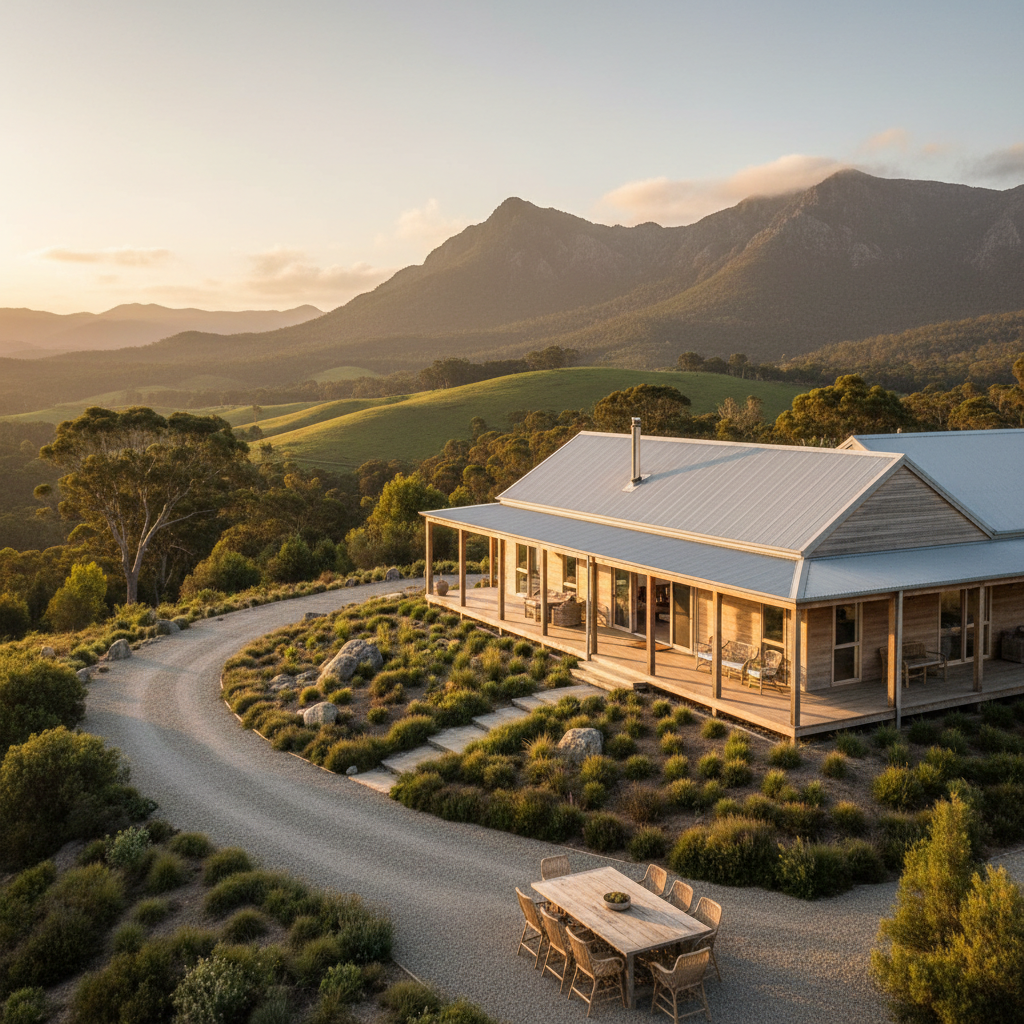
I remember standing on a ridge in the Lockyer Valley back in 2011, right after a nasty blow had come through. There was a shed about 300 metres from where it was supposed to be, crumpled up like a discarded beer can. The owner thought he'd saved a few grand by 'guessing' his wind rating. He guessed N2. The site was easily an N3 or even a low C1. That's the thing about kit homes in Australia. You can have the best BlueScope steel frames in the country, but if the engineering doesn't match the gust speed hitting your specific ridge or gully, you're building a kite, not a house.
The Technical Bits: AS 4055 and You
In Australia, we don't just wing it when it comes to wind. Everything falls under AS 4055, which is the standard for Wind Loads for Housing. It's a bit of a dry read, but it's the bible for what we do. Basically, the engineers look at where you're building and assign a code. N stands for non-cyclonic. C stands for cyclonic. If you're building in Melbourne or Sydney, you're almost certainly in an N zone. Heading up past Gladstone or into the Top End? You're looking at the C scales.
It's not just about the town name, though. It's about 'topographical effects'. If you're perched on the edge of a cliff in the Blue Mountains, the wind accelerates as it hits the face and shoots over your roof. This is called 'wind speed-up'. On the flip side, if you're tucked away in a dense suburb in Western Sydney surrounded by other houses and big gum trees, you've got 'shielding'. That shielding drops your rating down, making the build simpler and often cheaper because you don't need as many tie-down points.
Breaking Down the N Ratings (N1 to N6)
Most kit homes we see go out the door as N2 or N3. N1 is pretty rare these days, usually reserved for flat, suburban blocks with houses everywhere around them. Here's a quick look at the speeds we're talking about:
- N1: 34 metres per second. It's a stiff breeze in the scheme of things.
- N2: 40 metres per second. This is the 'standard' suburban rating.
- N3: 50 metres per second. Now we're getting into serious territory. Expect extra bracing in your steel frames and more screws in your roofing iron.
- N4: 61 metres per second. High wind coastal areas or exposed hills.
And so on. Once you hit N4, you're starting to look at construction techniques that resemble cyclonic builds. You'll notice the difference in the kit itself. For an N2 build, your TRUECORE steel trusses might be spaced further apart. At N4, that spacing tightens up. The thickness of the steel might tick up a notch. Because the pressure trying to lift your roof off is immense.
When the Tropics Hit: C Ratings Explained
C ratings are a different beast. C1, C2, C3, and C4. These are for the cyclone-prone regions of the North. If you're building in Darwin, you're likely looking at C3 or C4. The engineering requirements here are brutal. We're talking about debris impact testing for your windows and doors. Every single component of the kit house has to be able to withstand a Piece of 2x4 timber being shot at it by a literal air cannon.
C4 is the top tier. 86 metres per second. That's over 300 kilometres per hour. At that point, the house isn't just a shelter; it's a bunker. In a C4 kit, your tie-down rods go from the rafters all the way into the slab. It's one continuous mechanical loop of steel. If you're an owner builder, you'll sweat a bit more during the install because there's simply more hardware to chuck in. But you'll sleep a lot better when the Bureau of Meteorology starts naming storms on the evening news.
The Shielding Factor: Why Your Neighbour Might Be Different
I get calls all the time from blokes saying, "My mate built next door and he was N2, why am I N3?" The answer usually lies in the trees or the slope. If your mate's house is at the bottom of the hill and you're at the top, you're the one taking the hit. Or maybe he's got a dense stand of wattles blocking the prevailing winds. Even the direction your house faces matters. In most of Oz, the bad winds come from a specific direction. If your long wall is perpendicular to that wind, the 'wind load' is higher than if the house was rotated 90 degrees.
Don't try to guess this. You need a site classification report. Any local surveyor or engineer can do it. They'll look at the region, the terrain, and the shielding. It costs a few hundred bucks, but it's the most important piece of paper you'll buy. Plus, your local council won't even look at your DA without it.
Steel Frames and Wind: A Natural Pair
One reason steel frames work so well in high wind zones is the precision. When you're dealing with N4 or C2 ratings, your tolerances are tiny. You need every screw to bite perfectly. Because steel is manufactured to millimetre accuracy, the pre-punched holes in your TRUECORE frames line up exactly where the engineers want the fasteners. You aren't guessing where a stud is behind a bit of cladding. You're clicking it together like a massive Meccano set.
Also, steel has a better strength-to-weight ratio than timber. In high wind, you want your structure to be stiff but not brittle. Steel frames have that slight bit of 'give' without losing structural integrity. Plus, they don't shrink or warp. A timber frame might settle and pull a tie-down strap loose over five years. Steel stays exactly where you put it.
Practical Tips for Owner Builders
If you're managing the site yourself, here's a few things to keep in mind regarding wind. First, check your delivery arvo. If you've got 40 sheets of Colorbond roofing being dropped on a Tuesday and there's a 30-knot gust predicted for Wednesday, get those sheets weighted down or strapped immediately. I've seen a single sheet of tin turn into a guillotining sail and fly 50 metres. It's terrifying.
Second, don't skimp on the fasteners. If the engineering says you need three screws per rib on the gable ends, don't just put two because you ran out. Buy another box from the local hardware shop. Third, pay close attention to the windows. In high wind zones, the windows are actually a structural component. If a window blows in, the internal pressure of the house doubles instantly, and that's usually when the roof pops off. Ensure your windows are rated correctly for your wind zone. No exceptions.
Building a kit home is a massive win for the DIYer, but you have to respect the elements. Australia is a beautiful place, but she's got a temper. Site your house right, get your N or C rating sorted early, and build to the engineering. Simple as that.