Engineered for the Elements: The Power of Steel in the Tropics
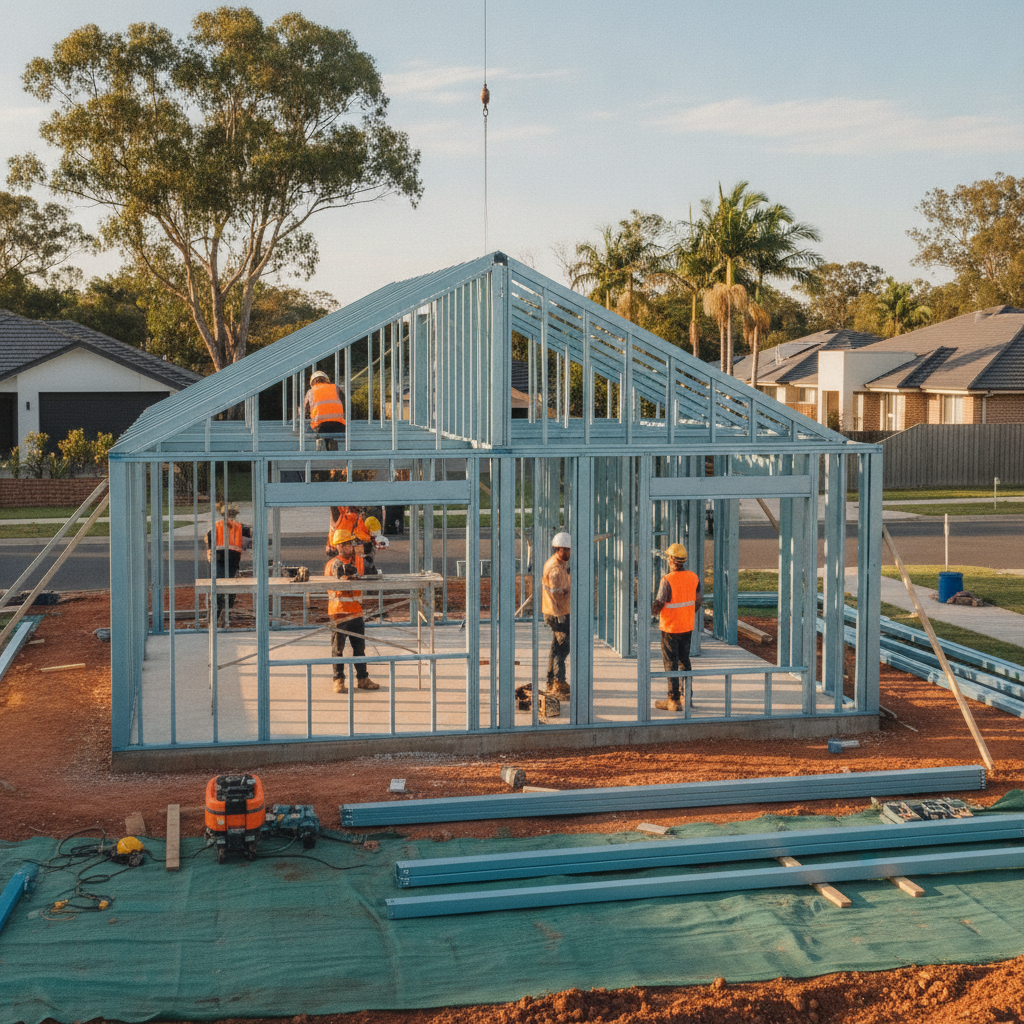
Australia is a land of beautiful extremes, but for those living in our northern coastal regions, those extremes come with significant responsibility. From the top of Western Australia across the Territory and down the Queensland coast, building a home isn't just about aesthetics or floor plans. It is about engineering a structure that can stand tall against the incredible forces of a tropical cyclone. For the Australian owner-builder, selecting the right structural material is the most important decision in the entire project. This is where the inherent strength of steel frames, specifically those made from high quality Australian BlueScope TRUECORE steel, becomes a non-negotiable advantage.
The Physics of Cyclone Resilience
When a tropical cyclone hits, your home is subjected to two main types of stress: immense pressure and high velocity debris. Standard building materials can struggle under these loads, but steel is uniquely qualified to handle them. Unlike traditional timber, which can have natural knots, grains, and inconsistencies, steel is an engineered product. This means every millimetre of the frame has a predictable, tested strength. In a cyclone zone, predictability equals safety.
Steel frames are designed to be part of a complete structural system. In a kit home context, this means the engineering accounts for the way the wind hits the roof, how that pressure is transferred down the walls, and how the entire building is anchored to the slab. High tensile steel provides a strength to weight ratio that is vastly superior to other materials, allowing for slender yet incredibly robust profiles that can withstand the uplift forces prevalent in Category D cyclone regions.
Why Precision Matters in Extreme Weather
When you are building in a high wind area, the integrity of your connections is everything. A single weak point can lead to a structural failure. One of the greatest benefits of using steel frames for kit homes is the precision of the manufacturing process. These frames are typically roll-formed using advanced computer models, ensuring every hole is pre-punched and every member is cut to the exact millimetre.
For the owner-builder, this precision is a lifesaver. It ensures that when you are bolting your wall frames together or securing your roof trusses, everything aligns perfectly. Tight, flush connections mean there is less room for vibration and structural movement during a storm. When the wind is howling at 200 kilometres per hour, you want to know that your home's skeleton is held together by high grade fasteners and precision-engineered joints, not just nails that could potentially pull out under tension.
Termites and Moisture: The Hidden Storm Aftermath
While the wind is the immediate threat, cyclones bring a secondary enemy: water. Intense driving rain can find its way into wall cavities during a storm, even in the best-built homes. For timber-framed houses, this moisture can lead to long-term rot, mould, and an increased risk of termite infestation. Termites love damp, softened wood, and in the humid conditions following a cyclone, they can move fast.
Steel frames are naturally termite-proof. There is no need for chemical treatments to protect the structural integrity of your home from pests. Furthermore, steel does not absorb moisture. If water does enter the wall cavity during an extreme weather event, the steel frame will not swell, warp, or rot. It remains structurally sound and dimensionally stable, making the recovery and repair process significantly easier for the homeowner.
Owner-Builder Tips for Cyclone-Ready Construction
Building your own kit home in a cyclone zone is an empowering journey, but it requires a disciplined approach to the technical details. Here are some practical tips for ensuring your steel-framed project meets the mark:
1. Understand Your Wind Classification
Before you even choose a design, you must know your site's wind classification (e.g., C1, C2, C3, or C4). This classification determines the specific engineering requirements for your steel frames. Your local council or a private certifier can help you identify this. Never assume a standard design is sufficient for a coastal or exposed site.
2. Focus on the Tie-Downs
In a cyclone, the wind tries to lift the house off its foundations. The tie-down system is what prevents this. This involves a continuous chain of connection from the roof sheeting, through the trusses and wall frames, all the way down to the chemical anchors in your concrete slab. When assembling your kit, pay meticulous attention to the tie-down schedule provided in the engineering drawings.
3. Don't Neglect the Openings
The windows and doors are often the weakest points in a building envelope. If a window blows in, the internal pressure of the house doubles instantly, which can lead to the roof being blown off from the inside out. Ensure your windows and doors are specifically rated for your wind zone and are installed strictly according to the manufacturer's cyclone-rated specifications.
4. Choose the Right Cladding
In high wind areas, the cladding acts as the first line of defence. Using high quality steel cladding that is matched to your steel frame ensures a compatible thermal expansion rate and a robust connection. Steel cladding is also non-combustible, providing an extra layer of protection if you live in an area that is prone to bushfires as well as cyclones.
The Long-Term Value of Durability
Beyond the immediate safety benefits, choosing a steel frame for your kit home offers long-term peace of mind. Australian summers are harsh, and the combination of high UV, humidity, and salt spray in coastal zones can be punishing. BlueScope TRUECORE steel is specifically designed for these conditions, featuring a protective coating that resists corrosion. This means your home's skeleton remains strong for decades, requiring virtually zero maintenance compared to other materials.
Moreover, the straightness of steel frames leads to a better internal finish. You won't have to deal with popping nails in the plasterboard or doors that stick as the seasons change and the frame shifts. For an owner-builder, this professional finish is a point of pride and significantly contributes to the resale value of the property down the line.
A Sustainable and Secure Future
Sustainability is about building things that last. By choosing a steel-framed kit home, you are investing in a structure that is designed to endure. Steel is also 100 percent recyclable, making it an environmentally responsible choice for the conscious builder. When you combine the engineering excellence of Australian steel with the practical advantages of kit home construction, you get a dwelling that is more than just a house, it is a fortress for your family.
Standing on your site after a successful build, knowing that every bolt is tightened to specification and every frame is engineered to withstand nature's fury, provides a level of satisfaction that is hard to beat. If you are planning to build in a cyclone-prone part of Australia, don't compromise on the bones of your home. Steel frames provide the reliability, precision, and strength needed to face the storms of tomorrow with total confidence.
Conclusion
Building a home in Australia's cyclone zones presents unique challenges, but with the right materials and a commitment to quality engineering, these challenges are easily met. Steel frames offer a level of protection and durability that is perfectly suited to our harsh climate. For the owner-builder, the ease of assembly and the certainty of Australian-made steel make it the clear choice for a safe, beautiful, and enduring home. Whether it is resisting the world's most powerful winds or keeping termites at bay, steel is truly the backbone of the resilient Australian kit home.