Engineered for the Extremes: The Reality of Building in North Australia
Australia is a land of extremes. From the sun-baked plains of the interior to the lush, tropical coastlines of the north, our landscape demands a lot from our buildings. For those living in regions stretching from the Mid West of WA up through the Top End and down the Queensland coast, the threat of tropical cyclones is a yearly reality. When you are planning a kit home in these areas, the choice of structural material is not just a matter of aesthetics or cost, it is a critical safety decision.
In this guide, we will explore why steel frames, specifically those using high quality Australian BlueScope steel, have become the premier choice for owner builders in cyclone zones. We will look at the engineering behind the strength and why steel offers a level of certainty that other materials simply cannot match when the barometer starts to drop.
Understanding Wind Regions and Australian Standards
Before diving into the benefits of steel, it is important to understand the regulatory environment. Australia is divided into specific wind regions, ranging from Region A (normal) to Region D (severe tropical cyclone). When you purchase a kit home for a cyclone prone area, the engineering must meet the stringent requirements of the building code, specifically AS 4055 (Wind loads for housing).
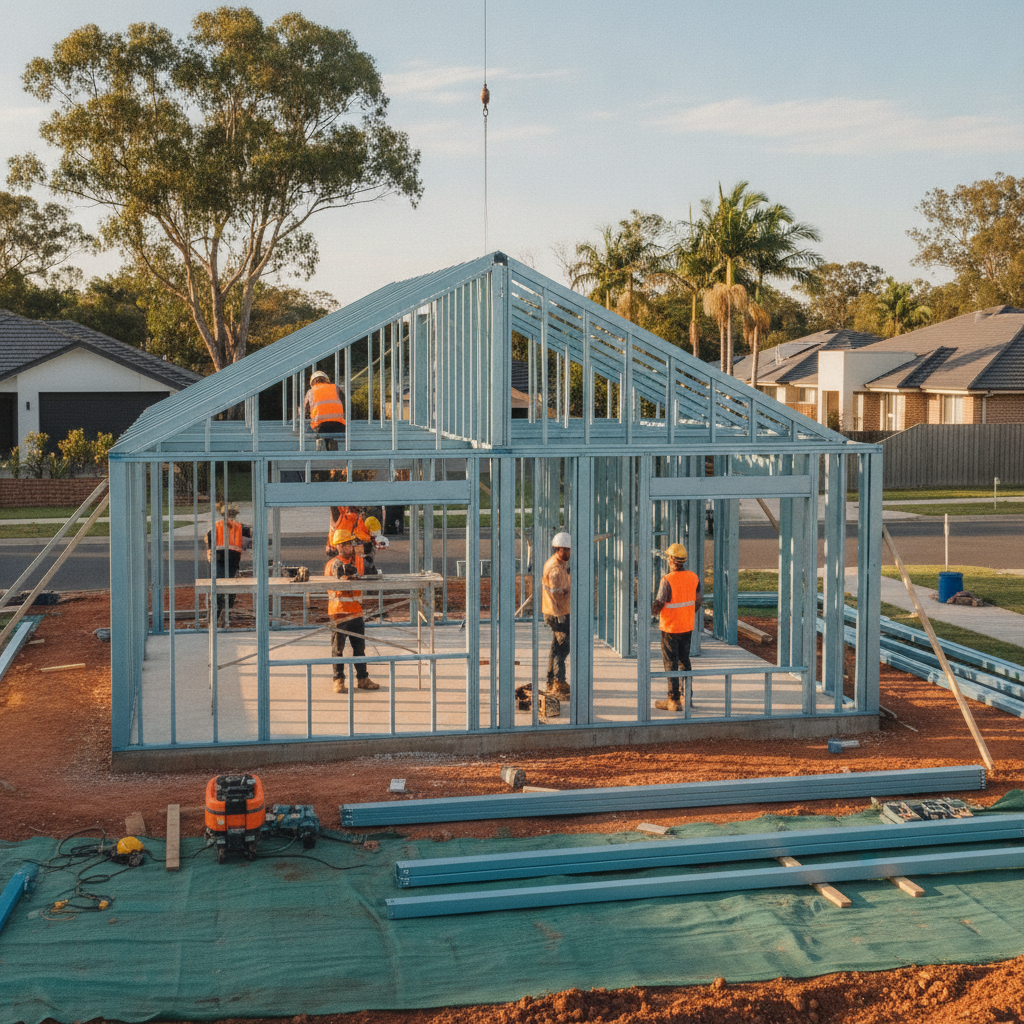
Steel frames excel here because they are manufactured to precise specifications. Unlike organic materials that can have hidden knots, grains, or weaknesses, steel is a manufactured product with predictable, uniform strength. This allows engineers to calculate exactly how a frame will perform under the immense pressure of a Category 4 or 5 cyclone. When you are an owner builder, having that peace of mind that your structural skeleton is backed by rigorous Australian engineering is invaluable.
The Strength-to-Weight Advantage of Steel
One of the most significant benefits of using TRUECORE steel in kit homes is its incredible strength-to-weight ratio. In a cyclone, a building is subjected to both massive lateral (sideways) pressure and significant uplift forces. As the wind rushes over a roof, it creates a vacuum effect, essentially trying to pull the roof off the walls and the walls off the slab.
Steel frames are designed with integrated tie-down systems. Because steel is so strong, we can create sophisticated bracing systems that transfer these enormous loads directly into the concrete slab. The inherent ductility of steel, its ability to deform slightly without snapping, is also a major advantage. While a rigid, brittle structure might fail suddenly under gusting winds, a well engineered steel frame has the resilience to withstand the buffeting of a long duration storm.
Precision Engineering: The Secret to Cyclone Resilience
When you are building your own home, you want components that fit together perfectly. In a cyclone zone, this precision is a safety feature. Because steel frames are roll-formed using computer controlled technology, every hole is pre-punched and every member is cut to the exact millimetre. This ensures that the load paths, the way gravity and wind forces move through the building, are exactly as the engineer intended.
In a cyclone, even a small gap or a slightly misaligned joint can become a point of failure. The high level of accuracy found in modern steel kit homes eliminates much of the human error associated with traditional on-site framing. For the owner builder, this means that as you assemble your kit, you are following a high-precision blueprint that has been designed specifically to keep your family safe.
Corrosion Resistance in Coastal Areas
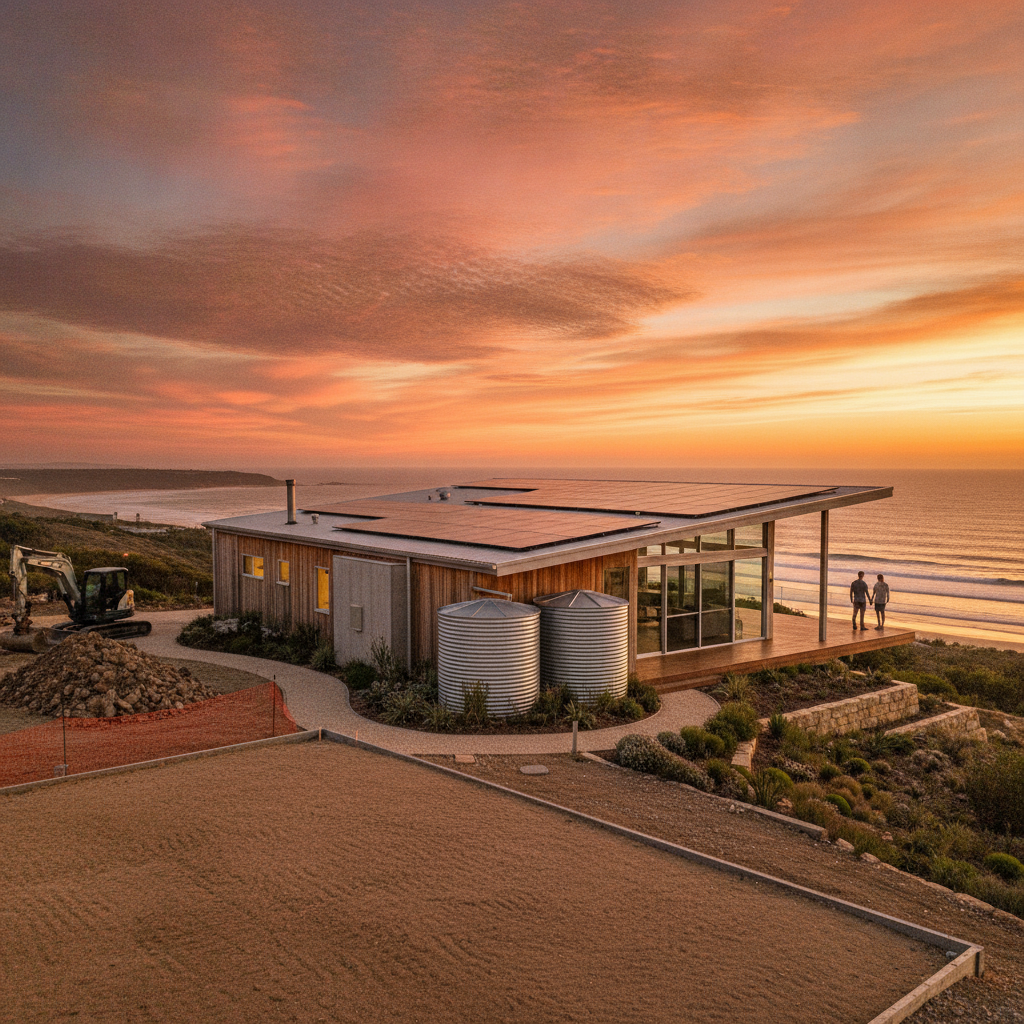
Cyclone zones are almost always coastal zones. This means your home is not just fighting wind; it is fighting salt spray and high humidity. Traditional materials can rot, warp, or succumb to fungal decay in these moist environments, which compromises their structural integrity over time. A frame that has been weakened by rot is significantly more likely to fail during a storm.
BlueScope TRUECORE steel features a zinc, aluminium, and magnesium alloy coating that provides exceptional corrosion resistance. This is not just a surface treatment; it is a protective barrier designed for the Australian climate. This durability ensures that the structural strength of your home remains consistent decades after the build is finished. When you are putting in the hard work as an owner builder, you want to know that your efforts will last a lifetime.
Practical Tips for Building Kit Homes in High Wind Zones
If you are planning to manage your own kit home project in a cyclone-affected area, here are some practical steps to ensure a successful and safe build:
- Verify Your Wind Rating: Always start by getting a site-specific soil test and wind classification from a qualified engineer or surveyor. Your kit provider needs this information to ensure the steel thickness and bracing are appropriate for your specific block.
- Focus on the Tie-Downs: In cyclone zones, the connection between the frame and the slab is critical. Pay extra attention to the installation of chemical anchors or cast-in bolts. This is the foundation of your home’s wind resistance.
- Check Your Openings: Windows and doors are often the weakest point in a storm. Ensure the windows provided in your kit are rated for your specific wind region. If a window blows in, the internal pressure of the house doubles instantly, which can lead to roof failure.
- Maintain the Envelope: Ensure your cladding and roofing are installed strictly according to the manufacturer’s specifications, using the correct screws and spacing. The outer skin of the home protects the steel frame from the elements.
The Non-Combustible Advantage
While we are focusing on cyclones, it is worth noting that tropical regions often face a dual threat: the dry season brings fire risk. Steel is non-combustible. It won't ignite and it won't contribute fuel to a fire. Furthermore, because steel frames do not require chemical treatments for termites (which are a massive issue in the tropics), you are creating a healthier living environment while protecting the structural core of your home from another type of silent destroyer.
Why Owner Builders Are Choosing Steel
Managing your own build is a rewarding challenge. One of the reasons owner builders gravitate towards steel kits is the ease of handling. Steel frames are lightweight compared to timber or masonry, making them easier to move around a site without heavy machinery. The sections arrive clearly marked, often with pre-drilled service holes for plumbing and electrical, which makes the coordination of trades much smoother later in the project.
When you are out on site in the heat of Northern Australia, you want a system that is logical and goes together efficiently. The predictability of steel removes a lot of the stress. You aren't dealing with warped studs or bowing plates; you are working with a straight, true product that allows for a much higher quality finish on your internal plasterboard and external cladding.
Summary: A Secure Future in a Steel Frame Home
Choosing to build a kit home is an investment in your future and your lifestyle. In Australia’s cyclone zones, that investment needs to be protected by the best engineering and materials available. Steel frames offer a level of security, precision, and longevity that makes them the obvious choice for the modern owner builder.
By opting for a kit that utilizes high quality Australian steel, you are not just building a house; you are building a fortress that doesn't look like one. You can enjoy the open plan living and beautiful designs that kit homes offer, with the quiet confidence that your home has been engineered to stand tall when the weather is at its worst. From the corrosion resistance required for coastal living to the sheer strength needed to defy a tropical storm, steel provides the ultimate peace of mind for those building in our most beautiful, yet demanding, regions.