Finding Your Forever Layout: Tips for Choosing a Kit Home Floor Plan
There is something incredibly exciting about the prospect of building your own home. For many Australian families, a kit home represents the ultimate opportunity to create a custom living space that fits their unique lifestyle without the constraints of a project builder's rigid catalogue. However, before the first steel frame arrives on site, you face one of the most significant decisions of the entire journey: choosing the right floor plan.
A floor plan is the blueprint of your daily life. It dictates how you move through your morning routine, how you entertain friends on a Saturday night, and how your family interacts during quiet evenings. In the context of kit homes, where you take the reins as an owner builder, selecting a design that is both functional and easy to construct is paramount. Here is how to navigate the process and find a layout that your family will love for years to come.
Start with How You Actually Live
It is easy to get distracted by glossy brochures and architectural renders, but the best floor plan starts with a critical look at your current daily habits. Do you spend most of your time in a communal living area? Or do family members prefer retreat spaces? In Australia, our lifestyle tends to revolve around open plan living and a seamless flow between the indoors and outdoors.
Consider the 'Zones' of your home. A popular approach for modern Australian families is to separate the sleeping quarters from the active living areas. For families with young children, having bedrooms close together is often a priority. However, if you have teenagers, you might prefer a floor plan where the master suite is located at the opposite end of the house, providing a much needed buffer of privacy.
Maximising the Australian Climate
One of the greatest advantages of building a kit home in Australia is the ability to orient your floor plan to suit your specific block of land. This is where kit homes truly shine compared to mass produced housing. When reviewing floor plans, look at where your windows and glass sliding doors are placed.
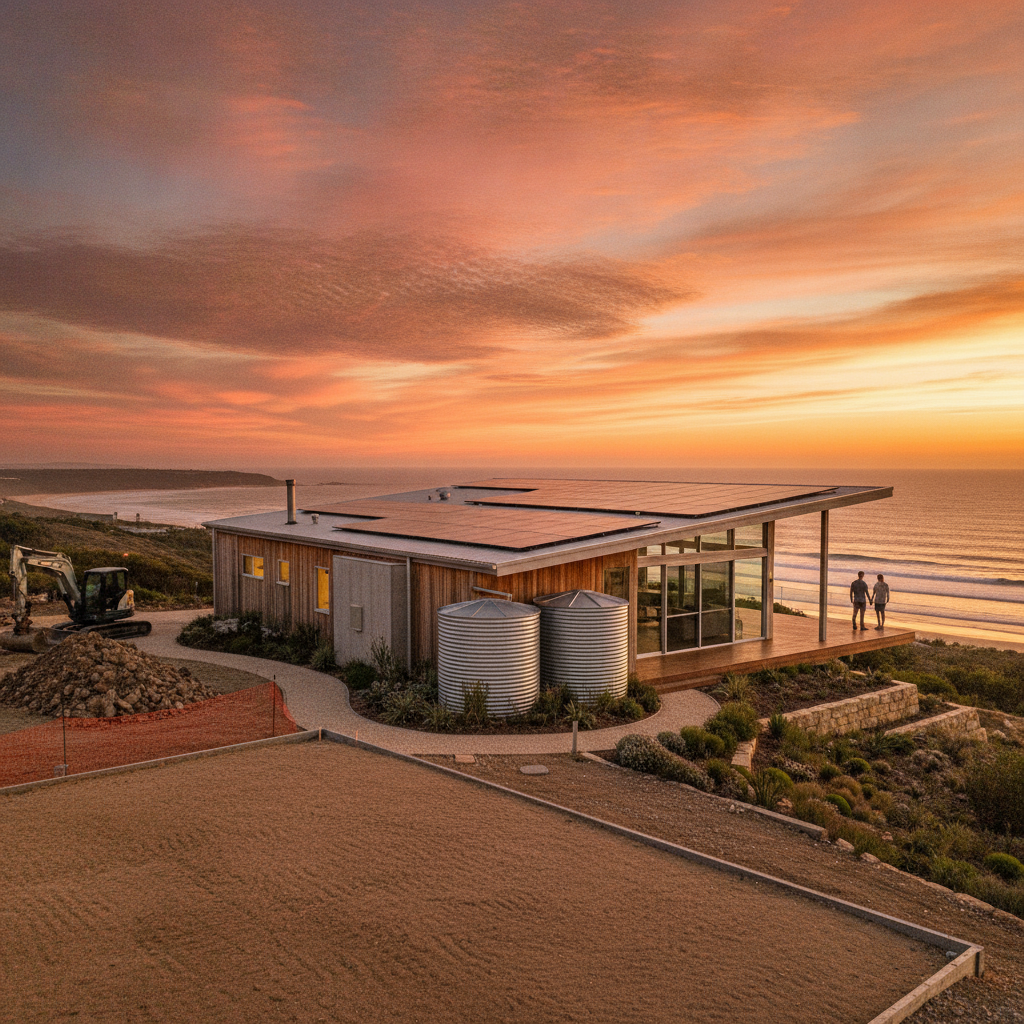
In most parts of Australia, you want your main living areas and large windows to face north. This allows for passive solar heating in the winter while keeping the harsh summer sun at bay with the help of eaves or verandas. When you choose a steel frame kit home, you have the structural integrity to support large spans and wide openings, which is perfect for capturing those cooling summer breezes and natural light. Think about how the breeze will move through the house. Can you achieve cross ventilation by placing windows on opposite walls? This small detail can significantly improve your comfort levels and reduce your reliance on air conditioning.
The Importance of Multi-Functional Spaces
Families change, and your home should be able to change with them. A room that serves as a nursery today might need to be a home office in five years, or a media room in ten. When browsing kit home designs, look for 'flex rooms' or 'multi-purpose spaces'.
A floor plan with a secondary living area or a large study nook provides the versatility that modern life demands. If you work from home, consider a layout where the office is located near the front entrance. This allows you to meet with clients (if necessary) without them having to walk through your private living areas. For others, a dedicated 'mudroom' or an oversized laundry with external access is a lifesaver, especially for those living on rural blocks where boots and paws are often caked in red dust or mud.
Indoor-Outdoor Flow: Truly Australian Living
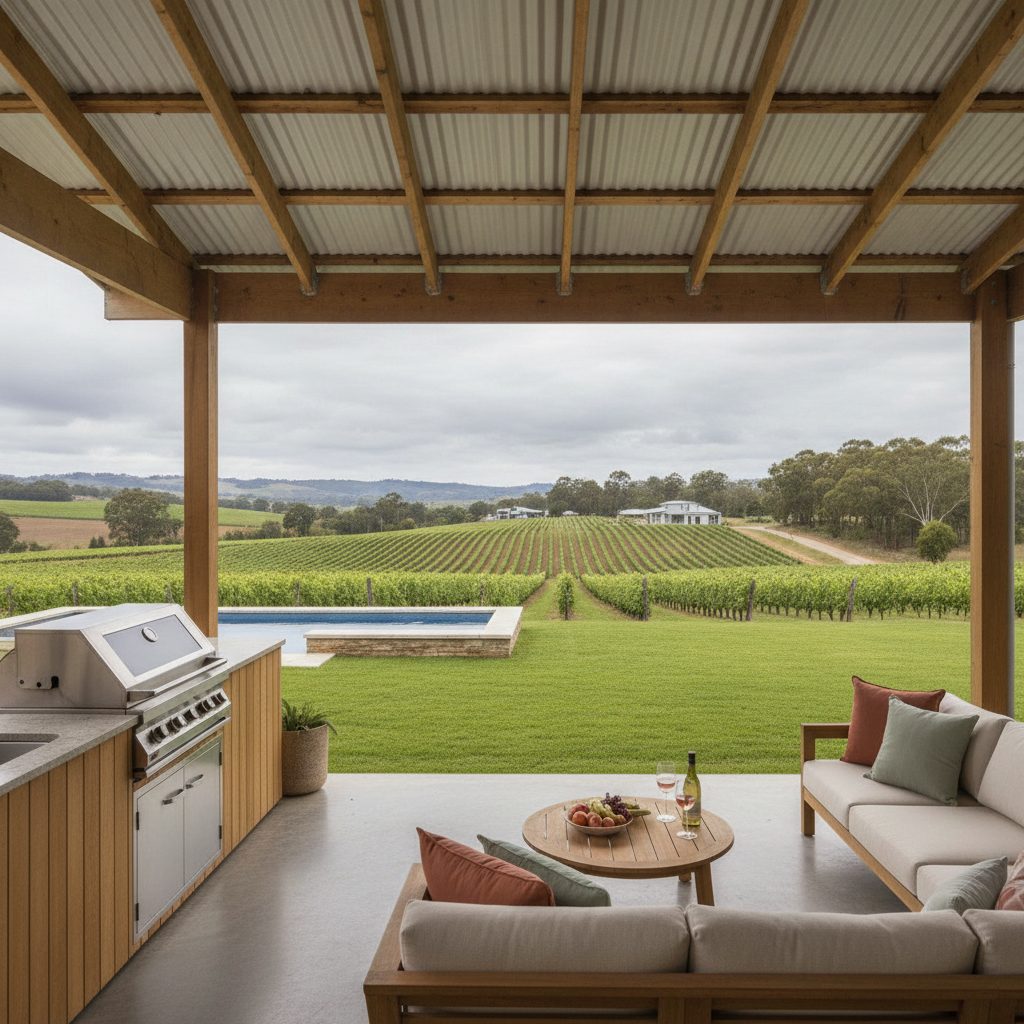
An Australian home is incomplete without a strong connection to the outdoors. When selecting your floor plan, look at how the kitchen and dining areas interact with your planned deck or veranda. A kit home often includes high quality roofing and cladding that extends over these outdoor spaces, creating an 'outdoor room' that can be used year round.
Consider the placement of the kitchen. A layout where the kitchen overlooks the backyard allows you to keep an eye on the kids while you are preparing dinner. Servery windows are another fantastic feature to look for, as they make entertaining a breeze, allowing you to pass food and drinks directly from the kitchen to the outdoor dining area.
Kitchens and Bathrooms: The Engine Rooms
While the kit provides the frames, windows, and doors, the layout of the 'wet areas' is something you need to be very comfortable with. In a family home, the kitchen is often the hub. A 'U-shaped' or 'L-shaped' kitchen with a central island bench is a crowd favourite because it encourages social interaction. Make sure there is enough room for multiple people to move around the kitchen without bumping into each other.
When it comes to bathrooms, think about the morning rush. Is a separate toilet essential? For many families, the answer is a resounding yes. Having the toilet separate from the main bathroom prevents a bottleneck when everyone is trying to get ready for school and work simultaneously. Also, consider the storage. You can never have enough linen cupboards or built-in robes, so check the floor plan for these essential inclusions.
Technical Considerations for the Owner Builder
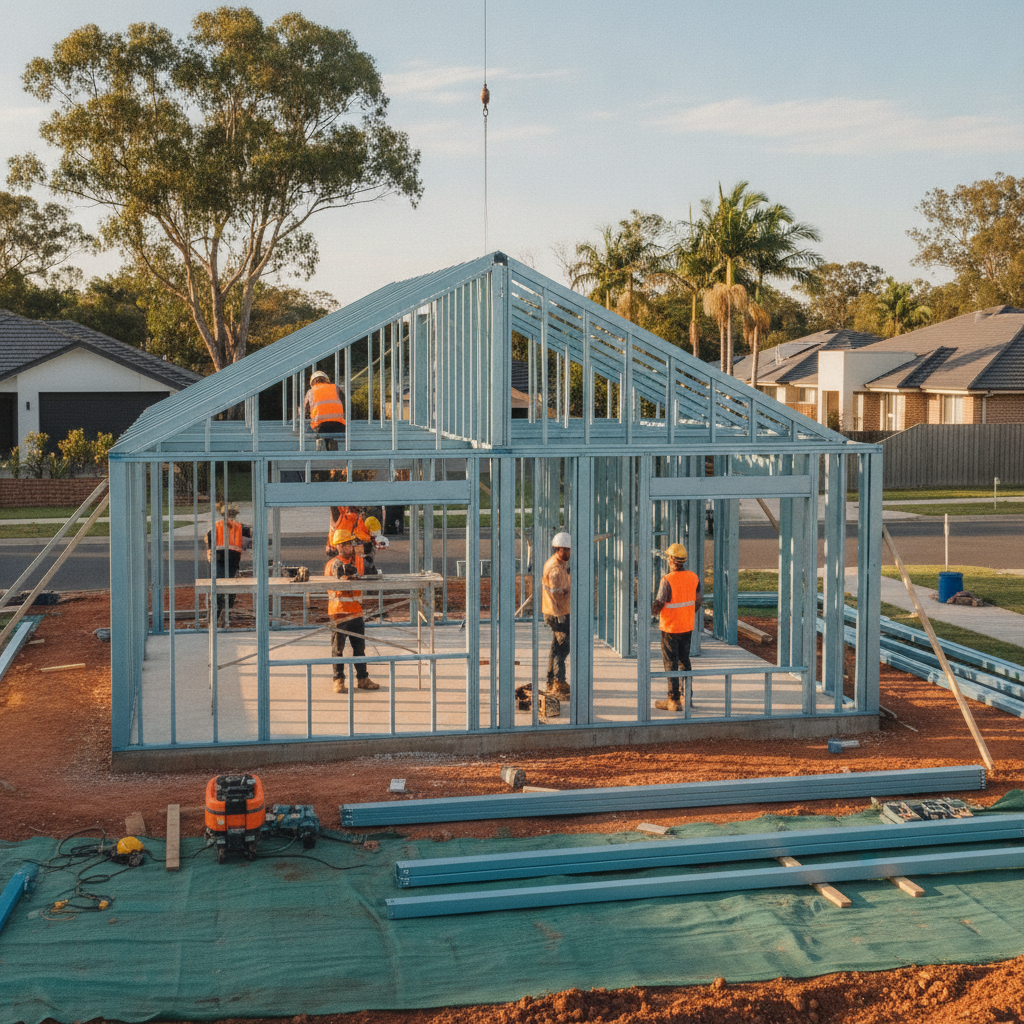
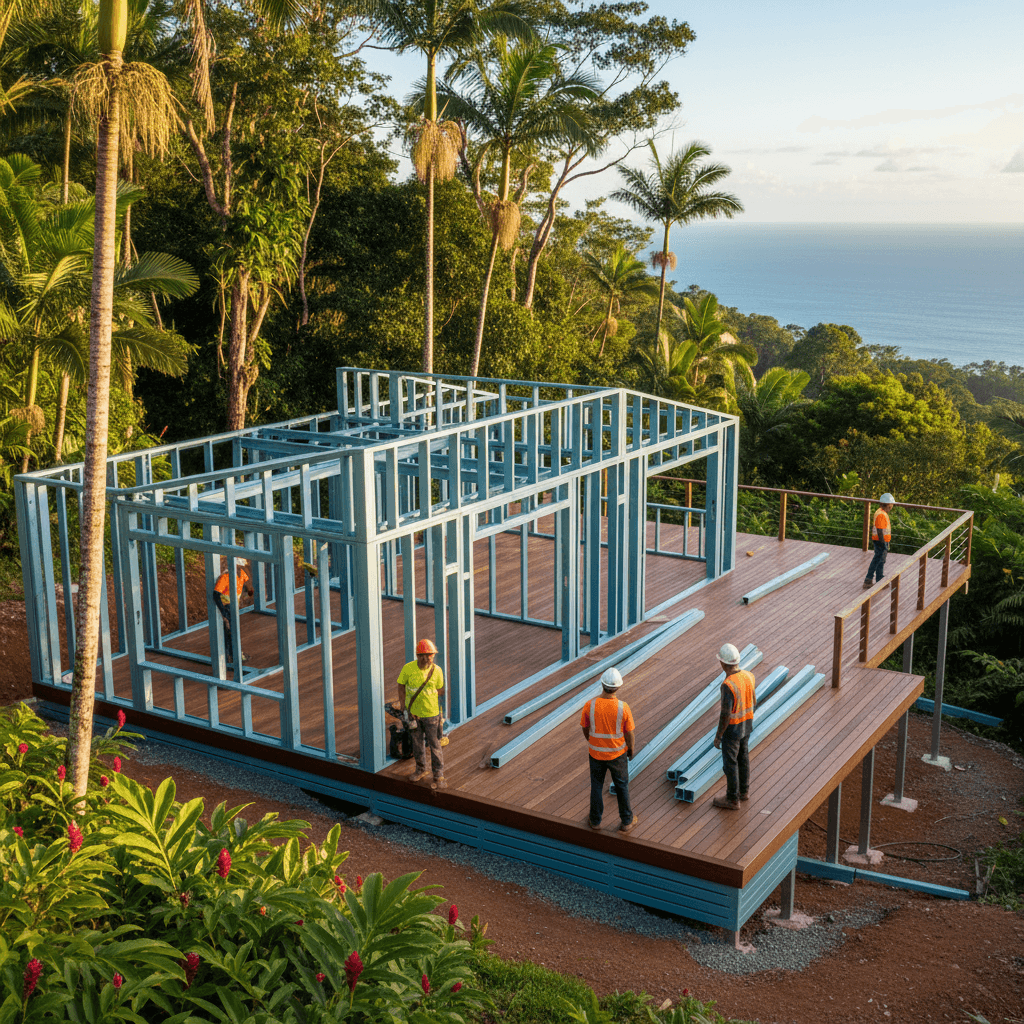
Since you will be managing the construction, it is worth looking at the floor plan from a building perspective. Simple, rectangular or L-shaped designs are generally more straightforward to build than complex layouts with many corners and roof ridges. Steel frames are incredibly precise, which makes the assembly process much faster and easier, but a simpler footprint will still save you time and money during the site works and slab pouring stages.
Also, keep an eye on plumbing 'stacks'. If you can choose a design where the kitchen, laundry, and bathrooms are relatively close to each other, you will save on plumbing costs. This is because the plumber won't have to run pipes across the entire length of the slab, which is a practical tip that many first time owner builders overlook.
Space and Scale: Don't Overbuild
It is tempting to go for the biggest floor plan you can afford, but bigger isn't always better. A well designed, compact home can often feel more spacious than a sprawling house with wasted hallway space. Look for designs that minimise corridors and use that square meterage for the rooms you actually live in.
High ceilings are another way to make a smaller floor plan feel expansive. Many kit homes allow for increased ceiling heights or even raked ceilings in the main living areas. This adds a sense of luxury and airiness that can transform a standard layout into something special.
Conclusion
Choosing the right kit home floor plan is a balance between practical necessity and personal aspiration. It requires you to look honestly at your family's needs today, while keeping an eye on the future. By focusing on orientation, zoning, and the flow between indoor and outdoor spaces, you can select a design that elevates your lifestyle.
Remember, as an owner builder, you are the one who will see this layout come to life, from the first steel frame being bolted together to the final coat of paint. Take your time, walk through display villages to get a sense of room sizes, and don't be afraid to ask questions about how a particular plan can be adapted to your site. With the right foundation, your kit home journey will result in a space that is perfectly tailored to your family, built with your own two hands.