Engineered for the Elements: Selecting Your Kit Home Roof
When you embark on the journey of becoming an owner-builder, your focus is often on the floor plan or the kitchen layout. However, from a technical perspective, the most critical component of your kit home is the one that sits right above your head. In Australia, our climate ranges from the humid tropics of the north to the alpine chills of the south, and even the salt-sprayed coastlines in between. Choosing the right roofing materials isn't just about aesthetics, it is about engineering a home that performs efficiently in its specific environment.
For those managing a kit home project, understanding the technical specifications of roofing materials allows you to make informed decisions that affect the longevity of the structure and the comfort of your family. In this guide, we will dive deep into the science of roofing, focusing on how different materials and profiles interact with the Australian climate.
The Role of Thermal Performance in Australian Roofing
Australia is a land of temperature extremes. Without the right roofing strategy, your home can quickly become a hotbox in summer or an ice chest in winter. When we look at building techniques for kit homes, the 'Total R-Value' of your roof system is a primary consideration. This value measures the thermal resistance of the assembly, including the roofing material, the insulation, and the air gaps.
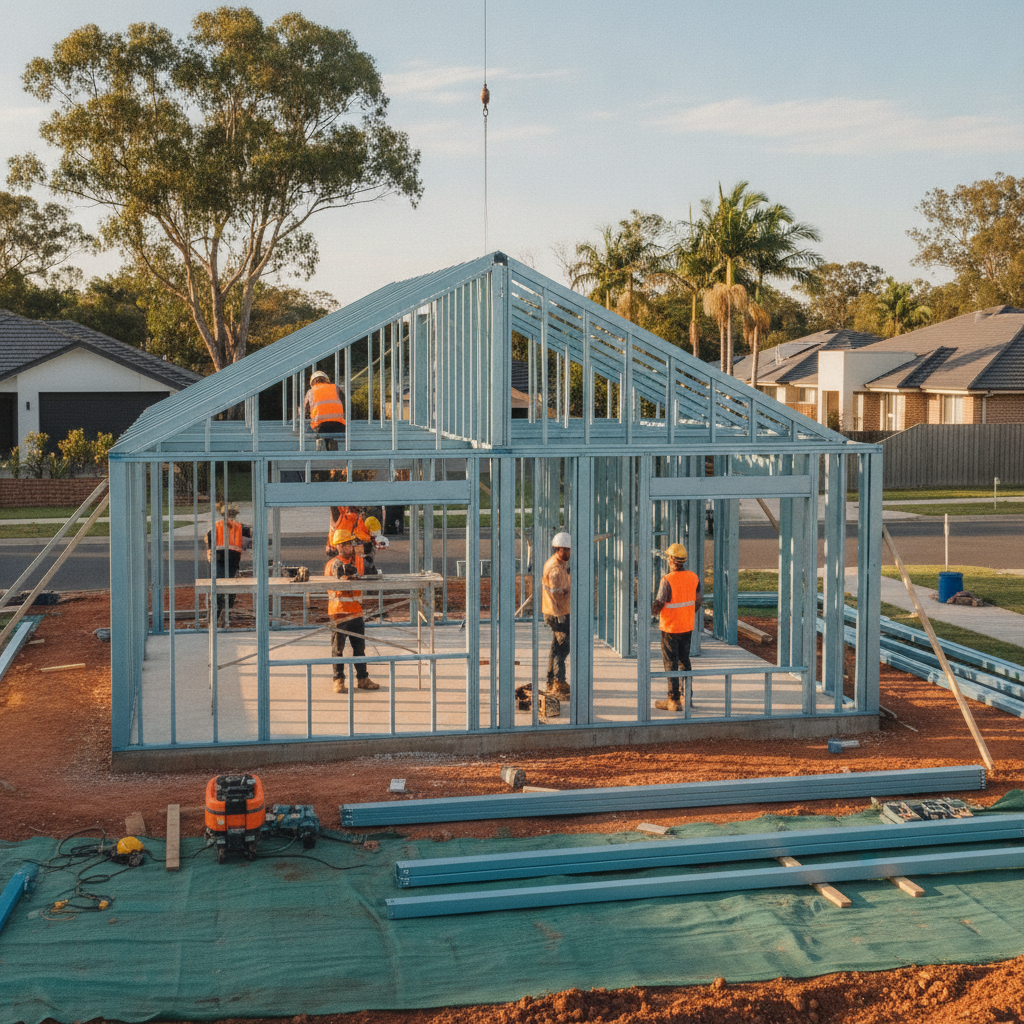
One of the most effective ways to manage heat in a kit home is through the use of high-quality steel roofing. Modern steel roofing, particularly products made from BlueScope steel, often incorporates thermally efficient paint technology. These coatings reflect a greater percentage of the sun's heat away from the home, which is a game changer for homes in the Sun Belt or inland regions. When you combine a steel roof with a robust steel frame, you create a building envelope that is resilient and thermally stable.
Coastal Considerations: Managing Corrosion
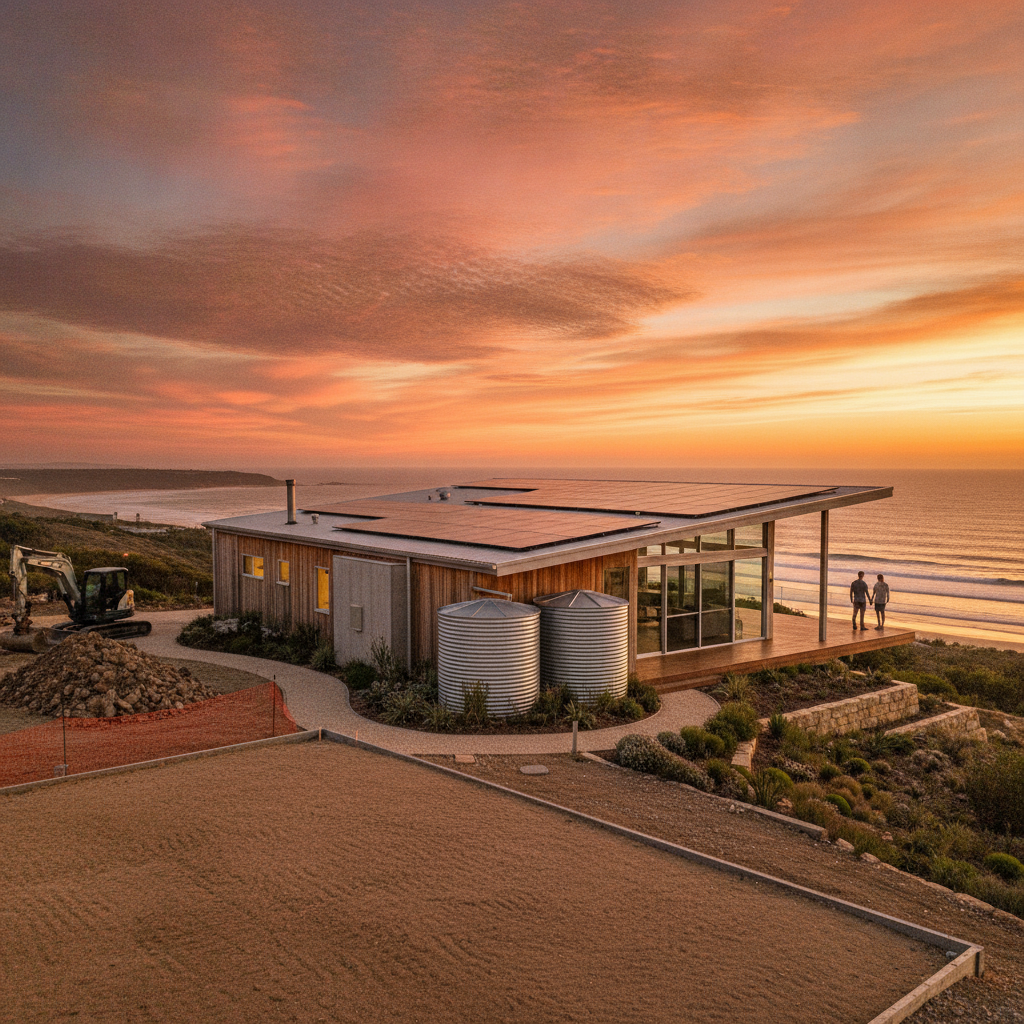
If you are building your kit home within sight of the ocean, salt spray is your number one enemy. From a technical standpoint, the proximity to the coast dictates the type of protective coating your roofing material requires. Standard galvanized finishes may struggle in high-salt environments, leading to premature corrosion and structural integrity issues.
For owner-builders in coastal zones, we recommend looking at specifically engineered steel grades designed for marine environments. These materials feature advanced paint systems and metallic coatings that provide superior resistance to salt and moisture. When planning your kit home, always check the distance of your site from the 'breaking surf' or 'calm water' to ensure your roofing warranty and material choice align with the local conditions.
Bushfire Zones and Roofing Integrity
For many Australians, building a kit home means moving closer to nature. However, building in a Bushfire Attack Level (BAL) rated zone requires specific technical adjustments. Your roof is often the most vulnerable point for ember attack during a bushfire.
A major benefit of steel roofing in these areas is its non-combustible nature. Unlike traditional shingles or timber elements, steel provides a seamless barrier against flying embers. When installing your kit home roof in a BAL-rated area, pay close attention to the 'flashing' and 'sarking'. Using high-quality fire-rated sarking underneath your steel sheets adds an extra layer of protection, preventing embers from entering the roof cavity through small gaps. It is a building technique that prioritizes safety without compromising on style.
Tropical and High Rainfall Environments
In the Far North or along the soggy East Coast, the technical challenge shifts from heat reflection to water shedding. The 'pitch' or angle of your roof is a critical building factor here. Low-pitch roofs are popular for modern, sleek kit home designs, but they require specific profiles to ensure water does not pool or back up under the sheets during a tropical downpour.
High-rib profiles are engineered to carry significant volumes of water away from the structure quickly. If you are an owner-builder in a high-rainfall zone, ensuring that your kit includes appropriate guttering and downpipe capacities is essential. The integration of steel frames also helps in these regions, as they do not warp or rot when exposed to high humidity, providing a stable base for your roofing system for decades to come.
Practical Tips for the Owner-Builder
Managing the roofing phase of your kit home requires coordination and a bit of technical know-how. Here are some actionable tips to ensure your roof installation goes smoothly:
- Check Your Batten Spacing: Ensure your steel frame roof battens are spaced according to the specific requirements of your chosen roofing profile. This is crucial for structural integrity and warranty compliance.
- Insulate Properly: Don't skimp on the insulation blanket. A 55mm or 75mm foil-backed glasswool blanket installed directly under the steel sheeting provides excellent thermal and acoustic benefits, especially during heavy rain.
- Mind the Swarf: When cutting steel roofing sheets on-site, ensure all metal filings (swarf) are swept off the roof at the end of each day. If left to sit, these small particles will rust and damage the finish of your new roof.
- Screw Placement: Use the correct fasteners with high-quality EPDM washers. Over-tightening or under-tightening can lead to leaks or 'oil canning' (visible waviness in the metal).
The Importance of Color Choice
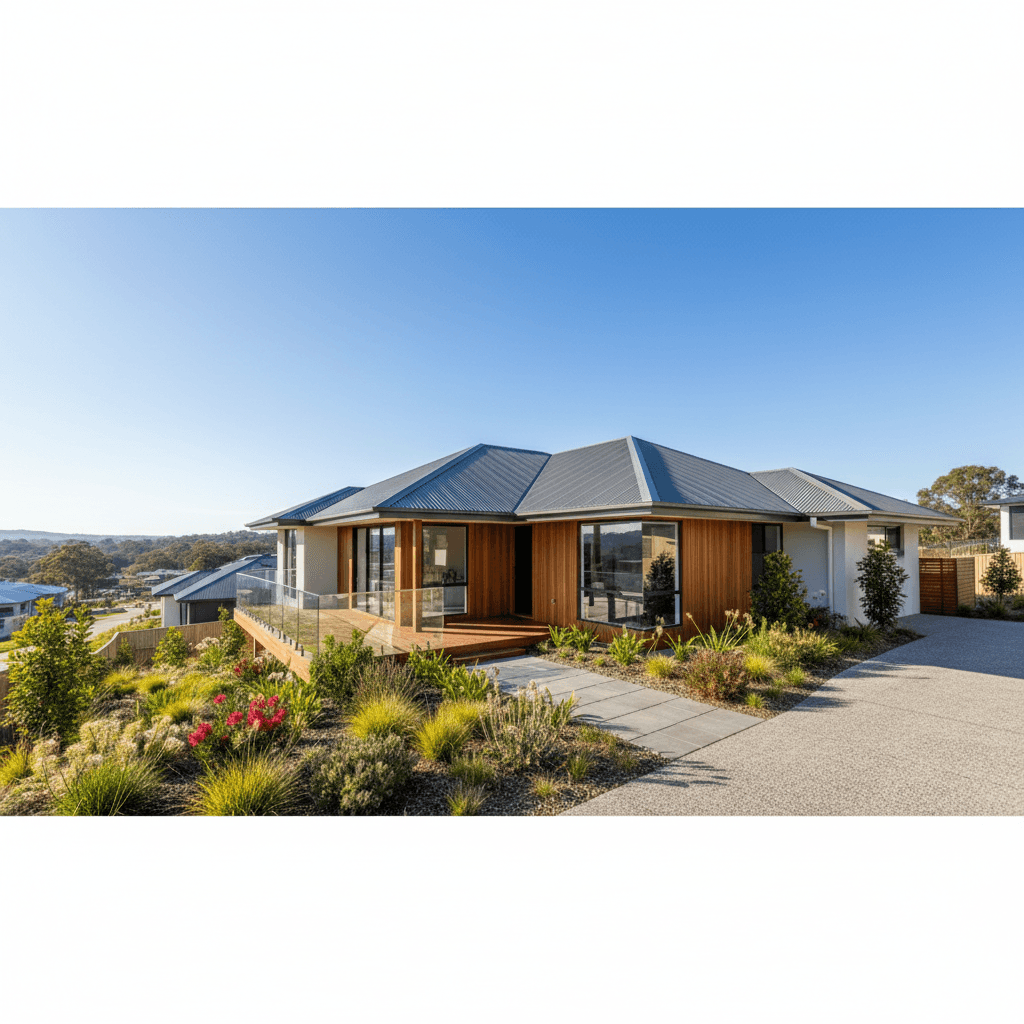
In Australian building techniques, color is more than a design choice, it is a thermal strategy. Darker colors absorb more solar radiation, which can be beneficial in cooler climates like Tasmania or the Victorian Highlands to help keep the home warm. Conversely, in Queensland or Western Australia, lighter colors such as 'Surfmist' or 'Classic Cream' are technically superior as they keep the roof space significantly cooler.
When selecting your kit home's palette, consider the orientation of your block and the local average temperatures. A lighter roof can reduce your cooling requirements significantly, leading to a more sustainable and comfortable living environment.
Why Steel Frames and Roofing are the Perfect Match
There is a technical synergy between a steel-framed kit home and a steel roof. Because both components are made from the same base material (like TRUECORE steel), they expand and contract at similar rates when the temperature changes. This reduces the stress on fasteners and minimizes the 'creaking' sounds often associated with homes as they cool down at night.
Furthermore, steel frames provide a perfectly straight and true platform for your roofing. Unlike timber, which can twist or shrink as it dries out, steel remains dimensionally stable. This means your roofline remains crisp and straight, and your flashing stays exactly where it should be to keep the weather out.
Conclusion: A Roof Built for the Future
Building a kit home in Australia is an empowering experience for any owner-builder. By focusing on the technical aspects of your roofing materials and how they interact with your specific climate, you are doing more than just building a house, you are engineering a high-performance shelter. Whether you are dealing with the salt spray of the coast, the heat of the outback, or the rains of the tropics, the combination of steel frames and expertly chosen roofing materials provides the ultimate foundation for a durable, comfortable, and beautiful Australian home. Take the time to understand your site's unique challenges, and your roof will protect your investment for a lifetime.