Making the Right Choice for Your Building Journey
There is a unique kind of excitement that comes with browsing through floorplans and imagining your life inside a new home. For many Australians, the dream of becoming an owner-builder starts with a kit home. It offers a sense of control, a hands-on connection to the build, and the satisfaction of seeing a project through from a delivery truck to a finished residence.
However, the transition from a beautiful 2D drawing to a living, breathing house is where the complexity lies. Before you sign off on a design and commit to the manufacturing process, you need to look beyond the surface level. A kit home is a significant investment of your time and energy. Asking the right questions early in the piece can be the difference between a smooth assembly and a stressful construction process. Let’s dive into the practical considerations you should weigh up before locking in your kit home design.
1. How Does the Design Sit on My Unique Site?
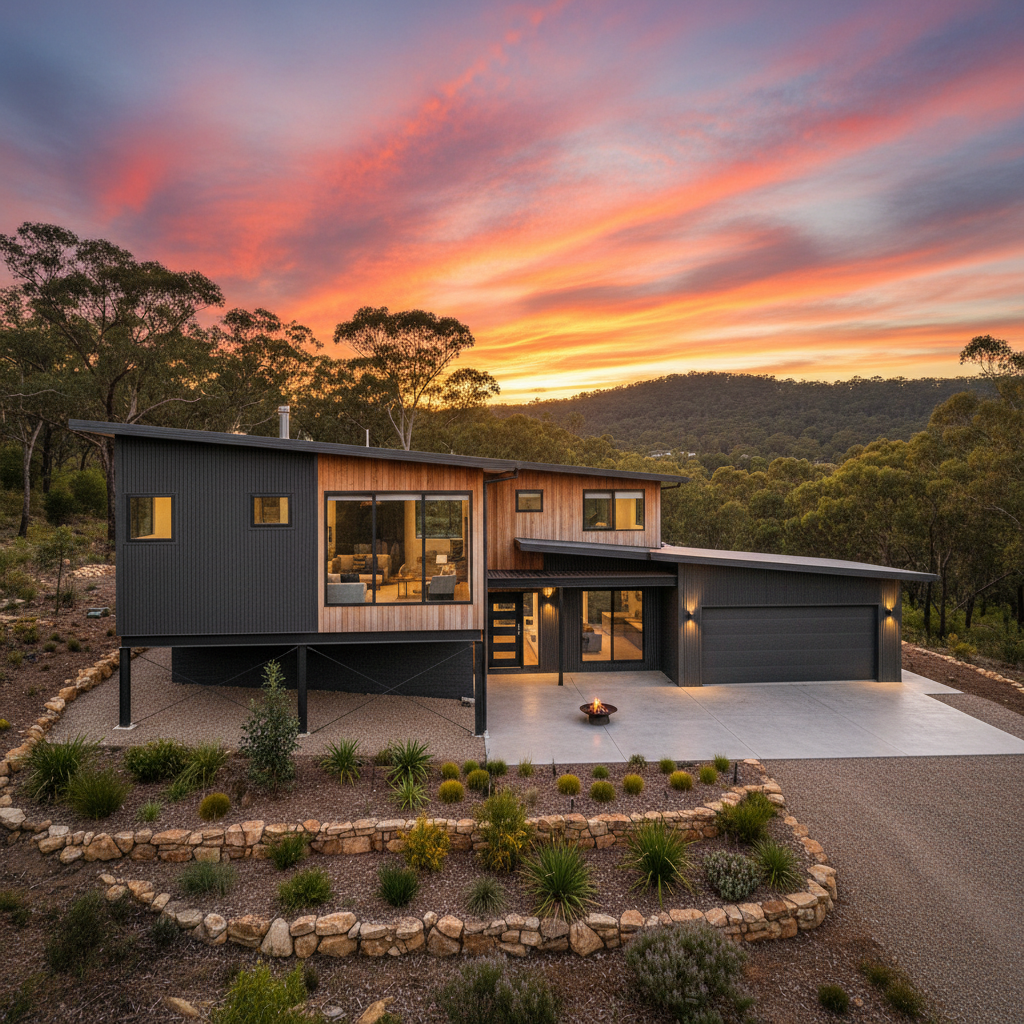
It is easy to fall in love with a kit home design on a website, but every block of land in Australia has its own personality. Before committing, you must ask how the design interacts with your specific site. Does the layout take advantage of the natural slope? If your block has a significant fall, you might need to consider whether the design suits a stumps and bearers sub-floor or if you are prepared for the earthworks required for a concrete slab.
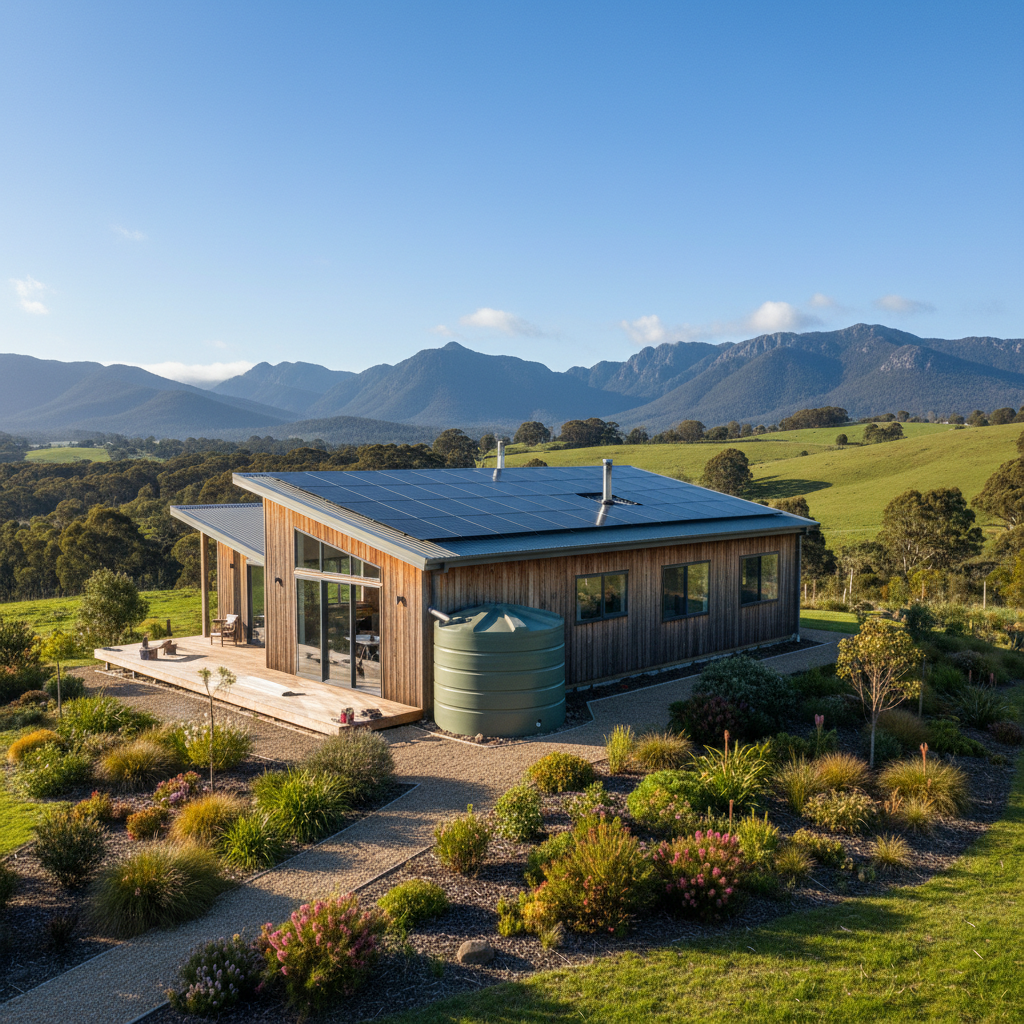
Consider the orientation of the living areas. In the Australian climate, positioning your home to capture the winter sun while shielding itself from the harsh summer heat is vital for long-term comfort. Ask yourself if the windows are placed to capture prevailing breezes for cross-ventilation. A design that works perfectly on a south-facing coastal block might be completely wrong for a north-facing bush block.
2. Is the Internal Flow Practical for My Lifestyle?
When you look at a floorplan, try to visually 'walk' through your day. Where will you drop your keys and boots when you come home? Is the kitchen layout efficient for the way you cook? Often, people choose a design based on the number of bedrooms, but they forget about the 'connective tissue' of the home like hallways and storage.
For those planning to live in their kit home long-term, consider accessibility. Wide hallways and doorways might not seem important now, but they make a home much more versatile as you age. If you are a young family, having line-of-sight from the kitchen to the main living area or backyard is often a top priority. Don't be afraid to ask for minor tweaks to a design to ensure it matches your daily rhythm.
3. What is Actually Included in the Kit Package?
One of the most important questions for any owner-builder is regarding the scope of supply. You need to have a crystal-clear understanding of what arrives on the truck and what you need to source locally. Generally, a high-quality kit will include the structural components, such as the steel frames and roof trusses. Using Australian-made TRUECORE steel is a popular choice here because of its precision and resistance to termites, which is a major factor in many parts of the country.
Typically, a kit includes the external 'shell' - think roofing, wall cladding, external windows, and doors. However, you will need to plan for the components that aren't usually in the kit, such as the internal linings (plasterboard), flooring, cabinetry, and all your plumbing and electrical fixtures. Knowing exactly where the kit supplier's responsibility ends and yours begins is essential for managing your project timeline and your local trades.
4. Does This Design Meet Local Council and BAL Requirements?
Before you get too attached to a specific look, check your local council's Bushfire Attack Level (BAL) rating for your land. In Australia, this rating dictates what materials can be used on the exterior of your home. If you are in a high BAL zone, your kit home design must accommodate specific types of glass, screens, and non-combustible cladding.
Similarly, different regions have different wind speed ratings. A home designed for a sheltered suburban block might need structural upgrades to suit a wind-swept ridge or a cyclone-prone northern region. Ensure your kit provider can supply the necessary engineering certificates for your specific location, as your local council will require these for the building permit.
5. How Manageable is the Assembly for an Owner-Builder?
Be honest about your DIY skill level or the skills of the people you intend to hire. Some kit home designs are more complex than others. A simple rectangular layout with a standard gable or hip roof is generally easier to assemble than a design with multiple roof pitches, complex angles, or expansive spans.
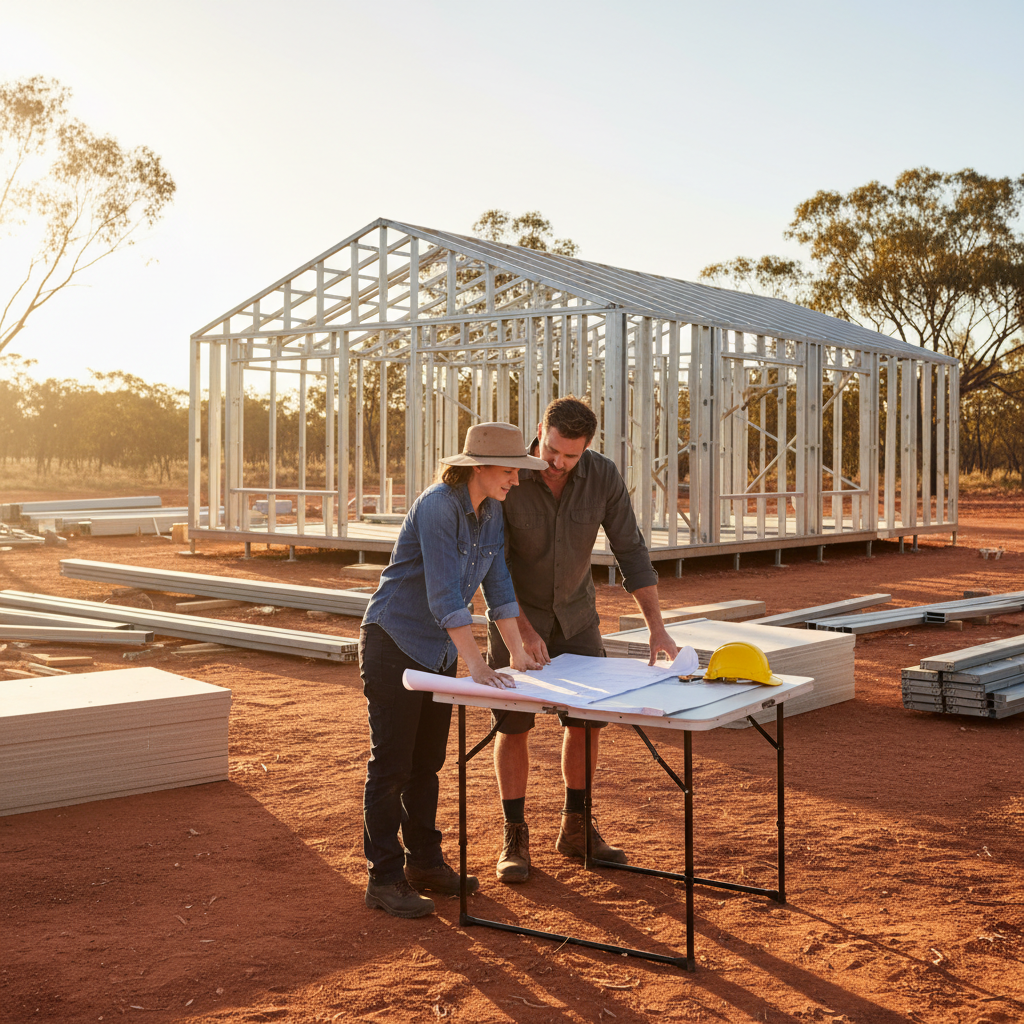
Steel frames are often favoured by owner-builders because they are lightweight and come pre-punched with holes for electrical and plumbing, which simplifies the work for your trades later on. Ask the supplier about the assembly manuals and the level of technical support provided. You want to feel confident that when those frames arrive, you have a clear roadmap for putting them together correctly.
6. Can the Design Be Future-Proofed?
Your needs today might not be your needs in ten years. A great question to ask is how adaptable the design is. Because kit homes often use clear-span steel roof trusses, internal walls are sometimes non-load-bearing. This can make it much easier to renovate or change the internal layout down the track if you decide you want an open-plan space or need to combine two small rooms into a large office.
Think about energy efficiency as well. Ask about the insulation levels that the wall cavities can accommodate. Sustainable living is more than just a trend in Australia; it is a practical way to keep running costs down. Choosing a design that allows for high-quality insulation and double-glazed windows is a smart move for any future-focused builder.
7. What Part Does Material Choice Play in Maintenance?
Living in your home should be about enjoyment, not endless chores. Ask about the long-term maintenance requirements of the materials included in the kit. For example, choosing pre-finished steel cladding or high-quality aluminium window frames can significantly reduce the amount of painting and upkeep required over the years. This is especially important for those building in coastal areas where salt spray can be a factor, or in rural areas where dust and sun exposure are high.
Practical Tips for the Planning Phase
- Visit a Display or Completed Project: If possible, try to see a completed version of the design you are considering. It is much easier to get a sense of scale and ceiling height in person than from a brochure.
- Talk to Your Local Trades Early: Show your proposed kit design to a local plumber and electrician. They can often spot potential issues or suggest small changes that will save them time and you money during the fit-out.
- Don't Rush the Design Phase: It is much cheaper to change a line on a drawing than to change a wall once it is standing on your slab. Take your time to get the layout exactly right.
Conclusion
Choosing a kit home design is the first major milestone in your building journey. By asking these questions early, you move from being a passive buyer to an informed owner-builder. Remember, the best design isn't just the one that looks the best on a screen, but the one that fits your land, meets your local regulations, and supports the lifestyle you want to lead. With the right preparation and a focus on quality components like Australian steel frames, you are well on your way to creating a home that you can be proud of for decades to come.