Nobody tells you about the mud. You're standing there in your boots at 6:45 AM on a drizzly Tuesday in Gippsland or the Hunter Valley, staring at a freshly dug trench while the council inspector checks his watch. This is the reality of building a kit home. It isn't just about the shiny steel frames arriving on a semi-trailer. It's about the paperwork, the precise measurements, and the specific moment an inspector decides whether your project moves forward or stops dead in its tracks.
I've spent fifteen years watching owner builders tackle these hurdles. Some breeze through because they've got their ducks in a row. Others get caught out on the smallest details, like a missing termite barrier or a bolt that isn't quite tight enough. Council inspections aren't a trial, even if they feel like one. They're a set of checkboxes designed to make sure your house doesn't fall down or rot from the inside out within five years. If you're building with steel, you've already got a head start on straight lines, but the inspector doesn't care about the material as much as the execution.
The Footing Inspection: Where Most Mistakes Happen
Before any concrete pours, the inspector needs to see your steel reinforcement and your trenches. This is the big one. If the engineer's plan calls for 450mm deep footings and you've only dug to 400mm because you hit a rock, you're in trouble. They'll look at the chairs holding up your mesh too. If your mesh is sitting on the dirt, the concrete won't wrap around it properly, and the whole slab loses its structural integrity. It's basic physics. But you'd be surprised how many blokes try to skip the chairs and just 'lift it as they go'. Don't do that. The inspector will walk away, charge you a re-inspection fee, and push your pour back by a week.
Make sure your plumbing pipework is wrapped where it goes through the slab. Use that blue lagging. It protects the pipes from the concrete's movement. If an inspector sees bare PVC touching concrete in a load-bearing footing, he's going to reach for his red pen. It's a small thing, but it shows you know what you're doing. Being an owner builder means you're the one carrying the can for these details.
Getting the Steel Frame Right
Once your TRUECORE steel frames are up, it's time for the frame inspection. This is usually the most satisfying part because the house finally looks like a house. However, the inspector is looking for connections. For a steel kit home, they'll check the tie-downs specifically. Because steel is light, you need heavy-duty anchoring to the slab to stop the whole thing acting like a kite in a coastal gale. Check your engineering drawings. Are the chemsets in correctly? Did you use the right gauge of tek screws?
One trick I've seen? Guys forget to put the noggins in for their heavy bathroom fixtures. If you're hanging a heavy vanity or a wall-mounted TV, you need those extra supports behind the cladding. While the inspector might not fail you for a missing TV noggin, he will definitely fail you if the bracing isn't according to the plan (AS 4100 or AS/NZS 4600 depending on the design). Steel frames are precision pieces of gear, so if you've followed the layout, the walls should be plumb and square. If they aren't, the inspector will wonder what else you've botched.
The Waterproofing Trap
This is the leading cause of insurance claims in Australian housing. It's a nightmare. The inspector (or a certified waterproofer) needs to sign off on the wet areas before a single tile touches the floor. They're looking for the ponding test or at least a very clear application of the membrane up the wall. In NSW or QLD, rules vary slightly on who can sign this off, but as an owner builder, you need to document this like your life depends on it. Take photos of the brand of membrane you used. Save the receipts. If the inspector is having a bad day and can't see the flashing clearly, those photos are your get-out-of-jail-free card.
The Fine Print of Energy Ratings and Insulation
The NCC (National Construction Code) is getting stricter on thermal performance. When you're putting the insulation into your kit home, don't just shove it in. Gaps are the enemy. If you leave a 50mm gap at the top of a wall batten, you've compromised the whole R-value of that wall. Inspectors often look for the 'snugness' of the fit. Plus, you've got to ensure your vapour barrier or sarking is lapped correctly. If the moisture can't escape, your nice new frames are going to be sitting in a damp environment, which defeats the purpose of choosing high-quality materials.
I reckon the biggest stressor for newcomers is the final inspection. This is the 'Occupation Certificate' stage. You need your electrical safety certificate, your glazing certificate for the windows, and your plumbing final. If you've been organized from day one, it's just a paper-shuffling exercise. But if you've lost the certificate from the sparky who did the rough-in six months ago? Good luck. Keep a dedicated folder. A physical one. The dirt and dust of a site don't play well with iPads, so a thick plastic binder is your best friend.
Three Tips for a Smooth Site Visit
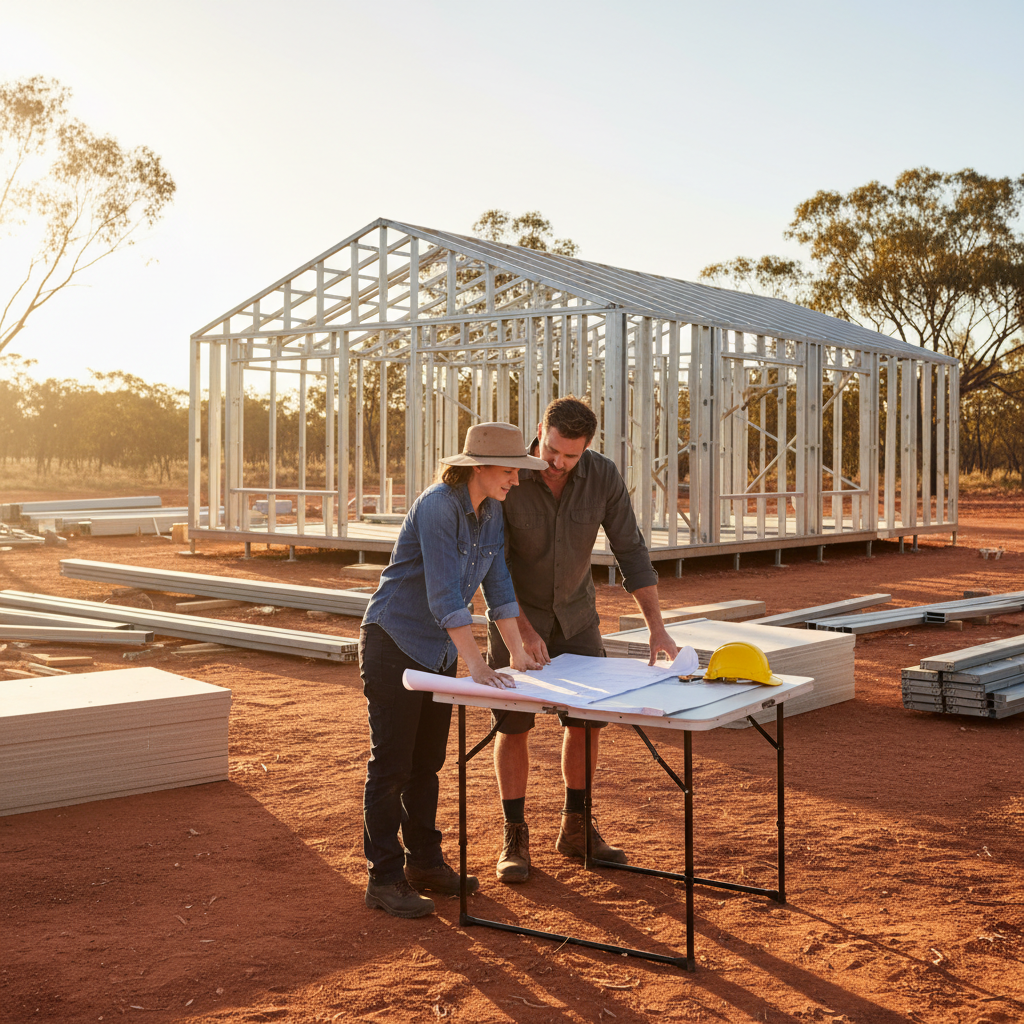
- Have the plans ready: Don't make the inspector wait while you find the engineering drawings on your phone. Have the paper copies taped to a makeshift table or a wall. It shows respect for their time.
- Check the weather: If it's been bucketing down for three days and your site is a swamp, cancel the footing inspection. They can't inspect footings full of water and mud. It's a waste of everyone's morning.
- Keep it clean: A messy site suggests a messy builder. If there's offcuts of cladding and empty lunch wrappers everywhere, the inspector will look twice as hard at your structural work. Clean up your act and they'll usually be a lot more reasonable.
Building your own place is a slog. There’s no point pretending otherwise. You’ll be tired, your hands will be calloused, and you’ll find yourself arguing with a building surveyor about the diameter of a washer. But when that final certificate comes through and you realize you built the roof over your head, it’s worth the headache. Just remember that the inspector is there to make sure the house is safe for whoever lives there in twenty years, not just to pick on your DIY skills. Work with them, not against them. If you’re unsure, ask. Most of these blokes would rather explain it once than have to come back and fail it twice.