The Death of the Guest Bedroom Office
Most people planning a new build still fall into the trap of the 'flexible' fourth bedroom. They tell themselves it’ll be a guest room, but in reality, it becomes a graveyard for half-unpacked boxes and a wobbly desk from a flat-pack furniture warehouse. If you work from home in Australia now, that setup is a recipe for a sore back and a short temper. I've seen it a hundred times. You're trying to conduct a Zoom call while the kids are raiding the pantry three metres away and the acoustics are so bad it sounds like you're trapped in a Tupperware container.
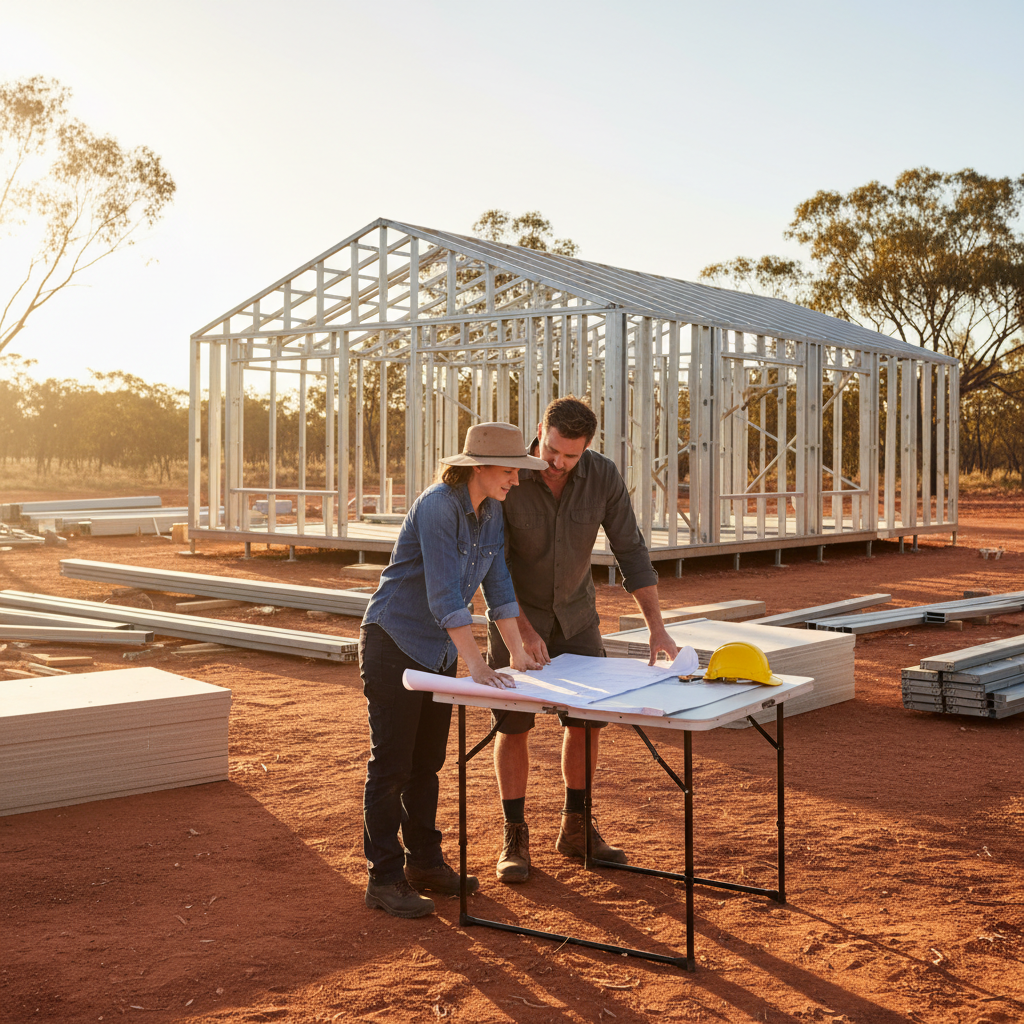
A kit home offers a unique chance to get this right from the jump. Because you're the owner-builder, or at least the one steering the ship, you aren't stuck with the cookie-cutter floor plans the big project builders force on you. You can actually think about how light hits your monitor at 2pm in mid-July. You can decide where the GPOs go so you don't have a power board 'daisy-chain' creating a trip hazard across your rug.
Orientation is Everything
Down here, we usually chase a north-facing living area for that sweet winter sun. But for an office? Direct northern sun can be a nightmare for screen glare. I reckon the best spot for a dedicated workspace is often on the southern or eastern side of the house. You want that steady, indirect light. If you stick your desk right under a massive west-facing window in an Adelaide or Perth summer, you'll be baking by lunchtime, and no amount of aircon is going to stop that glare from washing out your video calls. It's about being smart with the site. Look at your block. Where's the noise coming from? If your neighbor's driveway is right next to your proposed office wall, you'll hear every cold start of their Hilux at 6am. Move the office to the other side of the floor plan. Simple.
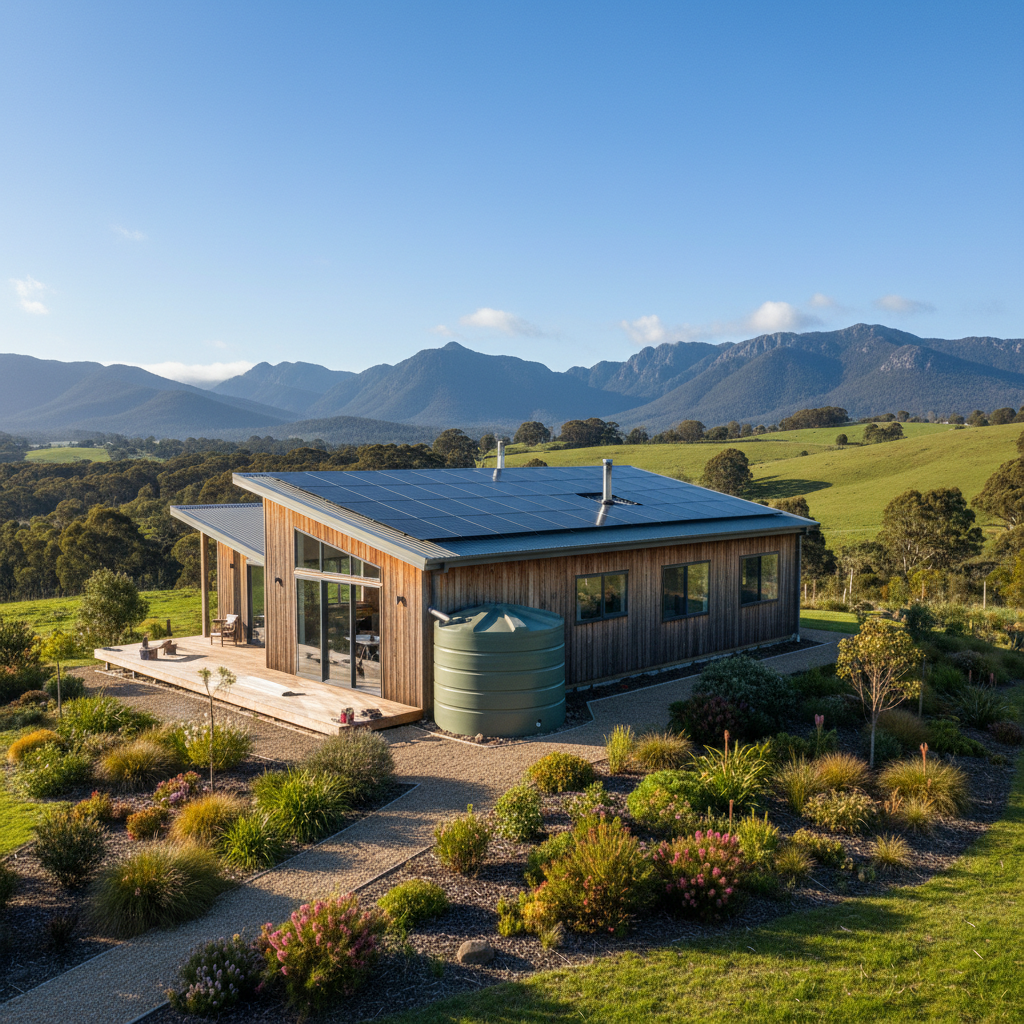
Plus, think about the view. Don't face a blank wall. It feels like a prison cell after four hours of spreadsheets. Position your kit home windows to look out over the garden or the street. It gives your eyes a chance to refocus on something distant, which the optometrists say is better for you anyway.
The Steel Frame Advantage for Tech
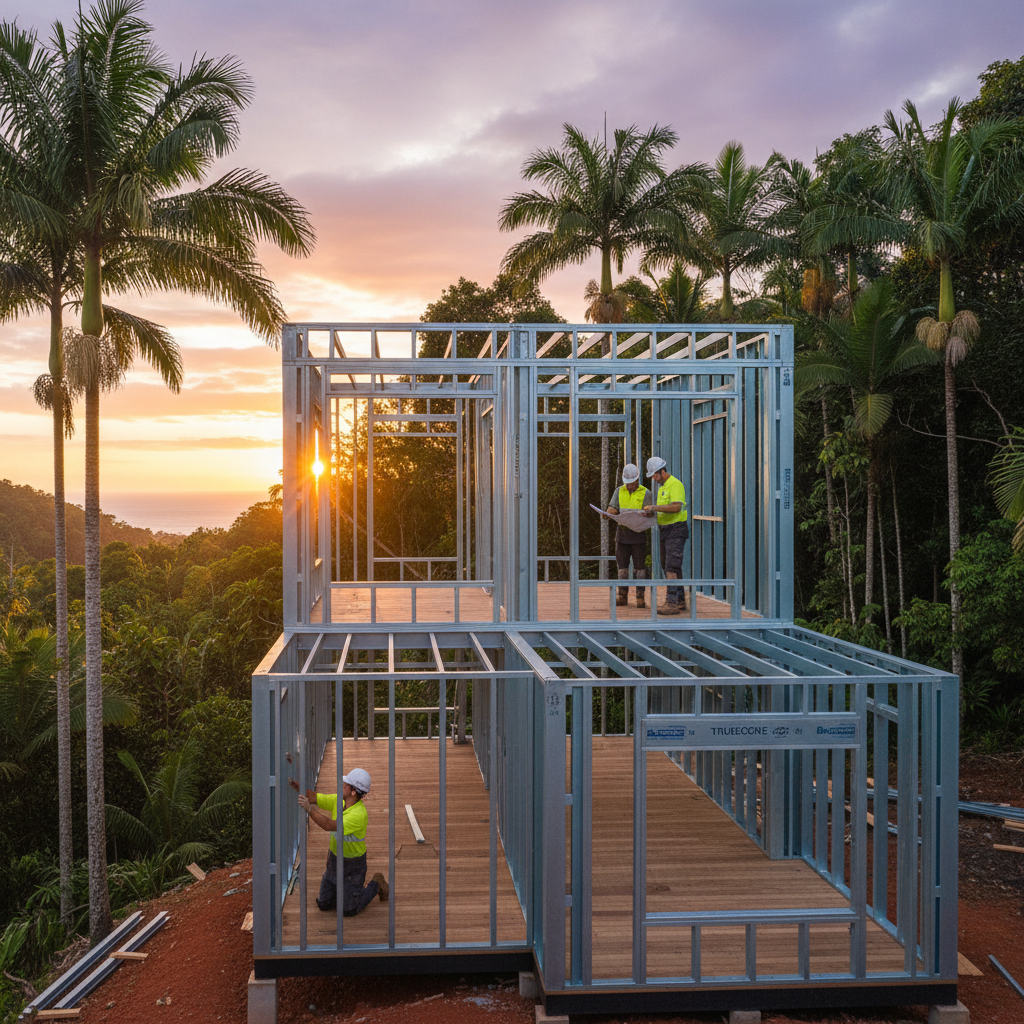
We use TRUECORE steel because it stays dead straight. This is a bigger deal for an office than you might think. When you’re installing custom joinery or a long floating desk that spans three metres, you want a perfectly flat wall to fix to. Timber can bow or twist as it seasons, leaving you with gaps between your beautiful timber desktop and the plasterboard. Steel doesn't do that. It’s predictable.
And let's talk about cable management. Since you're the one managing the trades, get your sparky in early. Because steel frames have pre-punched service holes, it’s a breeze to run Cat6 data cabling throughout the house. Don't rely on Wi-Fi for your main workstation. It drops out when someone uses the microwave. Hard-wire it. Run a dedicated circuit for your office too, especially if you're running high-end PCs or multiple monitors. It’s cheap to do at the framing stage but a massive pain once the sheets are up and painted.
Designing for 'The Walk-Off'
The biggest mental health hurdle with working from home is the blurring of lines. You finish work, turn around, and you're in the kitchen. The stress follows you. To fix this, I suggest a floor plan that creates a physical 'buffer' zone. Don't have your office door open directly into the lounge room. Use a hallway or a mudroom as a transition. Some of the best kit home designs I've worked on recently actually place the office near the front entry, completely separate from the 'quiet' bedroom wing. This is also a win if you have clients dropping by. They don't need to walk past your unmade bed or the pile of laundry on the couch to get to your desk.
The Sound Factor
Modern open-plan living is great for Friday night drinks, but it's terrible for focus. When you're picking your kit, look at the internal wall specifications. I always tell owner-builders to spend the extra few hundred bucks on high-density acoustic batts for the office walls. Wrap the whole room in insulation, not just the external walls. It makes the room feel substantial. It feels quiet. It feels like a place where work actually gets done.
Also, think about the floor. Floorboards or tiles look great but they bounce sound around like a squash court. If you want that sleek look, get a thick rug. It’ll stop your voice from echoing during meetings and keep your feet warm during those cold July mornings in Ballarat or the Blue Mountains.
Privacy and Professionalism
Let's be real. Nobody wants to see your gym gear in the background of a professional call. When you're looking at your floor plan, mark out exactly where the desk will sit. Then, look at what sits directly behind that chair. That's your 'stage'. It’s worth planning a nice feature wall or built-in bookshelves there from the start. Since our kits come with all the structural stuff, you can focus your energy on these fit-out details. Maybe use some nice spotted gum shiplap or just a deep, moody paint colour. It makes a difference to how you're perceived, and more importantly, how you feel about your career while you're sitting there.
Practical Tips for the Owner-Builder
- The 20-Amp Rule: If you're a creative or a pro using power-hungry gear, talk to your sparky about a dedicated 20-amp circuit. It prevents tripped breakers when the kettle and the laser printer start up at the same time.
- Noggins: Tell your carpenter to install extra noggins in the steel frame where you plan to wall-mount monitors or heavy shelving. It's much easier to find a solid fix when you know exactly where the steel is behind the gyprock.
- Ventilation: Computers off-gas heat. Small offices get stuffy fast. Ensure your window placement allows for cross-ventilation, or make sure the ducted aircon has a dedicated zone for the study.
- Lighting: Layer it. You need a bright overhead light for cleaning or finding a dropped screw, but you want soft, indirect lamps for actual work. Dimmers are your best friend here.
Why Modern Kits Work
Designing a home office shouldn't be an afterthought. It's a fundamental part of how we live in Australia now. We're moving away from the 'commuter life' and into something more grounded. Using a kit home means you get the structural integrity of BlueScope steel, which is termite-proof and won't warp, giving you a solid shell to build your dream workspace within. You aren't paying a premium for a fancy architect to tell you where your desk goes. You're the designer. You're the one who knows how you work.
Take your time with the floor plans. Walk the site at different times of the day. Feel the breeze. See where the shadows fall. Then, when you're ready to pull the trigger, you'll know that your office isn't just a spare room. It's the engine room of your home.