Stop guessing and start planning properly
I’ve spent fifteen years on sites across Australia, from the humid blocks in Cairns to the freezing mornings in the Blue Mountains. If there's one thing I can tell you for certain, it’s that most people who muck up their kit home project do it before they even pick up a hammer. They get caught up in the floor plans and forget about the reality of the dirt they’re building on. Buying a kit is the easy part. Managing the build into a finished home? That's where the real work happens.
You aren't just buying a pile of steel and some windows. You're taking on the role of a project manager. If you go into this thinking it’s a weekend DIY job like putting together an IKEA bookshelf, you’re in for a rough ride. It's a house. It needs to stand up to 100km/h winds and keep the termites out. Let's look at where people usually trip up so you don't end up with a half-finished frame rusting in the rain.
The council trap: Why your DA matters more than your floor plan
People call us all the time with a specific design in mind before they've even spoken to their local council. This is backwards. Your local government area (LGA) has rules that don't care about your Pinterest board. You might have your heart set on a sprawling three-bedroom ranch, but if your block has a massive setback requirement or sits in a high-fire-risk zone, that design might be a non-starter.
In Australia, we have the Bushfire Attack Level (BAL) system. If your block is rated BAL-40 or BAL-FZ (Flame Zone), your choice of windows, cladding, and even the type of mesh you use for the screens changes instantly. You can't just swap these out later. You need to know your BAL rating before you order your kit. It's the difference between a standard build and spending thousands extra on toughened glass and specialized seals. Take a trip down to the council chambers. Talk to a duty planner. Ask about overlays, easements, and bushfire requirements. Do it today.
Site access is a nightmare you didn't see coming
I remember a bloke out near Toowoomba who ordered a beautiful kit, but he lived at the end of a winding, dirt track with a low-hanging bridge. The semi-trailer carrying the steel frames couldn't get within two kilometers of his site. We had to double-handle everything onto a smaller truck, which cost him a fortune in extra labor and time.
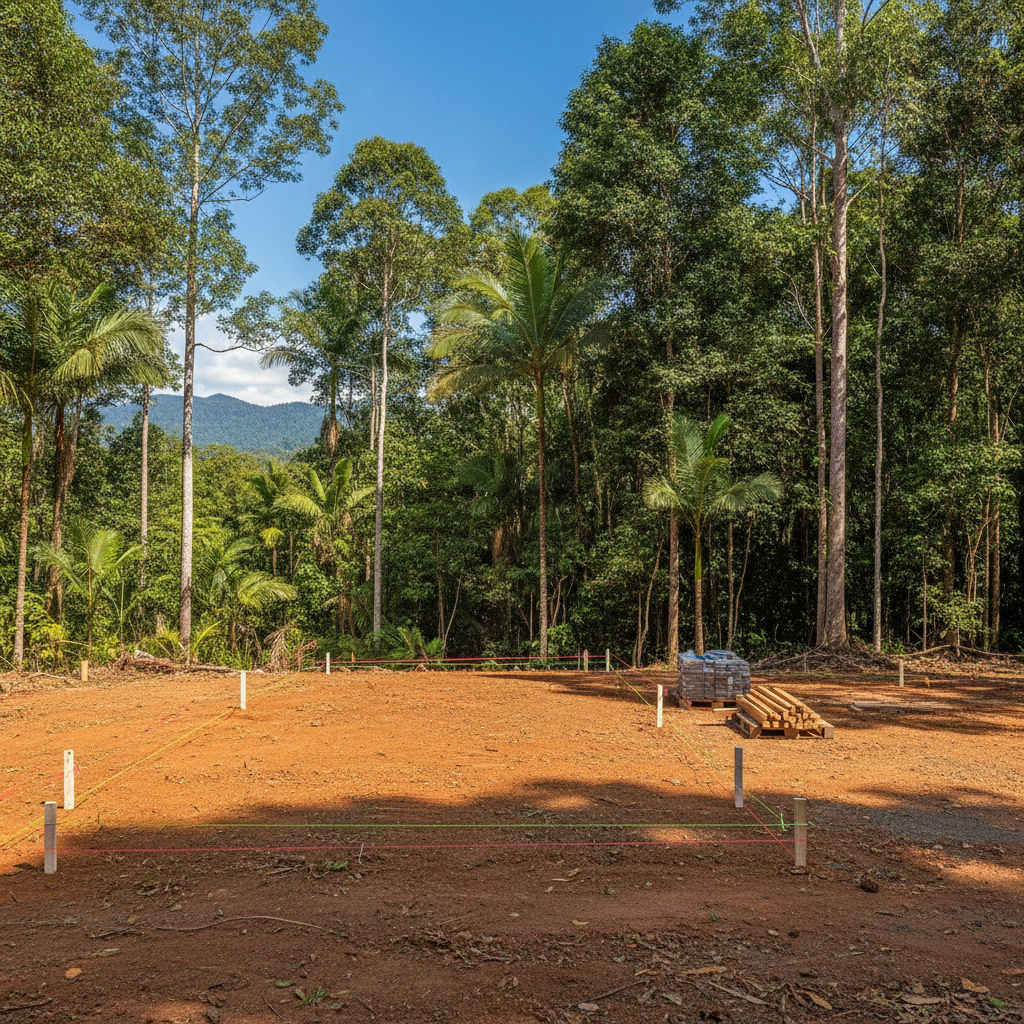
When your kit arrives, it comes on big trucks. These aren't your local delivery vans. We're talking heavy vehicles that need room to turn and a solid surface to park on. If your block is an overgrown mess or has a driveway that turns into a bog the second it drizzles, the driver will leave your kit at the gate. Or worse, on the side of the road. You need to clear a flat, dry area for the drop-off and make sure there's enough room for a crane or a Hiab to move the bigger components like your TRUECORE steel floor joists or roof trusses.
The trade shortage is real: Book your sparky now
The biggest mistake first-time owner-builders make is assuming they can find trades when they need them. In the current climate, good plumbers and electricians are booked out months in advance. Because you're managing the site works and the fit-out yourself, you are the one responsible for the schedule.
Don't wait until the frames are up to start calling around. You need your slab poured and cured before the kit even arrives. That means you need a concretor early. Then you need the sparky and the plumber to do their 'rough-in' before the internal walls go on. If you haven't secured these trades, your shiny new steel frame will sit empty for months while you're begging people on Airtasker to show up. It's frustrating. It's expensive. And it's avoidable if you start networking at the local hardware store or asking for recommendations in community Facebook groups early on.
Steel frames aren't lumber: Learn the difference
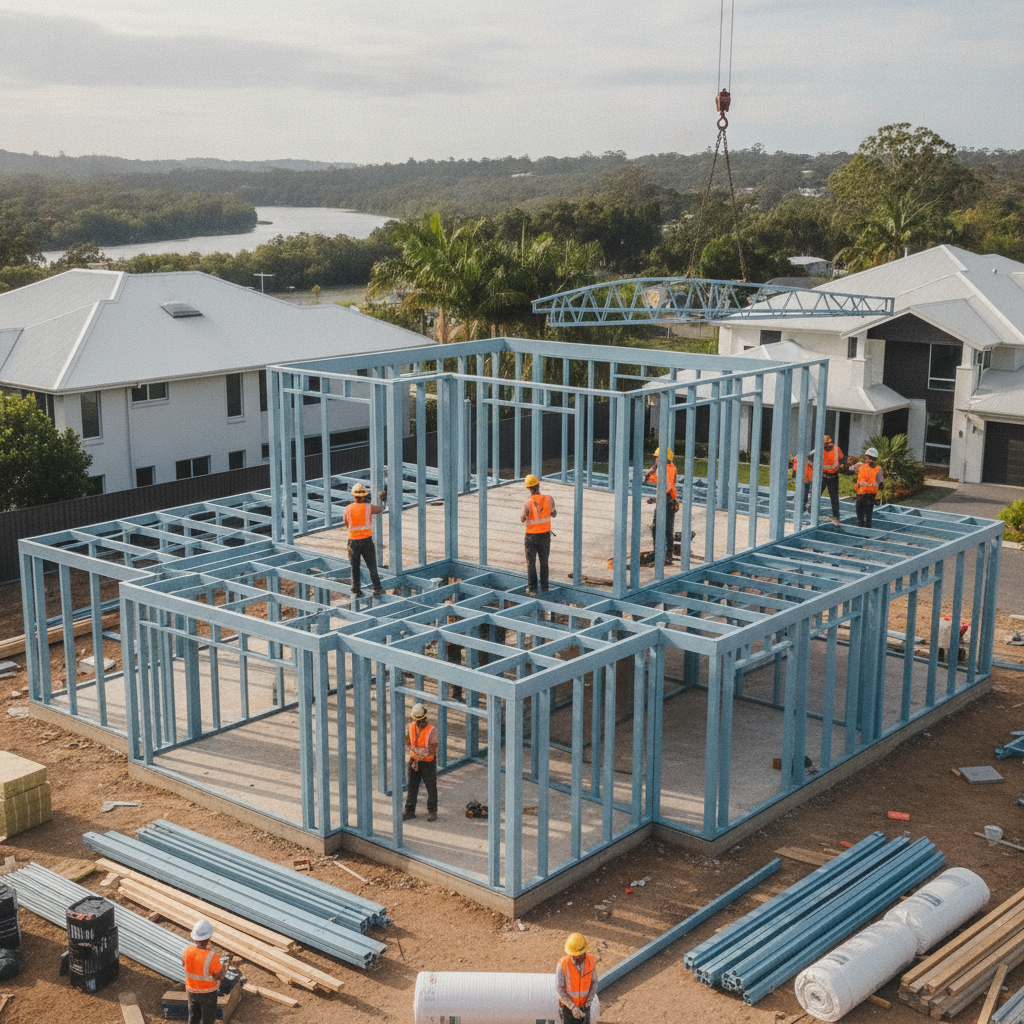
We use BlueScope Steel because it’s straight, it’s true, and the termites won't touch it. It's brilliant for the Australian climate. But if you’ve spent your life working with timber, steel requires a slight shift in mindset. You can't just use a standard hand saw if you need to make a minor adjustment on a non-structural bit, though with our kits, most of that is done for you.
The real issue is the 'she'll be right' attitude. Steel frames are engineered to specific tolerances. You have to follow the architectural drawings to the millimeter. If the plan says to use a specific tek screw or a particular bracing strap, use it. Don't swap it out for something you found in the bottom of your toolbox. This leads to issues during the final inspection when the building certifier comes around. If they see you've taken shortcuts on the structural integrity, they won't sign off on your Occupancy Permit. And then you're stuck with a very expensive shed you can't officially live in.
The insulation oversight
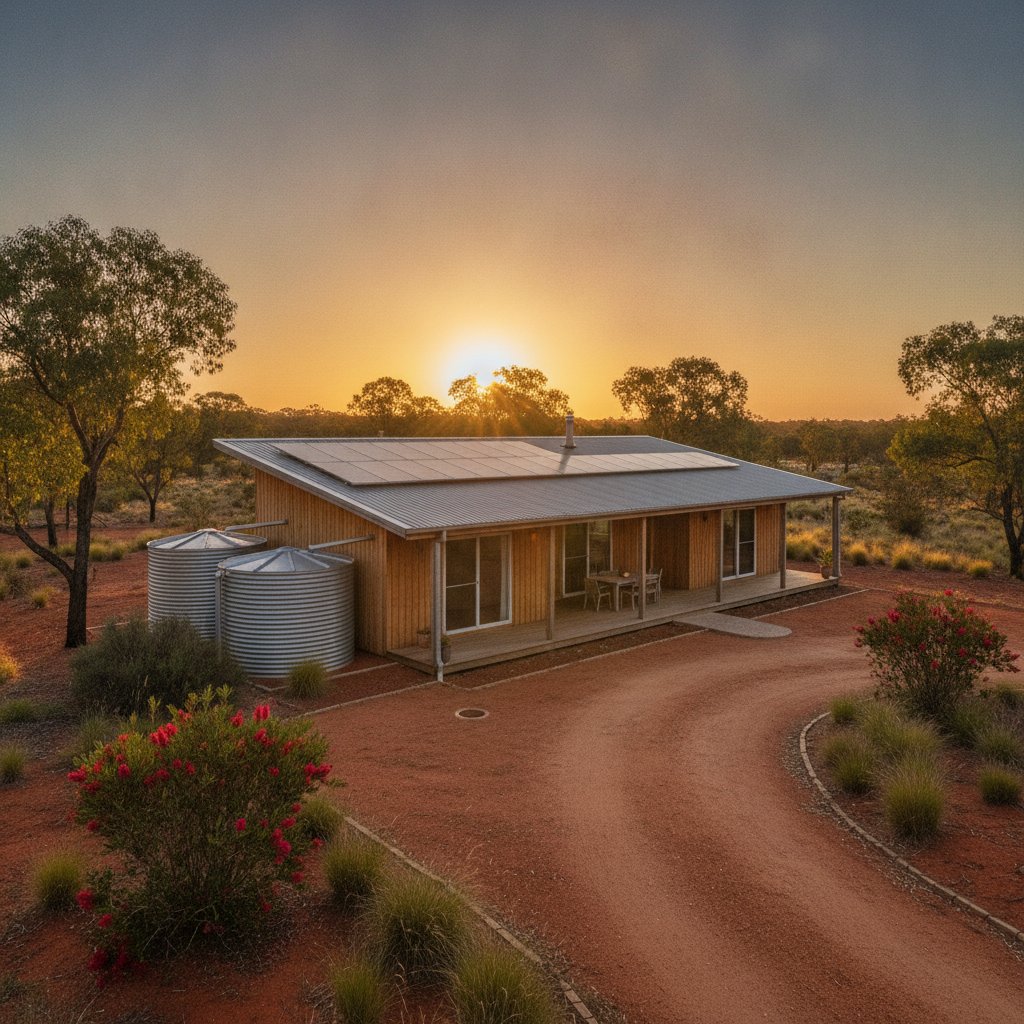
Australia is hot. Then it's cold. Then it's hot again. People often try to save a few bucks on insulation, thinking they'll just put a big aircon unit in later. Bad move. Insulation is your primary defense against the sun beating down on that Colorbond roof. Because our kits include the roofing and cladding, you have the perfect opportunity to do it right from the start. Use a high-quality reflective foil and top-tier batts. It makes the house quieter too. There’s nothing worse than the sound of a heavy rainstorm on a tin roof if you haven't bothered with decent insulation. It sounds like living inside a drum.
Don't forget the tools
You’re going to need more than a hammer and a screwdriver. Building a kit home requires specific gear. A decent impact driver is non-negotiable. You’ll be driving thousands of screws into steel. A cheap drill from a bargain bin will burn out by lunchtime on day two. Get yourself some good quality levels - a 600mm and a 1200mm at least. If your frames aren't plumb and your slab isn't level, every single window and door you try to install later will stick or leave gaps.
And safety gear? Don't be a hero. Steel offcuts are sharp. Very sharp. I’ve seen enough gashes and stitches to last a lifetime. Get proper gloves, eye protection, and actual work boots. If you're working on the roof, get a harness. It’s not about being soft; it’s about finishing the project in one piece so you can actually enjoy the house you built.
Wrapping it up
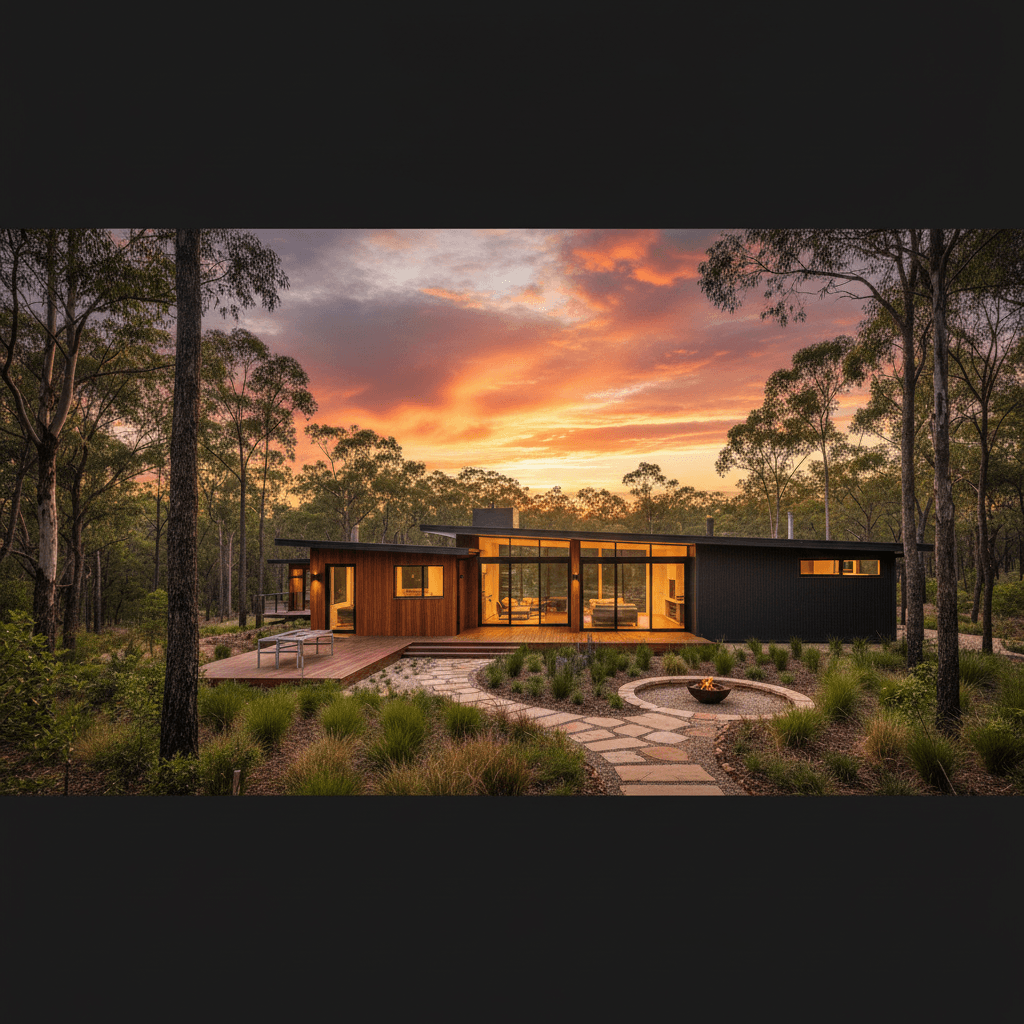
Building a kit home is probably the biggest thing you'll ever do. It's a massive win when you finally turn the key, but the road there is paved with paperwork and planning. Focus on your site prep, get your council approvals sorted before you fall in love with a kitchen tap, and treat your trades like gold. If you respect the engineering of the steel and take your time with the measurements, you'll end up with a house that lasts 50 years. Just don't expect it to happen by magic. Get your hands dirty, stay organized, and watch the weather reports. You've got this.